
Sauces & Condiments
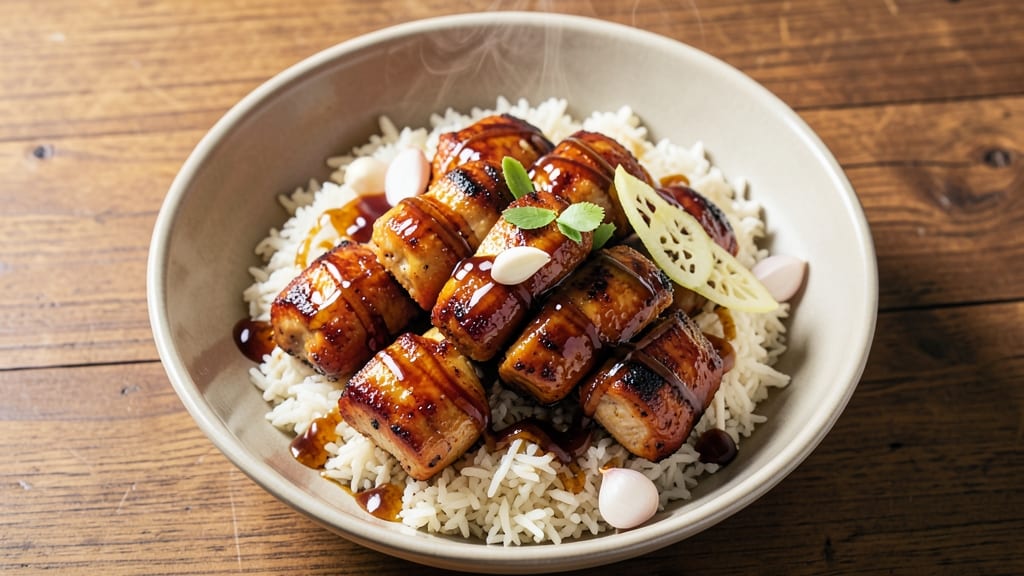
Creating an authentic hibachi chicken marinade transforms ordinary grilled chicken into a restaurant-quality centerpiece with its signature smoky-sweet balance. This marinade combines traditional hibachi flavors—garlic, ginger, and soy—with a touch of sweetness that caramelizes beautifully on the grill.
I developed this recipe after years of perfecting hibachi-style dishes, and it delivers that signature umami depth without overpowering the natural taste of the chicken.
The beauty of this marinade lies in its versatility and simplicity. With just 8 ingredients—including soy sauce, garlic, ginger, sesame oil, and a hint of honey—you’ll achieve professional-level flavor in 30 minutes of marinating time.
The secret to hibachi-style perfection is balancing the saltiness of soy with the aromatic punch of garlic and ginger, while the sesame oil adds that signature nutty finish. This marinade works equally well for grilling, broiling, or even stir-frying.
What you’ll end up with is chicken that’s tender, juicy, and infused with layers of smoky-sweet flavor—every bite will taste like it came straight from a hibachi grill.
The marinade can be made ahead and stored in the refrigerator for up to 5 days, making it perfect for meal prep or last-minute grilling. Whether you’re cooking for a weeknight dinner or a special occasion, this marinade elevates simple chicken into something extraordinary.
Pair it with steamed rice and stir-fried vegetables for a complete hibachi-style meal. The marinade’s bold flavors stand up well to other dishes, so don’t hesitate to use it on shrimp or tofu for variety. Here’s how to make it—your taste buds will thank you.
Ingredients for hibachi chicken marinade
Eight simple ingredients create restaurant-quality hibachi chicken marinade in minutes.
| Ingredient | Amount | Notes |
|---|---|---|
| Soy Sauce 🍜 | ½ cup | Low-sodium preferred for balance |
| Sesame Oil 🫒 | 2 tbsp | Toasted for authentic aroma |
| Honey 🍯 | 2 tbsp | Raw honey for depth |
| Garlic Cloves 🧄 | 4 cloves | Freshly minced for potency |
| Fresh Ginger 🌿 | 1 tbsp | Finely grated, not powdered |
| Rice Vinegar 🍶 | 1 tbsp | Balances sweetness naturally |
| Sesame Seeds 🥜 | 1 tbsp | Toasted for garnish crunch |
| Cornstarch 🌾 | 1 tbsp | Glazing agent for caramelization |
The soy sauce is your foundation—look for low-sodium varieties like Kikkoman for better balance. Sesame oil should be the toasted, not the light variety—Trader Joe's has great small bottles perfect for this. Honey matters too; raw honey adds complexity that regular honey can't. I always buy a jar from Whole Foods when I'm making this, but any quality raw honey will work. Fresh garlic and ginger are non-negotiable—they're what give this marinade its signature aroma. Don't skip grating the ginger yourself; pre-ground just won't cut it.
No sesame oil? Toasted peanut oil works in a pinch, though it won't be quite the same. Want to skip the vinegar? Add an extra tablespoon of honey and a pinch of salt to mimic the acidity. Cornstarch might seem odd, but it's what creates that beautiful glossy caramelization when grilled. If you're short on time, use pre-minced garlic but make sure it's fresh—not that powdered stuff. For the sesame seeds, toast them in a dry pan for 1-2 minutes before using—it makes a huge difference in flavor.
This marinade keeps beautifully for 5-7 days in an airtight container in the fridge. I always make extra because it's so versatile—it works great on shrimp or even tofu. For best results, marinate the chicken for at least 30 minutes, but overnight is even better. The flavors meld beautifully. Freeze portions in ice cube trays for single-use portions—just pop what you need into a bag. The cornstarch will thicken slightly when frozen, but that's okay—it'll still create that perfect glaze when cooked.
Why You'll Love This Recipe
- No-Fuss Marinade Magic: That cornstarch slurry? It’s the secret to that perfect glossy crust without any fancy techniques. Just whisk, pour, and let it do the work—no measuring madness, no stress.
- Sweet-Savory Restaurant Hit: The honey and rice vinegar combo? That’s the balance that makes it taste like you ordered takeout. The fresh ginger and garlic punch through the soy sauce, giving you that umami kick you crave—no powdered substitutes here.
- Weeknight Crowd-Pleaser: I marinate my chicken overnight, but even a 4-hour session works if you’re short on time. Serve it with rice and steamed veggies, and suddenly you’ve got a meal that feels like a celebration—no fuss, no fancy ingredients.
- Marinade That Lasts: This stuff keeps for a week in the fridge? Yes, really. Use the leftovers to baste your chicken while cooking, or even toss it with noodles for a quick stir-fry. Budget-friendly and zero waste—win-win.
Step-by-step instructions for hibachi chicken marinade
Here's the method that delivers authentic hibachi flavor with perfect balance every time.
Combine Wet Ingredients for Flavor Foundation
In a medium bowl, whisk together the ½ cup soy sauce and 2 tablespoons sesame oil. This combination creates the umami base that defines hibachi chicken. The soy sauce provides deep savory notes while the toasted sesame oil adds that signature nutty aroma you crave from restaurant hibachi grills.
Next, add the 2 tablespoons honey and 1 tablespoon rice vinegar. Stir vigorously until fully incorporated—you'll notice the mixture immediately lightens in color as the honey begins to emulsify with the soy. This is where the sweet-savory balance happens, so don't rush this step. The rice vinegar adds a subtle acidity that prevents the marinade from becoming cloying.
Incorporate Aromatics and Ginger
Finely mince the 4 garlic cloves and grate the 1 tablespoon fresh ginger using a microplane. The fresh ginger should yield about 1 tablespoon of finely grated zest—this is crucial for authentic flavor. Add both to the wet mixture and stir thoroughly. You'll smell that distinctive aromatic punch that makes hibachi chicken so irresistible.
Here's the thing—don't use powdered ginger. The fresh version contains volatile oils that develop complex flavors when combined with the other ingredients. Let the mixture sit for 5 minutes at room temperature while you prepare the chicken. This brief resting period allows the garlic and ginger to fully infuse with the other components.
Create the Glazing Agent
In a small bowl, whisk together the 1 tablespoon cornstarch until completely dissolved. This creates a smooth slurry that will serve as our glazing agent. The cornstarch will transform into a glossy, caramelized coating when exposed to heat, giving your chicken that signature hibachi sheen and texture.
Gradually pour the cornstarch slurry into the main marinade while whisking continuously. This prevents clumping and ensures even distribution throughout the mixture. You'll notice the marinade thicken slightly as the cornstarch begins to activate. The result should be a glossy, syrupy consistency that coats the back of a spoon.
Toast Sesame Seeds for Garnish
While the marinade rests, dry-toast the 1 tablespoon sesame seeds in a small skillet over medium-low heat for 2-3 minutes. Stir constantly to prevent burning—you're looking for seeds that turn a rich golden brown and release their nutty aroma. This toasting enhances their flavor dramatically compared to raw seeds.
Transfer the toasted sesame seeds to a small bowl and let them cool slightly. These seeds will serve as both a flavorful garnish and a textural contrast when sprinkled over your finished hibachi chicken. The crunch they provide is what makes hibachi chicken feel so special compared to other grilled chicken dishes.
Marinate and Prepare for Cooking
Pour the completed marinade over 4 boneless, skinless chicken breasts (about 6 ounces each) in a shallow dish. Using your hands, gently massage the marinade into the chicken, ensuring it coats all surfaces. Place the dish in the refrigerator and marinate for at least 4 hours, or preferably overnight for maximum flavor penetration.
Real talk: If you're short on time, you can marinate for just 30 minutes before cooking, but the flavor won't be as deep. The longer marinating time allows the soy sauce to tenderize the chicken while the honey and cornstarch mixture creates that signature caramelized crust during cooking. When ready to cook, remove the chicken from the marinade (don't discard it—use it for basting).
Pro Tips For Making Hibachi Chicken Marinade
- Whisk the Cornstarch Slowly: I learned this the hard way—dumping the cornstarch slurry all at once creates lumps that turn into dry spots on your chicken. Add it in thin streams while whisking constantly. You want that marinade to be silky, not grainy, or your glaze will fight you on the grill.
- Toast Sesame Seeds Low: Medium heat burns sesame seeds faster than you can blink. Keep it at medium-low and stir like you’re stirring a pot of oatmeal—constant, gentle movements. The moment they start to smell nutty and turn golden, they’re done. Burnt seeds taste bitter, and nobody wants that on their hibachi chicken.
- Grate Ginger Like Snow: Fresh ginger is non-negotiable here, but the texture matters just as much. Use a microplane or the smallest holes on a box grater—you want it fine enough to dissolve into the marinade, not chunky bits that sit like sand in your sauce. Think "ginger snow," not "ginger gravel."
- Marinate Hands-On: Don’t just pour the marinade over the chicken and walk away. Rub it in with your fingers—press it into the thickest parts of the breast, especially where the meat is dense. The cornstarch needs direct contact to cling and caramelize properly, or you’ll end up with dry patches. (Yes, even if you’re impatient like me.)
Storing and reheating this recipe
Marinade Storage Tips
Store your hibachi marinade in a clean, airtight glass container with a tight-sealing lid—I use Pyrex for mine. This prevents moisture loss and keeps flavors vibrant for up to 5-7 days in the refrigerator.
Label the container with the date so you don't forget when it was made. The cornstarch will thicken slightly over time, but that's normal and won't affect flavor. 🥫
Freezing for Later
For longer storage, freeze the marinade in 1-tablespoon portions using ice cube trays. Once frozen, transfer cubes to a ziplock bag and store for up to 3 months. Thaw in the fridge overnight before using.
The frozen marinade works perfectly for grilling or stir-frying, though it may separate slightly—just whisk before using. This is my go-to method for meal prep weeks.
Reusing Marinade
Don’t discard the leftover marinade after cooking! Strain out any solids, then reduce it by simmering in a saucepan over medium-low heat for 3-5 minutes. This creates a delicious hibachi glaze perfect for drizzling over rice or noodles.
I love using it as a sauce for steamed veggies or even as a dip for sushi rolls. The reduced marinade keeps for 3 days in the fridge. 🍜
Prepping Chicken Ahead
If you’re cooking chicken later, marinate it up to 24 hours ahead for deeper flavor penetration. Store the chicken in the marinade in a ziplock bag, squeezing out excess air to prevent freezer burn. When ready to cook, pat the chicken dry before grilling or pan-searing.
This step ensures a perfect sear without soggy marinade. I always do this for Sunday meal prep—it saves so much time during the week. ⏰
Reviving Stale Marinade
If your marinade loses some vibrancy after a few days, revive it by adding 1 teaspoon soy sauce and ½ teaspoon sesame oil. Whisk well and let it sit for 10 minutes before using.
This simple trick brings back the umami punch and freshness. I’ve used this trick countless times when I forget to use the marinade on time. It’s a lifesaver for last-minute cooking! 💡
Nutrition facts
Frequently asked questions
Why does this marinade need cornstarch?
The 1 tablespoon cornstarch creates a glossy, caramelized coating when grilled—this is what gives hibachi chicken its signature sheen and crispy texture. When heated, the cornstarch transforms into a light crust that enhances the smoky-sweet flavors. Without it, your chicken would lack that professional hibachi finish!
Can I use powdered ginger instead of fresh?
Stick with fresh ginger—it's non-negotiable for authentic flavor! Powdered ginger lacks the volatile oils that develop complex aromas when combined with soy, garlic, and sesame oil. If you're short on time, pre-minced fresh ginger works, but never powdered. The difference is like night and day in flavor depth.
How do I prevent the marinade from separating?
Whisk continuously when adding the cornstarch slurry to the main marinade—this prevents clumping. Also, let the mixture sit for 5 minutes after combining all ingredients to allow flavors to emulsify naturally. If separation occurs later, just stir gently before using. The cornstarch will thicken slightly over time, but that's normal.
What if I don't have sesame oil?
Use toasted peanut oil as a substitute—it adds a similar nutty aroma, though the flavor will be slightly different. If you're avoiding nuts, try avocado oil (though it won't replicate the sesame's depth). The key is to use an oil with a neutral taste that won't overpower the soy and garlic.
Can I make this marinade ahead of time?
Store it in an airtight container in the fridge for up to 5-7 days. For longer storage, freeze in 1-tablespoon portions—just thaw overnight before using. The flavors actually improve with a little resting time, so making it ahead is perfect for meal prep.