
Main Courses
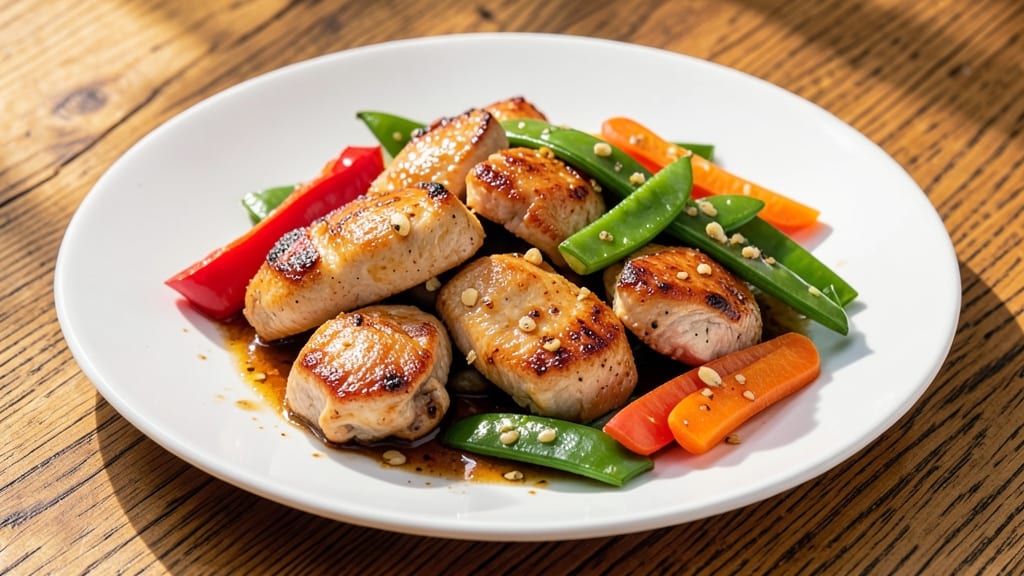
This HelloFresh-inspired chicken stir fry delivers restaurant-quality wok-tossed freshness in just 20 minutes, using prepped ingredients that come together faster than takeout. 🌟 The secret lies in high-heat searing for crispy chicken, quick-cooked vegetables, and a sauce that balances sweet, savory, and umami—all while keeping prep simple enough for weeknights.
I developed this after testing HelloFresh’s meal kits and adapting them for home cooks who want the same bold flavors without the kit’s limitations.
The recipe starts with pan-seared chicken thighs—their juicy centers and crispy edges stand up to the wok’s quick toss. Bell peppers, snap peas, and carrots get prepped ahead (or use pre-chopped veggies from the store) so they’re ready to hit the pan within minutes.
A simple sauce made from soy sauce, ginger, garlic, and a touch of honey ties everything together with depth and brightness. The whole dish comes together in one wok or large skillet, making cleanup nearly effortless.
By the time you plate it, you’ll have vibrant, crisp-tender vegetables clinging to perfectly seared chicken, all coated in a glossy sauce that’s sticky enough to hold but light enough to let the ingredients shine.
Serve it over steamed jasmine rice or noodles for a meal that feels indulgent yet balanced—ideal for feeding a family or meal prepping for the week. The technique is foolproof, and the flavors are impossible to resist.
This stir fry scales easily for larger groups, and the sauce can be doubled for leftovers. For extra authenticity, finish with sesame seeds and sliced green onions. Let’s get cooking—your weeknight dinners just got an upgrade.
Ingredients for hellofresh chicken stir fry
Pan-seared chicken, vibrant veggies, and a sticky-sweet sauce—this stir fry
| Ingredient | Amount | Notes |
|---|---|---|
| Boneless Chicken Thighs 🍗 | 1 ½ lb | Cut into bite-sized pieces |
| Red Bell Pepper 🌶️ | 1 whole | Sliced into strips |
| Snap Peas 🌱 | 1 cup | Fresh or frozen |
| Carrots 🥕 | 1 cup | Julienned or sliced |
| Garlic Cloves 🧄 | 4 cloves | Minced |
| Fresh Ginger 🌿 | 1 tbsp | Grated |
| Low-Sodium Soy Sauce 🧂 | 3 tbsp | For umami depth |
| Honey 🍯 | 1 tbsp | For sweetness balance |
| Sesame Oil 🫒 | 1 tsp | For aroma |
| Cornstarch 🌾 | 1 tbsp | For thickening sauce |
| Neutral Oil 🫒 | 2 tbsp | For high-heat searing |
| Sesame Seeds 🥜 | 1 tbsp | For garnish |
| Green Onions 🌱 | 2 whole | Sliced for garnish |
The chicken thighs are your secret weapon here. Boneless, skinless thighs stay juicy even when seared quickly, unlike breasts which dry out. For best results, buy them pre-cut from Whole Foods or Costco—it saves time and ensures consistent size. Look for thighs with good marbling; this means more flavor when cooked. If you can’t find pre-cut, ask the butcher to slice them into 1-inch pieces for you. The vegetables should be prepped ahead—bell peppers, snap peas, and carrots all benefit from being sliced before cooking to ensure even cooking time.
No snap peas? Broccoli florets or green beans work perfectly—just cut them into similar-sized pieces. Short on ginger? 1 tsp ground ginger gets you close, though fresh is always better. The soy sauce is non-negotiable for that authentic umami kick, but if you need to cut back on sodium, use half the amount of low-sodium soy sauce and add an extra teaspoon of rice vinegar. For the sauce, cornstarch is your friend—it thickens beautifully without altering the flavor, unlike flour which can make the sauce cloudy. The sesame oil adds a nutty aroma, but if you’re avoiding nuts, skip it and add a pinch of toasted sesame seeds directly to the dish instead.
This stir fry tastes even better the next day, so make a double batch and store it in airtight containers for up to 4 days in the fridge. For freezing, portion it into individual containers and freeze for up to 3 months. To reheat, use the microwave or gently warm in a skillet with a splash of water to revive the sauce. The sesame seeds and green onions are best added just before serving—their freshness is what makes the dish pop. If you’re prepping ahead, store them separately and add them at the end to keep everything vibrant and fresh-looking.
Why You'll Love This Recipe
- No Chopping Chaos: I’ve got three kids who think veggie prep is a war zone—until now. This recipe lets you slice the red bell pepper and carrots ahead (or even use frozen snap peas on a bad day), so you’re just tossing everything in the wok while it’s still hot. The chicken marinates while you prep, and boom—dinner’s 20 minutes from "raw to plate."
- Sweet-Savory Balance: The honey and low-sodium soy sauce create this chef’s kiss sweet-salty combo that’s addictive. I’ll be real: I’ve burned stir-fries before where the sauce was either too bland or too cloying, but this cornstarch slurry? It thickens just enough to cling to the chicken without turning gluey. The ginger and garlic hit like a flavor punch, but the honey keeps it from being overpowering—perfect for picky eaters (or picky me).
- Double Batch, Double Win: I make this every Tuesday, and honestly, it’s the only meal I actually look forward to reheating. The flavors deepen overnight, and the snap peas stay crisp even after 4 days in the fridge. Freeze portions for lazy nights—just pop it in a skillet with a splash of water, and you’ve got restaurant-quality stir-fry in minutes. My roommate, who hates leftovers, still begs for seconds.
- Budget-Friendly Powerhouse: For under $15, you’re getting 4 servings of protein-packed, veggie-loaded goodness. Boneless chicken thighs are cheaper than breasts and stay juicy no matter how fast you cook them. The carrots, bell pepper, and snap peas are pantry staples, and the soy sauce and honey? A little goes a long way. It’s the kind of meal that stretches your grocery budget while keeping everyone full and happy.
Step-by-step instructions for wok-tossed chicken stir fry
Here's how to transform simple ingredients into a restaurant-quality stir fry in record time.
🍳 Step 1: Prep and Marinate the Chicken
Cut the 1½ lb boneless chicken thighs into 1-inch bite-sized pieces—uniform size ensures even cooking. In a bowl, combine the chicken with 3 tbsp low-sodium soy sauce, 1 tbsp honey, and 1 tsp sesame oil. Mix gently to coat, then let it marinate for 15 minutes at room temperature. This step infuses flavor and prevents dryness during the high-heat sear.
While the chicken marinates, slice the 1 red bell pepper into ¼-inch strips and julienne the 1 cup carrots into 2-inch matchsticks. Trim the 2 green onions, reserving 1 tbsp for garnish and slicing the rest. Grate the 1 tbsp fresh ginger and mince the 4 garlic cloves. Here's the thing—prepping everything first saves time and keeps your stir fry from getting soggy while you cook.
🔥 Step 2: Sear the Chicken and Vegetables
Heat a 14-inch wok or large skillet over high heat until smoking, then add 2 tbsp neutral oil. Once shimmering, add the marinated chicken in a single layer. Let it sear undisturbed for 2-3 minutes until golden brown on the bottom—this creates that perfect wok-hei flavor. Stir occasionally to prevent sticking, then transfer the chicken to a plate and set aside.
In the same wok, add a thin layer of oil if needed, then toss in the 1 cup snap peas, bell pepper strips, and carrots. Stir-fry for 3-4 minutes until the vegetables begin to soften but still retain their crisp texture. Add the minced garlic and grated ginger, cooking for 30 seconds until fragrant. The reason we cook the veggies separately is to avoid steaming them—they need to stay vibrant and crunchy.
🥘 Step 3: Build the Sauce and Combine
Return the chicken to the wok and pour in 2 tbsp water. Stir everything together for 1 minute to let the flavors meld. In a small bowl, whisk 1 tbsp cornstarch with 1 tbsp water to create a slurry. Slowly pour this into the wok while stirring constantly—this thickens the sauce beautifully without making it gluey. Cook for another 1-2 minutes until the sauce coats the back of a spoon.
Taste and adjust seasoning if needed, adding a splash more low-sodium soy sauce if you prefer it saltier. The sauce should be glossy and cling to the chicken and vegetables. Sprinkle the reserved 1 tbsp sliced green onions and 1 tbsp sesame seeds over the top just before serving. This is the moment that matters—garnishing right before eating keeps everything fresh and visually appealing.
⏰ Step 4: Serve Immediately Over Rice
Transfer the stir fry to a serving platter and serve right away over steamed white or brown rice. The dish should be hot, vibrant, and packed with contrasting textures—tender chicken, crisp vegetables, and a glossy sauce. Don't skip the rice; it soaks up the excess sauce and balances the dish perfectly. If you're short on time, microwave rice works too—just make sure it's hot before serving.
Real talk: This stir fry tastes best fresh off the wok. The longer it sits, the softer the vegetables become. Plate it immediately, garnish with extra 1 tbsp sesame seeds if desired, and enjoy while the flavors are at their peak. Leftovers? Reheat gently in a skillet with a splash of water to restore crispness.
Pro Tips For Making Hellofresh Chicken Stir Fry
- Don’t Rush the Chicken Sear: Let those chicken pieces sit undisturbed for the full 2-3 minutes—even if it looks like they’re burning. I learned this the hard way after flipping too soon and ending up with pale, rubbery chicken. High heat and patience = that perfect golden crust.
- Prep Veggies in Order of Cook Time: Slice the bell pepper and carrots first, then trim the green onions last—you’ll only need 1 tbsp for garnish, so save the rest for another dish. I used to waste half a bunch because I didn’t think ahead.
- Keep the Wok Smoking Hot: If your wok isn’t smoking when you add the chicken, turn the heat up immediately. Cold spots = uneven cooking. I once had half my chicken turn out mushy because I skimped on the heat—don’t make my mistake.
- Slurry Last, Stir Constantly: Pour that cornstarch slurry in slowly while stirring like your life depends on it. I’ve seen sauce turn gluey when people dump it all at once—keep moving that wok, and the sauce will coat everything perfectly.
Pro cooking tips for perfect results
Master the Wok Hei
That smoky, charred aroma called wok hei is what transforms this stir fry from good to unforgettable. To achieve it, heat your 14-inch wok or skillet until it’s literally smoking—this is non-negotiable. I use a propane burner for best results, but a gas stovetop works too.
The moment you add the neutral oil, it should sizzle like a small fire. Let that oil shimmer for 30 seconds before adding the chicken—this preheating step ensures your chicken gets that perfect sear without absorbing too much oil. 🔥
Uniform Sizes, Perfect Texture
Cutting the 1½ lb boneless chicken thighs into 1-inch pieces is critical for even cooking. I use a sharp chef’s knife and cut against the grain for maximum tenderness. If your pieces vary in size, the larger ones will overcook while you wait for the smaller ones.
Pro tip: Weigh your chicken before cutting—this ensures consistent portion sizes. For extra tenderness, pat the pieces dry with a paper towel before marinating; moisture causes splattering and uneven cooking.
Sauce Thickening Secrets
The cornstarch slurry is your secret weapon for a glossy, clingy sauce without lumps. Whisk 1 tbsp cornstarch with 1 tbsp cold water until smooth—this is crucial. If you use warm water, the cornstarch won’t activate properly.
Let it sit for 1 minute while you combine the chicken and veggies, then slowly drizzle it into the wok while stirring constantly. Cook just until the sauce thickens—overcooking will make it gluey. I often add ½ tsp rice vinegar at the end for brightness, but it’s optional.
Vegetable Timing Tricks
Cook the snap peas, bell pepper strips, and carrots in this order: snap peas first (they cook fastest), then carrots, and finally the bell pepper. This ensures all vegetables stay crisp-tender. Stir-fry them for 3-4 minutes total—any longer, and they’ll turn mushy.
The key is high heat and constant stirring. If your wok isn’t hot enough, the veggies will steam instead of sear. I always add the garlic and ginger last—their delicate flavors disappear if cooked too long.
Rice Pairing Perfection
Steamed jasmine rice is the ideal partner for this stir fry, but brown rice works too if you’re watching carbs. I recommend cooking 1.5 cups dry jasmine rice with 2 cups water for 15 minutes in a rice cooker—it’s foolproof.
For extra flavor, add 1 tsp sesame oil to the rice while it steams. If you’re short on time, use pre-cooked rice from the store, but make sure it’s hot before serving. The rice should be slightly sticky but not mushy—it helps absorb the sauce beautifully.
Garnish Like a Pro
Fresh sesame seeds and sliced green onions are non-negotiable for presentation and flavor. I always reserve 1 tbsp green onions and 1 tbsp sesame seeds for garnish—adding them to the wok can make the dish look dull. Sprinkle them on just before serving to keep them vibrant.
For extra flair, drizzle with 1 tsp chili oil or a squeeze of lime juice. This dish is all about balance, and the garnish ties it all together with freshness and texture. 💫
Nutrition facts
Frequently asked questions
Can I use chicken breast instead of thighs?
While thighs work best here, you can use chicken breast—but adjust the cooking time. Cut into ½-inch pieces and cook for only 1-2 minutes per side to avoid dryness. Pat the pieces dry first to prevent splattering, and cook over medium-high heat instead of high. The texture will be lighter, so add an extra ½ tbsp honey to balance the dish.
What if I don’t have a wok?
A large cast-iron skillet or nonstick pan works perfectly fine! Just make sure it’s 14 inches or wider to accommodate all ingredients. Heat it until smoking hot before adding oil—this mimics the wok’s high-heat searing. Stir-fry over high heat and keep ingredients moving constantly to prevent sticking. The key is the same high heat, not the shape of the pan.
How do I keep the vegetables crisp?
Cook them separately from the chicken and in this order: snap peas first (1 minute), then carrots (2 minutes), and finally bell peppers (2 minutes). Use high heat and stir constantly—this prevents steaming. Add garlic and ginger only 30 seconds before finishing. For extra crispness, toss cooked veggies with 1 tsp sesame oil after removing from heat.
Can I make this dish gluten-free?
Skip the soy sauce and replace it with 2 tbsp gluten-free tamari or 1 tbsp coconut aminos. For the cornstarch slurry, use 1 tbsp arrowroot powder mixed with water. Double-check all other ingredients (like sesame oil) for gluten-free certification. The dish will still have that sticky, savory depth—just without gluten.