
Main Courses
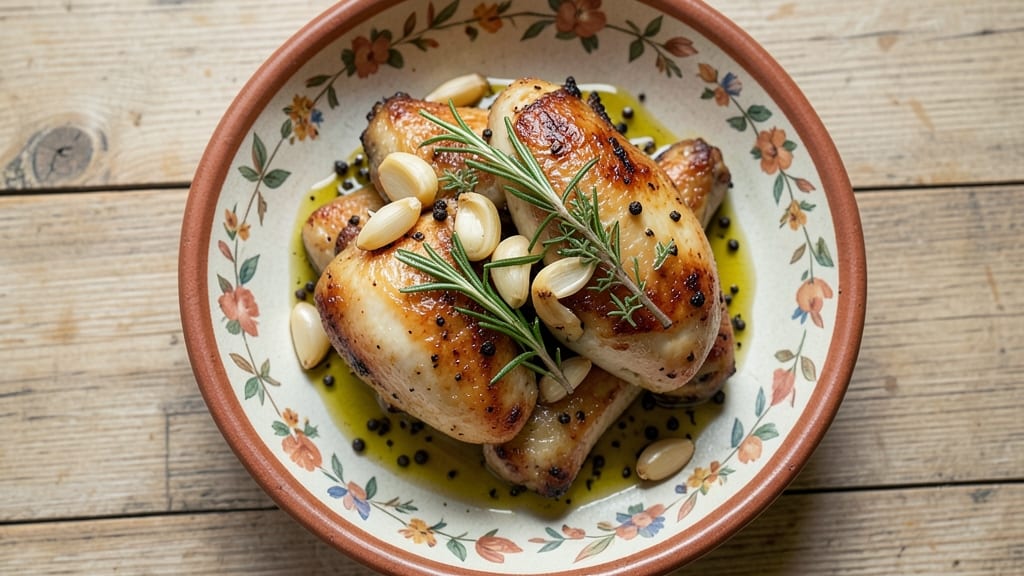
Grandma's chicken recipe is the one that always brings back memories of Sunday dinners in my childhood kitchen. The secret herb blend she perfected—dried thyme, rosemary, and a pinch of black pepper—transforms simple chicken into something extraordinary.
I’ve refined her method over the years, ensuring every bite stays juicy and tender, just like she made it.
What makes this recipe special is the balance between simplicity and depth. You’ll use basic pantry staples, but the slow-roasting technique and her signature herb blend create layers of flavor that elevate ordinary chicken into a homestyle masterpiece.
The key is patience—letting the chicken cook low and slow until the skin is golden and the meat falls apart effortlessly.
By the time you serve this dish, your kitchen will smell like nostalgia, and your family will be transported back to those warm, comforting meals. The chicken emerges perfectly juicy, with crispy skin that holds just enough to keep every bite interesting.
Pair it with buttery mashed potatoes or a fresh garden salad for the full experience.
This recipe is more than just a dish—it’s a tradition. Whether you’re cooking for a gathering or treating yourself to a comforting meal, Grandma’s method delivers results that feel like a warm embrace. Let’s get started on recreating this timeless classic.
Ingredients for grandma's chicken
Just chicken, herbs, and patience. Grandma’s secret blend turns simple ingredients into comfort food magic.
| Ingredient | Amount | Notes |
|---|---|---|
| Chicken Thighs 🍗 | 1 ½ lb | Bone-in, skin-on preferred |
| Dried Thyme 🌿 | 1 ½ tsp | Fresh if available, but dried works |
| Dried Rosemary 🌿 | 1 tsp | Crushed between fingers for aroma |
| Black Peppercorns 🌶️ | ½ tsp | Freshly cracked for best flavor |
| Garlic Cloves 🧄 | 4 cloves | Minced for even distribution |
| Olive Oil 🫒 | 2 tbsp | Extra-virgin for richness |
| Salt 🧂 | 1 ½ tsp | Kosher or sea salt preferred |
| Butter 🧈 | 2 tbsp | Unsalted, softened for basting |
| Lemon Juice 🍋 | 1 tbsp | Freshly squeezed for brightness |
| All-Purpose Flour 🌾 | 2 tbsp | For dredging chicken |
| Fresh Parsley 🌿 | ¼ cup | Chopped, for garnish |
The chicken thighs are non-negotiable here—bone-in, skin-on gives you that crispy skin and juicy meat Grandma swore by. Trader Joe’s or Whole Foods usually have the best quality, but your regular grocery store’s butcher section works fine. Look for thighs with good marbling—those little white specks of fat mean juicier chicken. If you can’t find bone-in, skin-on, use boneless thighs but skip the flour dredge—just season and roast. The herbs? Penzeys or bulk bins at natural food stores have the freshest dried thyme and rosemary, but honestly, whatever’s in your spice rack works if it smells good. No dusty spices here!
No fresh herbs? Dried works just fine—just use half the amount. Short on butter? Olive oil does the job, though the flavor won’t be quite the same. The lemon juice is key for that bright finish, but white wine vinegar in a pinch works too. For the flour dredge, cornstarch works better than all-purpose if you want extra crispiness. And if you’re feeling fancy, add a pinch of smoked paprika to the flour mix—Grandma never did, but it’s a nice upgrade. The garlic? Fresh is best, but garlic powder at half the amount gets you close if you’re in a rush.
This chicken tastes even better the next day—make extra if you can. Store leftovers in the fridge for up to 4 days, or freeze for 3 months. Reheat gently in a skillet with a splash of water to keep it moist. I always portion mine into containers so lunches are ready to grab. And if you’ve got any extra herbs or lemon juice, toss them in the fridge with the chicken—they’ll keep everything fresh longer. Trust me, the smell alone will make your kitchen feel like Grandma’s.
Why You'll Love This Recipe
- No-Fuss Crust: Honestly, the only prep work here is drying the chicken and crushing the rosemary between your fingers—no fancy mincing or peeling. The rest is just searing and tossing flour into the pan. My kids can handle this part while I make salad.
- Crispy-Juicy Magic: That crispy skin? It’s all from letting the chicken thighs render fat undisturbed for 4-5 minutes. Then the garlic and lemon juice in the butter sauce? Chef’s kiss. The contrast of textures and flavors hits different every time.
- Leftovers That Win: I always make extra because this reheats like a dream—just pop it in the oven with a splash of water and the sauce comes back just as rich. My roommate even asks for seconds, and he’s not picky.
- Budget-Friendly Feast: For less than $10, you’re getting bone-in thighs that stay juicy, a pantry of herbs that last forever, and a sauce that turns plain veggies into a side dish. It’s the kind of meal that makes you feel like you’re treating yourself without breaking the bank.
Step-by-step instructions for Grandma's chicken recipe
Here's the method that delivers tender, juicy chicken with that perfect herb crust Grandma was famous for.
Prepare the Herb Crust and Season the Chicken
In a small bowl, combine the 1½ teaspoons dried thyme, 1 teaspoon dried rosemary, ½ teaspoon black peppercorns, and 1½ teaspoons salt. Crush the rosemary between your fingers to release the aroma, then grind the peppercorns lightly with a mortar and pestle or rolling pin. This creates a fragrant herb blend that sticks to the chicken.
Pat the 1½ pound chicken thighs dry with paper towels—this is crucial for crispy skin. Rub the herb mixture all over the chicken, pressing it into the skin. Let the seasoned chicken sit at room temperature for 15 minutes while you prep the rest. This ensures even cooking and maximum flavor penetration.
Sear the Chicken for Maximum Flavor
Heat 2 tablespoons olive oil in a large skillet over medium-high heat until shimmering. Add the chicken thighs skin-side down and cook undisturbed for 4-5 minutes until the skin turns golden brown and crispy. Here's the thing—don't move it too soon. The skin needs time to render fat and develop that perfect crust.
Flip the chicken and cook for another 3-4 minutes until the internal temperature reaches 165°F when measured with an instant-read thermometer. Remove the chicken from the skillet and set it aside on a plate, tented loosely with foil to keep warm. The residual heat will finish cooking the meat while it rests.
Make the Herb Butter Sauce
Reduce the heat to medium and add 2 tablespoons softened butter to the same skillet. Let it melt completely, then stir in the 4 minced garlic cloves and cook for 30 seconds until fragrant. Here's where it gets good—pour in 1 tablespoon lemon juice and let it simmer for 1 minute to brighten the flavors.
Sprinkle 2 tablespoons all-purpose flour over the mixture and stir vigorously for 1 minute until the sauce thickens slightly. Slowly pour in ¼ cup water (or chicken juices from the pan) while whisking continuously to create a smooth, velvety sauce. Taste and adjust seasoning with more salt if needed.
Finish with Fresh Herbs and Serve
Return the chicken to the skillet and spoon the herb butter sauce over the top, basting both sides. Let it cook for 1-2 minutes to heat through completely. The sauce should coat the chicken beautifully, locking in all that juicy flavor.
Transfer the chicken to a serving platter and sprinkle generously with ¼ cup chopped fresh parsley for a pop of color and freshness. Serve immediately with crusty bread or roasted vegetables to soak up that delicious sauce. The chicken should be juicy inside with crispy, flavorful skin—just like Grandma used to make.
Pro Tips For Making Grandma'S Chicken
- Don’t Rush the Sear: That golden crust isn’t magic—it’s patience. Let the chicken thighs sit undisturbed in the hot oil for the full 4-5 minutes, even if the skin looks uneven at first. I used to flip too soon and ended up with patchy, sad skin. The fat needs time to render, and that’s when the real flavor happens.
- Crush Those Peppercorns: Don’t just toss in whole peppercorns—they’ll sit like tiny rocks in your sauce. Lightly grind them with a mortar and pestle or rolling pin until they’re just breaking apart. This releases their aroma and lets the flavor meld into the herb crust. (Yes, even if you’re impatient like me.)
- Use Chicken Juices, Not Water: When thickening the sauce, skip the plain water if you can—scrape up those browned bits and juices from the pan instead. They’re packed with flavor that’ll make your sauce taste like it simmered all day, not 5 minutes. Just whisk them in slowly, like the recipe says, and watch that sauce transform.
- Rest the Chicken Properly: Tented with foil for 5-10 minutes isn’t just a suggestion—it’s the difference between juicy chicken and dry disappointment. The residual heat finishes cooking the meat while the juices redistribute. I learned this the hard way after cutting into a batch that sat too long uncovered and wondering where all the moisture went.
Regional styles of grandma's chicken
Southern Comfort Style
This is how we do it down in Georgia—slow-cooked in the oven until the skin is crispy enough to eat like crackers.
I’ve seen my share of family gatherings where Grandma’s chicken was roasted in a cast-iron skillet on the back porch stove, but the oven method gives you that even, golden finish. Start by preheating your oven to 375°F and line a baking sheet with foil for easy cleanup.
After searing the chicken as directed, transfer it to the sheet and roast for 25-30 minutes until the internal temperature hits 165°F. The key here is to let the chicken rest for 10 minutes before slicing—this lets all that juicy goodness redistribute. 🔥
Appalachian Mountain Style
In the mountains of North Carolina, they take this recipe up a notch by adding a touch of apple cider vinegar to the herb butter sauce. It brightens up the flavors and gives the chicken that tangy kick that pairs perfectly with cornbread.
After making the sauce as instructed, stir in 1 teaspoon apple cider vinegar before basting the chicken. The acidity cuts through the richness and makes every bite more interesting. I’ve tried this method, and it’s a game-changer for those who love a little extra zing.
Charleston Lowcountry Style
Down in Charleston, we love to add a hint of shrimp or crab to the herb butter sauce for a coastal twist. After cooking the chicken, remove it from the skillet and set it aside.
In the same pan, sauté ½ cup chopped shrimp or crabmeat (I use Blue Swamp Crab when I can get it) with the garlic and lemon juice. Stir in the flour and water to make the sauce, then add the cooked chicken back in to coat.
This version feels like a seafood feast without being a seafood dish—trust me, it’s a crowd-pleaser. 🍤
Midwest Farmhouse Style
Out in the Midwest, they often skip the flour dredge and instead use a dry rub of brown sugar and smoked paprika for a sweeter, smokier flavor.
After seasoning the chicken with the herb blend, toss it in a bowl with 1 tablespoon brown sugar and 1 teaspoon smoked paprika before searing. This adds a caramelized sweetness that pairs beautifully with the herbs.
Serve it with buttery dinner rolls and a side of maple-glazed carrots for a true farmhouse feel.
Cajun Bayou Style
If you’re feeling adventurous, add a pinch of Cajun seasoning to the herb blend for a spicy, bold twist. I like to mix ½ teaspoon Cajun seasoning with the thyme, rosemary, and salt before rubbing it onto the chicken.
This gives the dish that signature kick that’s perfect for those who love a little heat. Serve it with dirty rice and steamed okra for an authentic Louisiana experience. The spices blend beautifully with the herbs, creating a dish that’s both familiar and exciting. 🌶️
Nutrition facts
Frequently asked questions
Why does Grandma's recipe use bone-in, skin-on chicken thighs?
The bone-in, skin-on thighs create that perfect balance of crispy, flavorful skin and juicy meat that Grandma perfected. The skin renders fat during cooking, adding richness, while the bone keeps the meat moist throughout. This method ensures every bite delivers that nostalgic, comforting texture you remember from childhood.
Can I substitute fresh herbs for the dried thyme and rosemary?
Yes! If you have fresh herbs, use 1 tablespoon chopped thyme and 1 tablespoon chopped rosemary instead of the dried amounts. Fresh herbs are more potent, so reduce the quantity by half. Just make sure to crush the rosemary between your fingers to release the aroma, just like the dried version.
What’s the best way to ensure the chicken skin stays crispy after cooking?
Pat the chicken thighs completely dry before seasoning—the moisture is the enemy of crispy skin. After searing, let the chicken rest 5-10 minutes off the heat before serving. This prevents the skin from becoming soggy when you cut into it. If reheating leftovers, do it gently in a skillet with a splash of water to restore crispiness.
How do I adjust the seasoning if my chicken tastes bland?
Taste the herb butter sauce before basting the chicken—it should already be flavorful. If needed, add a pinch of extra salt or a squeeze of lemon juice to brighten it. For a deeper flavor, stir in a crushed garlic clove or a dash of Worcestershire sauce into the sauce. The key is balancing richness with acidity for that perfect Grandma touch.