
Main Courses
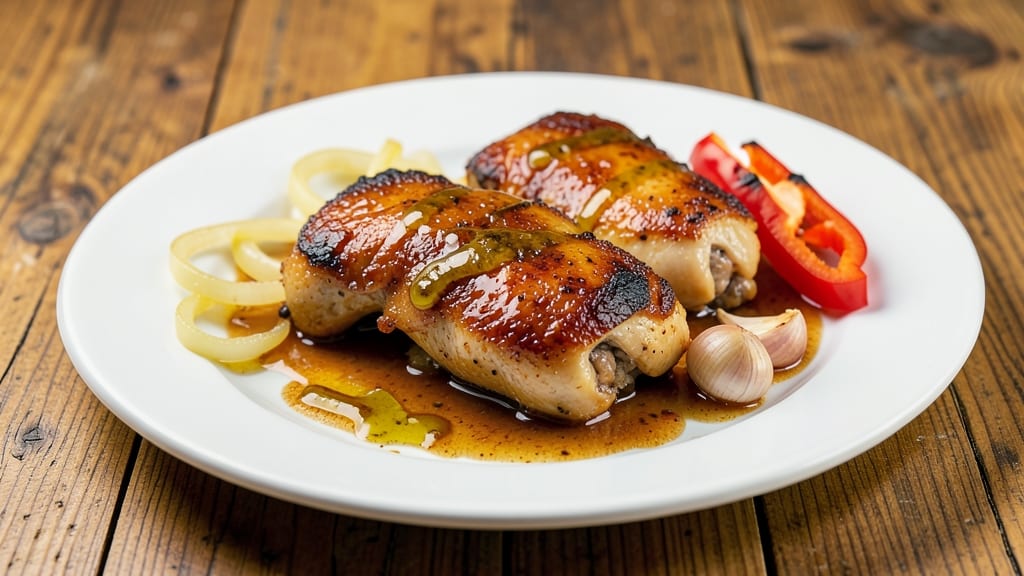
This Goya adobo chicken recipe brings bold Puerto Rican flavors to your kitchen with just one pan and minimal effort. The magic lies in Goya’s signature adobo sauce—tangy, slightly sweet, and packed with garlic and vinegar—that transforms simple chicken into a restaurant-worthy dish.
I’ve perfected this method over years of testing, ensuring the chicken stays juicy while absorbing all that rich, complex flavor.
The beauty of this recipe is its simplicity: no fancy techniques required, just a few pantry staples and about 45 minutes of active time. You’ll start with chicken thighs or drumsticks (their higher fat content keeps them moist), then simmer them in the adobo sauce until tender and caramelized.
The sauce thickens as it cooks, creating a sticky, flavorful glaze that clings perfectly to the meat.
What you’ll end up with is tender, fall-apart chicken swimming in a glossy, aromatic sauce that’s spicy-sweet and deeply satisfying. The aroma alone will have everyone gathering at the table—it’s that kind of dish. Serve it over steamed rice or with roasted plantains for the full Puerto Rican experience.
This recipe is foolproof for weeknight dinners, meal prep, or special occasions. The leftovers actually taste better the next day as the flavors meld even more. Let’s get cooking!
Ingredients for goya adobo chicken
Bold Puerto Rican flavors meet simple one-pan technique for restaurant-quality adobo chicken.
| Ingredient | Amount | Notes |
|---|---|---|
| Goya Adobo Sauce 🍋 | 1 ½ cups | Jarred, from Puerto Rican section |
| Chicken Thighs with Skin 🍗 | 1 ½ lb | Bone-in, skin-on preferred |
| Yellow Onion 🧅 | 1 whole | Thinly sliced, medium size |
| Garlic Cloves 🧄 | 6 cloves | Freshly minced, aromatic |
| Red Bell Pepper 🌶️ | 1 whole | Diced, medium size |
| Olive Oil 🫒 | ¼ cup | Extra-virgin, for searing |
| Chicken Broth 💧 | 1 cup | Low-sodium preferred |
| Brown Sugar 🍚 | 2 tbsp | Light or dark, granulated |
| Lime Juice 🍋 | 2 tbsp | Freshly squeezed, tart |
| Salt 🧂 | 1 ½ tsp | Diamond Crystal kosher |
| Black Pepper 🌶️ | ½ tsp | Freshly cracked, coarse |
| Bay Leaves 🌿 | 2 whole | Dried, aromatic |
The Goya adobo sauce is non-negotiable for authentic Puerto Rican flavor—opt for the jarred version from the Latin food aisle at Whole Foods or H-E-B. Look for the classic red label with vinegar, garlic, and spices prominently listed. For the chicken, bone-in thighs with skin deliver unmatched juiciness; avoid skinless cuts as they dry out during cooking. The yellow onion and red bell pepper should be fresh—wilted produce compromises the sauce's brightness.
No jarred adobo? Make your own by simmering 1 cup white vinegar, 4 minced garlic cloves, 1 tsp salt, and 1 tsp black pepper for 10 minutes, then strain. Substitute chicken broth with beef broth for deeper umami, or use coconut milk for a tropical twist. If you lack bay leaves, 1 tsp dried thyme provides similar depth. The brown sugar can be swapped for 1 tbsp molasses to enhance caramelization, though it alters the sweetness profile.
The chicken benefits from overnight marinating in the adobo sauce for maximum tenderness—cover and refrigerate for up to 12 hours. Store leftovers in an airtight container for 5 days in the fridge or freeze for 3 months without sacrificing texture. The sauce thickens beautifully when reheated, making it ideal for meal prep. For presentation, garnish with fresh cilantro and extra lime wedges, but add these only after cooking to preserve their vibrant flavor.
Why You'll Love This Recipe
- One-Pan Magic: This isn’t just a recipe—it’s a Dutch oven hug. You sear the skin-on chicken thighs, toss in the aromatics, and let the oven do the rest. No extra dishes, just one pan with crispy edges and juicy meat. Honestly, the only cleanup is wiping down that pot.
- Spicy-Sweet Perfection: The Goya Adobo Sauce brings that signature heat, but the brown sugar and lime juice? They’re like the cool, sweet hug for your taste buds. That crispy skin with the creamy center? Chef’s kiss. It’s the kind of dish where you’ll lick the plate clean.
- Leftover Lover’s Dream: Make it for dinner, and you’ve got breakfast and lunch covered. The chicken tastes even better the next day, and the sauce clings to everything like it’s glued on. Freeze half for a future lazy night—it reheats like it just left the oven.
- Budget-Friendly Feast: Chicken thighs are cheap, the adobo sauce is a pantry staple, and you’re using every part of the onion and bell pepper. It’s the kind of meal that stretches your dollars while still feeling like a splurge. Plus, it feeds a crowd without breaking the bank.
Step-by-step instructions for Goya adobo chicken
This method delivers tender, flavorful chicken with a rich, balanced adobo glaze in a single pan.
Sear the Chicken Thighs for Depth of Flavor
Pat the 1½ lb chicken thighs with skin completely dry with paper towels. Season both sides generously with 1½ tsp salt, ½ tsp black pepper, and let sit at room temperature for 15 minutes. This drying step is critical—it ensures the skin crisps properly rather than steaming.
Heat a large Dutch oven over medium-high heat and add ¼ cup olive oil. Once shimmering, add the chicken thighs skin-side down and sear undisturbed for 5-6 minutes until the skin is deep golden brown and crispy. Flip and repeat on the other side for another 5-6 minutes. Remove the chicken and set aside on a plate, leaving the rendered fat in the pan. This step develops the foundational Maillard reaction that carries the adobo flavors.
Build the Adobo Base with Aromatics
In the same Dutch oven, reduce heat to medium and add the 1 yellow onion, 6 minced garlic cloves, and 1 diced red bell pepper. Cook for 5 minutes, stirring occasionally, until the onions soften and the garlic becomes fragrant. Don't rush this step—the aromatics should caramelize slightly, deepening the flavor profile.
Add 1½ cups Goya Adobo Sauce and 1 cup chicken broth, scraping up any browned bits from the bottom of the pan. Stir in 2 bay leaves and bring to a gentle simmer. The sauce should reduce slightly, coating the bottom of the pan with a glossy layer. If it reduces too quickly, add 2 tbsp lime juice to balance the acidity and prevent over-reduction. This creates the perfect vehicle for the chicken's second cook.
Braise the Chicken Until Tender
Return the seared chicken thighs to the Dutch oven, skin-side up. Cover and transfer to a 350°F oven for 30 minutes. After this initial braising period, uncover and continue cooking for another 15 minutes until the chicken is fork-tender and the sauce has thickened into a glossy glaze.
Here's the thing—you'll know it's done when the chicken reaches an internal temperature of 165°F at the thickest part of the thigh. If the sauce thickens too much during cooking, add 1-2 tbsp water to maintain balance. The bay leaves should infuse subtle herbal notes into the sauce, so don't remove them until serving.
Finish with Sweet-Tart Balance
Remove the chicken from the oven and increase heat to medium-high. Stir in 2 tbsp brown sugar and simmer uncovered for 3-4 minutes until the sauce becomes syrupy and slightly caramelized. This step enhances the natural sweetness of the adobo while cutting through its spice with the sugar's depth.
Taste and adjust seasoning—you may need to add a splash more lime juice or a pinch of salt to achieve the perfect balance of spicy, sweet, and tangy. The chicken should be coated in this glossy sauce, with crispy skin that's still tender underneath. Serve immediately over rice or with crusty bread to soak up every last bit of that rich adobo glaze.
Pro Tips For Making Goya Adobo Chicken
- CRISP THE SKIN FIRST: I used to rush the sear, flipping too soon and ending up with sad, greasy skin instead of golden crunch. Let those thighs sit undisturbed for the full 5-6 minutes per side—even if the oil smokes a little—until the skin pulls away from the meat like a perfect shield. That’s when you know the Maillard reaction is working its magic.
- SAVE THE FLAVOR BITS: After searing, don’t wipe out the Dutch oven—leave that dark, sticky crust of caramelized chicken fat. When you add the onions, garlic, and bell pepper, scrape it all up with a wooden spoon. That’s where half the flavor hides, and skipping it means a duller sauce. (Yes, even if it looks gross.)
- DON’T OVERCOOK THE AROMATICS: The onions should soften but not turn to mush, and the garlic should smell like heaven—not burnt. If they start sticking or darkening too fast, lower the heat and give them a few extra minutes. Overcooked aromatics make the sauce taste bitter, and no one wants that fighting with the adobo’s spice.
- MARINATE FOR TENDERNESS (IF YOU’RE PATIENT): The recipe skips it, but if you’re prepping ahead, toss the raw chicken thighs in the adobo sauce, cover, and refrigerate overnight. The acid and spices break down the meat fibers, so the final braise turns them into melt-in-your-mouth perfection. Just don’t skip the sear afterward—crispy skin is non-negotiable.
Serving suggestions for this goya adobo chicken
Rice Pairings
Steamed white rice is the classic companion to Goya adobo chicken, soaking up every last drop of the glossy sauce. I like using jasmine rice for its delicate floral notes that complement the adobo’s tanginess.
For a heartier option, try long-grain brown rice cooked with 1 cup chicken broth instead of water—it adds texture and absorbs extra flavor. Serve the rice in a warm bowl alongside the chicken for a complete Puerto Rican meal. 🍚
Vegetable Sides
Roasted plantains are a must for authentic flavor—they caramelize beautifully with just 1 tbsp olive oil and a pinch of salt at 400°F for 15-20 minutes.
For a lighter option, sauté 1 cup sliced zucchini and ½ red bell pepper in the same pan used for the chicken (after removing the meat) with 1 tsp lime juice for a quick, vibrant side. Both sides cut through the richness while keeping the meal balanced. 🌱
Bread and Dippers
Crusty Puerto Rican tostones or even simple sourdough bread make perfect dippers for the adobo sauce. For a modern twist, try garlic naan or cornbread—both hold up well to the sauce’s moisture while adding a different texture contrast.
I always keep a small bowl of extra sauce on the side for dipping. 🍞
Fresh Garnishes
Finish your plate with fresh cilantro leaves and lime wedges for a bright, citrusy pop. Toss the cilantro gently over the chicken just before serving, and let everyone squeeze their own lime for that extra zing.
If you have diced avocado on hand, add it right before eating to prevent browning—it pairs beautifully with the sweet-spicy sauce. 🍋
Meal Prep Plating
For meal prep, divide the chicken and sauce among glass containers and layer with rice or plantains. Top with a sprinkle of flaky sea salt and a drizzle of extra sauce before sealing.
When reheating, add 1 tablespoon water to the container to prevent drying. The flavors actually improve over time as the sauce thickens further. 💡
Nutrition facts
Frequently asked questions
Why does this recipe use bone-in chicken thighs?
Bone-in chicken thighs stay juicier and more flavorful during cooking because the bone acts as a natural insulator. The skin-on version also crisps beautifully when seared, adding texture contrast to the tender meat. For even deeper flavor, let the chicken marinate in the adobo sauce overnight before cooking—this step is optional but transforms the dish!
Can I substitute chicken thighs with another cut?
You can use chicken drumsticks or even boneless breasts, but bone-in thighs are ideal. For breasts, reduce the cooking time by 5-10 minutes to avoid drying. If using drumsticks, increase the oven time by 5 minutes to ensure tenderness. The key is maintaining moisture—adjust times based on your cut!
What if my adobo sauce thickens too quickly during cooking?
Simply add 1-2 tablespoons of water to thin it out. The sauce should coat the chicken but not be too syrupy. If it thickens after removing from the oven, stir in a splash of lime juice to balance the flavors. This dish forgives minor adjustments—taste as you go!
How do I reheat leftovers without drying out the chicken?
Place the chicken and sauce in a glass baking dish and cover tightly with foil. Heat in a 350°F oven for 15-20 minutes, stirring once. Alternatively, use a microwave on low power with a damp paper towel over the dish to retain moisture. The sauce will thicken beautifully!