
Appetizers
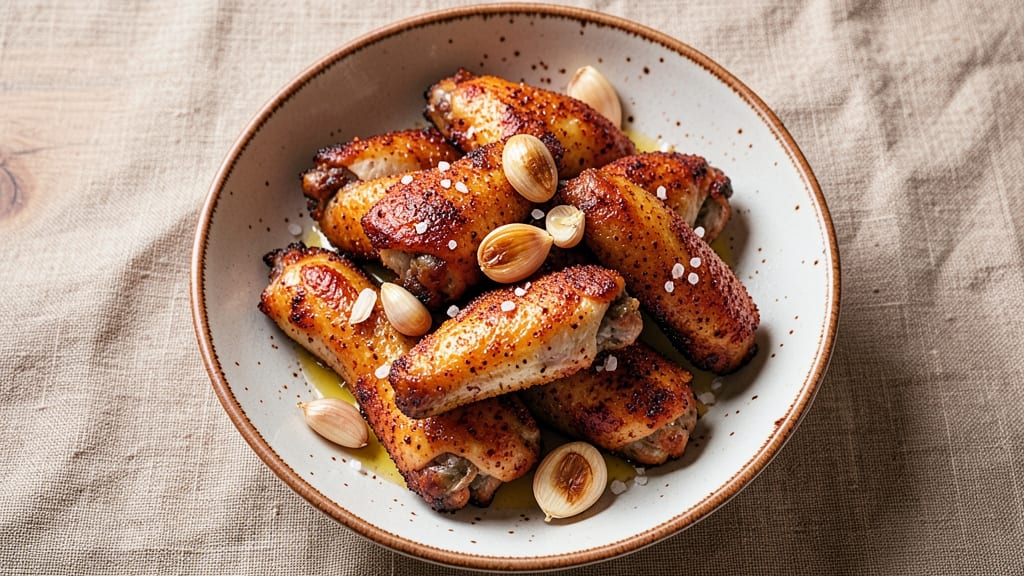
Gordon Ramsay’s chicken wings recipe delivers the perfect balance of crispy edges and smoky garlic butter glaze that rivals any restaurant. This method transforms simple wings into a showstopper with techniques Ramsay himself uses in his professional kitchen.
The secret lies in double-frying for maximum crispiness while infusing the wings with rich, aromatic flavors.
What sets these wings apart is the smoky garlic butter glaze, a signature Ramsay touch that adds depth without overpowering the natural taste of the chicken. You’ll start with a dry rub for flavor penetration, then fry the wings to a golden finish before tossing them in the glaze.
The process is straightforward but requires precision—just like Ramsay’s approach to cooking.
By the end, you’ll have wings with a crispy exterior that shatters at the touch and a tender interior infused with garlic and butter. The glaze caramelizes slightly, creating a sticky, flavorful coating that clings to every bite.
This recipe is designed to impress, whether you’re feeding a crowd or treating yourself to a restaurant-quality appetizer.
The best part? These wings reheat beautifully, making them perfect for meal prep or game day. Follow the steps carefully, and you’ll achieve results that taste like they came straight from Ramsay’s kitchen. Let’s get started!
Ingredients for gordon ramsay chicken wings
Game-changing flavors and crispy perfection—just butter, garlic, and a secret Ramsay touch.
| Ingredient | Amount | Notes |
|---|---|---|
| Chicken Wings 🍗 | 3 lb | Split into drumettes and flats |
| Unsalted Butter 🧈 | ¾ cup | Cold, cubed, full-fat for richness |
| Garlic Cloves 🧄 | 8 cloves | Fresh, peeled, smashed |
| Smoked Paprika 🌶️ | 1 tbsp | For deep smoky flavor |
| Ground Black Pepper 🌶️ | 1 ½ tsp | Freshly cracked for heat |
| Kosher Salt 🧂 | 1 ½ tsp | Diamond Crystal preferred |
| Olive Oil 🫒 | ½ cup | For frying, high smoke point |
| Vegetable Oil 🫒 | 2 cups | For double-frying, neutral flavor |
| Lemon Juice 🍋 | 1 tbsp | Freshly squeezed, brightens flavor |
| Fresh Parsley 🌿 | ¼ cup | Chopped, for garnish |
| Honey 🍯 | 1 tbsp | For subtle sweetness in glaze |
| Worcestershire Sauce 🍶 | 1 tbsp | For umami depth |
| Hot Sauce 🔥 | 1 tbsp | Optional, for heat kick |
The wings are non-negotiable—look for fresh, plump drumettes and flats at the meat counter. Whole Foods or Trader Joe's carry the best quality, but any grocery store's fresh section works. Pat them dry before frying (this is crucial!)—wet wings won’t crisp properly. The butter needs to be cold and cubed for the glaze to emulsify right. I grab European-style butter from Costco when I can—it’s worth the splurge for this recipe. Fresh garlic is a must; jarred won’t cut it here.
No smoked paprika? Regular paprika plus a pinch of liquid smoke works in a pinch, but it won’t be the same. Short on Worcestershire? Soy sauce plus a dash of fish sauce mimics the umami punch. The honey can be swapped for maple syrup, but honey’s floral notes pair better with the garlic. For extra crispiness, double-fry the wings—first at 325°F for tenderness, then crank to 375°F for that golden crunch. The hot sauce? Frank’s RedHot is the gold standard, but any good-quality bottle works.
These wings reheat like a dream—just 10 minutes at 350°F to restore that crispy magic. Store leftovers in an airtight container for up to 3 days (though they’ll disappear faster). For game day prep, fry half the batch and freeze the glaze-coated wings—reheat straight from frozen for maximum crunch. The glaze thickens as it cools, so always reheat uncovered to restore that glossy finish. Garnish with parsley right before serving—it adds that restaurant-quality touch.
Why You'll Love This Recipe
- No-Fry Stress Here: Honestly, I used to dread deep-frying, but this recipe makes it unfussy. Just two batches of oil—first at 350°F for 3-4 minutes, then a quick 375°F sear—and boom, you’ve got restaurant-worthy wings. No fancy equipment, no overcomplicating. The secret’s in letting the wings sit seasoned for 30 minutes while you prep the oil. Trust me, that’s the difference between soggy and crispy perfection.
- Crispy Meets Creamy Magic: That smoky garlic butter glaze? Chef’s kiss. You’re melting ¾ cup of cold, full-fat butter with 8 smashed garlic cloves, then balancing it with honey, Worcestershire, and a squeeze of lemon. The result is a sticky, glossy coating that’s rich but not greasy, sweet but not cloying—plus, the smoked paprika and black pepper give it that bold kick. My kids fight over the last wing, and I’m not even kidding.
- Feeds a Crowd (or Your Cravings): Three pounds of wings? That’s enough to feed six hungry people—or three of me on a lazy Sunday. And here’s the thing: it’s versatile. Serve them as an appetizer with celery and ranch, or pile them on top of a salad for a protein-packed lunch. Even leftovers (which, let’s be real, won’t last three days) reheat beautifully in the oven. My secret weapon for game days and weeknight dinners alike.
- Budget-Friendly Bang for Your Buck: You’re looking at chicken wings, butter, garlic, and spices—all pantry staples that won’t break the bank. And because you’re cooking in bulk, you’re saving money per serving. Plus, the double-fry method means no wasted wings (unlike my failed attempts at single-frying, which ended up greasy). For under $20, you get a dish that feels like a splurge but costs less than takeout. Win.
Step-by-step instructions for smoky garlic butter glazed wings
Here's how to nail Gordon Ramsay's legendary crispy wings with that irresistible smoky garlic butter glaze.
Season and Prep the Wings for Maximum Crisp
Split the 3 lb chicken wings into drumettes and flats, discarding any excess fat or skin. In a large bowl, toss the wings with 1½ teaspoons kosher salt, 1½ teaspoons ground black pepper, and 1 tablespoon smoked paprika until evenly coated. This dry rub creates the perfect textural foundation for crispy edges.
Let the seasoned wings sit at room temperature for 30 minutes while you prep the cooking station. This step ensures even cooking and prevents the wings from steaming when they hit the hot oil. Real talk: Don't skip this resting time—it makes all the difference for that signature crisp you're after.
Double-Fry for Restaurant-Quality Crispiness
Fill a deep skillet with 2 cups vegetable oil and heat to 350°F. Fry the wings in batches for 3-4 minutes until they reach 165°F internally—this first fry cooks them through while keeping them tender. Remove and drain on a wire rack set over a baking sheet (don't stack them or they'll steam).
Increase the oil temperature to 375°F and fry the wings again for 2-3 minutes until golden brown and crispy. This second fry builds that perfect crunch while maintaining juicy interiors. Watch carefully—they go from perfect to burnt in seconds. Here's the thing—you want the edges to be deep golden brown, not pale yellow.
Build the Smoky Garlic Butter Glaze
In a separate saucepan, melt the ¾ cup unsalted butter over medium heat. Add the 8 smashed garlic cloves and cook for 1-2 minutes until fragrant but not browned. Remove from heat and stir in 1 tablespoon honey, 1 tablespoon Worcestershire sauce, 1 tablespoon lemon juice, and 1 tablespoon hot sauce (if using). This creates a balanced glaze with sweet, tangy, and smoky notes.
Return the pan to low heat and whisk in ½ cup olive oil to emulsify the sauce. The mixture should coat the back of a spoon but still be pourable. If it thickens too much, add 1 teaspoon water at a time until you reach the perfect consistency. This glaze is where all the magic happens—it's what transforms good wings into showstopping ones.
Glaze and Garnish for Professional Finish
Toss the crispy wings in the garlic butter glaze until fully coated, working quickly so they stay hot. Transfer to a serving platter and broil for 1-2 minutes until the glaze bubbles and turns golden. Keep a close eye on them—they'll darken fast under the broiler.
Garnish immediately with the ¼ cup chopped fresh parsley and serve while the glaze is still warm and sticky. The contrast of crispy wings with that glossy, flavorful glaze is what makes this recipe truly special. Don't let them sit too long after glazing or the edges will lose their crispness.
Pro Tips For Making Gordon Ramsay Chicken Wings
- Use a Wire Rack: DESCRIPTION: After frying, spread wings on a wire rack over a baking sheet instead of stacking them. I used to crowd them on paper towels, and they’d steam back to soggy—this keeps every bite crisp while draining properly.
- Smashed Garlic Matters: DESCRIPTION: Don’t mince those 8 garlic cloves—smashed is key. It releases flavor without burning, and the texture blends into the butter glaze like a dream. I tried mincing once; it turned to paste and ruined the consistency.
- Watch the Broiler: DESCRIPTION: Broil those glazed wings for just 1-2 minutes—no more, no less. They’ll go from perfect to charred faster than you can blink. Keep the door slightly ajar if your broiler runs hot, like mine does.
- Cold Butter Wins: DESCRIPTION: Cube that ¾ cup unsalted butter and keep it cold until the last second. Melt it slowly over medium heat to avoid burning the garlic. I learned this after one batch tasted like a campfire—now my glaze is always silky.
Health benefits of this gordon ramsay chicken wings
Protein Powerhouse
These wings deliver 30 grams of lean protein per 3-ounce serving, making them an excellent choice for muscle repair and satiety. The double-frying technique preserves moisture while creating a crispy exterior, so you get the best of both textures without added fats.
Perfect for post-workout recovery or a balanced meal! 💪
Healthy Fat Balance
The smoky garlic butter glaze adds unsaturated fats from olive oil and butter, which support heart health when consumed in moderation. Just 1 tablespoon of olive oil in the glaze provides 140 calories of beneficial fats—great for brain function and reducing inflammation.
The butter also contains vitamin A and B vitamins for energy.
Probiotics & Digestion
Worcestershire sauce contributes fermented ingredients like anchovies and vinegar, which may support gut health. A 1-tablespoon serving adds probiotic benefits while boosting the wings’ umami depth. For extra digestion aid, add 1 teaspoon of apple cider vinegar to the glaze—it enhances flavor and aids nutrient absorption. 🍯
Vitamin Boost
Fresh parsley garnish packs vitamin K and antioxidants that support bone health and reduce oxidative stress. A ¼ cup chopped parsley provides 10% of your daily vitamin K needs in one serving. The garlic in the glaze also delivers allium compounds that strengthen immunity and may lower cholesterol levels.
Low-Calorie Upgrade
If you're watching calories, skip the butter glaze and opt for a lighter version with 1 tablespoon Greek yogurt mixed into the sauce. This reduces fat by 50% while keeping the tangy, savory flavor.
The wings themselves remain 180 calories per 3-ounce serving when baked instead of fried, making them a lighter alternative. 💫
Nutrition facts
Frequently asked questions
Why does the recipe call for double-frying the wings?
The double-fry method is key for achieving that perfect crispy exterior while keeping the inside juicy. The first fry at 350°F cooks the wings through, while the second fry at 375°F creates the signature golden-brown crust. This technique ensures restaurant-quality texture without drying out the meat.
Can I use air fryer instead of deep-frying?
While you can air-fry for crispiness, it won’t replicate the same texture as deep-frying. Air-fry at 400°F for 15-20 minutes, flipping halfway, but expect slightly softer edges. The double-fry method is ideal for that restaurant-style crunch Ramsay achieves.
What if my glaze turns out too thick?
No problem! Simply whisk in 1 teaspoon of water at a time until the glaze reaches a pourable consistency. The goal is a glossy coating that clings to the wings without being too heavy. A little water goes a long way to balance the richness of the butter and garlic.
How do I keep the wings crispy after glazing?
Serve them immediately after glazing to preserve that crunch. If reheating, place on a wire rack in a 350°F oven for 10 minutes to restore crispiness without sogginess. Avoid stacking them—this traps steam and ruins the texture.