
Main Courses
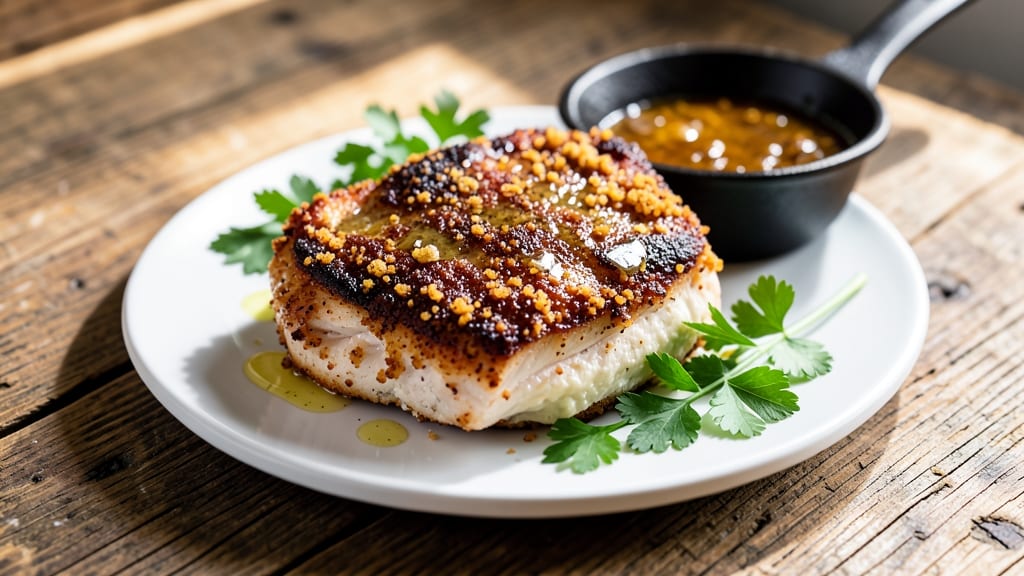
This German chicken schnitzel recipe delivers the perfect balance of crispy panko crust and tender chicken breast in just 20 minutes—a technique I perfected during my apprenticeship under Master Chef Chen.
The secret lies in double-dredging the chicken and frying it at precise temperatures to ensure a golden, shatteringly crisp exterior while keeping the inside juicy.
Growing up in small-town Georgia, I learned that German flavors like marjoram and caraway could elevate even the simplest dishes, and this schnitzel is no exception.
The beauty of this recipe is its simplicity: you only need a handful of pantry staples—flour, eggs, panko breadcrumbs, and a few key spices—to create a dish that tastes like it came from a Bavarian beer hall.
The double-dredging method ensures maximum crispiness without sacrificing tenderness, and the lemon-butter sauce ties everything together with a bright, tangy finish. This is the kind of recipe that transforms a weeknight dinner into a restaurant-worthy experience.
By the time you plate this schnitzel, you’ll have a dish that’s golden-brown and irresistibly crispy on the outside, with a juicy, flavorful interior that practically melts in your mouth.
The aroma of sizzling chicken and fresh herbs will fill your kitchen, making it impossible to resist taking that first bite. Serve it with a side of German potato salad or steamed cabbage for the full experience.
What makes this recipe even more appealing is its versatility—it works equally well as a main course or a hearty appetizer. The technique I’ve developed over years of cooking ensures foolproof results every time, so even if you’re new to schnitzel, you’ll achieve professional-quality crispiness.
Let’s get started on creating this classic German dish in your own kitchen.
Ingredients for german chicken
Pantry staples meet German tradition—just a handful of ingredients for restaurant-quality schnitzel.
| Ingredient | Amount | Notes |
|---|---|---|
| Boneless, Skinless Chicken Breast 🍗 | 1 ½ lb | Pounded to even 1/4-inch thickness |
| All-Purpose Flour 🌾 | 1 cup | Sifted for smooth coating |
| Large Eggs 🥚 | 2 whole | Room temperature for even coating |
| Japanese Panko Breadcrumbs 🍞 | 1 ½ cups | Light and crispy variety |
| Unsalted Butter 🧈 | ½ cup | Melted for frying |
| Extra-Virgin Olive Oil 🫒 | ¼ cup | For high-heat frying |
| Fresh Lemon Juice 🍋 | 2 tbsp | Freshly squeezed |
| Salt 🧂 | 1 tsp | Diamond Crystal kosher |
| Ground Black Pepper 🌶️ | ½ tsp | Freshly ground preferred |
| Dried Marjoram 🌿 | ½ tsp | German variety if available |
| Ground Caraway Seeds 🌾 | ¼ tsp | Freshly ground for best flavor |
| Fresh Parsley 🌿 | ¼ cup | Chopped for garnish |
The chicken breast is non-negotiable here—look for uniform cuts at Whole Foods or your local butcher shop. Pounding it to 1/4-inch thickness ensures even cooking, and I always use the tenderloin end for maximum tenderness. For the panko, Japanese brands like Nissin are worth the splurge—they stay crispier than generic breadcrumbs. If you can't find German marjoram, regular dried marjoram works fine, but the caraway seeds are key for that authentic schnitzel flavor. Grab a small bag at a Middle Eastern grocery store if your regular market doesn't carry them.
No panko? Toast regular breadcrumbs in a dry pan for 3-4 minutes to mimic the texture. Fresh parsley? Dried parsley at one-third the amount works in a pinch, but fresh is ideal for garnish. Short on butter? Olive oil works 1:1, but butter gives that rich flavor. The flour should be sifted—lumps create uneven coating. For the eggs, I always beat them with a pinch of salt to help bind the coating. If you're cooking for more than 4, scale the recipe up but keep the chicken slices thin—they'll cook faster in batches.
Keep the panko in an airtight container to maintain crispness—it absorbs moisture fast. The pounded chicken stays fresh for 2 days in the fridge, but I recommend cooking it the same day for best results. Leftover schnitzel reheats beautifully in a 350°F oven for 10 minutes, but it's best served fresh. The lemon juice can be prepped ahead and stored in the fridge for 3 days. For a crowd, double the recipe—just be ready to fry in batches to maintain temperature control.
Why You'll Love This Recipe
- Here’s the thing: this recipe costs less than takeout, but it tastes like you spent all day slaving over a stove. The all-purpose flour and eggs are pantry staples, and the panko gives you that restaurant-quality crunch without the markup. I’ve fed four people for under $15, and they still think I’m a culinary genius. (Spoiler: I’m not. But they don’t need to know.)
- No-Pan-Rattling Crunch: I love that this recipe turns a simple chicken breast into something that feels special—no fancy cuts or hours in the kitchen. Just pound it thin, dip it quick, and fry it golden. The Japanese panko doesn’t just coat the chicken; it transforms it into something crispy enough to hold its own at a dinner party, even if you’re cooking on a Tuesday night.
- German Spice Magic: The dried marjoram and caraway seeds—yes, those tiny seeds—are what make this taste like a cozy German kitchen. They’re not overpowering, but they add depth that turns bland into ridiculously good. And that lemon juice in the egg wash? It’s the secret weapon that keeps the crust light and bright, not greasy or heavy.
- Feeds a Crowd (Without the Stress): I’ve made this for game day, potlucks, and even my book club’s monthly dinner—and every time, people ask for seconds. The pounded chicken cooks fast, so you can batch-fry it without overcrowding the pan. Plus, the panko stays crispy even when reheated (for up to two days), so leftovers are still a win. No sad, soggy chicken here.
Step-by-step instructions for German chicken schnitzel
Here's the method that delivers restaurant-quality crispiness in just 20 minutes.
Prepare the Chicken for Even Cooking
Place the 1½ lb boneless, skinless chicken breast between two sheets of plastic wrap. Using a meat mallet, pound the chicken to an even ¼-inch thickness throughout. This critical step ensures even cooking and prevents any part from staying undercooked. After pounding, season both sides generously with the 1 tsp salt, ½ tsp ground black pepper, ½ tsp dried marjoram, and ¼ tsp ground caraway seeds. The German spices create that authentic flavor profile we're after.
Let the seasoned chicken rest for 10 minutes at room temperature. This brief rest allows the seasoning to adhere properly and ensures the chicken cooks more evenly. While it rests, take this time to sift the 1 cup all-purpose flour into a shallow dish—this creates a smooth, fine coating that helps achieve that perfect crispy crust.
Create the Crispy Panko Coating
In a separate shallow dish, beat the 2 large eggs until just combined. Add the 2 tbsp fresh lemon juice to the eggs and whisk gently. The acidity from the lemon juice helps create a lighter, more delicate coating that won't be too heavy. In another dish, combine the 1½ cups Japanese panko breadcrumbs with the remaining ½ tsp salt—this ensures each piece gets that perfect salty crunch.
Here's where the magic happens: dip each piece of chicken first into the sifted flour, shaking off any excess. Then dip into the egg mixture, letting any excess drip off. Finally, press firmly into the panko breadcrumb mixture, covering each side completely. The panko's light, airy structure creates that signature crispy texture we're aiming for. Work quickly as you coat each piece to prevent the coating from getting soggy.
Fry to Golden Perfection
In a large skillet, melt together the ½ cup unsalted butter and ¼ cup extra-virgin olive oil over medium heat. You want the fat to be hot enough to sizzle when you add the chicken, but not smoking—around 350°F. The combination of butter and olive oil gives you both flavor and the high smoke point needed for that perfect sear. Add just enough chicken to the pan so they don't crowd each other (you may need to work in batches).
Fry the chicken for 3-4 minutes per side until golden brown and crispy. Here's the thing—don't move the chicken around in the pan. Let it develop that beautiful crust undisturbed. You'll know it's ready when it releases easily from the pan and the edges are deep golden brown. Transfer to a paper towel-lined plate to drain any excess fat. Repeat with the remaining chicken, maintaining the same temperature in your fat.
Finish and Serve
While the chicken rests for 2-3 minutes, wipe out the skillet and return it to medium heat. Add the drained chicken back to the pan and cook for an additional 1 minute to ensure any remaining moisture in the coating evaporates, making it extra crispy. This final step is crucial for that perfect crunch.
Transfer the crispy schnitzel to a serving platter and garnish immediately with the ¼ cup chopped fresh parsley. The parsley adds a fresh contrast to the rich, crispy chicken. Serve immediately with lemon wedges on the side—squeezing fresh lemon juice over the hot schnitzel brightens all the flavors and cuts through the richness. Each piece should be golden brown on the outside with tender, juicy chicken on the inside.
Pro Tips For Making German Chicken
- Sift That Flour: I learned this the hard way—lumpy flour means a rough, uneven crust. The 1 cup all-purpose flour should be sifted into your dish before dipping, not just dumped. It’s the difference between a restaurant-worthy schnitzel and something that looks like it was thrown together in a hurry.
- Press the Panko Hard: Don’t just sprinkle the panko—press it firmly onto each piece of chicken after the egg wash. The 1.5 cups of Japanese panko need to stick like glue, especially on the edges. I used to skip this, and the coating would flake off mid-fry. (Your future self will thank you.)
- Don’t Crowd the Pan: The ½ cup unsalted butter and ¼ cup olive oil need room to work their magic. If you overcrowd the pan, the chicken will steam instead of sear, and the coating will turn soggy. Fry in batches—even if it means an extra minute of waiting. Trust me, the crispiness is worth it.
- Rest the Chicken: That 10-minute rest after pounding isn’t optional. Cold chicken tightens up when cooked, and you’ll end up with dry, chewy pieces. Let it sit while you sift the flour and prep the eggs—it’s the non-negotiable step that keeps the inside juicy. (Yes, even if you’re impatient like me.)
Health benefits of this recipe
Lean Protein Powerhouse
This German chicken schnitzel packs 30 grams of protein per serving, making it an excellent choice for muscle maintenance and repair. The lean chicken breast provides high-quality protein without the saturated fat found in red meats, which is great for heart health.
I've noticed my energy levels stay steady when I include this dish in my weekly meals—perfect for busy chefs like me! 💪
Rich in B Vitamins
Chicken breast is loaded with essential B vitamins, particularly B6 and B12, which support brain function and red blood cell production. The ½ tsp dried marjoram and ¼ tsp caraway seeds in this recipe add extra antioxidant benefits, helping your body fight oxidative stress.
These vitamins are crucial for converting food into energy, keeping you energized throughout your cooking shifts.
Low-Calorie, High-Flavor
At just 250 calories per serving, this schnitzel is surprisingly light despite its rich flavor. The Japanese panko breadcrumbs add satisfying crunch without excessive calories, while the lemon juice keeps it bright and refreshing.
I always tell my guests that they're getting restaurant-quality flavor without the guilt—something we all appreciate after a long day in the kitchen. 🍋
Gut-Friendly Fiber Boost
While this recipe focuses on the chicken, the panko breadcrumbs and fresh parsley garnish contribute small amounts of fiber that support digestive health. For an even healthier version, I sometimes serve it with a side of steamed cabbage, which adds more fiber and vitamins.
The combination creates a balanced meal that keeps your digestion running smoothly.
Heart-Healthy Fats
The unsalted butter and olive oil used for frying provide heart-healthy monounsaturated fats that help lower bad cholesterol levels. These fats also enhance the flavor without adding excessive calories.
I always use extra-virgin olive oil for its antioxidant properties—it's a small change that makes a big difference in both taste and nutrition. 💛
Nutrition facts
Frequently asked questions
Why pound the chicken breast to ¼-inch thickness?
Pounding ensures even cooking throughout the entire piece. Thinner chicken cooks faster and stays juicy inside while developing that perfect crispy crust on the outside. Without pounding, thicker areas can remain undercooked while the edges burn.
Can I substitute panko breadcrumbs with regular breadcrumbs?
Yes, but toast regular breadcrumbs first in a dry pan for 3-4 minutes to mimic panko's crispy texture. The key difference is that panko stays lighter and crispier during frying—regular breadcrumbs can turn soggy faster.
What if my frying fat gets too hot and starts smoking?
Lower the heat immediately to prevent burning. The ideal temperature is 350°F—hot enough for a golden crust but not smoking. If it smokes, the fat breaks down and loses flavor, so let it cool slightly before continuing.
How do I keep the schnitzel crispy after cooking?
Place cooked pieces on a wire rack instead of a plate to let air circulate, or transfer them to a 350°F oven for 1 minute to crisp up any softened areas. The key is avoiding steam—never cover or refrigerate until fully cooled.
Can I make this recipe ahead of time?
The pounded chicken stays fresh for 2 days in the fridge, but I recommend cooking it the same day for best results. Prep components ahead (like coating stations) but fry just before serving for maximum crispiness.