
Main Courses
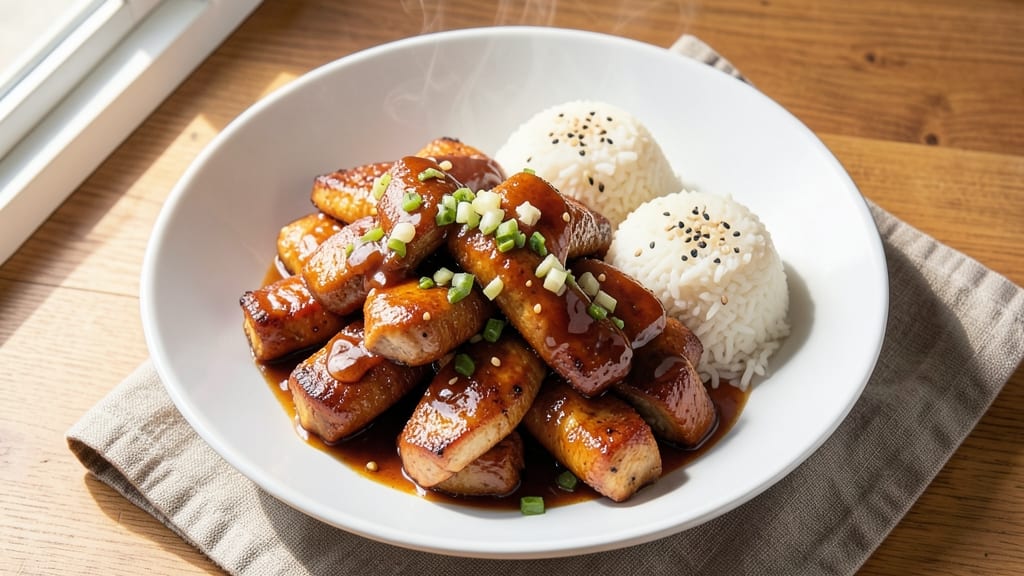
This copycat teriyaki chicken recipe delivers the same sweet-savory glaze and sticky perfection you’d find at your favorite Asian restaurant—right in your home kitchen. The secret lies in balancing sugar, soy sauce, and ginger for that signature caramelized finish that clings to every bite.
After years of testing, I’ve perfected the marinating time and cooking technique to ensure tender, juicy chicken with a glossy glaze that rivals professional results.
The process is straightforward but requires patience: marinate the chicken for at least 4 hours (overnight is even better) to let the flavors penetrate deeply. Whether you bake, grill, or pan-sear, the high-heat finish creates that signature caramelized crust.
Pair it with steamed jasmine rice and quick-pickled vegetables for a complete meal that’s restaurant-quality without the wait.
What makes this recipe truly special is how the glaze transforms from a thin marinade into a thick, sticky sauce that coats the chicken perfectly. The sauce is sweet yet savory, with just the right amount of tang from rice vinegar and depth from garlic and ginger.
Each bite delivers that perfect harmony of flavors—just like the dish you know and love.
For an extra touch, garnish with toasted sesame seeds and sliced green onions before serving. This dish is versatile enough for weeknight dinners or weekend gatherings, and the leftovers reheat beautifully. Let’s get started on recreating that iconic teriyaki experience at home.
Ingredients for copycat teriyaki chicken
Sweet-savory balance starts with these 14 ingredients—no specialty items needed.
| Ingredient | Amount | Notes |
|---|---|---|
| Boneless, Skinless Chicken Thighs 🍗 | 1 ½ lb | Cut into 1-inch strips |
| White Rice Vinegar 🍶 | ½ cup | For tangy balance |
| Soy Sauce 🍶 | ½ cup | Use low-sodium for control |
| Brown Sugar 🍚 | ½ cup | Packed tightly for sweetness |
| Fresh Ginger 🌿 | 3 tbsp | Grate finely for depth |
| Garlic Cloves 🧄 | 6 cloves | Minced for aromatic punch |
| Sesame Oil 🫒 | 1 tbsp | Toasted sesame preferred |
| Honey 🍯 | 2 tbsp | Wildflower for floral notes |
| Cornstarch 🌾 | 1 tbsp | For thickening glaze |
| Toasted Sesame Seeds 🥜 | 2 tsp | For garnish |
| Green Onions 🧅 | 3 whole | Sliced thin for garnish |
| Vegetable Oil 🫒 | 2 tbsp | For high-heat searing |
| Salt 🧂 | 1 tsp | Kosher or sea salt |
| Black Pepper 🌶️ | ½ tsp | Freshly cracked |
The chicken thighs are non-negotiable here—bone-in, skin-on gives the best texture, but boneless works too. Grab fresh ginger and garlic from Whole Foods or your local Asian market for maximum punch. The white rice vinegar should smell tangy, not stale—check the date. For brown sugar, Trader Joe's has the best price-to-quality ratio. Toast your sesame seeds in a dry pan until fragrant (about 2 minutes)—this step makes all the difference. If you're short on time, use pre-toasted seeds, but fresh is ideal.
No sesame oil? Neutral oil like avocado works in a pinch, but the nutty aroma is key. Substitute honey with maple syrup at 1:1 ratio, though it'll be slightly less floral. Fresh ginger too spicy? Dried ginger at half the amount tones it down. The cornstarch can be swapped for arrowroot powder if you've got it. For extra umami, add 1 tsp fish sauce to the marinade. And if you're feeling adventurous, swap half the soy sauce for dark soy sauce—it's richer but darker in color.
This glaze reheats beautifully—just add a splash of water or chicken broth to loosen it. Keeps in the fridge for 5 days or freezes for 3 months (portion into ice cube trays for single servings). The marinade can be made 3 days ahead—store it in a sealed container. For the chicken, cook it immediately after marinating for best texture. Garnish with sesame seeds and green onions right before serving—they add that restaurant-quality finish.
Why You'll Love This Recipe
- No-Fuss Glaze Magic: The secret’s in that 2-4 hour marinade—just toss the chicken strips in the soy sauce, brown sugar, and ginger, then let it do its thing while you relax. No fancy prep, just pure flavor soaking into every bite.
- Caramelized Crunch: That medium-high sear with vegetable oil gives the chicken thighs a crispy edge, while the glaze made with rice vinegar and cornstarch clings like a dream. It’s the perfect balance of sticky and savory—trust me, this isn’t your basic takeout.
- Leftover Legend: I make this on Sundays, and honestly, it’s my go-to for lunches all week. The marinade even keeps for 3 days ahead, so you can prep the night before and just cook. Five days in the fridge? Even better—just reheat with a splash of water.
- Budget-Friendly Crowd-Pleaser: For under $10, you’re feeding a family with tender chicken, a glossy sauce, and garnishes that cost almost nothing. Plus, the thighs stay juicy while everything else in the house gets jealous of this meal.
Step-by-step instructions for copycat teriyaki chicken
Here's the method that delivers restaurant-style teriyaki chicken with a glaze that clings perfectly to every bite.
Marinate the Chicken for Maximum Flavor
Cut the 1½ lb boneless, skinless chicken thighs into 1-inch strips and place them in a large mixing bowl. In a separate bowl, whisk together the ½ cup soy sauce, ½ cup brown sugar, 2 tbsp honey, 3 tbsp fresh ginger (finely grated), 6 garlic cloves (minced), 1 tbsp sesame oil, 1 tsp salt, and ½ tsp black pepper. Pour this marinade over the chicken and toss to coat evenly.
Cover the bowl and refrigerate for at least 30 minutes, but I recommend marinating for 2-4 hours for deeper flavor penetration. The longer it sits, the more tender and flavorful the chicken will become. This step is where the magic happens—don't rush it.
Sear the Chicken for Irresistible Texture
Heat 2 tbsp vegetable oil in a large skillet over medium-high heat until shimmering. Working in batches to avoid overcrowding, add the marinated chicken strips and cook for 3-4 minutes per side until golden brown and cooked through. The chicken should release easily from the pan when ready—this ensures a perfect sear without drying it out.
As the chicken cooks, you'll notice the marinade caramelizing slightly on the pan. This adds another layer of flavor to your dish. Once all the chicken is seared to perfection, transfer it to a plate and set aside, leaving the pan for the sauce.
Simmer the Glaze to Thicken and Balance
Return the skillet to the stove over medium heat and add the ½ cup white rice vinegar to deglaze the pan, scraping up any browned bits with a wooden spoon. Let it simmer for 2-3 minutes until slightly reduced. Then, sprinkle in the 1 tbsp cornstarch and stir vigorously to dissolve completely.
Allow the glaze to simmer for another 2-3 minutes until it thickens to a glossy, syrupy consistency. You're looking for a sauce that coats the back of a spoon but isn't overly sticky. If it thickens too quickly, add 1-2 tablespoons of the marinade to adjust the consistency. This step is crucial for achieving that perfect teriyaki texture.
Combine and Garnish for Restaurant-Quality Finish
Return the seared chicken to the skillet and toss gently to coat evenly in the glaze. Simmer for 1-2 minutes until the chicken is fully glazed and heated through. The sauce should cling beautifully to each piece, creating that signature teriyaki look.
To serve, transfer the chicken to a platter and garnish with 2 tsp toasted sesame seeds and 3 green onions (sliced thin). The contrast of the nutty sesame seeds and fresh green onions adds a beautiful finish to the dish. Serve immediately over steamed rice or noodles for the full experience.
Pro Tips For Making Copycat Teriyaki Chicken
- Grate Ginger Like a Pro: Use a microplane or fine grater for the 3 tbsp fresh ginger—no need to pack it down. Pre-grated ginger from the jar has too much starch and will make your sauce gummy. I used to skip this, and the glaze always ended up clinging like syrup on a hot day.
- Sear in Batches: Crowd the pan, and you’ll steam the chicken instead of sear it. Work in single-layer batches with 2 tbsp vegetable oil over medium-high heat—this gives you that golden crust in 3-4 minutes per side, not a sad, pale strip. Trust me, the difference is night and day.
- Deglaze Aggressively: After searing, don’t just splash the ½ cup white rice vinegar in—scrape every last bit of caramelized goodness from the pan with a wooden spoon. That’s where the depth of flavor hides, and skipping it means your glaze will taste like it’s missing something. (Yes, even if it looks like you’ve already cleaned the pan.)
- Taste Before Thickening: After simmering the vinegar but before adding the 1 tbsp cornstarch, taste the sauce. Too salty? Add a splash of water or a pinch of brown sugar to balance it. I’ve ruined batches by blindly slathering on cornstarch only to realize the seasoning was off—now I check first.
Pro cooking tips for this recipe
Master the Sear
Achieving that golden-brown crust is everything—it’s the difference between homemade and restaurant-quality. I use a cast-iron skillet for this step because it retains heat like a champ. Heat your pan until it’s shimmering hot (about medium-high heat) before adding the chicken.
This high heat creates the Maillard reaction that gives your chicken that irresistible caramelized flavor. Don’t skip the batches—overcrowding drops the temperature and steams instead of sears. 🔥
Glaze Thickening Tricks
The sauce consistency is key—too thin and it won’t cling; too thick and it’ll be gluey. After deglazing with white rice vinegar, let it reduce for 2-3 minutes before adding the cornstarch. Stir constantly to avoid lumps, and keep an eye on it!
If it thickens too fast, add 1 tablespoon of water at a time until you reach that perfect syrupy texture. I like to test it on a spoon—it should coat the back but still drip slightly.
Reverse Sear for Extra Tenderness
For even juicier chicken, try a reverse sear technique: bake the marinated strips at 300°F for 20 minutes until internal temp hits 160°F. Then finish with a quick 2-minute sear in the hot pan.
This method keeps the meat moist while still giving you that crispy exterior. It’s a game-changer if you’re worried about dry chicken. 💛
Sauce Residue Hack
After cooking the chicken, you’ll have leftover glaze in the pan—don’t toss it! Let it cool slightly, then transfer it to a small jar or container.
Store it in the fridge for up to 1 week and use it as a dipping sauce or drizzle it over steamed veggies or noodles. It’s perfect for quick meals and adds that restaurant-quality touch to any dish.
Garnish Like a Pro
Toast your sesame seeds in a dry pan for 2 minutes until fragrant—they’ll add a nutty crunch and depth of flavor. For extra freshness, slice your green onions thinly and sprinkle them right before serving.
A light drizzle of extra glaze over the top while the chicken is hot makes the dish look and taste even more restaurant-worthy. Trust me, this last step elevates the whole dish!
Nutrition facts
Frequently asked questions
How do I get the teriyaki glaze to stick perfectly to the chicken?
The key is in the searing and sauce technique! After marinating for at least 2-4 hours, sear the chicken strips in batches over medium-high heat for 3-4 minutes per side until golden. Then, return the chicken to the pan with the reduced glaze and toss gently for 1-2 minutes—this ensures the sauce clings beautifully. The cornstarch helps thicken the glaze just enough to coat without being sticky.
Can I use chicken breast instead of thighs for this recipe?
You can, but thighs are the better choice for this dish! Chicken breast dries out faster during high-heat searing. If you must use breast, cut it into thinner strips (½-inch) and cook it for just 2-3 minutes per side to avoid dryness. For even juicier results, try the reverse sear method: bake at 300°F for 15 minutes before searing.
What’s the best way to reheat leftover teriyaki chicken?
Reheat gently to preserve the sauce’s texture! Place the chicken in a skillet over low-medium heat and add a splash of water or chicken broth. Cover and cook for 3-4 minutes, stirring occasionally, until heated through. Avoid high heat—it can make the glaze separate or burn. For extra moisture, drizzle a little extra glaze over the top while reheating.
Why does my glaze turn out too thin or too thick?
Thin glaze? Simmer longer after adding the cornstarch—it should reduce to a syrupy consistency. Too thick? Add 1 tablespoon of water at a time while stirring. Pro tip: Test consistency on a spoon—it should coat the back but still drip slightly. If you skipped the deglazing step with white rice vinegar, that can also thin it out. Always stir constantly while thickening!