
Main Courses
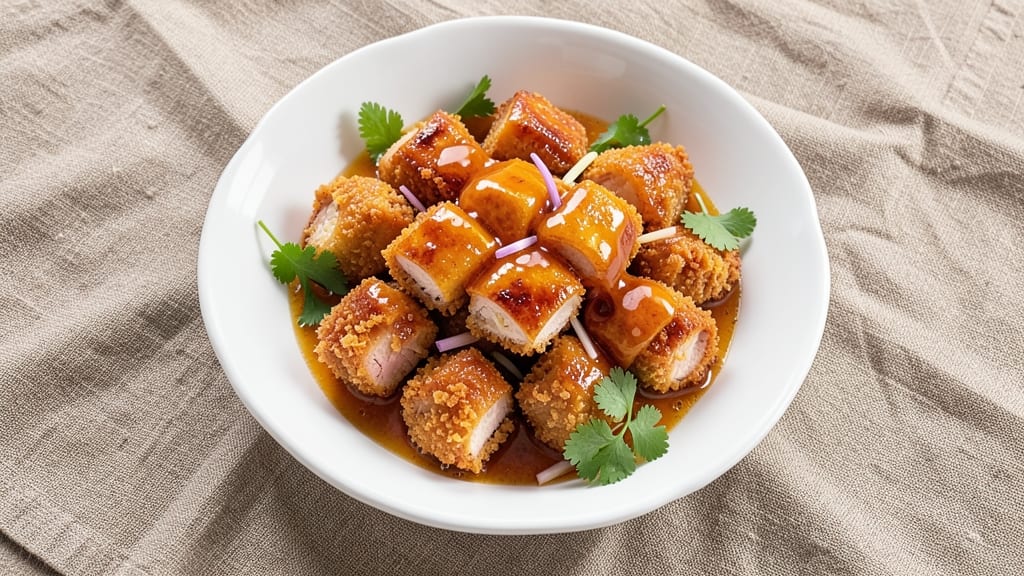
This copycat orange chicken recipe delivers the exact crispy-fried bites and tangy honey glaze you crave from your favorite Chinese restaurant. Growing up in small-town Georgia, I learned that the secret to perfect fried chicken lies in the balance of technique and flavor—principles I apply here with precision.
The chicken gets double-fried for that signature crispy exterior while staying juicy inside, all coated in a sauce that's sweet, savory, and just slightly sticky.
The sauce is where the magic happens—a precise blend of orange juice, honey, soy sauce, and ginger that creates the perfect balance of tang and sweetness. I use a cornstarch slurry to thicken it just right, ensuring it clings to every bite without being overly gloppy.
This isn’t just a recipe; it’s a method I’ve perfected over years of testing, guaranteeing restaurant-quality results at home.
By the time you’re done, you’ll have golden, crispy chicken pieces that shatter with every bite, all drenched in that glossy, aromatic glaze. The sauce caramelizes slightly as it cooks, deepening its flavor and creating a perfect contrast to the crunchy exterior.
Serve it with steamed rice or egg rolls for the full experience—this is the kind of dish that disappears faster than you can say "second helping."
Whether you’re feeding a crowd or treating yourself to takeout-quality dinner, this recipe delivers every time. The key is patience—especially with the double-frying—and paying attention to the sauce’s consistency. Trust me, once you master this, you’ll never order out again. Let’s get started!
Ingredients for copycat orange chicken
Pantry staples meet restaurant magic—just 13 ingredients for crispy-fried perfection.
| Ingredient | Amount | Notes |
|---|---|---|
| Boneless Chicken Thighs 🍗 | 1 ½ lb | Cut into 1-inch pieces |
| All-Purpose Flour 🌾 | 1 cup | For dredging chicken |
| Cornstarch 🌾 | ½ cup | For sauce thickening |
| Orange Juice 🍊 | ¾ cup | Freshly squeezed, no pulp |
| Honey 🍯 | ½ cup | Light or dark variety |
| Soy Sauce 🍶 | ½ cup | Use light soy sauce |
| Fresh Ginger 🌿 | 1 tbsp | Finely grated, fresh preferred |
| Garlic Cloves 🧄 | 4 cloves | Minced for sauce |
| Vegetable Oil 🫒 | 3 cups | For frying, peanut oil ideal |
| Salt 🧂 | 1 ½ tsp | Kosher salt preferred |
| Black Pepper 🌶️ | ½ tsp | Freshly ground |
| Sesame Oil 🫒 | 1 tbsp | For finishing sauce |
| Green Onions 🧅 | 2 whole | Sliced for garnish |
The chicken thighs are non-negotiable here—bone-in stays juicier, but boneless works if that's what you've got. Trader Joe's or Costco sell them pre-cut for convenience. Look for pieces with good marbling; they'll stay juicier during that second fry. Fresh ginger and garlic? Don't skip them—they're the backbone of the sauce flavor. If you can't find fresh ginger, substitute 1 tsp ground ginger, but it won't be quite the same. The orange juice should be freshly squeezed—no pulp, or your sauce will get grainy. I always buy a few extra oranges since the rind makes great garnish too.
No sesame oil? Toasted peanut oil or even avocado oil works in a pinch, though sesame gives that authentic nutty aroma. The cornstarch slurry is where the magic happens—mix it well with cold water before adding to the sauce, or you'll get lumps. Want extra crispiness? Double-dredge the chicken—dip in flour, shake off excess, dip again. The sauce can be made ahead and reheated—just add a splash of water if it thickens too much. For the honey, avoid the super-cheap kind—look for raw or local honey at Whole Foods or your local farmers market for deeper flavor.
This sauce reheats beautifully—just warm it gently and stir in a splash of water if it thickens. Store leftovers for up to 3 days in the fridge, though the chicken gets even better the next day as the flavors meld. For freezing, portion the sauce separately from the chicken—it keeps for 2 months. Pro tip: Keep a small bowl of ice water nearby when frying—drop hot pieces in briefly to stop cooking while you plate. Serve with steamed rice and extra sauce on the side—trust me, you'll need it
Why You'll Love This Recipe
- Crispy Without the Hassle: The cornstarch in the flour mix is my secret weapon—it turns this into a foolproof crispy chicken game. No soggy bottoms here, just that perfect crunch that makes you want seconds. And honestly? The 10-minute rest before frying is non-negotiable, but it’s worth it for that restaurant-worthy texture.
- Sweet-Savory Addiction: That honey and orange juice combo? Chef’s kiss. The ginger and garlic in the sauce add warmth, while the soy sauce keeps it grounded. It’s sweet, tangy, and just a little salty—like a flavor explosion in every bite. My kids fight over the last piece, and I don’t even feel guilty.
- Leftovers That Shine: This isn’t one of those dishes that gets boring after Day 1. The flavors actually improve overnight, so I make extra knowing it’ll taste just as good the next night. Plus, the sauce and chicken freeze beautifully—just reheat and toss. Zero waste, zero stress.
- Budget-Friendly Feast: For under $15, you’re feeding a crowd with juicy chicken, a sticky glaze, and zero fancy ingredients. The honey and soy sauce are the only splurges, but they make all the difference. I’ve served this at potlucks, game nights, and even for takeout orders—everyone raves, and my wallet thanks me.
Step-by-step instructions for orange chicken
Here's how to nail that iconic crispy coating and tangy glaze every time—just like your favorite takeout spot.
Prep and Dredge the Chicken for Maximum Crisp
Cut the 1.5 lb boneless chicken thighs into 1-inch pieces—this ensures even cooking and maximum crispiness. In a large bowl, whisk together the 1 cup all-purpose flour, 0.5 cup cornstarch, 1.5 tsp salt, and 0.5 tsp black pepper. The cornstarch is key here—it creates that signature crispy texture by absorbing moisture and forming a sturdy crust.
Pat the chicken pieces dry with paper towels—this step can't be skipped. Moisture on the surface prevents the coating from sticking properly. Working in batches, toss the chicken pieces in the flour mixture until fully coated. Press gently to help the coating adhere, then let the dredged chicken rest for 10 minutes on a wire rack. This resting period helps the coating set up, so it doesn't fall off during frying.
Fry to Golden Perfection
Heat 3 cups vegetable oil in a deep skillet or Dutch oven to 350°F. Use a thermometer to monitor the temperature—this is critical for consistent results. Once the oil reaches temperature, carefully add the chicken in a single layer. Avoid overcrowding the pan, or the oil temperature will drop and the chicken will steam instead of fry.
Fry for 4-5 minutes per batch until the chicken is golden brown and the coating is crispy. The pieces should float to the surface when they're ready. Transfer the fried chicken to a paper towel-lined plate to drain excess oil. Keep the oil at 350°F for the next batch—don't let it cool down between frying sessions.
Make the Tangy Honey Glaze
In a medium saucepan, combine the 0.75 cup orange juice, 0.5 cup honey, 0.5 cup soy sauce, 1 tbsp finely grated fresh ginger, and 4 minced garlic cloves. Bring the mixture to a boil over medium-high heat, then reduce to a simmer. Let it cook for 5-7 minutes until it thickens slightly and the liquid reduces by about one-third. You're looking for a syrupy consistency that will cling beautifully to the chicken.
Stir in the 1 tbsp sesame oil and simmer for another 1 minute. Remove from heat and let it cool slightly. This is where the magic happens—the balance of sweet, tangy, and umami flavors comes together. Taste and adjust seasoning if needed, adding a pinch more salt or a splash of orange juice to fine-tune the balance.
Toss and Garnish for Restaurant-Quality Results
Return the fried chicken to the saucepan with the glaze and toss gently to coat evenly. Let it simmer for 2-3 minutes until the chicken is heated through and the glaze has fully adhered. The chicken should be glossy and sticky with the sauce—this is what makes it so irresistible.
Transfer the chicken to a serving platter and sprinkle with the 2 sliced whole green onions. The fresh green onions add a bright contrast to the rich, sweet-savory glaze. Serve immediately while the chicken is crispy and the glaze is still sticky. This dish tastes best fresh out of the pan, so don't let it sit too long before serving.
Pro Tips For Making Copycat Orange Chicken
- Use a Thermometer: I learned this the hard way—frying at "eye temperature" guesswork leads to greasy or undercooked chicken. Keep that oil steady at 350°F between batches, or your crust will turn soggy. A cheap thermometer is worth every penny here.
- Grate Ginger Fine: Skip the food processor for the 1 tbsp fresh ginger—your sauce will taste muddy. Use a microplane or the finest grater possible, then press it through a sieve to catch any pulp. Trust me, your sauce will thank you.
- Don’t Rush the Rest: That 10-minute rest on a wire rack after dredging isn’t optional. I used to skip it, and half my coating would slide off during frying. Let the flour set up—it’s the difference between takeout and homemade.
- Simmer the Glaze Right: The sauce needs to reduce by about one-third—not just bubble, not just thicken, but actually concentrate. If you walk away for a minute, you’ll end up with a sticky mess instead of that glossy, clingy glaze. Keep an eye on it.
Perfect pairings for this copycat orange chicken
Sweet & Spicy Sides
For a balanced meal, serve your orange chicken with steamed jasmine rice—its delicate aroma complements the dish perfectly. I like using California Rice Company long-grain rice for its fluffy texture. Alternatively, crispy egg rolls add a fun texture contrast—just brush them with 1 tbsp soy sauce before serving. 🍚
Savory Dippers
Set out small bowls of hoisin sauce and sriracha for guests to customize their bites. The hoisin adds a sweet, tangy depth, while sriracha brings the heat. I keep a bottle of Lee Kum Kee hoisin and Chim Chin sriracha on hand for authenticity.
A drizzle of extra sesame oil over the rice elevates the whole plate.
Fresh Contrasts
Brighten the plate with quick-pickled cucumbers—slice ½ cucumber into half-moons, toss with 2 tbsp rice vinegar, 1 tsp sugar, and ½ tsp salt, then let sit for 15 minutes. The cool crunch cuts through the richness beautifully. 🥒
Beverage Pairings
A chilled Chinese iced tea with jasmine flowers is my go-to drink pairing. It’s lightly floral and refreshing, balancing the dish’s sweetness. For something bolder, try a light lager like Tsingtao—its crispness cleanses the palate. Avoid heavy red wines that will clash with the sauce.
Garnish Like a Pro
Finish plates with toasted sesame seeds and orange zest for visual appeal. Sprinkle 1 tsp sesame seeds over the rice and chicken, then grate 1 tbsp orange zest from the juice you used. This adds freshness and ties the flavors together like a restaurant would. 🍊
Nutrition facts
Frequently asked questions
Why does my orange chicken sauce turn out too thin?
The sauce needs to reduce by about one-third for that perfect sticky consistency. If it's too thin, simmer it longer—just 2-3 minutes more—while stirring occasionally. You can also mix 1 tbsp cornstarch with 2 tbsp cold water and whisk it into the sauce to thicken it instantly. Don't rush it; patience here makes all the difference!
Can I use chicken breasts instead of thighs for this recipe?
You can, but expect a drier result since chicken breasts have less fat. To compensate, add 1 tbsp olive oil to the flour mixture and reduce frying time to 3-4 minutes per batch. Thighs are ideal for juiciness, but breasts work in a pinch—just keep an eye on the cooking time!
What if my oil temperature drops while frying?
If the oil cools below 350°F, your chicken will absorb oil instead of getting crispy. Use a thermometer to monitor temperature, and if it drops, turn the heat back to medium-high. Avoid overcrowding the pan—fry in small batches to maintain the ideal 350°F temperature. This is the secret to that perfect golden-brown crust!
How do I prevent the sauce from sticking to the bottom of the pan?
Always simmer the sauce over medium-low heat after bringing it to a boil. High heat can cause it to burn or stick. If it starts to look dry, add 1-2 tbsp water to prevent scorching. Stirring frequently also helps keep the sauce smooth and clingy!