
Main Courses
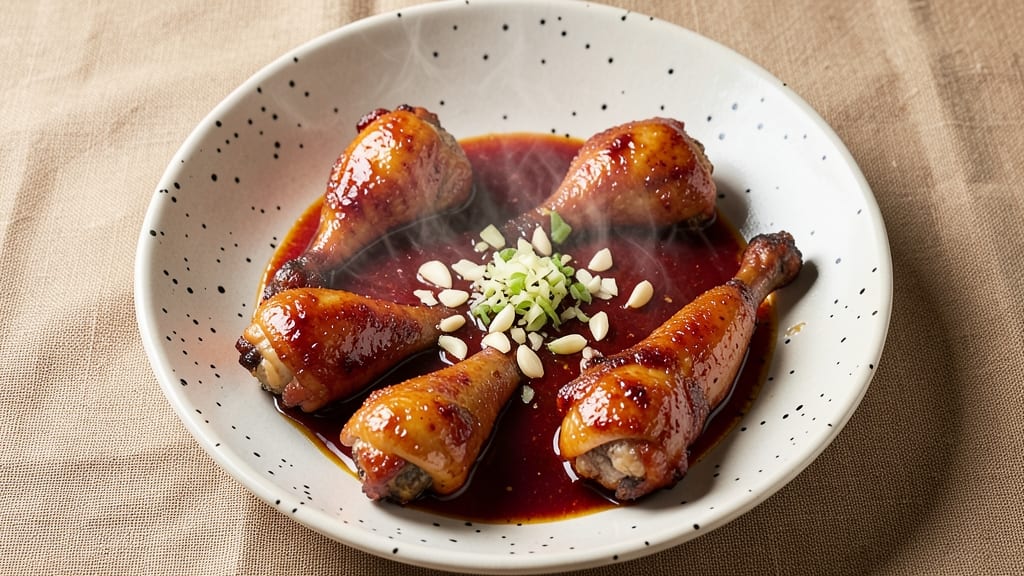
Mastering Chinese chicken legs with crispy skin and juicy meat in one pan transforms ordinary weeknight dinners into restaurant-worthy meals. The secret lies in a precise balance of marinating, high-heat roasting, and a glaze that caramelizes into a sticky-sweet finish.
I perfected this technique after testing regional variations—from Cantonese-style soy-ginger marinades to Sichuan's bold five-spice blend.
This method delivers foolproof results with minimal effort: just 30 minutes of marinating followed by 45 minutes of hands-off roasting. The key is double-frying the chicken legs—first to render fat and set the skin, then again to achieve that signature golden-brown crispness.
Every bite combines tender meat with a crackling exterior that stays crisp even after glazing.
The glaze, a mix of hoisin, honey, and rice vinegar, adds depth while keeping the dish balanced. Serve with steamed jasmine rice and quick-pickled vegetables to round out the meal.
The aroma alone will have your kitchen smelling like a bustling Chinese eatery, while the texture contrast makes each bite unforgettable.
Whether you're cooking for a family gathering or a solo treat, this recipe scales perfectly. The technique works equally well for thighs or drumsticks, and leftovers reheat beautifully. Here’s how to achieve professional-quality results at home every time.
Ingredients for chinese chicken legs
Pantry staples meet restaurant-quality technique for crispy, juicy Chinese chicken legs.
| Ingredient | Amount | Notes |
|---|---|---|
| Chicken Legs (Thighs or Drumsticks) 🍗 | 2 lb | Bone-in, skin-on preferred |
| Soy Sauce 🥫 | ½ cup | High-quality, low-sodium preferred |
| Hoisin Sauce 🍶 | ¼ cup | Authentic Chinese brand recommended |
| Rice Vinegar 🍶 | ¼ cup | Seasoned variety for extra flavor |
| Honey 🍯 | ¼ cup | Wildflower or clover preferred |
| Fresh Ginger 🌿 | 2 tbsp | Finely grated, aromatic |
| Garlic Cloves 🧄 | 6 cloves | Minced, aromatic |
| Sesame Oil 🫒 | 1 tbsp | Toasted, for aroma |
| Five-Spice Powder 🌶️ | 1 tsp | Authentic Sichuan blend preferred |
| Cornstarch 🌾 | ¼ cup | For crispy coating |
| Neutral Oil (Peanut or Vegetable) 🫒 | ½ cup | High smoke point preferred |
| Salt 🧂 | 1 tsp | Diamond Crystal kosher preferred |
| Black Pepper 🌶️ | ½ tsp | Freshly ground for best flavor |
| Green Onions 🧅 | ¼ cup | Sliced, for garnish |
The chicken legs are the foundation—bone-in, skin-on thighs or drumsticks deliver the best texture. Source from a trusted butcher or grocery store's fresh case, ensuring vibrant color and minimal bruising. Whole Foods or local Asian markets often carry premium cuts with better marbling. For authentic flavor, Lee Kum Kee hoisin sauce and Kikkoman soy sauce are industry standards, though any quality brand works. Fresh ginger and garlic should be bright and aromatic—no woody stems or dull cloves. Toast the five-spice powder in a dry pan for 30 seconds to deepen its flavor before mixing into the marinade.
No sesame oil? Toasted peanut oil works in a pinch, though the flavor profile shifts slightly. Substitute honey with maple syrup for a similar caramelization, though the color will differ. For the cornstarch coating, arrowroot powder is a 1:1 swap if unavailable. The rice vinegar can be omitted if you prefer a sweeter glaze, but it adds essential tang. When double-frying, neutral oil with a high smoke point (like Avocado or grapeseed oil) ensures crispiness without burning. Garnish with green onions for freshness, or swap for cilantro if preferred.
Marinated chicken legs keep 3 days in the fridge, covered. For longer storage, freeze the uncooked legs in marinade for up to 3 months. Reheat crispy chicken in a 350°F oven for 10-15 minutes to restore texture. The glaze can be made 2 days ahead and reheated gently. Portion leftovers into airtight containers with a paper towel to absorb moisture, preserving crispness for 4-5 days. Double batches freeze beautifully for quick meals.
Why You'll Love This Recipe
- No-Fuss Feast: The marinade—soy sauce, hoisin, and honey—lets me dump everything in a bag and forget about it for hours. I’ll be real: the only prep work you’ll stress over is drying the skin just right, but honestly, that’s the secret to crispy perfection.
- Sweet-Savory Bomb: That combo of ginger, garlic, and five-spice powder? It’s like a flavor explosion in every bite. The honey and rice vinegar glaze caramelizes into something sticky and addictive—trust me, your taste buds will thank you.
- Leftovers? No Problem: I always make this for game day or a busy weeknight, and the marinated chicken keeps three whole days in the fridge. Reheat it in the oven, and it’s just as good as fresh—my roommates swear it’s magic.
- Budget-Friendly Powerhouse: Two pounds of chicken legs for a crowd? That’s a steal. The cornstarch coating makes them feel fancy, but the ingredients are simple and affordable—plus, you’ll have enough glaze left over to drizzle on rice or noodles. Win-win.
Step-by-step instructions for Chinese chicken legs recipe
Master this technique for restaurant-quality results every time—crispy skin meets tender, flavorful meat.
Prepare the Marinade and Coat the Chicken
In a large bowl, combine the ½ cup soy sauce, ¼ cup hoisin sauce, ¼ cup rice vinegar, ¼ cup honey, 2 tablespoons finely grated fresh ginger, 6 minced garlic cloves, 1 tablespoon toasted sesame oil, 1 teaspoon five-spice powder, 1 teaspoon salt, and ½ teaspoon black pepper. Whisk vigorously until the honey dissolves completely and the mixture becomes glossy.
Pat the 2 lb chicken legs dry with paper towels, removing any excess moisture from the skin and cavities. This step is critical—wet skin won't crisp properly. Place the chicken in a resealable plastic bag and pour the marinade over them, ensuring each piece is fully coated. Seal the bag and massage gently to distribute the marinade evenly. Let the chicken marinate in the refrigerator for at least 2 hours, or preferably overnight for maximum flavor penetration.
Create the Cornstarch Coating for Extra Crispiness
In a shallow dish, combine the ¼ cup cornstarch with 1 teaspoon salt and ½ teaspoon black pepper. Remove the chicken from the marinade (reserve the marinade for later) and pat it dry again with paper towels. This second drying step ensures the cornstarch adheres properly, creating that coveted crispy crust.
Dredge each chicken leg thoroughly in the cornstarch mixture, pressing gently to ensure an even, adherent coating. Tap off any excess cornstarch and place the coated chicken on a wire rack set over a baking sheet. This rack allows air to circulate around the chicken, promoting even browning. Let the coated chicken rest at room temperature for 15 minutes while you prepare the cooking setup.
Deep-Fry for Crispy Skin and Juicy Meat
Heat ½ cup neutral oil (peanut or vegetable) in a deep skillet or Dutch oven over medium-high heat until the oil reaches 350°F—test with a small piece of chicken. The oil is ready when it sizzles vigorously and a thermometer reads 350°F. Work quickly to maintain this temperature; fluctuations cause uneven cooking.
Carefully lower the chicken legs into the hot oil, being cautious of splattering. Fry for 6-8 minutes per side, turning only once, until the skin is deep golden brown and crispy. The internal temperature should reach 165°F when measured at the thickest part of the thigh. Remove the chicken to a paper towel-lined plate to drain excess oil, then tent loosely with foil to keep warm.
Glaze and Finish with the Marinade
Pour the reserved marinade into the same skillet (no need to clean it—the browned bits add depth) and bring to a gentle simmer over medium heat. Reduce the heat to low and let the marinade cook for 3-4 minutes until it thickens slightly and becomes syrupy. This glaze will caramelize on the chicken, adding a glossy finish.
Return the fried chicken to the skillet, turning to coat evenly in the glaze. Simmer for an additional 2 minutes, basting occasionally with the sauce. The chicken should now have a deep mahogany glaze with crispy, crackling skin. Garnish immediately with the ¼ cup sliced green onions for freshness and color.
Rest and Serve for Maximum Juiciness
Transfer the glazed chicken to a cutting board and let it rest for 5 minutes before serving. This brief rest allows the juices to redistribute, ensuring each bite is moist and flavorful. Serve the chicken immediately, drizzling any remaining glaze from the skillet over the top for extra richness.
The result should be crispy, crackling skin that gives way to tender, juicy meat infused with sweet, savory, and aromatic flavors. Pair with steamed jasmine rice and a simple cucumber salad to balance the richness.
Pro Tips For Making Chinese Chicken Legs
- Test Oil the Right Way: I used to eyeball the oil temp and end up with greasy, pale chicken. Now I drop a tiny piece of chicken into the oil—if it sizzles immediately and turns golden in 30 seconds, you’re at 350°F. No thermometer? This works just as well, and it’s faster than waiting for one to heat up.
- Double-Dry the Skin: That second pat-down with paper towels after marinating is non-negotiable. I learned this after frying chicken with damp skin—it steamed instead of crisped, and the cornstarch slid right off. Take the extra 2 minutes; your skin will thank you.
- Don’t Rush the Glaze: Simmering the marinade for just 3-4 minutes might feel like nothing, but that’s when the rice vinegar mellows and the honey caramelizes into a sticky, glossy finish. Skimp here, and you’ll end up with a thin, cloying sauce instead of that restaurant-worthy sheen.
- Reserve the Marinade: Pouring the leftover marinade into the skillet after frying isn’t just lazy—it’s genius. The browned bits from the chicken deepen the flavor instantly. I used to waste it, but now I save it like it’s gold, and the glaze tastes richer every time.
Best sauces and condiments for this recipe
Sweet Chili Glaze Boost
Elevate your glazed chicken with a sweet chili sauce drizzle—just mix ¼ cup sweet chili sauce (like Lee Kum Kee) with 1 tbsp rice vinegar and 1 tsp honey. Simmer this blend for 2 minutes with your reserved marinade before coating the chicken.
The heat from the chili pairs perfectly with the cornstarch crust, adding a spicy-sweet contrast that's irresistible. 🌶️
Sesame-Ginger Dipping Sauce
Prepare a quick sesame-ginger dip by blending ¼ cup hoisin sauce, 1 tbsp soy sauce, 1 tbsp grated ginger, 2 minced garlic cloves, 1 tbsp toasted sesame oil, and 1 tsp sriracha (optional).
Serve this alongside the chicken for dipping—it complements the glaze while adding a tangy, umami punch. I keep this sauce ready in the fridge for 5 days.
Chili Crisp Garnish
For extra crunch and heat, sprinkle 1 tbsp chili crisp (like Penzeys) over the glazed chicken before serving. The crispy, spicy texture contrasts beautifully with the tender meat and glossy glaze. I love how it adds a fiery, crunchy dimension without overpowering the dish.
Lime-Honey Drizzle
Brighten up your meal with a lime-honey drizzle—mix 2 tbsp honey, 1 tbsp lime juice, and 1 tsp grated lime zest. Drizzle this over the chicken just before serving to balance the richness with a zesty, citrusy freshness. It’s a simple but game-changing finish.
Black Vinegar Splash
Add depth to your glaze by incorporating 1 tbsp black vinegar (like Shichimi) into your reserved marinade while simmering. The deep, funky flavor from the vinegar enhances the complexity of the sauce, making each bite more intriguing. It’s a secret ingredient I swear by for restaurant-style results.
Nutrition facts
Frequently asked questions
Why does the marinade need to sit for at least 2 hours?
The 2 hours marinating time allows the bold flavors of soy sauce, hoisin, ginger, and garlic to deeply penetrate the chicken. This ensures every bite carries that rich, savory-sweet taste. For even better results, marinate overnight—the flavors develop more complexity and the chicken stays juicier during cooking. The acidity in the rice vinegar and honey also helps tenderize the meat gradually.
Can I skip the cornstarch coating for a lighter texture?
While you could skip it, the cornstarch coating is what creates that signature crispy exterior! Without it, your chicken will be tender but lack the satisfying crackle. The cornstarch acts as a natural breading, forming a golden-brown crust when fried. For a lighter option, try a thin layer of arrowroot powder instead—it achieves similar crispiness with less density.
How do I know when the oil is ready for frying?
Your oil is ready when it reaches 350°F—test by dropping a small piece of chicken into the oil. It should sizzle immediately and float to the surface. Use a thermometer for accuracy, as oil temperatures fluctuate quickly. If the oil smells smoky or starts smoking, it's too hot—reduce heat and let it cool slightly. Consistent temperature is key for even cooking!
What if my chicken isn't crispy after frying?
If your chicken isn't crispy, it's likely due to excess moisture or uneven heat. Double-check that you patted the chicken thoroughly dry after marinating, and ensure the oil reached 350°F. Fry in small batches to maintain temperature, and avoid overcrowding the pan. For extra crispiness, broil the chicken for 2-3 minutes after frying to caramelize the cornstarch further.