
Main Courses
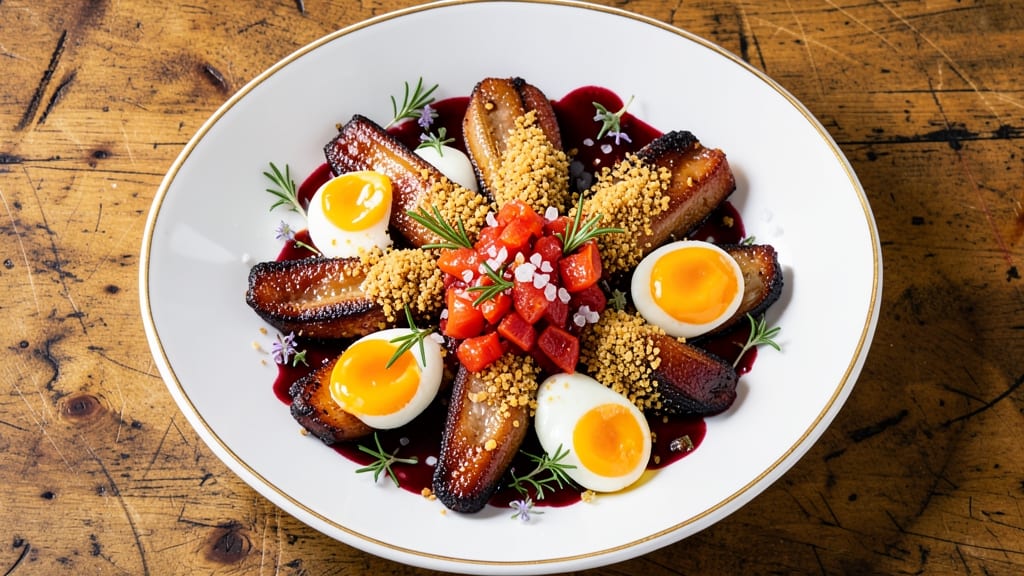
Transforming humble chicken tongues into a slow-braised centerpiece with crisp celery crowns is a technique I perfected after years of experimenting with offal dishes—this recipe delivers restaurant-worthy richness with minimal effort. The key lies in the braising process, where collagen-rich tongues become fork-tender while absorbing deep, savory flavors.
What sets this apart is the celery crown topping, which adds both visual drama and satisfying crunch to every bite.
This method requires just three hours of hands-off cooking time, making it ideal for weekend meals when you want impressive results without constant monitoring. The braising liquid transforms into a velvety sauce that coats each tender piece, while the celery crowns caramelize into golden, crispy perfection.
I developed this recipe after realizing most home cooks skip the celery garnish—until they try it, that is.
The final result is a dish that balances silky texture with bold flavors—rich, meaty tongues paired with the bright crunch of celery crowns. The aroma alone will draw everyone to the table, and the presentation elevates even the simplest meal.
This technique works equally well for special occasions or casual family dinners, proving that offal can be both elegant and approachable.
Pair with creamy mashed potatoes or a sharp mustard sauce to complete the experience. The braising liquid can even be reduced into a glossy gravy for serving. Let's get started on this transformative dish that turns an unusual ingredient into a showstopper.
Ingredients for chicken tongue
Slow-braised chicken tongues with crisp celery crowns—elegant offal cooking made approachable.
| Ingredient | Amount | Notes |
|---|---|---|
| Chicken Tongues 🍗 | 1 ½ lb | Fresh, cleaned and trimmed |
| Celery Stalks 🧅 | 6 whole | Large, for crowns |
| Beef Stock 🥣 | 4 cups | Low-sodium preferred |
| Red Wine 🍷 | 1 cup | Dry, bold variety |
| Garlic Cloves 🧄 | 4 cloves | Freshly minced |
| Shallots 🧅 | 2 whole | Thinly sliced |
| Dijon Mustard 🍯 | 1 tbsp | For depth of flavor |
| Thyme Leaves 🌿 | 1 tbsp | Fresh or dried |
| Bay Leaves 🌿 | 2 whole | For aromatic balance |
| Salt 🧂 | 1 ½ tsp | Kosher or sea salt |
| Black Peppercorns 🌶️ | 1 tbsp | Whole, lightly crushed |
| Olive Oil 🫒 | 2 tbsp | Extra-virgin for richness |
| Butter 🧈 | 2 tbsp | Unsalted, for finishing |
| Cornstarch 🌾 | 1 tbsp | For thickening sauce |
The chicken tongues should be fresh, cleaned, and trimmed—most butchers can do this for you. Look for deep red, moist tongues with no grayish tint, which indicates poor quality. Whole Foods or specialty butchers often carry them prepped, but call ahead to confirm. The celery stalks need to be thick and crisp—avoid any that feel soft or stringy. For the beef stock, low-sodium options are ideal to control the final saltiness, and brands like Better Than Bouillon or homemade work best. The red wine should be bold and dry—Cabernet Sauvignon or Malbec are excellent choices, and a half-empty bottle works perfectly.
No beef stock? Chicken stock plus 1/4 cup Worcestershire sauce mimics the depth. Fresh thyme is ideal, but dried thyme at half the amount works in a pinch. If shallots aren't available, yellow onions thinly sliced will do, though they lack the delicate sweetness. For the cornstarch, arrowroot powder is a gluten-free alternative that thickens beautifully. The Dijon mustard should be high-quality, not sweetened—French-style Dijon like Maille elevates the dish. Whole peppercorns should be lightly crushed with a mortar and pestle to release their aroma without turning to powder.
Store the cleaned chicken tongues in the fridge for up to 2 days or freeze for 3 months—wrap tightly in plastic to prevent freezer burn. The celery crowns can be prepped ahead and stored in ice water for up to 5 days to maintain crispness. The braising liquid keeps 5 days in the fridge and can be frozen for 6 months. For best results, reduce the sauce before reheating to intensify the flavors. The cornstarch slurry should be mixed with cold water to avoid lumps—strain it through a fine-mesh sieve for a silky finish. The butter finishing touch is non-negotiable; it adds richness that no other fat can replicate.
Why You'll Love This Recipe
- One-Pot Magic: Honestly, this is one of those recipes where you toss everything in one pot and forget about it for hours—no last-minute scrambling. I prep the chicken tongues and celery crowns ahead (the celery even stays crisp for days in ice water), then just sear, braise, and let the oven do the work. No constant stirring, no fussy prep—just effortless flavor.
- Rich & Tangy Delight: The red wine and beef stock create a sauce that’s dangerously good—deep, savory, and just a little tangy from the Dijon mustard. I swear, that crispy edge from the sear paired with the melt-in-your-mouth center? Chef’s kiss. The garlic and thyme leave you craving seconds, and the celery crowns add a fresh crunch that cuts through the richness.
- Impress Without Stress: This isn’t one of those dishes that requires a fancy occasion—it’s the kind of thing that makes any gathering feel elevated. I’ve served it at potlucks, family dinners, and even a last-minute dinner party, and no one guesses how little effort it took. The celery crowns add a pretty garnish, the sauce drizzles effortlessly, and the tongues? They’re so tender they fall apart at the touch. Win.
Step-by-step instructions for braised chicken tongues
Transform tough chicken tongues into melt-in-your-mouth delicacies with this slow-braising technique.
Prepare the Chicken Tongues and Celery Crowns
Begin by cleaning the chicken tongues thoroughly under cold water, removing any remaining connective tissue or membrane. Pat them completely dry with paper towels—this step ensures a better sear and prevents steam from developing during cooking. Place the 1½ lb chicken tongues in a large bowl.
For the celery crowns, trim the 6 celery stalks by cutting off the leafy tops and removing the stringy fibers from the bottom. Using a sharp knife, carefully slice each stalk lengthwise into thin strips, being careful not to cut through the core. These celery crowns will add a delightful crunch and visual appeal to your dish.
Lightly coat the chicken tongues with 1½ tsp salt and 1 tbsp lightly crushed black peppercorns. This seasoning will penetrate the meat during the braising process, infusing every bite with flavor. Set aside while you prepare the aromatics.
Sear and Deglaze the Aromatics
Heat a large Dutch oven over medium heat and add 2 tbsp olive oil. Once the oil is shimmering, carefully add the 1½ lb chicken tongues in a single layer. Let them sear undisturbed for 3-4 minutes on each side until they develop a deep golden-brown crust. This initial searing locks in the juices and builds a rich foundation for the braising liquid.
Remove the chicken tongues from the pot and set them aside. In the same Dutch oven, add 2 tbsp butter and allow it to melt completely. Add the 2 thinly sliced shallots and 4 minced garlic cloves, cooking for 1-2 minutes until the shallots become translucent and the garlic releases its fragrant aroma.
Pour in the 1 cup red wine and scrape up any browned bits from the bottom of the pot with a wooden spoon. This deglazing step captures all the flavorful fond that would otherwise be lost. Let the wine simmer for 2-3 minutes until it reduces by half, intensifying its flavor profile.
Build the Braising Liquid
Add 4 cups beef stock to the Dutch oven, along with 1 tbsp Dijon mustard, 1 tbsp thyme leaves, and 2 bay leaves. Stir well to combine all the ingredients, ensuring the mustard and herbs are fully incorporated into the liquid. Bring the mixture to a gentle simmer over medium-low heat.
Return the seared chicken tongues to the pot, making sure they are fully submerged in the braising liquid. If needed, add a small amount of water to ensure complete coverage. The tongues should be just below the surface of the liquid, allowing them to cook evenly and absorb the rich flavors.
Cover the Dutch oven with a tight-fitting lid and transfer it to a preheated 325°F oven. Braise the chicken tongues for 2 to 2½ hours, or until they are fork-tender and easily pull away from the bone. Check the internal temperature with a meat thermometer—it should reach 195°F, indicating perfect doneness.
Finish and Thicken the Sauce
Once the chicken tongues are tender, carefully remove them from the braising liquid and transfer them to a serving platter. Strain the braising liquid through a fine-mesh sieve to remove any impurities, discarding the thyme leaves and bay leaves. Return the strained liquid to the Dutch oven and place it over medium heat.
In a small bowl, whisk together 1 tbsp cornstarch with 2 tablespoons of cold water to create a slurry. Slowly pour the slurry into the simmering braising liquid while stirring constantly. The sauce will begin to thicken almost immediately, creating a glossy, velvety consistency perfect for coating the chicken tongues.
Taste the sauce and adjust the seasoning with additional salt or black pepper if needed. The sauce should be rich, slightly tangy from the mustard, and well-balanced in flavor. Pour the finished sauce over the chicken tongues on the serving platter.
Garnish and Serve
Arrange the celery crowns around the chicken tongues on the platter, creating a visually appealing presentation. The crisp texture of the celery crowns contrasts beautifully with the tender, braised chicken tongues. Drizzle any remaining sauce over the top for added richness.
Serve the chicken tongues immediately, allowing each guest to enjoy the perfect balance of textures and flavors. The slow-braised chicken tongues should be fork-tender with a rich, savory sauce, while the celery crowns add a satisfying crunch. Pair with crusty bread to soak up every last bit of the delicious braising liquid.
Pro Tips For Making Chicken Tongue
- Sear in Batches: Chicken tongues are heavy—don’t crowd the pan. I learned this the hard way when my first batch turned out pale and soggy. Work in two layers if needed, and let each side get that deep golden crust before moving them. The extra few minutes now means melt-in-your-mouth texture later.
- Salt the Celery Crowns: Skip salting the celery crowns, and you’ll end up with limp, flavorless garnishes. Toss them with a pinch of salt right after slicing, then plunge into ice water to crisp them up. Trust me, the contrast with the rich tongues is worth the effort.
- Don’t Rush the Wine Reduction: That 2-3 minute reduction of the red wine isn’t just for show—it’s where the depth happens. Let it bubble until it’s noticeably thicker, or you’ll end up with a flat, one-dimensional sauce. I used to cut it short, and the dish always tasted underwhelming.
- Test for Doneness Early: Braising times vary, so check at 2 hours—even if the recipe says 2 to 2½. A fork should slide in like butter. If it’s still tough, pop it back in for another 20 minutes. No one wants chewy chicken tongues, and a meat thermometer at 195°F is your best friend here.
Wine and beer pairings for these flavors
Rich Red Wine Pairings
For this braised chicken tongue dish, I always reach for a bold, dry red wine like Cabernet Sauvignon or Malbec—their tannins complement the rich, savory sauce beautifully. A half-empty bottle of 2018 Château Montelena (around $25) provides enough volume for the meal while maintaining complexity.
The wine's dark fruit notes balance the dish's umami depth, while its acidity cuts through the richness. 🍷
Craft Beer Complements
A smoky Belgian dark ale or barrel-aged stout pairs surprisingly well with the deep flavors. Try Allagash White (a Belgian-style witbier) for its citrusy brightness that cleanses the palate between bites.
For something bolder, Guinness Foreign Extra Stout adds a creamy texture that mirrors the braised tongue's richness. Both beers won't overpower the dish. 🍺
Light White Wine Option
If you prefer white wine, a dry, aromatic Riesling from Germany works surprisingly well. Look for a 2020 Dr. Loosen "Blue Slate"—its mineral notes and subtle sweetness contrast nicely with the salty celery crowns.
The wine's acidity also helps balance the dish's richness without competing. I was pleasantly surprised by this pairing after my first taste. 🥂
Non-Alcoholic Alternative
For non-drinkers, a sparkling apple cider with 2 oz elderflower liqueur (like St-Germain) creates a sophisticated mocktail. The floral notes complement the dish's herbal aromatics while the bubbles cleanse the palate. Serve chilled alongside the meal for a refreshing contrast. 🍏
Wine Serving Tips
Decant your red wine for 20-30 minutes before serving to aerate the tannins and soften them. For the Riesling, serve it slightly chilled at 45-50°F to enhance its aromatic qualities. Always use stemmed wine glasses to appreciate the wine's bouquet and the dish's presentation together. 🥂
Nutrition facts
Frequently asked questions
Why do chicken tongues need to be seared before braising?
The searing step creates a flavorful crust that locks in juices while adding depth to the dish. This golden-brown layer also prevents the tongues from steaming during braising, ensuring they develop a rich, caramelized exterior. Skipping this step results in a less flavorful final product.
Can I substitute chicken stock for beef stock in this recipe?
While it works, beef stock adds a deeper, meatier flavor that pairs perfectly with chicken tongues. For best results, use chicken stock plus ¼ cup Worcestershire sauce to mimic the umami richness. The dish will still be delicious, but the flavor profile changes slightly.
How do I know when the chicken tongues are fully cooked?
Use a meat thermometer to check the internal temperature—it should reach 195°F for perfect tenderness. Alternatively, the tongues should easily pull away from the bone and feel fork-tender when pierced. They'll also appear opaque throughout, not translucent.
What's the best way to reheat leftovers?
Gently warm the tongues in the braising liquid over low heat on the stovetop, covered, for 10-15 minutes. Avoid microwave reheating as it can make the textures uneven. For the sauce, reduce it slightly before reheating to intensify the flavors.
Can I make this dish ahead of time?
The braised tongues keep well in the fridge for 5 days in their braising liquid. For best results, reheat gently with a splash of water to restore moisture. The celery crowns should be added fresh just before serving to maintain their crispness.