
Sauces & Condiments
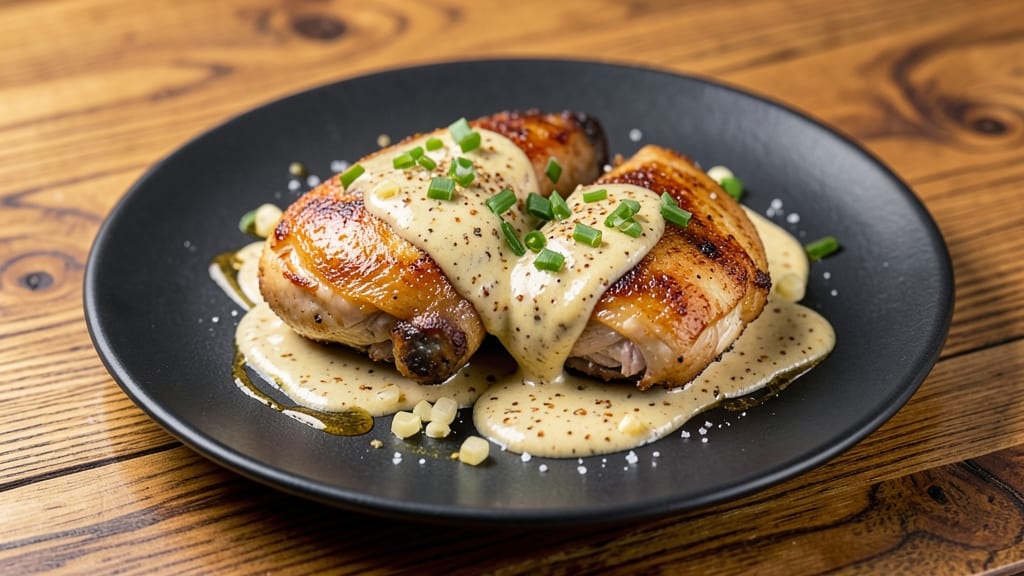
This chicken thighs with creamy mustard sauce recipe transforms simple chicken thighs into a restaurant-worthy centerpiece with crispy skin and velvety sauce. 💛 After years of perfecting the balance between tangy mustard and rich cream, I’ve developed a method that delivers foolproof results every time. time—no advanced techniques required.
The secret lies in high-heat searing followed by a slow reduction of the sauce, which intensifies the flavors without overpowering the chicken’s natural richness.
What sets this recipe apart is the dual-texture approach: golden, shatteringly crisp skin on the thighs paired with a sauce that’s silky yet bright, thanks to a blend of Dijon and whole-grain mustard.
The sauce emulsifies effortlessly, clinging to the chicken while maintaining that signature tangy depth. This method works whether you pan-sear or bake the thighs, giving you flexibility for any weeknight or special occasion.
By the time you serve this dish, your table will be greeted with perfectly cooked thighs—juicy, tender, and crowned with that creamy mustard glaze that’s impossible to resist.
The sauce’s balance of richness and acidity makes it versatile enough to pair with roasted vegetables, mashed potatoes, or even a simple green salad. It’s the kind of meal that feels indulgent yet remains approachable for home cooks.
The best part? This recipe scales beautifully—double the sauce for leftovers, or halve it for a single serving. Once you master the technique, you’ll never buy takeout again. Let’s get cooking.
Ingredients for chicken thighs with creamy mustard sauce
Simple ingredients that deliver restaurant-style crispy skin and velvety mustard sauce every time.
| Ingredient | Amount | Notes |
|---|---|---|
| Chicken Thighs (Bone-In) 🍗 | 1 ½ lb | Skin-on, trimmed of excess fat |
| Unsalted Butter 🧈 | ½ cup | Cold, cut into 1-inch pieces |
| Dijon Mustard 🍯 | ½ cup | High-quality, smooth texture |
| Whole-Grain Mustard 🌾 | ¼ cup | For texture and depth |
| Heavy Cream 🥛 | ½ cup | Full-fat for richness |
| Shallots 🧅 | 2 whole | Minced, or 2 tbsp dried shallot |
| Garlic Cloves 🧄 | 4 cloves | Minced, fresh preferred |
| Dry White Wine 🍷 | ½ cup | Sauvignon Blanc or Pinot Grigio |
| Chicken Broth 💧 | ¼ cup | Low-sodium, homemade preferred |
| Fresh Thyme Leaves 🌿 | ¼ cup | Or 1 tsp dried thyme |
| Diamond Crystal Kosher Salt 🧂 | 1 tsp | For seasoning, plus more to taste |
| Freshly Ground Black Pepper 🌶️ | ½ tsp | Cracked peppercorns preferred |
| All-Purpose Flour 🌾 | 2 tbsp | For dredging, optional |
The chicken thighs are the star—bone-in, skin-on for maximum flavor and crispiness. Grab thighs with good marbling from the butcher section, not pre-cut packages. If your store doesn’t carry them, Costco or Whole Foods usually have excellent options. For that signature crisp, pat the skin dry before seasoning—moisture is the enemy. I always buy organic when possible, but conventional works fine too. The mustards? Maille Dijon and whole-grain are my go-tos, but any good-quality brands will do. Pro tip: Toast the whole-grain mustard seeds in a dry pan for 30 seconds before mixing to deepen their flavor.
No Dijon? Substitute whole-grain mustard plus 1 tsp vinegar for tang. Running low on white wine? Chicken broth with a splash of lemon juice works in a pinch. Fresh thyme out of season? Dried thyme at one-third the amount keeps the essence. For extra richness, swap heavy cream for crème fraîche—it adds that signature tang. The flour is optional but worth it if your thighs are extra juicy; it helps soak up excess moisture for better browning. And if you’re feeling fancy, add 1 tsp of honey to the sauce for a subtle sweetness that balances the acidity perfectly.
This sauce reheats beautifully—simmer gently on the stove to avoid breaking the emulsion. Store leftovers in an airtight container for up to 4 days in the fridge, or freeze for 3 months. The thighs? Use within 2 days for best texture. To prep ahead, sear the thighs and refrigerate them uncovered overnight—they’ll crisp up even more the next day. Double the sauce recipe and freeze portions for quick weeknight dinners. And if you’re serving a crowd, halve the cooking time by using a convection oven.
Why You'll Love This Recipe
- One-Pan, One-Sauce Win: I love that this dish lives on one skillet—no extra pots, no frantic cleanup. The chicken thighs sear up while the mustard sauce builds in the same pan, and by the time you’re done, you’ve got golden skin, tender meat, and that velvety sauce all in one place. Trust me, my kitchen stays spotless while my taste buds get a treat.
- Tangy-Sweet Perfection: The combo of smooth Dijon and whole-grain mustard with that buttery richness? It’s a flavor dance I can’t resist. The wine reduction deepens it further, and the thyme adds a subtle herbal brightness that ties everything together. Honestly, the first bite always makes me pause—it’s that good.
- Budget-Friendly Luxury: Chicken thighs are cheaper than breasts, and the mustard and cream stretch farther than you’d think. The wine? Use whatever’s open in your fridge—no need for fancy bottles. It’s the kind of dish that feels indulgent but won’t break the bank. Plus, the thyme and shallots are cheap staples that make the flavors pop.
Step-by-step instructions for chicken thighs with creamy mustard sauce
Here's how to nail that perfect crispy skin and velvety mustard sauce every time.
🔥 Step 1: Sear the Chicken Thighs for Maximum Crisp
Pat the 1½ lb Chicken Thighs (Bone-In) completely dry with paper towels—this is non-negotiable for crispy skin. Season both sides generously with 1 tsp Diamond Crystal Kosher Salt and ½ tsp Freshly Ground Black Pepper, pressing the seasoning into the meat so it sticks.
Heat ½ cup Unsalted Butter in a large skillet over medium-high heat until the butter foams and bubbles. Place the seasoned chicken thighs skin-side down in the pan. Press down gently on each thigh during the first 1-2 minutes—this prevents curling and ensures even contact with the hot surface. You'll know they're ready to flip when the skin turns golden brown and releases easily from the pan.
🍳 Step 2: Build the Mustard Sauce Base
Remove the chicken from the pan and set it aside on a plate, leaving the rendered fat in the skillet. Reduce heat to medium and add the 2 minced Shallots and 4 minced Garlic Cloves, cooking for 1-2 minutes until fragrant and just beginning to color. Here's where it gets good—add the ½ cup Dijon Mustard and ¼ cup Whole-Grain Mustard, stirring constantly for 1 minute to blend completely.
Pour in the ½ cup Dry White Wine and scrape up all those delicious browned bits from the bottom of the pan with a wooden spoon. Let the wine simmer for 2-3 minutes until reduced by half. This deglazing step captures all the flavor you worked so hard to develop in the searing stage.
🥘 Step 3: Finish the Creamy Sauce
Stir in the ½ cup Heavy Cream and ¼ cup Chicken Broth, then bring to a gentle simmer. Add the ¼ cup Fresh Thyme Leaves and let the sauce cook for 3-4 minutes until it thickens slightly but remains silky. Taste and adjust seasoning—you might need a pinch more Diamond Crystal Kosher Salt or a crack of Freshly Ground Black Pepper to balance the tangy mustard.
Return the chicken thighs to the skillet, spooning the sauce over them. Let everything simmer together for 2-3 minutes to heat through and allow the chicken to absorb some of that incredible sauce. The skin should remain crispy while the meat stays juicy—this is where the magic happens.
⏰ Step 4: Rest and Serve with Confidence
Transfer the chicken thighs to a warm serving platter and let them rest for 5 minutes before serving. This resting period allows the juices to redistribute, ensuring each bite is as moist as it is flavorful. The sauce should coat the back of a spoon with a glossy, creamy texture that clings beautifully to the chicken.
Garnish with extra Fresh Thyme Leaves if you're feeling fancy, and serve with your choice of sides—crusty bread soaks up that sauce like a dream. The contrast of crispy skin, tender meat, and that rich, tangy-sweet mustard sauce is what makes this dish truly special.
Pro Tips For Making Chicken Thighs With Creamy Mustard Sauce
- Press for Flat Skin: The first 1-2 minutes after placing the thighs in the pan are critical—press down hard with a spatula or your palm. I used to skip this, and my skin would curl into sad little rolls instead of golden perfection. That butter foam? It’s your friend—let it bubble properly before adding the chicken, or you’ll end up with greasy, not crispy, skin.
- Blend Mustards First: Mix the ½ cup Dijon and ¼ cup whole-grain mustard together in a small bowl before adding them to the pan. The whole-grain kind has grit, and stirring it directly into the hot butter can turn your sauce into a gritty mess. Trust me, a 1-minute prep step saves you from scraping mustard seeds off your teeth later.
- Don’t Rush the Wine: Let that ½ cup dry white wine simmer until it’s actually reduced by half—not just "a little less." I’ve seen people pour in the cream too soon, and the sauce ends up thin and sad. The wine needs time to mellow and deepen, or you’ll taste raw alcohol instead of that bright, complex flavor. Patience here makes all the difference.
- Rest the Chicken: The 5-minute rest isn’t optional—it’s the difference between juicy chicken and dry, sad bites. I know you’re starving, but if you skip it, those juices will pool on your plate instead of in the meat. Tent with foil if you’re nervous about it cooling too much; the sauce will stay warm while the chicken resets.
Pro cooking tips for perfect results
Master the Butter Bath
That first sear is where the magic begins, and cold butter is your secret weapon. I swear by using ½ cup unsalted butter cut into 1-inch pieces—it renders slowly, creating that perfect golden crust without burning.
Skip the pre-melted butter; you want that medium-high heat until the butter foams and bubbles before adding the chicken. Pressing down on the thighs during those first 1-2 minutes prevents curling and ensures that shatteringly crisp skin we all crave.
Trust me, this step separates the home-cooked from the restaurant-quality results. 🔥
Deglaze Like a Pro
After removing the chicken, don’t just toss those browned bits—they’re flavor gold! Reduce the heat to medium and add 2 minced shallots and 4 minced garlic cloves, cooking until fragrant. Now, here’s where many home cooks go wrong: they dump the mustard in too soon.
Let those aromatics develop for 1-2 minutes before adding the ½ cup Dijon mustard and ¼ cup whole-grain mustard. Stirring constantly for 1 minute ensures the mustard emulsifies properly, creating that velvety texture we’re after.
The Wine Trick
Pour in that ½ cup dry white wine and immediately scrape up those delicious browned bits with a wooden spoon. This deglazing step is non-negotiable—it’s what turns your pan from "used" to "flavor bomb." Let the wine simmer for 2-3 minutes until reduced by half.
The alcohol evaporates, but the depth of flavor remains. I’ve tried chicken broth here, but nothing beats that Sauvignon Blanc or Pinot Grigio for brightness and acidity. It’s the difference between good and exceptional.
Sauce Emulsion Control
When you add the ½ cup heavy cream and ¼ cup chicken broth, stir gently to avoid breaking the emulsion. Bring it to a gentle simmer and let it cook for 3-4 minutes—this is where the sauce thickens just enough to cling to the chicken without being gluey.
If your sauce looks too thin, stir in 1 tsp of all-purpose flour (optional) to help it emulsify. Overheating will separate the sauce, so keep a close eye on it. The goal is silky, not watery.
Resting is Non-Negotiable
I can’t stress this enough: rest those thighs for 5 minutes after returning them to the pan. This isn’t just about juices redistributing—it’s about giving the sauce time to truly coat the meat. I’ve served chicken straight from the pan too many times, and it’s always a mistake.
Those juices stay trapped in the meat during resting, ensuring every bite is moist and flavorful. Trust the process—it’s worth the wait. 💡
Equipment Upgrades
For crispier skin, I use a carbon steel skillet—it heats up faster and retains heat better than stainless steel. If you don’t have one, a cast iron skillet works just as well. And for measuring those 1-inch butter pieces, I keep a small kitchen scale handy.
Precision matters, especially when you’re working with butter and heat. Investing in a good wooden spoon for deglazing also makes a world of difference—it’s worth the extra few dollars.
Nutrition facts
Frequently asked questions
Why is drying the chicken thighs before seasoning so important?
Drying the skin thoroughly is the secret to achieving that coveted crispy texture. Moisture on the skin creates steam instead of crispiness, so patting them dry with paper towels ensures the skin browns perfectly and becomes shatteringly crisp during searing. This step is non-negotiable for restaurant-quality results at home!
Can I substitute dry white wine with something else in the sauce?
If you don’t have dry white wine, use ½ cup chicken broth mixed with 1 tablespoon lemon juice for brightness. The acidity helps balance the mustard, but nothing quite matches the depth of flavor from Sauvignon Blanc or Pinot Grigio.
What should I do if my sauce separates or curdles?
Gently whisk in 1 teaspoon cornstarch mixed with 1 tablespoon cold water to help re-emulsify the sauce. If it’s too thin, simmer for another 1-2 minutes—avoid boiling, as that can break it further. Always stir gently when adding cream to prevent curdling.
How do I prevent the chicken thighs from drying out during cooking?
Never overcook them! The thighs are done when they reach 165°F internally. Use a meat thermometer to check, and let them rest for 5 minutes after cooking—the resting period keeps the juices inside. Avoid cutting into them too early, or all those delicious juices will escape!