
Main Courses
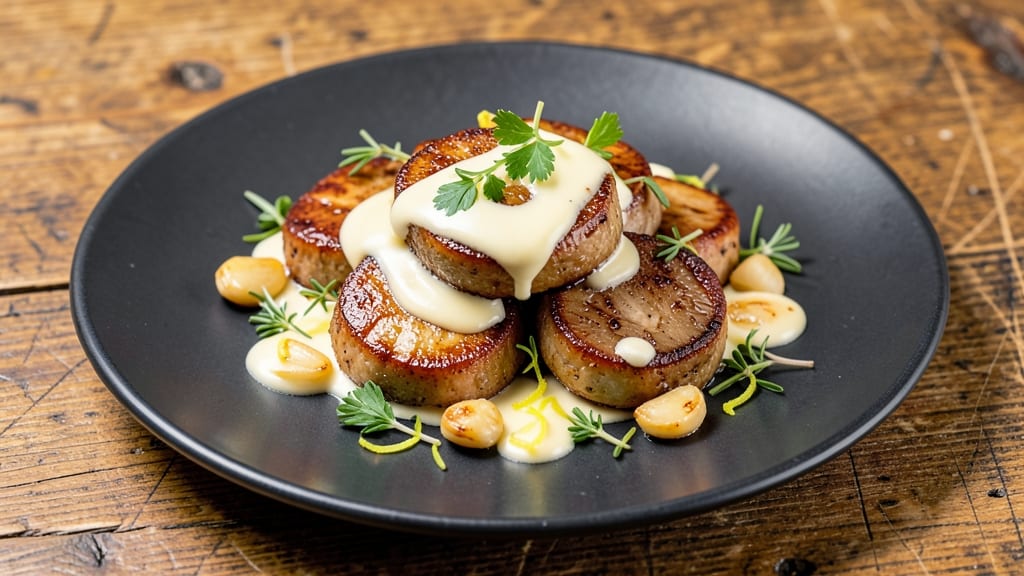
Pan-searing chicken livers transforms them from intimidating offal into rich, buttery bites that rival any restaurant dish. 🔥 After years of perfecting this technique—starting with my grandmother’s Sunday roast chicken—I’ve developed a method that delivers tender, flavorful results every time, even for first-time cooks.
The key lies in quick, high-heat cooking and precise seasoning to balance their natural intensity.
This recipe focuses on simplicity without sacrificing depth, using just pantry staples and 15 minutes of active time. Fresh herbs like thyme and parsley brighten the dish, while a touch of lemon zest cuts through the richness.
The secret? Pat the livers completely dry before cooking—this ensures they develop a golden crust while staying juicy inside, not rubbery.
By the end, you’ll have perfectly seared livers with a caramelized exterior and a velvety interior, ready to pair with mashed potatoes, crusty bread, or a crisp green salad. The flavor is bold but balanced—earthy, savory, and just slightly sweet—making it a showstopper for weeknight dinners or special occasions.
For those new to cooking liver, don’t let its reputation intimidate you. This method is foolproof, and the results are worth the effort. Once you master it, you’ll find yourself reaching for chicken livers more often—trust me, they’re one of nature’s most nutrient-dense, flavor-packed ingredients. Let’s get started!
Ingredients for chicken liver
Buttery richness meets herbaceous brightness in this foolproof chicken liver dish.
| Ingredient | Amount | Notes |
|---|---|---|
| Chicken Livers 🍗 | 1 lb | Fresh, trimmed of connective tissue |
| Unsalted Butter 🧈 | ½ cup | Cold, cut into 1/2-inch cubes |
| Fresh Thyme Leaves 🌿 | ¼ cup | Finely chopped, stems removed |
| Fresh Parsley Leaves 🌿 | ¼ cup | Finely chopped, flat-leaf preferred |
| Garlic Cloves 🧄 | 4 cloves | Minced, fresh preferred |
| Lemon Zest 🍋 | 1 tbsp | From organic lemon, finely grated |
| Kosher Salt 🧂 | 1 ½ tsp | Diamond Crystal preferred |
| Ground Black Pepper 🌶️ | 1 tsp | Freshly cracked, coarse grind |
| Extra-Virgin Olive Oil 🫒 | 1 tbsp | High smoke point, fruity |
| All-Purpose Flour 🌾 | 2 tbsp | For dredging, sifted |
| Dry White Wine 🍷 | ¼ cup | Sauvignon Blanc preferred |
| Chicken Stock 🥄 | ½ cup | Homemade or high-quality store-bought |
| Heavy Cream 🥛 | ¼ cup | Full-fat, cold |
The livers are the star—look for bright red, firm pieces at your local butcher or grocery store's meat counter. Trader Joe's and Whole Foods often carry the best quality, but any reputable market will do. If using frozen, thaw overnight in the fridge and pat completely dry with paper towels—this is non-negotiable for that perfect sear. I usually buy mine in bulk and freeze them myself, wrapped tightly in parchment paper. The herbs? Fresh thyme and parsley make all the difference here—dried will work in a pinch, but the flavor just isn't the same. Grab a small bunch of each and chop them finely before adding to the butter.
No white wine? Chicken stock works beautifully—just add a splash of lemon juice to mimic the acidity. Short on fresh herbs? Dried thyme at one-third the amount gets you close, but trust me, fresh is worth the effort. The flour is purely for dredging—no need to get fancy here, just sift it into a shallow bowl. For the butter, European-style or cultured butter adds extra richness, but regular unsalted works perfectly fine. If you're feeling adventurous, swap the chicken stock for vegetable stock and a splash of soy sauce for an Asian-inspired twist. Just remember: the livers should be completely dry before they hit the pan—wet livers will steam instead of sear.
This dish reheats beautifully—just warm gently in a skillet with a splash of stock or water. Keeps for 3-4 days in the fridge, but honestly, it's best enjoyed fresh. For meal prep, portion the livers into individual containers with a spoonful of the pan sauce—freezes for up to 3 months. The sauce thickens as it cools, so you can always loosen it with a splash of stock or water when reheating. Store the butter-herb mixture in the fridge for up to 1 week, covered tightly to preserve the freshness of the herbs.
Why You'll Love This Recipe
- One-Pan, One-Spatula Magic: I love that this recipe is basically set it and forget it—once the livers hit the pan, you’re just watching them develop that perfect crust while the wine reduces and the butter infuses. No last-minute scrambling to clean three pans or stressing over timing. Just crispy edges, creamy sauce, and a skillet that’s ready for the next meal.
- Buttery, Herby, Addictive: The way the cold butter, thyme, and parsley melt into those livers? It’s like a flavor hug. That lemon zest brightens it up, and the garlic cloves give it a little je ne sais quoi—rich but not heavy, with a crisp exterior that’s pure satisfaction. Trust me, the first bite will make you forget you ever doubted organ meats.
- Feeds a Crowd (or Just Me): This makes enough for four hearty servings, but honestly? I’ve eaten the whole pan myself on a Tuesday night. The leftovers keep for a few days, and if you freeze them with sauce, you’ve got a fancy protein for when you’re craving something special without the effort. My secret weapon for date night or when guests show up unannounced.
- Budget’s Friend, Flavor’s Star: Chicken livers are cheap—like, a fraction of the cost of chicken breast—but the flavor? Next-level. A pound of them with butter, wine, and herbs turns into a dish that feels indulgent without breaking the bank. Plus, the flour dredge and wine deglaze make every bite taste expensive. Win-win.
Step-by-step instructions for pan-seared chicken livers with herbs
Here's how to transform delicate chicken livers into luxurious, buttery bites with perfect texture.
🍳 Step 1: Prepare the Livers and Herb Butter
Rinse the 1 lb chicken livers under cold water and pat them completely dry with paper towels. Trim away any visible connective tissue or silver skin using a sharp knife. This step is crucial—wet livers will steam instead of sear.
In a small bowl, combine the ½ cup unsalted butter with the ¼ cup fresh thyme leaves, ¼ cup fresh parsley leaves, 4 minced garlic cloves, and 1 tbsp lemon zest. Mix well and set aside at room temperature. The herbs and zest will infuse into the butter while you cook, creating layers of flavor.
👨🍳 Step 2: Dredge and Sear the Livers
Place the 2 tbsp all-purpose flour in a shallow dish. Lightly dredge each chicken liver in the flour, shaking off any excess. This creates a delicate crust that helps hold the shape during cooking.
Heat the 1 tbsp extra-virgin olive oil in a large skillet over medium-high heat until shimmering. Add the dredged livers in a single layer, leaving space between them. Cook undisturbed for 2-3 minutes per side until they develop a golden-brown crust. You'll see the edges start to crisp—that's your signal to flip. Cooking too quickly will make them tough, so resist the urge to rush.
🍳 Step 3: Finish with Herb Butter and Wine Deglaze
Remove the livers from the pan and set them aside on a warm plate. Reduce the heat to medium-low and add the herb butter mixture to the skillet. Let it melt and bubble gently for 1-2 minutes until the butter foams and the herbs release their aroma.
Pour in the ¼ cup dry white wine and scrape up any browned bits from the bottom of the pan. These flavorful bits, called fond, are packed with concentrated flavor. Let the wine simmer for 2-3 minutes until reduced by half. Here's where it gets rich—add the ½ cup chicken stock and stir to combine. The wine's acidity cuts through the richness of the butter and livers.
🥘 Step 4: Create the Creamy Sauce
Return the livers to the skillet and spoon the sauce over them. Add the ¼ cup heavy cream and stir gently to coat the livers. Simmer for 1-2 minutes until the sauce thickens slightly but remains silky. The sauce should cling to the livers rather than pool at the bottom.
Season with the 1½ tsp kosher salt and 1 tsp ground black pepper, adjusting to taste. The livers should be tender with a slightly crisp exterior and a sauce that coats them beautifully. If the sauce is too thick, add a splash of warm water or chicken stock to reach your desired consistency.
🍽️ Step 5: Serve Immediately with Fresh Herbs
Transfer the livers to a serving platter and garnish with additional fresh parsley leaves for a pop of color. Serve warm with crusty bread to soak up the luxurious sauce. These livers are best enjoyed immediately while still warm and tender.
Real talk: Chicken livers can be tricky, but this method guarantees tender, flavorful bites every time. The key is patience during searing and proper preparation. You've got this—each bite will be worth the effort!
Pro Tips For Making Chicken Liver
- Trim Like a Pro: Don’t just eyeball those chicken livers—trim away every last bit of connective tissue and silver skin with a sharp knife. I learned this the hard way: one missed piece turns your perfect sear into a chewy, rubbery bite. Take the extra 10 minutes now to save yourself from frustration later.
- Salt the Butter: The herb butter is where the magic happens, but if you skip salting it, you’ll end up chasing flavor at the end. Sprinkle a pinch of that 1.5 tsp kosher salt right into the cold butter while mixing—it’ll dissolve into the fat and coat the livers evenly. Trust me, your taste buds will notice the difference.
- Flip When Crisp: Those livers aren’t ready to flip until the edges are golden and the surface looks like it’s resisting the pan. I used to rush it, and the result? Overcooked centers and tough texture. Wait for that crisp signal—2-3 minutes per side, undisturbed—or you’ll regret it.
- Wine Reduction Matters: Don’t just dump the ¼ cup dry white wine and walk away. Let it bubble and reduce by half—this is where the sauce builds depth. Skimp on the time, and you’ll end up with a thin, flavorless glaze instead of a rich, herby coating. Two minutes of simmering makes all the difference.
Storing and reheating your chicken liver
Fridge Storage Secrets
After cooking, let your livers cool completely before transferring to an airtight container—I use glass Pyrex with tight-sealing lids. Store them in the coldest part of your fridge at 40°F or below. The sauce will thicken slightly as it cools, which is normal.
If you want to prevent clumping, add a splash of chicken stock to the container before sealing. This method keeps them fresh for 3-4 days while preserving that buttery richness. 🥶
Freezing for Later
For longer storage, freeze individual portions in quart-sized freezer bags (squeeze out all air first). I like to portion the livers with a spoonful of sauce in each bag. Label with the date—these freeze beautifully for up to 3 months.
When ready to eat, thaw overnight in the fridge, then reheat gently in a skillet with a splash of stock to revive the sauce. Your freezer becomes your secret weapon for weeknight meals!
Reheating Like a Pro
Stovetop reheating is my preferred method for best texture. Place frozen or refrigerated livers in a cold skillet over medium-low heat, then add 1-2 tbsp chicken stock to prevent sticking. Cover with a lid and cook for 5-7 minutes, stirring occasionally, until heated through.
The sauce will loosen naturally—add more stock if needed. This gentle method maintains that perfect balance of crisp exterior and tender interior. 🔥
Sauce Revival Tricks
If your sauce has thickened too much after reheating, simply whisk in 1-2 tbsp warm water or stock until smooth. For extra richness, stir in 1 tsp cold butter while reheating. I often add a pinch of freshly cracked black pepper at this stage to brighten the flavors.
The key is to reheat slowly—never microwave these livers, as it can make them rubbery. Patience pays off in perfect texture every time.
Herb Butter Storage
The herb butter mixture can be made ahead and stored in the fridge for up to 1 week in an airtight container. I keep it in a small glass jar with a tight seal. Before using, let it sit at room temperature for 10-15 minutes to soften.
If the butter separates slightly, just stir it back together—it’s still delicious! This makes meal prep a breeze, as you can prep the butter ahead and just add it during cooking. 💛
Nutrition facts
Frequently asked questions
Why do chicken livers need to be patted so dry before cooking?
Drying the livers thoroughly is critical—wet livers will steam instead of sear, leaving you with a mushy texture. The patting process ensures a perfect golden-brown crust while keeping the inside tender. After rinsing, use paper towels to absorb every drop of moisture before cooking.
Can I skip the flour dredging step?
While you can omit the flour, dredging creates a delicate crust that helps the livers hold their shape during cooking. If you skip it, the livers may fall apart slightly. The flour also helps absorb excess moisture, ensuring a better sear.
What’s the best way to handle leftover herb butter?
The herb butter keeps well in an airtight container in the fridge for 1 week. Let it soften at room temperature before using. If it separates, just stir it back together—it’s still delicious! Store it in a small glass jar for easy access.
How do I prevent the sauce from getting too thick when reheating?
Whisk in 1-2 tablespoons of warm water or chicken stock to loosen the sauce. For extra richness, add a pat of cold butter while reheating. Never microwave—always use gentle stovetop heat to maintain texture.
Are there any substitutions for dry white wine?
Use chicken stock with a splash of lemon juice to mimic the acidity. For a wine-free option, try a mix of apple cider vinegar and stock—it works beautifully. The key is balancing richness with tanginess.