
Main Courses
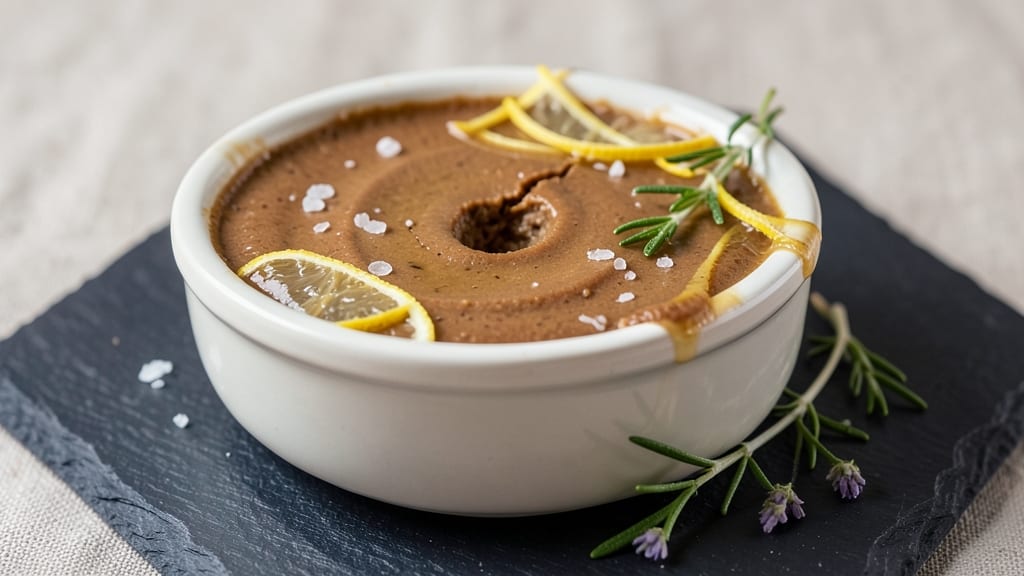
This chicken liver pâté recipe delivers the luxurious, velvety texture and rich flavor that makes it a centerpiece for any charcuterie board or elegant spread. The secret lies in precise blending and balancing earthy liver with bright citrus and aromatic herbs—transforming what might seem intimidating into a silky, restaurant-worthy condiment.
I developed this version after years of experimenting with ratios, and the celery crown adds a satisfying crunch that elevates every bite.
The process is methodical but straightforward, focusing on emulsification to ensure a smooth, spreadable consistency without graininess. You'll work with chicken livers, butter, and eggs to create a base that's rich yet refined, then brighten it with lemon zest and fresh herbs.
This isn't just a pâté—it's a foolproof technique that turns simple ingredients into something extraordinary, perfect for entertaining or impressing guests.
What you'll achieve is a pâté with a silky-smooth texture that melts on the tongue, balanced by the crisp, fresh bite of celery crowns. The flavor profile is complex yet harmonious: deep umami from the livers, bright acidity from the citrus, and herbal notes that linger.
It's the kind of spread that transforms crackers into gourmet bites or elevates a simple cheese plate into something memorable.
Store it properly in the refrigerator for up to a week, or freeze for longer shelf life—this pâté only gets better with time as flavors meld.
Whether you're serving it at a holiday gathering or enjoying it with toasted baguette slices on a lazy Sunday, this recipe delivers professional-quality results with minimal effort. Let's get started on creating your own luxurious spread.
Ingredients for chicken liver pate
Luxurious ingredients combine for a restaurant-quality chicken liver pâté with celery crown crunch.
| Ingredient | Amount | Notes |
|---|---|---|
| Chicken Livers 🐔 | 1 lb | Fresh, rinsed thoroughly |
| Unsalted Butter 🧈 | ½ cup | Cultured or European preferred |
| Large Eggs 🥚 | 2 whole | Room temperature for emulsification |
| Celery Crowns 🥬 | ½ cup | Fresh, finely chopped |
| Lemon Zest 🍋 | 1 tbsp | Organic for vibrant flavor |
| Fresh Thyme 🌿 | 1 tbsp | Leaves only, finely chopped |
| Fresh Tarragon 🌿 | 1 tbsp | Leaves only, finely chopped |
| Diamond Crystal Kosher Salt 🧂 | ½ tsp | Fine grain for precise seasoning |
| Freshly Ground Black Pepper 🌶️ | ¼ tsp | For aromatic depth |
| Beef or Chicken Stock 🥄 | ¼ cup | Low-sodium for control |
The quality of chicken livers dictates the final product—opt for freshly sourced, bright red livers from reputable butchers like Whole Foods Market or Culinary Corner. Rinse thoroughly under cold water to remove any impurities, then pat dry with paper towels. For optimal texture, use European-style cultured butter—it emulsifies better than standard American butter. The eggs must be room temperature to ensure proper emulsification; cold eggs create graininess. Fresh herbs like thyme and tarragon elevate the flavor profile significantly—avoid dried substitutes for this recipe.
Substitutions require careful consideration to maintain the pâté’s delicate balance. If celery crowns are unavailable, use finely diced celery stalks at the same quantity, though texture will differ slightly. For lemon zest, substitute lime zest at a 1:1 ratio, though the flavor profile shifts subtly. In a pinch, dried thyme at half the amount can replace fresh, but the aroma won’t be as pronounced. The stock can be omitted entirely if desired, but adding 2-3 tbsp of white wine instead enhances depth. Always prioritize quality over convenience—pre-shredded herbs or pre-grated cheese substitutes will compromise the final result.
For best results, prepare the pâté 1-2 days in advance to allow flavors to meld completely. Store in an airtight glass container in the refrigerator for up to 7 days, or freeze in portioned ice cube trays for up to 3 months. To serve, spread generously on toasted baguette slices or use as a luxurious dip for crackers. The texture improves slightly over time, so let it sit at room temperature for 10-15 minutes before serving to achieve the silkiest consistency. Always use stainless steel or glass utensils to avoid metallic flavors.
Why You'll Love This Recipe
- No-Fuss Emulsification: I’ll never forget the first time I made this pâté and the pâté just worked—no curdling, no scrambling, just that perfect silky texture. The room-temperature eggs and careful cooling of the livers make all the difference. It’s one of those recipes where you think, "How did I ever make this without this trick?"
- Herb-Kissed Richness: That combo of thyme, tarragon, and lemon zest? It’s like a little sunshine in every bite. The celery crowns add a fresh crunch, and the deep mahogany color from the cooked livers? Chef’s kiss. It’s rich but not heavy—more like a luxurious dip you’ll reach for again and again.
- Host’s Secret Weapon: I keep this pâté on hand for game days, brunch spreads, or even as a fancy appetizer for a weeknight dinner. Slather it on toasted baguette slices, pair it with crackers, or use it as a filling for stuffed mushrooms. It’s the kind of dish that makes you look like a pro with zero effort.
- Budget-Friendly Luxury: Chicken livers are one of the most affordable protein sources out there, and this recipe stretches them into something ridiculously good. Plus, the pâté keeps for weeks in the fridge or freezer—meaning you can make a big batch and never waste a scrap. It’s the kind of meal that feels indulgent without breaking the bank.
Step-by-step instructions for chicken liver pâté
Transforming rich chicken livers into velvety pâté requires precision and patience—this method delivers a silky texture with vibrant herb notes.
Prepare the Chicken Livers for Cooking
Rinse the 1 lb chicken livers thoroughly under cold water to remove any blood, then pat them completely dry with paper towels. This step is critical—any moisture left on the livers will cause the pâté to steam instead of emulsify properly. Trim away any connective tissue or silver skin using a sharp knife, then finely chop the cleaned livers into small, even pieces.
In a large skillet over medium-high heat, melt ¼ cup of the unsalted butter until it foams. Add the chopped chicken livers and cook for 5-6 minutes, stirring frequently, until they turn a deep mahogany color and are fully opaque. The livers should release their juices and form a thick, concentrated base. Immediately transfer the cooked livers to a bowl and set aside to cool slightly—this prevents the eggs from scrambling when added later.
Sauté the Herb and Celery Crown Base
In the same skillet (no need to clean it—the fond is flavor gold), reduce the heat to medium and add the remaining ¼ cup unsalted butter. Once melted, add the ½ cup finely chopped celery crowns and cook for 4-5 minutes until they soften and release their moisture. Add the 1 tbsp finely chopped fresh thyme, 1 tbsp finely chopped fresh tarragon, and 1 tbsp lemon zest, cooking for another 1-2 minutes until the herbs are fragrant and the celery is tender but not browned.
Pour in ¼ cup beef or chicken stock and scrape up any browned bits from the bottom of the pan. Simmer for 2-3 minutes until the liquid reduces by half, creating a thick, aromatic paste. This reduction intensifies the flavors and ensures the pâté has depth. Remove from heat and let the mixture cool completely—this prevents the eggs from curdling when combined.
Emulsify the Pâté for Silky Texture
In a food processor or high-powered blender, combine the cooled chicken livers, herb-celery mixture, 2 large eggs (room temperature), ½ tsp diamond crystal kosher salt, and ¼ tsp freshly ground black pepper. Pulse briefly to break down the mixture, then process on high speed for 1-2 minutes until completely smooth and homogeneous. Scrape down the sides as needed to ensure even blending.
For a refined finish, transfer the mixture to a mixing bowl and fold gently with a spatula until fully emulsified. The pâté should have a glossy, mousse-like consistency—if it’s too thick, add 1-2 teaspoons of the reserved herb stock to loosen it. Taste and adjust seasoning if needed, keeping in mind the pâté will develop more flavor as it chills. Transfer to a serving dish and refrigerate for at least 4 hours (or overnight) to allow flavors to meld and the texture to set.
Serve with Crispy Celery Crown Topping (Optional)
For added texture, lightly toast the remaining ⅛ cup chopped celery crowns in a dry skillet over medium heat for 2-3 minutes until golden and crisp. Sprinkle these over the chilled pâté just before serving to contrast the silky spread with a satisfying crunch.
The finished pâté should be velvety, with a vibrant green hue from the herbs and a bright citrus note from the lemon zest. Serve on toasted baguette slices or with crackers for an elegant appetizer. Store any leftovers in an airtight container in the refrigerator for up to 5 days, or freeze for 3 months.
Pro Tips For Making Chicken Liver Pate
- Rinse Livers Thoroughly: Blood and bile ruin texture—plunge them in cold water, swish them around, then pat dry with paper towels. I learned this the hard way after a batch turned gritty; no one wants to taste that metallic kick.
- Sear in Batches: Crowding the pan steams the livers instead of browning them. Use a 12-inch skillet and work in two batches—high heat, 3-4 minutes per side—until deeply golden. Skip the crowding, or you’ll end up with sad, pale lumps.
- Whisk Eggs Cold: Warm eggs bind poorly and make the pâté grainy. Whisk them straight from the fridge with the lemon zest and celery—cold fat emulsifies better, and the acid brightens the flavor. Trust me, your future self will notice the difference.
- Strain the Purée: No one wants fibrous bits in their pâté. After blending the cooked livers with butter, press the mixture through a fine-mesh sieve into a bowl. It’s extra work, but the result is silky—like you spent hours, not minutes.
Best sauces and condiments for chicken liver pate
Bright Citrus Drizzle
Elevate your pâté with a zesty lemon-garlic drizzle—mix 2 tbsp fresh lemon juice with 1 minced garlic clove and 1 tsp honey. This brightens the rich liver flavors and adds a touch of sweetness.
Drizzle just before serving to maintain freshness. I love using organic lemon juice from Trader Joe’s for its vibrant tang. 🍋
Herb-Infused Olive Oil
A drizzle of herb-infused olive oil adds depth—heat ¼ cup extra-virgin olive oil with 2 tbsp chopped fresh tarragon and 1 tbsp fresh thyme for 5 minutes over low heat.
Strain and drizzle over the pâté. This enhances the herbal notes without overpowering. I use California-grown olive oil from Wild Olive Company for its smooth finish.
Spicy Mustard Swirl
For heat lovers, swirl in 1 tbsp Dijon mustard mixed with ½ tsp smoked paprika and a pinch of red pepper flakes. This adds a tangy kick that balances the pâté’s richness.
I recommend Penzeys smoked paprika for its deep, smoky flavor. The mustard also helps emulsify if the texture feels too thick. 🌶️
Crispy Shallot Garnish
Top with crispy shallots for a caramelized crunch—sauté thinly sliced shallots in 1 tbsp butter until golden and crispy, about 8-10 minutes. This adds a sweet, savory contrast that cuts through the pâté’s richness. I use yellow shallots for their delicate flavor. Sprinkle just before serving.
Warm Bread & Butter
Serve with buttery, toasted bread—butter a baguette slice with salted European-style butter like Plugrá and toast until golden. The warm, buttery crust soaks up the pâté beautifully and adds another layer of texture. I always toast the bread right before serving to keep it crisp. 🍞
Nutrition facts
Frequently asked questions
Why does my pâté come out grainy instead of silky?
Graininess usually happens when ingredients aren't fully cooled before blending or when eggs are cold. Always let the cooked livers and herb mixture cool completely before adding the 2 room-temperature eggs. Also, pulse briefly first to break down larger pieces before blending on high for 1-2 minutes. If it's still grainy, add 1-2 teaspoons of stock to help emulsify. The key is patience—rushing the blending process causes texture issues!
Can I make this pâté ahead of time?
In fact, it benefits from resting. After emulsifying, refrigerate the pâté for at least 4 hours (or overnight) to let flavors meld completely. The texture actually improves as it chills, becoming even smoother. Just let it sit at room temperature for 10-15 minutes before serving for the best spreadability.
What if I don’t have a food processor?
No problem! Use a sturdy blender or even a hand mixer with a whisk attachment. For extra effort, finely chop the cooled ingredients by hand and mix vigorously with a spoon, though it may take longer to achieve that silky texture. The 2 eggs act as an emulsifier, so they're critical for smoothness regardless of your blending method.
How do I prevent the pâté from separating?
Separation often happens if ingredients aren't properly cooled or if you add too much liquid. Always let the cooked livers cool slightly before blending with eggs, and only add 1-2 teaspoons of stock if needed to adjust thickness. When folding after blending, do it gently with a spatula to maintain the emulsion. If it starts separating, stir in a tiny bit of the reserved herb stock to help re-emulsify.