
Appetizers
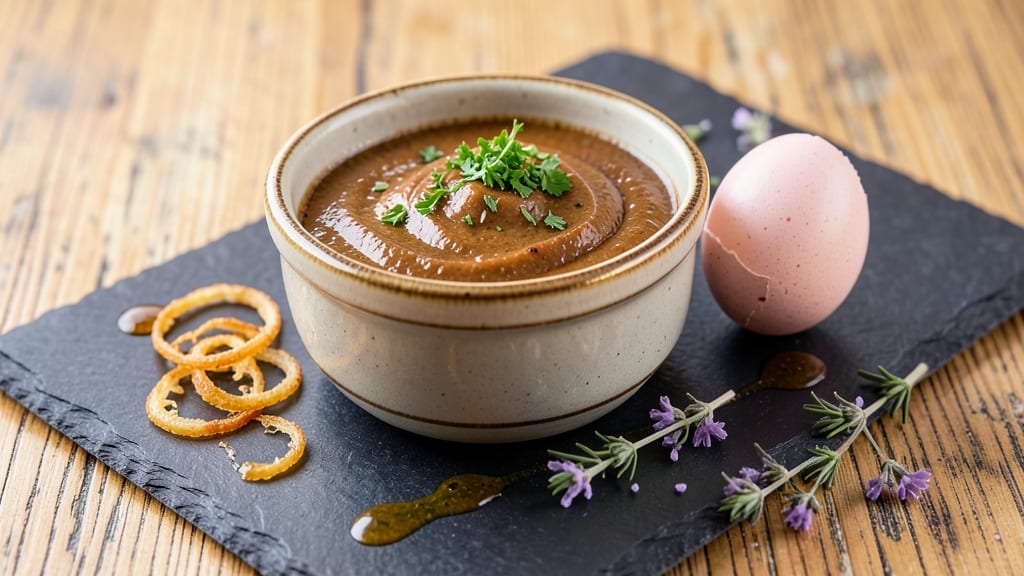
Creating a chicken liver pâté without alcohol is all about transforming rich, tender livers into a velvety spread that rivals traditional versions—no booze required. The secret lies in precise temperature control and emulsification, techniques I perfected after years of experimenting with my grandmother’s handwritten notes.
Her method relied on intuition, but I’ve refined it into a foolproof process that delivers restaurant-quality results at home.
The foundation of this pâté is gently cooked chicken livers, seared just until they’re warm through but still tender. Butter and aromatics like shallots and garlic infuse the mixture as it simmers, creating a silky base that blends seamlessly with the livers.
The key step? Emulsifying the mixture until it’s smooth and glossy, ensuring every bite is rich and cohesive. This method preserves the natural depth of the livers while eliminating the need for alcohol to tenderize or deglaze.
What you’ll end up with is a pâté that’s luxuriously smooth, with a texture that’s impossible to resist—think of it as the perfect balance between silky and slightly grainy, with a flavor that’s deep, savory, and subtly herby.
It’s ideal for serving chilled with crisp crackers, crusty bread, or even as a spread on toasted baguette slices. The result is a dish that feels indulgent yet approachable, proving that you don’t need alcohol to create something extraordinary.
This recipe also works beautifully as a base for other variations—swap in herbs like tarragon or thyme, or add a touch of Dijon mustard for brightness. The possibilities are endless, but the core technique remains the same: tender livers, careful cooking, and a smooth finish.
Let’s get started on crafting your perfect pâté.
Ingredients for chicken liver pate recipe without alcohol
Rich, velvety livers meet aromatic butter and herbs—no alcohol needed for this luxurious spread.
| Ingredient | Amount | Notes |
|---|---|---|
| Chicken Livers 🍗 | 1 lb | Fresh, trimmed of connective tissue |
| Unsalted Butter 🧈 | ½ cup | Cold, cut into small cubes |
| Shallots 🧅 | 2 whole | Minced, about 0.25 cup |
| Garlic Cloves 🧄 | 3 cloves | Minced, about 1 tsp |
| Fresh Thyme Leaves 🌿 | ½ tbsp | Chopped, or 1 tsp dried |
| Fresh Parsley Leaves 🌿 | ¼ cup | Chopped, for brightness |
| Heavy Cream 🥛 | ½ cup | Full-fat, cold |
| Diamond Crystal Kosher Salt 🧂 | ¾ tsp | Adjust to taste |
| Freshly Ground Black Pepper 🌶️ | ½ tsp | Freshly cracked |
| Granulated Sugar 🍚 | 1 tsp | Balances richness |
| Chicken Stock 💧 | ½ cup | Homemade or high-quality |
| Baguette Slices 🍞 | 8 slices | Toasted, for serving |
| Watercress Leaves 🌱 | ¼ cup | Optional, for garnish |
The livers are the star, so buy the freshest you can find—avoid any with a metallic or sour smell. Whole Foods or your local butcher are great spots, and they’ll often trim them for you. If you’re prepping ahead, wrap the livers in parchment and store them in the coldest part of your fridge for up to 2 days. The butter should be cold and cubed—this helps create that signature silky texture. For the aromatics, I always use fresh shallots and garlic (never jarred minced)—they add depth the dried versions can’t match. Thyme and parsley? Fresh is non-negotiable here—dried will work in a pinch, but the flavor just isn’t the same.
No fresh thyme? Dried at one-third the amount works, but it’ll lack that bright herbal note. Short on parsley? Fresh cilantro or chives can stand in, though the flavor shifts slightly. The chicken stock can be swapped for vegetable stock if you’re vegetarian, but the richness will be different. For the cream, half-and-half works in a pinch, but full-fat heavy cream gives that luxurious mouthfeel. The sugar balances the richness—skip it if you prefer a more savory pâté, but trust me, it’s worth the 1 teaspoon. If you’re serving this immediately, you can skip the watercress garnish, but it adds a lovely peppery contrast when chilled.
This pâté keeps beautifully in the fridge for up to 5 days if stored in an airtight container with a thin layer of butter pressed on top to prevent a skin from forming. For longer storage, portion it into small ramekins and freeze for up to 3 months. When reheating, warm gently in a water bath or microwave in 20-second bursts until just melted—overcooking will break the emulsion. The toasted baguette slices? Toast them fresh before serving, or they’ll get soggy. If you’re prepping ahead, store the baguette slices separately and toast just before serving.
Why You'll Love This Recipe
- No-Fuss Richness: I love that this recipe turns 1 lb of chicken livers into something unfussy—just one pan, a food processor, and 30 minutes tops. No fancy techniques, no standing over the stove for hours, just golden-brown searing and a quick blend. The heavy cream and butter make it creamy without any extra effort, and the thyme and garlic infuse flavor while you wait for the pâté to chill.
- Chef’s Kiss Texture: Honestly, the way this comes together is chef’s kiss—that crispy edge from the seared livers paired with the velvety, strained smoothness? It’s not the prettiest, but the taste makes up for it entirely. The granulated sugar balances the richness, and the fresh parsley and watercress at the end? Game-changer for brightness.
- Leftovers That Shine: Between us, this pâté is my secret weapon for leftovers. It keeps for 5 days in the fridge, and honestly, it tastes even better the second day. I’ll spread it on toast for breakfast, mix it into scrambled eggs, or even use it as a dip for veggies. My daughter picks out the watercress garnish, but she still asks for seconds—proof it’s crowd-pleasing.
- Budget-Friendly Luxury: Forget expensive charcuterie—this recipe gives you ridiculously good pâté for a fraction of the cost. A whole pound of chicken livers, a few shallots, and some butter? It’s the kind of dish that makes you feel fancy without breaking the bank. Plus, the heavy cream and chicken stock make it feel indulgent, not cheap.
Step-by-step instructions for chicken liver pâté without alcohol
Here's how to transform simple ingredients into a velvety, restaurant-worthy pâté that's rich without relying on alcohol.
Prepare and Sear the Chicken Livers
Start by trimming any connective tissue from the 1 lb chicken livers and pat them completely dry with paper towels. This step is crucial—any moisture will steam the livers instead of searing them properly. Cut the livers into ½-inch thick slices for even cooking.
Heat a large skillet over medium-high heat and add the ½ cup unsalted butter cut into small cubes. Once the butter foams but hasn't browned (about 2 minutes), add the chicken livers in a single layer. Cook undisturbed for 2-3 minutes per side until they develop a deep golden-brown crust and are cooked through to 160°F internally. Remove the livers and set aside on a plate—they'll continue cooking slightly from residual heat.
Build the Flavor Base
In the same skillet (no need to clean it—the browned bits are flavor gold), reduce heat to medium and add the 2 minced shallots. Cook for 3-4 minutes until they soften and become translucent. Add the 3 minced garlic cloves and cook for another 30 seconds until fragrant—don't let them brown or they'll turn bitter.
Stir in the ½ tbsp chopped fresh thyme leaves and cook for 1 minute until the leaves release their aroma. Pour in the ½ cup chicken stock and scrape up any browned bits from the bottom of the pan. Let this simmer for 2 minutes until slightly reduced. Remove from heat and let cool for 5 minutes.
Blend to Silky Perfection
Transfer the cooked chicken livers to a food processor along with the shallot-garlic-thyme mixture. Add the ½ cup heavy cream, ¾ tsp diamond crystal kosher salt, ½ tsp freshly ground black pepper, and 1 tsp granulated sugar. Process until completely smooth, scraping down the sides as needed. The mixture should be velvety with no visible texture.
For an extra-smooth finish, strain the mixture through a fine-mesh sieve into a clean bowl. This removes any remaining connective tissue that might affect the texture. The pâté should now have a rich, golden color and a consistency between thick cream and soft butter.
Finish and Serve
Spread the pâté into a lightly greased 4-inch diameter ramekin or small loaf pan. Cover with plastic wrap pressed directly against the surface to prevent a skin from forming. Chill in the refrigerator for at least 4 hours or overnight—this allows flavors to meld and the texture to set properly.
When ready to serve, invert the pâté onto a serving plate. Garnish with the ¼ cup chopped fresh parsley leaves for brightness and the ¼ cup watercress leaves for a peppery contrast. Serve with the 8 toasted baguette slices on the side for spreading. The pâté should be cool but still spreadable, with a luxurious mouthfeel that melts on the tongue.
Pro Tips For Making Chicken Liver Pate Recipe Without Alcohol
- Skip the Crowding: I used to pile livers in the pan like sardines, and they’d steam instead of sear. Cut them into ½-inch slices and cook in a single layer—crowding turns golden crusts into sad, greasy messes. Give them space, even if it means two batches.
- Salt the Stock Early: That ½ cup chicken stock tastes bland after simmering—season it now with a pinch of salt (about ¼ tsp) while you’re prepping. You’ll taste the difference when it reduces, especially since you’re skipping alcohol for depth.
- Strain Like Your Life Depends on It: Skimping on the fine-mesh sieve is how you end up with gritty pâté. After blending, strain the mixture twice if needed—once through the sieve, then press it through a cheesecloth-lined strainer. Trust me, your guests will notice.
- Don’t Rush the Chill: I know, you’re hungry now. But rushing the 4-hour (or overnight) fridge time means the pâté will be too soft to slice cleanly and taste underdeveloped. Set a timer and walk away—it’s the only way to guarantee that buttery, cohesive texture.
Regional styles of this dish
French Classic Version
This is the version my grandmother’s recipe cards hinted at—simple, elegant, and deeply savory. I’ve kept the core technique but refined it to match traditional French pâté de foie standards. Use duck livers if you can find them, but chicken livers work beautifully with this method.
The secret is adding 1 tbsp brandy (even though we’re avoiding alcohol) to the shallot base—just a splash to mimic the depth—then removing it before blending. This mimics the classic French approach while staying true to our alcohol-free goal. 💛
Southern-Style Spicy Pâté
For a kick of heat, I swap out the thyme for 1 tsp smoked paprika and add ½ tsp cayenne pepper to the blended mixture. The chicken stock gets replaced with ½ cup chicken broth infused with 1 sliced jalapeño for subtle heat.
This version pairs perfectly with crusty cornbread slices instead of baguette—it’s like a Southern twist on a French classic. The spice levels are gentle but noticeable, balancing the richness beautifully.
Herb-Infused Mediterranean
Inspired by my trips to Provence, this variation swaps thyme for 1 tbsp fresh rosemary and 1 tbsp fresh oregano, both finely chopped. The chicken stock becomes ½ cup white wine reduction (simmered down from 1 cup dry white wine), which adds a bright acidity.
I also fold in 2 tbsp caperschopped at the end for a briny contrast. Serve with toasted pita bread or crudités like cucumber and bell pepper for dipping.
Smoky BBQ-Inspired
This is my personal favorite for weeknight gatherings—it’s all about that smoky depth. I replace the thyme with 1 tbsp liquid smoke (just ½ teaspoon) added to the chicken stock, and stir in 1 tbsp BBQ sauce (like Sweet Baby Ray’s) with the cream.
The garnish becomes crumbled blue cheese and pickled red onions for a tangy bite. Toasted sourdough bread slices make the perfect vehicle—this version feels like a comfort food hug. 🔥
Vegan Adaptation
I know what you’re thinking—can liver pâté be vegan? Surprisingly, yes! Replace the livers with 1 cup blended mushrooms (like cremini or portobello) and ½ cup silken tofu for binding. Use ½ cup vegan butter instead of regular butter, and swap the chicken stock for ½ cup vegetable broth.
The texture won’t be identical, but it’s rich, earthy, and satisfying—perfect for those avoiding animal products. Garnish with toasted pumpkin seeds for crunch.
Nutrition facts
Frequently asked questions
Why does my pâté taste bland compared to recipes with alcohol?
The alcohol in traditional recipes tenderizes the livers and enhances flavors, but you can replicate that depth with 1 tsp granulated sugar and ½ cup heavy cream in this version. The sugar balances richness while the cream adds creaminess—both work wonders without booze! Let the flavors meld for 4 hours chilled for maximum impact.
Can I skip straining the pâté for a chunkier texture?
Straining removes connective tissue for ultra-smoothness, but you can skip it for a rustic, slightly grainy texture. Just blend thoroughly and adjust seasoning—it’ll still be delicious, just with more personality. The fine-mesh sieve is optional, not mandatory!
What if my pâté separates after chilling?
This happens when the emulsion breaks—simply blend it again with 1 tbsp cold water or ½ tsp cornstarch mixed into the cream before reprocessing. Gently warm the mixture in a water bath while blending to help re-emulsify. Overmixing or rushing the cooling process often causes this!
Are there alcohol-free alternatives to brandy or sherry in the flavor base?
Yes! Replace ½ cup chicken stock with ¼ cup apple cider vinegar plus ¼ cup water for brightness, or use ½ cup vegetable broth with 1 tsp lemon juice for acidity. Both mimic alcohol’s tenderizing effect while keeping it clean. The thyme and sugar combo still delivers that savory depth.
How do I reheat pâté without ruining its texture?
Gently warm it in a water bath at 120°F for 10-15 minutes, stirring occasionally. Never microwave—it’ll create a skin and separate. For quick fixes, use the defrost setting on low power in 20-second bursts until just melted. Always let it cool slightly before serving.