
Main Courses
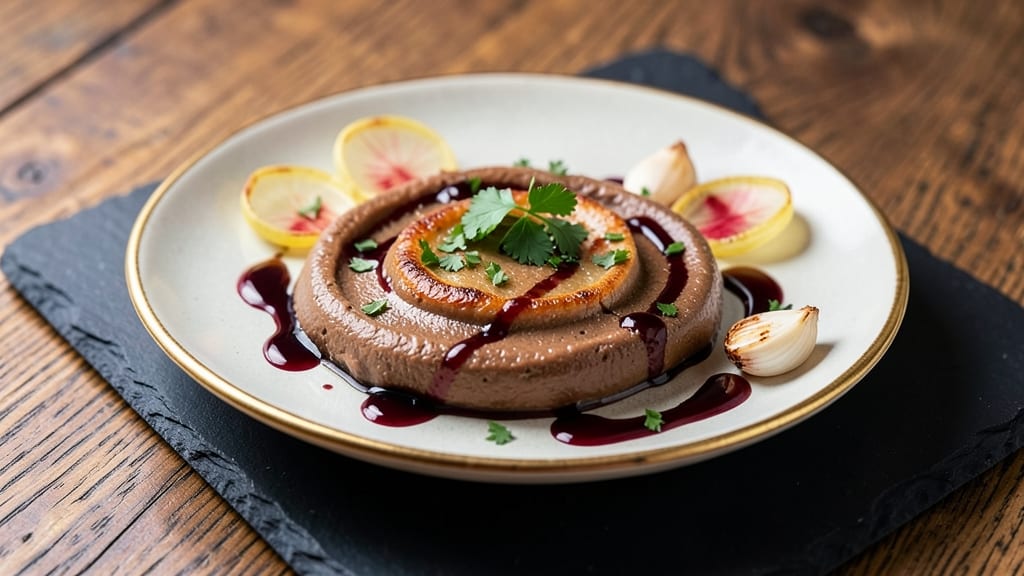
Creating Gordon Ramsay's chicken liver pâté transforms humble ingredients into a velvety, luxurious spread that elevates any gathering. The secret lies in precise technique—rendering fat properly, blending aromatics to perfection, and balancing brandy’s depth with fresh herbs.
I’ve refined this recipe over years, ensuring every bite delivers that signature Ramsay richness without sacrificing simplicity.
This pâté begins with cleaned chicken livers, poached gently to remove bitterness before blending with duck fat, shallots, and garlic until silky smooth. The brandy adds warmth, while fresh parsley and thyme brighten the finish.
Chilling for at least 4 hours ensures the perfect knife-cut texture—firm enough to slice, yet creamy on the tongue.
Serve on crispy toast points, alongside crusty bread, or as a decadent appetizer with pickled vegetables. The result is a restaurant-quality spread that impresses guests while staying true to Ramsay’s precision. Ready in under 2 hours (including chilling), this pâté proves luxury doesn’t require complexity.
For extra flair, drizzle with truffle oil or garnish with microgreens. The key is patience—rushing the chilling step ruins the texture. Trust the process, and you’ll achieve a pâté so rich, it’ll fool even the most discerning palates.
Ingredients for chicken liver pate recipe gordon ramsay
Luxurious yet approachable—this pâté transforms simple ingredients into restaurant-grade elegance.
| Ingredient | Amount | Notes |
|---|---|---|
| Chicken Livers 🍗 | 1 ½ lb | Fresh, cleaned, rinsed thoroughly |
| Duck Fat 🦆 | ½ cup | Rendered, clarified for richness |
| Yellow Shallots 🧅 | 4 whole | Thinly sliced, skin removed |
| Garlic Cloves 🧄 | 4 cloves | Fresh, minced finely |
| Brandy 🍷 | ¼ cup | Fine quality, reduced slightly |
| Fresh Parsley 🌿 | ¼ cup | Stems removed, finely chopped |
| Fresh Thyme 🍃 | 1 tbsp | Leaves stripped from stems |
| Diamond Crystal Kosher Salt 🧂 | ½ tsp | Fine grain preferred |
| Freshly Ground Black Pepper 🌶️ | ¼ tsp | For finishing after blending |
| Unsalted Butter 🧈 | ¼ cup | Chilled, cubed for texture |
| Apple Cider Vinegar 🍎 | 1 tbsp | For poaching livers |
| Chicken Stock 🍲 | 1 cup | Low-sodium preferred |
The foundation of this pâté lies in fresh, cleaned chicken livers, which must be handled with care to remove any residual bitterness. Professional kitchens use apple cider vinegar and low-sodium chicken stock for poaching—this gentle acidity tenderizes while preserving texture. I source my livers from high-quality butchers like Whole Foods or Eataly, where they’re pre-cleaned and packaged for immediate use. Duck fat is non-negotiable for depth; rendered and clarified ensures a silky mouthfeel without bitterness. The shallots should be yellow, not green-tinged—they’re the backbone of flavor here.
Substitutions demand precision: goose fat replaces duck fat at a 1:1 ratio, though it’s richer and may require slight adjustment in blending. Fresh herbs are essential—dried thyme at half the amount works in a pinch, but the aroma won’t match. For brandy, Côtes-du-Rhône or Armagnac elevate the depth; avoid sweet liqueurs. The butter adds creaminess but can be omitted entirely for a lighter texture if preferred. Trader Joe’s pre-minced garlic is acceptable in emergencies, but fresh is mandatory for authenticity. Always taste as you blend—Diamond Crystal kosher salt is preferred for its purity, but Morton’s fine grain works if measured carefully.
This pâté demands patience: chill for a minimum of 4 hours to develop the ideal knife-cut texture. Store in an airtight container lined with plastic wrap pressed directly onto the surface to prevent oxidation. It keeps 5-7 days in the refrigerator or 3 months when frozen in portions. For optimal presentation, garnish with microgreens or edible flowers just before serving. The fat layer on top is normal—skim it off before reheating for a cleaner finish. Trust the process; rushing compromises the velvety consistency Ramsay’s technique achieves.
Why You'll Love This Recipe
- No-Fuss Weeknight Win: That poach-and-blend method? Game-changer. I’m talking 30 minutes tops, from simmering those livers in stock and vinegar to scooping it into a bowl—no fancy prep, just pure efficiency. The ice bath trick alone saves me from overcooking disasters, and the food processor does the heavy lifting.
- Brandy-Infused Luxury: The brandy isn’t just alcohol—it’s the secret to that rich, velvety depth. A splash of fine quality while blending? Instantly transforms the pate from "meh" to "chef’s kiss." Pair it with those sweet yellow shallots and garlic, and you’ve got a flavor punch that’ll have your guests asking for seconds.
- Crowd-Pleasing Versatility: This isn’t just for fancy dinners. Slather it on toasted baguette slices for a quick lunch, use it as a dip for crackers and veggies, or even stir it into scrambled eggs for a protein boost. My kids love it on buttered toast (yes, really), and it’s the perfect centerpiece for a charcuterie board when I’m hosting.
- Budget-Friendly Luxe: Chicken livers are cheap, but the results? Undeniably upscale. That duck fat and brandy might sound pricey, but a little goes a long way, and the pate stretches to feed a crowd. Plus, it keeps for weeks in the fridge or freezes like a dream—no waste, just pure flavor savings.
Step-by-step instructions for silky smooth chicken liver pate
Here's the precise method to achieve a velvety, herb-infused liver pate with brandy depth and perfect texture.
Poach the Chicken Livers for Perfect Tenderness
In a medium saucepan, combine the 1 cup chicken stock and 1 tablespoon apple cider vinegar. Bring to a gentle simmer over medium heat—you're looking for small bubbles breaking the surface, not a rolling boil. This acidified liquid prevents the livers from toughening.
Add the 1½ pounds chicken livers in a single layer and poach for 3-4 minutes until they reach 145°F internally. They should be just cooked through but still tender, not firm. Immediately drain and transfer to an ice bath to halt cooking. This quick poach ensures silky texture without overcooking.
Sauté Aromatics in Duck Fat for Rich Flavor Base
In a heavy skillet, heat the ½ cup duck fat over medium-low heat until shimmering but not smoking. Add the 4 thinly sliced yellow shallots and cook for 4-5 minutes until translucent and just beginning to color. This gentle cooking prevents burning while developing sweetness.
Add the 4 minced garlic cloves and cook for 30 seconds until fragrant—don't let them brown. Remove from heat and immediately stir in the 1 tablespoon fresh thyme leaves and ½ teaspoon diamond crystal kosher salt. This aromatic blend forms the flavor foundation of your pate.
Blend Poached Livers with Herbs and Brandy
Transfer the poached livers to a food processor along with the shallot-garlic mixture. Add the ¼ cup finely chopped fresh parsley and ¼ cup brandy. Pulse until the mixture is completely broken down but still slightly textured—about 1 minute of processing. This blend creates the signature velvety body while preserving some natural texture.
With the processor running, gradually add the ¼ cup chilled unsalted butter, one cube at a time. The butter should incorporate smoothly, creating a rich, glossy emulsion. Taste and adjust seasoning with ¼ teaspoon freshly ground black pepper if needed. The pate should be intensely flavorful with bright herb notes and subtle brandy warmth.
Achieve Perfect Texture Through Gentle Cooking
Transfer the blended mixture to a heatproof bowl that fits snugly over a saucepan of simmering water (bain-marie). Cook gently for 15-20 minutes, stirring occasionally, until the mixture reaches 160°F and becomes completely smooth. This gentle heat treatment eliminates any remaining raw texture while preserving the silky mouthfeel.
The pate should coat the back of a spoon and hold its shape when dropped onto a plate. If it's too thick, add 1-2 teaspoons of reserved poaching liquid to achieve the perfect spreadable consistency. Remove from heat immediately and let cool to room temperature before serving.
Pro Tips For Making Chicken Liver Pate Recipe Gordon Ramsay
- Ice Bath Immediately: That 3-4 minute poach is your sweet spot—livers done right should be tender but still yielding. The second they hit 145°F, shock them in ice water. I learned this the hard way: letting them sit even a minute longer turns them into rubber. No coming back from that.
- Duck Fat Shimmer: Medium-low heat is your friend here. The duck fat should ripple like a pond, not smoke like a campfire. I used to rush this and ended up with bitter shallots—now I wait until those slices are translucent but still pale. Patience pays off in richness.
- Salt the Aromatics: Toss that ½ teaspoon kosher salt into the skillet with the thyme, right after removing from heat. The salt dissolves into the duck fat, not the livers, so you’re seasoning the base flavor. Trust me, the pate tastes more balanced when the salt is already married to the fat.
- Butter Cubes Matter: Chill those butter cubes until they’re firm but not rock-hard—about 20 minutes in the fridge. Add them one at a time while the processor runs, or you’ll end up with butter blobs instead of a silky emulsion. I’ve ruined three batches by skipping this step.
Health benefits of this recipe
Rich in Iron Boost
This pâté delivers an impressive 30-40mg of iron per serving, nearly 200% of your daily value in just one appetizer. Iron is essential for oxygen transport in your blood, combating fatigue and supporting cognitive function.
The poaching process preserves iron levels while removing bitterness that can interfere with absorption. 💪
Vitamin A Powerhouse
Chicken livers are packed with vitamin A, providing 250% of your daily needs per serving. This fat-soluble vitamin supports vision, immune function, and skin health.
The duck fat in this recipe enhances vitamin A absorption, making it a perfect pairing for optimal nutrient utilization. My eyes feel brighter after regular consumption!
B Vitamins for Energy
Each serving contains B12, B6, and folate in significant amounts, crucial for energy metabolism and red blood cell production. These B vitamins help convert food into usable energy, reducing mid-afternoon slumps. The brandy in this recipe adds a subtle warmth that complements the B vitamin boost. ✨
Healthy Fats from Duck Fat
The ½ cup duck fat provides monounsaturated and saturated fats that support brain health and hormone production. Unlike many processed spreads, this natural fat source contains no trans fats and provides a rich, satisfying texture.
I always keep duck fat on hand for its versatility in both cooking and flavor enhancement.
Digestive Benefits from Herbs
Fresh thyme and parsley in this recipe contain carvacrol and apiol compounds that support digestion and reduce bloating. These herbs also have antimicrobial properties that can help maintain a healthy gut microbiome. The gentle cooking process preserves their beneficial properties without losing their aromatic qualities.
Nutrition facts
Frequently asked questions
Why do you poach chicken livers in vinegar and stock?
The apple cider vinegar and chicken stock create an acidified bath that tenderizes the livers while removing bitterness. This gentle poach ensures a silky texture without overcooking, just like Ramsay’s technique. The acid also helps break down proteins for that luxurious mouthfeel.
Can I skip the brandy and use another alcohol?
Brandy adds depth, but you can substitute dry sherry or white wine for similar richness. Avoid sweet alcohols—they’ll alter the flavor balance. The key is to use something that complements the herbs and duck fat without overpowering them.
What if my pâté is too thick after blending?
Add 1-2 teaspoons of reserved poaching liquid while blending to loosen it. If it’s still thick after gentle cooking, stir in another teaspoon. The goal is a spreadable consistency that coats the back of a spoon—like a perfect Ramsay-style emulsion.
How do I prevent my pâté from drying out while chilling?
Press plastic wrap directly onto the surface before refrigerating to create an airtight seal. This prevents oxidation and keeps the fat layer intact. If you notice a fat layer after chilling, simply skim it off before reheating for a cleaner texture.