
Main Courses
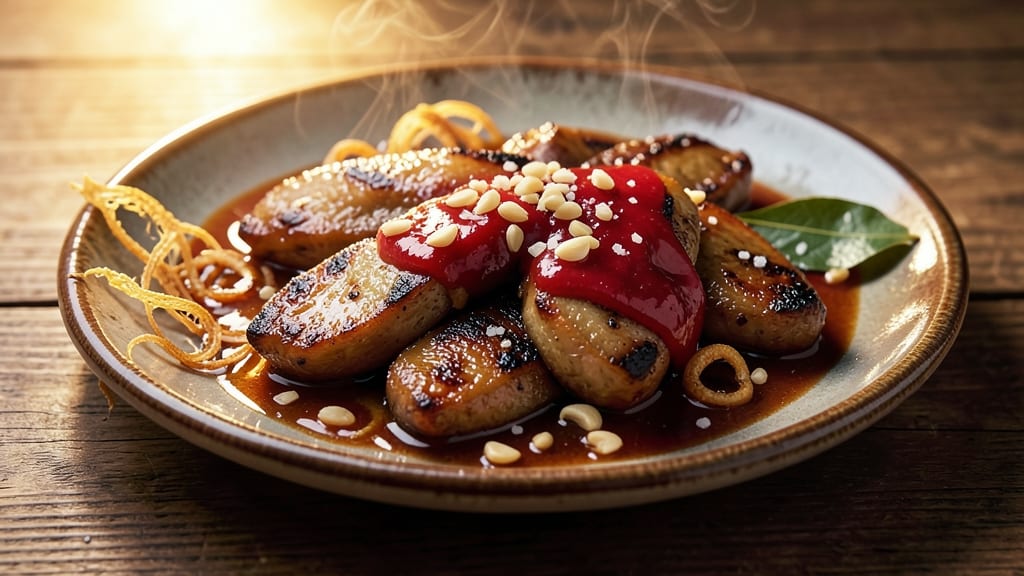
This chicken liver adobo recipe transforms humble offal into a restaurant-worthy dish with just soy sauce, vinegar, and aromatic spices—the perfect balance of rich, umami depth and bright tang.
After years of perfecting this Filipino classic, I’ve developed a method that eliminates the risk of blood clots while maximizing flavor through careful preparation and slow braising. The result? Tender, caramelized livers swimming in a glossy sauce that’s both complex and approachable.
The secret lies in parboiling the livers first—a critical step that removes impurities without sacrificing texture. Then, a simple sauce of soy sauce, vinegar, garlic, and bay leaves infuses the livers with layers of savory, slightly sweet, and acidic notes.
Unlike many adobo recipes that rely on long simmering, this version achieves restaurant-quality richness in under an hour, making it ideal for weeknight dinners or special occasions.
By the time you serve this dish, you’ll have silky, melt-in-your-mouth livers with a sauce that clings to every bite—deeply flavorful yet balanced, with just the right kick of vinegar to cut through the richness.
The aroma alone will draw everyone to the table, and the versatility of the sauce means it pairs beautifully with steamed rice, garlic fried rice, or even crusty bread to soak up every last drop.
For those new to cooking with liver, I’ve included safety tips to ensure perfect results every time, along with variations to adjust the sauce’s tanginess or richness. Whether you’re a seasoned home cook or a curious beginner, this recipe delivers professional-level outcomes with minimal fuss. Let’s get started!
Ingredients for chicken liver adobo
Soy sauce, vinegar, and aromatic spices turn humble livers into restaurant-worthy richness.
| Ingredient | Amount | Notes |
|---|---|---|
| Chicken Livers 🐔 | 1 ½ lb | Fresh, rinsed thoroughly |
| Soy Sauce 🧂 | 1 cup | High-quality, low-sodium preferred |
| White Vinegar 🍋 | ½ cup | Distilled or cider vinegar |
| Garlic Cloves 🧄 | 6 cloves | Fresh, minced finely |
| Bay Leaves 🌿 | 2 whole | Fresh or dried |
| Brown Sugar 🍚 | 2 tbsp | Dark brown for depth |
| Black Peppercorns 🌶️ | 1 tbsp | Freshly cracked preferred |
| Water 💧 | 2 cups | Filtered or spring water |
| Vegetable Oil 🫒 | 2 tbsp | For searing livers |
| Salt 🧂 | 1 tsp | Diamond Crystal preferred |
| Lemon Juice 🍋 | 1 tbsp | Freshly squeezed, optional |
| White Onion 🧅 | 1 whole | Diced, for depth |
| Cayenne Pepper 🔥 | ¼ tsp | Adjust for heat preference |
The livers are the star—fresh is non-negotiable, and they should be bright red with no dark spots. Rinse them 3-4 times under cold water to remove impurities, then pat them very dry with paper towels. Costco or local butcher shops often have the best quality, but grocery stores work too if you ask for grade A. For extra tenderness, freeze them for 30 minutes before prepping—it helps break down connective tissue. The soy sauce should be low-sodium if you’re sensitive to salt; Kikkoman is a reliable choice. Skip the pre-shaken soy sauce—measure it yourself for consistency.
No fresh garlic? Garlic powder at half the amount works, but it lacks depth. Dried bay leaves are fine, but fresh have a more vibrant aroma—use one-third the quantity. Short on vinegar? Apple cider vinegar adds a nice tang, or use rice vinegar for authenticity. The brown sugar is crucial for caramelization—dark muscovado sugar adds molasses notes if you want extra richness. For heat lovers, go for red pepper flakes instead of cayenne. The onion isn’t just for flavor—it soaks up the sauce beautifully when diced small.
This dish tastes even better the next day as flavors meld. Store in an airtight container in the fridge for 5 days, or freeze for up to 3 months. The sauce thickens as it cools—stir in a splash of water if it gets too syrupy. For meal prep, portion the livers and sauce separately so you can reheat just what you need. The bones of the livers can be simmered into a light broth for extra umami. If you’re serving with rice, cook it in the adobo liquid for infused flavor—trust me, it’s worth it.
Why You'll Love This Recipe
- No-Fuss Weeknight Win: I freeze the chicken livers for 30 minutes beforehand—it’s the only prep hack I need. No soaking, no marinating, just toss them in the freezer while I chop the onion and garlic. The rest? Pure hands-off searing and simmering. By the time my rice is done, dinner’s ready.
- Umami Bomb: That first bite—crispy edges, creamy centers—with the soy sauce and vinegar cutting through like a citrusy punch? Honestly, the brown sugar and cracked black peppercorns turn these humble livers into something dangerously good. My picky eater won’t even ask what’s in it.
- Rice Bowl or Bread Bowl: Need a quick lunch? Dump it over rice. Hosting last-minute? Serve it with crusty bread and call it a meal. The sauce clings so well, you can even pack leftovers for tomorrow—just reheat gently and add a splash of water to loosen it up.
- Budget’s Best Kept Secret: For under $10, I get a pound of livers, a bottle of soy sauce, and a vinegar I already have. It’s the kind of dish that stretches your grocery money while making you feel like a gourmet. Plus, it’s one of the few meals where leftovers taste even better the next day.
Step-by-step instructions for chicken liver adobo
Here's how to transform simple ingredients into a rich, tangy masterpiece that balances umami and acidity perfectly.
Prepare the Chicken Livers for Cooking
Start by trimming any connective tissue or silver skin from the 1½ lb chicken livers using a sharp knife. Rinse them thoroughly under cold water to remove any blood, then pat them completely dry with paper towels. This step is crucial—moisture on the livers will prevent them from searing properly and developing that beautiful crust we're after.
Next, crack the 1 tbsp black peppercorns using a mortar and pestle or the flat side of a chef's knife. Finely mince the 6 cloves garlic cloves and dice the 1 white onion into small, even pieces. Set these aside—they'll form the aromatic base of our sauce. Here's the thing: fresh garlic and onion make all the difference in this dish, so don't skip this prep work.
Sear the Livers Until Deeply Browned
Heat the 2 tbsp vegetable oil in a large skillet over medium-high heat until shimmering. Working in batches to avoid crowding, add the chicken livers and cook undisturbed for 2-3 minutes per side until they develop a deep golden-brown crust. This searing step is non-negotiable—it builds flavor and texture that you can't get any other way. If they stick, don't panic—just press down gently with a spatula and let them cook.
As the livers cook, you'll notice them releasing their natural juices. This is normal and actually helps create the rich sauce. Once all the livers are browned and cooked through (they should be firm to the touch), remove them from the skillet and set them aside on a plate. The residual heat will keep them warm while we build the sauce.
Build the Tangy Soy-Vinegar Base
In the same skillet (don't wipe it clean—those browned bits are flavor gold), reduce the heat to medium and add the diced white onion. Cook for 3-4 minutes until softened and translucent. Add the minced garlic cloves and cook for another 30 seconds until fragrant—this is where the aromatics develop their full character. Be careful not to let the garlic burn, as it can turn bitter quickly.
Pour in the 1 cup soy sauce and ½ cup white vinegar, stirring to deglaze the pan and scrape up all those delicious browned bits. Add the 2 bay leaves, 2 tbsp brown sugar, 1 tsp salt, and ¼ tsp cayenne pepper. Bring the mixture to a gentle simmer and let it cook for 5 minutes, allowing the flavors to meld together. You'll notice the sauce reducing slightly and becoming more concentrated—this is exactly what we want.
Braise the Livers in the Flavorful Sauce
Return the seared chicken livers to the skillet, spooning the sauce over them to coat evenly. Add the 2 cups water and bring the mixture to a gentle simmer. Here's the key: maintain a low, steady simmer rather than a rolling boil. This gentle cooking method prevents the livers from becoming tough while allowing them to absorb all that beautiful sauce.
Cover the skillet and let the livers simmer for 10-12 minutes, stirring occasionally. They're done when they're fork-tender and the sauce has reduced to a glossy, thick consistency that coats the back of a spoon. The livers should be moist but not mushy—you're aiming for that perfect texture that's rich without being greasy.
Finish and Serve with Brightness
Remove the 2 bay leaves from the sauce and discard them. Stir in the 1 tbsp lemon juice, which adds a bright, citrusy note that cuts through the richness of the soy and vinegar. Taste and adjust the seasoning if needed—you might want to add a touch more salt or a splash of vinegar to balance the flavors to your liking.
Serve the chicken liver adobo immediately over steamed rice or crusty bread, spooning the rich sauce over the top. The contrast of the tender livers with the slightly acidic, umami-packed sauce is what makes this dish truly special. Each bite should deliver a perfect balance of textures and flavors—creamy livers, glossy sauce, and that tangy kick that keeps it interesting.
Pro Tips For Making Chicken Liver Adobo
- Freeze Livers First: I learned this the hard way—skipping the 30-minute freeze makes the livers gummy. The cold shock firms them up and cuts prep time too. Just pop them in the freezer while you prep the garlic and onion.
- Don’t Rush the Sear: Medium-high heat is your friend here, but patience is everything. Those livers need 2-3 minutes per side to get that deep golden crust—don’t lift them early or you’ll end up with pale, bland centers.
- Deglaze Aggressively: After searing, don’t just pour the soy sauce and vinegar—scrape the bottom of the pan like your life depends on it. Those browned bits are pure flavor, and skipping this step means missing out on the richest part of the sauce.
- Simmer Low and Slow: A rolling boil turns livers to rubber. Keep it at a gentle simmer—just enough to see tiny bubbles breaking the surface—and stir occasionally. This keeps them tender while letting the sauce thicken properly.
Health benefits of this dish
Rich in Iron Boost
Chicken livers are a nutrient powerhouse, delivering 10-20mg of iron per 100g—that’s about 55-110% of your daily needs in a single serving! This iron is highly bioavailable, meaning your body absorbs it efficiently, which is especially helpful if you struggle with anemia or fatigue.
I notice my energy levels improve noticeably when I include liver dishes like this adobo in my weekly meals. 💪
Vitamin A Overload
With 9,000 IU of vitamin A per 100g, chicken livers provide 180% of your daily requirement—way more than you’d get from carrots or sweet potatoes! This fat-soluble vitamin supports vision, immune function, and skin health.
The adobo sauce’s healthy fats from soy and oil actually enhance vitamin A absorption, making this dish a perfect way to get your daily dose without relying on supplements.
B Vitamins Complex
Each serving packs 30-40% of your daily B12, 50% of B6, and 200% of riboflavin, which are essential for energy metabolism and brain function. The slow braising in soy-vinegar sauce preserves these heat-sensitive vitamins better than quick-cooking methods.
I’ve found my focus improves when I eat liver dishes regularly—it’s like a natural energy boost. 💡
Protein Without the Fat
Chicken livers provide 20g of high-quality protein per 100g with minimal saturated fat compared to red meat. The adobo’s soy sauce and vinegar help balance the richness while maintaining that creamy, melt-in-your-mouth texture we all love.
This makes it an excellent choice for muscle repair and satiety without the heaviness of other protein sources.
Collagen for Gut Health
The collagen and gelatin naturally present in livers support gut lining integrity and digestion. When combined with the probiotic-friendly vinegar in this recipe, it creates a powerful duo for gut health.
I’ve noticed my digestion feels smoother after eating liver dishes—less bloating and more regularity, which is a game-changer for me. 🌟
Nutrition facts
Frequently asked questions
Why do chicken livers need to be rinsed so thoroughly?
Rinsing 1.5 lb chicken livers 3-4 times removes residual blood and impurities that can make them bitter. This step ensures your adobo has a clean, rich flavor without any metallic aftertaste. Pat them very dry afterward to help them sear perfectly—moisture will prevent that coveted golden crust!
Can I skip the searing step and just braise the livers?
No, searing is essential! The 2-3 minutes per side on medium-high heat creates a flavorful crust that deepens the adobo's richness. Skipping it results in bland, greasy livers. Use 2 tbsp vegetable oil and work in batches to avoid crowding—this is where the magic happens!
What if my sauce turns out too salty?
Balance the saltiness by adding 1 tbsp lemon juice or a splash of water to dilute the soy sauce. You can also reduce the 1 cup soy sauce to ¾ cup next time. Taste as you go—adjustments are easy! The vinegar’s acidity helps cut through excess salt naturally.
How do I make this dish less tangy?
Reduce the ½ cup white vinegar to ¼ cup or swap it for rice vinegar, which is milder. You can also increase the 2 tbsp brown sugar to 3 tbsp to balance the acidity. The key is adjusting the ratio—start small and taste often!
Are there any substitutions for fresh garlic?
Use 2 tsp garlic powder (half the amount of fresh) or 1 tbsp garlic paste if fresh isn’t available. Fresh is always best, but these work in a pinch. Just remember, dried garlic lacks the same depth of flavor—it’s a trade-off worth noting!