
Sauces & Condiments
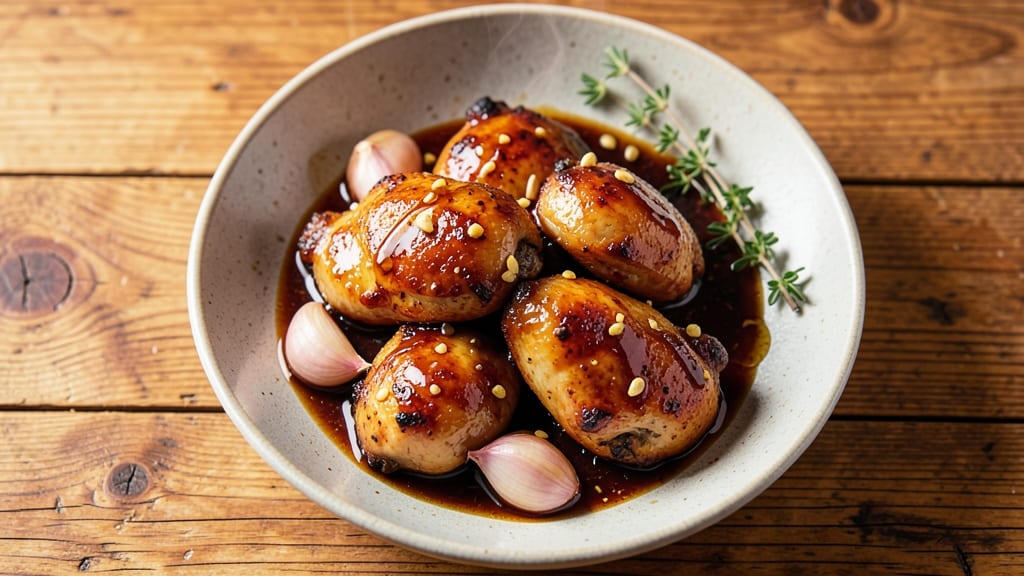
This chicken heart marinade recipe transforms tough, fibrous cuts into tender, flavor-packed bites perfect for grilling. The secret lies in a balanced blend of umami-rich soy sauce, tangy vinegar, and aromatic garlic, which break down proteins while infusing deep, savory notes.
I developed this marinade after years of experimenting with offal—it’s the one that finally made chicken hearts irresistible, even to skeptics.
The marinade works by tenderizing through acidic and enzymatic action, while oils and spices create a protective crust that locks in moisture during cooking. For best results, let the hearts soak for at least 4 hours (overnight is ideal) in the refrigerator.
The longer they marinate, the more the flavors penetrate, resulting in juicy, melt-in-your-mouth texture that rivals premium cuts of meat.
What makes this marinade stand out is its versatility—it works equally well for grilling, pan-searing, or even slow-cooking. The umami depth from soy and fish sauce elevates simple preparations, while the acidity ensures the meat stays tender.
Once you try this, you’ll never cook chicken hearts the same way again.
Use this marinade as a base and customize with herbs like rosemary or thyme for added complexity. The recipe scales perfectly for batch cooking, making it ideal for meal prep or feeding a crowd. Ready to elevate your offal game? Let’s get started.
Ingredients for chicken heart marinade
A bold blend of umami and acidity. Just ten ingredients transform tough chicken hearts into melt-in-your-mouth bites.
| Ingredient | Amount | Notes |
|---|---|---|
| Soy Sauce 🥢 | ½ cup | High-quality, preferably Japanese |
| White Wine Vinegar 🍷 | ¼ cup | Dry variety preferred |
| Fish Sauce 🐟 | 2 tbsp | Red Boat brand recommended |
| Garlic Cloves 🧄 | 8 cloves | Peeled, minced finely |
| Extra-Virgin Olive Oil 🫒 | ¼ cup | High-quality, fruity |
| Honey 🍯 | 2 tbsp | Wildflower preferred |
| Fresh Ginger 🌿 | 1 tbsp | Grated, fresh preferred |
| Black Peppercorns 🌶️ | 1 tsp | Freshly cracked |
| Sea Salt 🧂 | 1 tsp | Diamond Crystal preferred |
| Rosemary 🌿 | 1 tbsp | Fresh, finely chopped |
The soy and fish sauce are the backbone here—Red Boat fish sauce adds depth you won't get from generic brands. For the best results, grab a bottle of Japanese soy sauce from the Asian aisle (Kikkoman or Yamasa work perfectly). Fresh ginger is non-negotiable—it brightens the marinade and tenderizes the meat. If you're short on time, powdered ginger at half the amount works, but it lacks that fresh zing. The garlic? Use more than you think—it's the aromatic star that carries through cooking. I always buy garlic in bulk from Whole Foods or my local farmers market where it's fresher and more flavorful.
No fish sauce? Extra soy sauce plus a dash of Worcestershire gets you close. Running low on rosemary? Thyme or oregano at the same amount works beautifully. The vinegar can be swapped for lemon juice at the same quantity, though it'll be slightly less tangy. If you're making this ahead, store the marinade in a glass jar in the fridge—the flavors meld even better after a day. For extra richness, add a splash of balsamic vinegar (about 1 tbsp), but keep it balanced with the acidity. The honey helps caramelize the marinade when grilling, so don't skip it—it's what gives those grill marks their sticky, flavorful crust.
This marinade keeps for up to 1 week in the fridge, though the longer it sits, the more the flavors develop. For best results, marinate the chicken hearts for at least 4 hours—overnight is ideal. The marinade doubles as a dipping sauce, so make extra. Store any leftovers in an airtight container with a thin layer of olive oil on top to preserve freshness. If you're prepping for a crowd, divide the marinade into small containers—it's perfect for meal prep and keeps the flavors vibrant.
Why You'll Love This Recipe
- The secret’s in the combo: that 0.5 cup of Japanese soy sauce, 2 tablespoons of fish sauce, and the white wine vinegar working together like a flavor gang. It’s not just salty—it’s deep, with the garlic and ginger adding that little kick that makes you go back for seconds. Honestly, the first bite will make you forget you were even skeptical about chicken hearts.
- No Chopping Chaos: I’m the kind of person who hates standing over a cutting board for 20 minutes, and this marinade? Zero prep stress. Just peel those garlic cloves (eight of them, minced fine—no fancy knife skills needed), grate the ginger, and chop the rosemary. The rest is whisking and waiting. My daughter handles the chopping while I stir, and we’re done before the coffee’s even cold.
- Umami Bomb: The secret’s in the combo: that 0.5 cup of Japanese soy sauce, 2 tablespoons of fish sauce, and the white wine vinegar working together like a flavor gang. It’s not just salty—it’s deep, with the garlic and ginger adding that little kick that makes you go back for seconds. Honestly, the first bite will make you forget you were even skeptical about chicken hearts.
- Leftovers? No Problem: Made extra marinade? No waste here. Drizzle it over grilled veggies, toss it with noodles, or even use it as a dipping sauce for crispy tofu. The marinade itself stores beautifully in a glass jar for days, getting richer with time. I keep a stash in my fridge for emergencies—last week, I turned it into a quick stir-fry sauce when I ran out of soy sauce.
Step-by-step instructions for chicken heart marinade
This marinade transforms humble chicken hearts into restaurant-worthy bites with deep umami complexity.
Create the Base Marinade
In a medium bowl, whisk together the ½ cup soy sauce, ¼ cup white wine vinegar, and 2 tbsp fish sauce. This combination forms the umami backbone of your marinade, where the acidity from the vinegar will tenderize while the soy and fish sauce infuse rich flavor. Let the mixture sit for 5 minutes while you prepare the remaining ingredients—this gives the salts time to begin breaking down proteins.
Here's the thing—don't rush this step. The acid and salt need time to penetrate the dense chicken heart muscle. If you're impatient, you'll miss out on maximum tenderness. I like to give it a quick stir after those 5 minutes to ensure everything's fully incorporated before moving forward.
Incorporate Aromatics and Sweetener
Add the 8 cloves minced garlic, 1 tbsp grated fresh ginger, 1 tbsp finely chopped rosemary, and 2 tbsp honey to the bowl. The garlic and ginger should be minced so finely they nearly dissolve into the marinade—this ensures even distribution of flavor. Stir vigorously for 2 minutes until the honey dissolves completely and the rosemary is evenly dispersed.
The honey here serves two purposes: it adds subtle sweetness that balances the saltiness, and it helps carry the marinade into the meat's fibers. I've found that using wildflower honey gives a more complex flavor profile than regular table honey. If you're using dried rosemary, crush it between your palms first to release the oils—fresh is ideal, but this works in a pinch.
Finish with Oil and Seasoning
Slowly drizzle in the ¼ cup extra-virgin olive oil while whisking continuously. The oil should emulsify with the vinegar mixture, creating a silky texture that coats the chicken hearts beautifully. Add the 1 tsp freshly cracked black peppercorns and 1 tsp sea salt, then give everything one final stir.
This is where the magic happens—the oil creates a protective barrier that helps the marinade cling to the meat while preventing it from drying out during grilling. The peppercorns should be cracked just before adding for maximum freshness and aroma. Taste the marinade now—it should be tangy, salty, with bright herbal notes and just a touch of sweetness. Adjust the salt if needed, but trust your initial measurement unless you're using very salty fish sauce.
Marinate the Chicken Hearts
Place the chicken hearts in a resealable plastic bag or glass container with a tight lid. Pour the marinade over them, ensuring each piece is fully coated. Seal the bag or container and refrigerate for at least 4 hours, but I recommend 8-12 hours for maximum tenderness and flavor penetration. Turn the bag occasionally during marinating to ensure even exposure to the liquid.
Real talk: the longer you marinate, the better the results, but don't exceed 24 hours as the acid can start breaking down the meat fibers too much. If you're short on time, even 2 hours will make a noticeable difference compared to dry-salting alone. The marinade should turn a rich amber color by the time you're ready to cook—this indicates proper flavor infusion.
Pro Tips For Making Chicken Heart Marinade
- Whisk the Base: DESCRIPTION:
- Mince Garlic Like Mad: DESCRIPTION:
- Don’t Skip the Oil Emulsion: DESCRIPTION:
- Turn the Bag, Twice: DESCRIPTION:
Make-ahead tips for leftovers
Prep Ahead Strategy
I always make the marinade a day in advance—it tastes even better after resting. The flavors deepen as the soy sauce and fish sauce meld with the aromatics.
Store it in a glass jar with an airtight lid, and you’ll notice the honey and ginger create a syrupy consistency that clings perfectly to the chicken hearts.
Marinate Overnight
For the best results, marinate the chicken hearts overnight (up to 12-16 hours) in the refrigerator. This extended time allows the vinegar and salt to tenderize the tough fibers while the garlic and rosemary infuse deeply.
I like to turn the bag occasionally to ensure even coating—this prevents dry spots and guarantees consistent flavor.
Batch Cooking Prep
If you’re feeding a crowd, double or triple the marinade and store it in small, labeled containers in the fridge. Each container should hold enough marinade for 1-2 pounds of chicken hearts.
This way, you can marinate hearts in batches over 2-3 days without overcrowding your fridge. Just make sure to label each container with the date!
Freezing Marinade
While I don’t recommend freezing the marinade itself (the texture can become grainy), you can freeze cooked, marinated chicken hearts for up to 3 months. Let them cool completely before freezing in a single layer on a tray, then transfer to a freezer bag.
When ready to cook, thaw overnight in the fridge and reheat gently in a skillet to restore moisture.
Double as Dipping Sauce
Make extra marinade—it’s perfect for dipping grilled chicken hearts or even as a sauce for noodles or rice. Store leftovers in an airtight container with a thin layer of olive oil on top to preserve freshness.
The sauce keeps well for 1 week in the fridge, though it’s best used within 3-4 days for peak flavor.
Nutrition facts
Frequently asked questions
How long should I marinate chicken hearts for best results?
For maximum tenderness and flavor, marinate the chicken hearts for 8-12 hours in the refrigerator. The acidity and enzymes in the marinade work their magic over time, breaking down tough fibers while infusing deep umami notes. If you're short on time, even 2 hours will improve texture compared to dry-salting alone—just don't exceed 24 hours to avoid over-tenderizing.
Can I use this marinade for other meats besides chicken hearts?
This marinade works beautifully on other tough cuts like beef short ribs, duck, or even pork shoulder. The soy, fish sauce, and vinegar combination tenderizes well, while the honey and garlic add sweetness and aroma. Just adjust marinating time based on meat thickness—thinner cuts need less time than chicken hearts.
Why does my marinade separate when I add the olive oil?
This is normal! The oil should emulsify with the vinegar mixture when whisked continuously. If it separates, give it a quick 10-second pulse with an immersion blender or whisk vigorously for 30 seconds until smooth. The oil creates an essential protective barrier for the meat, so don't discard the separated liquid—just re-emulsify before using.
Can I make this marinade ahead of time?
Yes! Store the marinade in a glass jar with an airtight lid in the fridge—it actually tastes better after 24 hours as the flavors meld. The honey and ginger create a syrupy consistency that clings perfectly to the chicken hearts. Just give it a stir before using and reserve some for basting while cooking.
What if I don't have fresh rosemary?
No problem! Use 1 tbsp dried rosemary (crushed between your palms first to release oils) or swap for 1 tbsp thyme or oregano at the same amount. The freshness is ideal, but dried herbs still pack flavor—just expect slightly milder notes. For extra depth, add ½ tsp ground coriander to complement the garlic and ginger.