
Sauces & Condiments
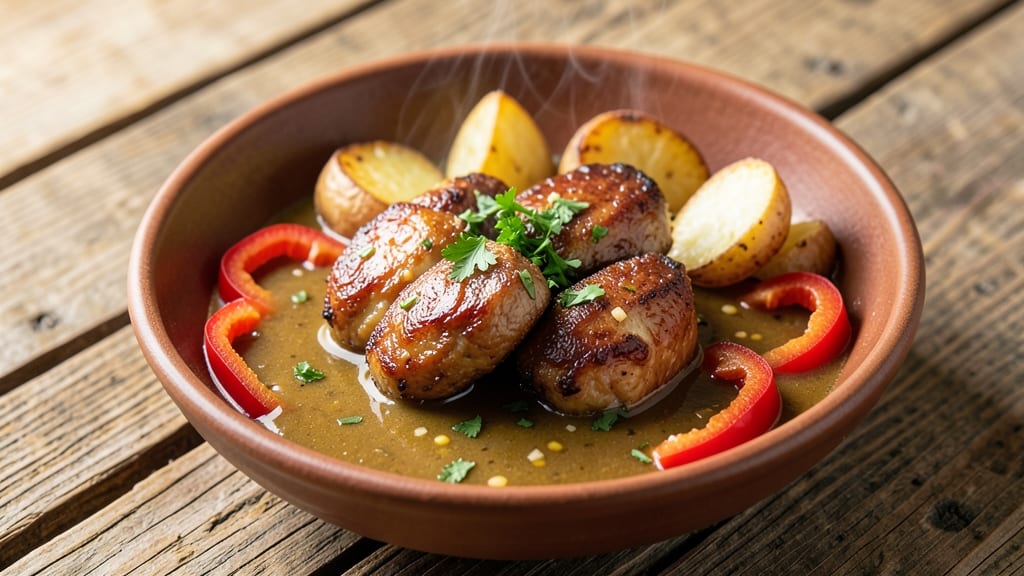
Creating chicken gizzard gravy transforms a humble ingredient into a velvety, deeply flavorful dish that brings warmth to any table. This recipe delivers rich, comforting texture by rendering fat from the gizzards to create a sauce that’s both hearty and elegant—perfect for pairing with mashed potatoes or cornbread.
The process involves searing and simmering the gizzards to extract maximum flavor before building a smooth, thickened gravy that clings to every bite.
The key to success lies in patience and precision: searing the gizzards until golden ensures a deep, savory foundation, while a proper roux thickens the gravy without overpowering its natural richness. This method preserves the gizzards’ tender texture while infusing the sauce with their earthy, umami essence.
The result is a dish that feels both rustic and refined, ideal for cozy family meals or special occasions.
What makes this recipe stand out is its ability to turn simple ingredients into something extraordinary—no shortcuts, just layer upon layer of flavor developed through careful cooking. The gravy’s velvety consistency and robust taste make it a centerpiece, while the gizzards’ tender bite adds satisfying texture.
Whether served as a standalone dish or alongside classic sides, it delivers the kind of comfort that lingers long after the last bite.
Ready in about 45 minutes, this recipe balances effort with reward, ensuring a restaurant-quality result at home. The steps are straightforward, but the technique ensures a gravy that’s impossibly smooth and deeply flavorful. Let’s get started on creating this rich, velvety comfort dish.
Ingredients for chicken gizzard gravy
Rich umami foundation meets rustic elegance—just these ingredients transform humble gizzards into velvety comfort.
| Ingredient | Amount | Notes |
|---|---|---|
| Fresh Chicken Gizzards 🍗 | 1 ½ lb | Trimmed of excess fat, cut into even pieces |
| Unsalted Butter 🧈 | ½ cup | Cold, cut into 1/2-inch cubes |
| All-Purpose Flour 🌾 | ¼ cup | Sifted, for roux |
| Yellow Onion 🧅 | 1 whole | Medium, finely diced |
| Garlic Cloves 🧄 | 4 cloves | Peeled, minced |
| Chicken Broth 💧 | 2 cups | Homemade or quality low-sodium |
| Dry White Wine 🍷 | ½ cup | Sauvignon Blanc preferred |
| Fresh Thyme Leaves 🌿 | 1 tbsp | Stems removed, chopped |
| Fresh Rosemary 🌿 | 1 tbsp | Needles finely chopped |
| Salt 🧂 | 1 ½ tsp | Diamond Crystal kosher salt |
| Freshly Ground Black Pepper 🌶️ | ½ tsp | Coarsely ground |
| Heavy Cream 🥛 | ½ cup | Full-fat for richness |
| Chicken Liver (optional) 🍗 | ¼ cup | Finely chopped, for depth |
The gizzards are the heart of this dish—fresh, never frozen, and sourced from a trusted butcher. Look for plump, firm gizzards with minimal fat, as the rendering process extracts their natural oils. Whole Foods Market or local poultry counters often carry them, though some grocery stores stock them in the meat section. If unavailable, chicken hearts can substitute at half the quantity, though texture will differ slightly. The key is trimming excess fat before cooking, which prevents the gravy from becoming overly greasy. For optimal flavor, Wells or Gold Label brands are reliable choices when purchasing pre-packaged options.
No white wine? Chicken broth with a splash of apple cider vinegar mimics the acidity perfectly. Fresh herbs can be swapped for dried thyme and rosemary at one-third the amount, though the flavor will be more muted. The heavy cream adds luxurious body—full-fat is non-negotiable here—but for a lighter option, half-and-half with an extra tablespoon of butter works. Chicken liver, if used, should be finely minced and cooked briefly to avoid bitterness. For a vegetarian adaptation, mushroom stems can replace the gizzards entirely, though the umami depth will differ. Always ensure your flour is sifted before making the roux to prevent lumps.
This gravy reheats beautifully—simmer gently on the stove, stirring occasionally, until warmed through. It keeps for 5 days refrigerated in an airtight container, though flavor peaks within the first 24 hours. For longer storage, freeze in ice cube trays for easy portioning—thaw overnight in the fridge before reheating. The gizzards can be cooked ahead and stored separately for 3 days, then added back to the gravy when reheating. Garnish with fresh herbs just before serving to preserve their vibrant aroma.
Why You'll Love This Recipe
- Let’s be real: fresh gizzards are a steal compared to steak or chicken breasts. And with just a few pantry staples—flour, butter, wine—this gravy feels like a restaurant-worthy dish without breaking the bank. The optional chicken liver adds even more richness for minimal cost, and honestly? It’s the kind of meal that makes you feel fancy without the price tag.
- One-Pan Magic: I love how this recipe turns one skillet into a flavor powerhouse—no extra pots, no cleanup chaos. Just sear those gizzards in butter, toss in the flour and aromatics, and let the wine and broth do the work while you prep the rest of the meal. Honestly, the only thing you’ll scrub is the pan, and even that’s a breeze.
- Herb-Kissed Richness: The thyme and rosemary aren’t just garnish—they’re the secret. Those fresh herbs infuse the gravy with a depth that’s chef’s kiss simple but undeniably sophisticated. Pair the garlic and onion with the caramelized gizzards, and you’ve got a sauce that’s savory, herbal, and just a little bit luxurious. Trust me, it’s the kind of flavor that makes you want to lick the spoon.
- Feeds a Crowd (or Your Cravings): This gravy stretches so well—it’s perfect for big dinners, game day, or just when you’re feeling extra. Toss it over mashed potatoes, use it as a dip for crusty bread, or pour it generously over biscuits. And if you’re like me, you’ll have leftovers for days. The flavor only gets better as it sits, and it keeps for five days in the fridge. Five. Days.
Step-by-step instructions for chicken gizzard gravy
Transform humble gizzards into a velvety, aromatic gravy that delivers deep comfort with every spoonful.
Sear the Gizzards Until Deeply Browned
Pat the 1½ lb fresh chicken gizzards thoroughly dry with paper towels—this ensures maximum browning. Heat a heavy skillet over medium-high heat and add ½ cup unsalted butter in ½-inch cubes. Let the butter melt completely, then add the gizzards in a single layer, leaving space between each piece.
Sear undisturbed for 4-5 minutes per side until deeply golden brown and crispy on the edges. This step develops the rich, caramelized foundation for your gravy. If the gizzards release easily when prodded with a fork, they're ready. Transfer them to a plate and set aside, reserving all the rendered butter and browned bits in the pan—these contain concentrated flavor that will form the gravy's base.
Build the Roux and Sauté Aromatics
Reduce heat to medium and immediately sprinkle the ¼ cup all-purpose flour over the browned bits, stirring vigorously with a wooden spoon to create a roux. Cook for exactly 2 minutes, stirring constantly, until the mixture turns a rich nutmeg color—this ensures proper thickening without bitterness. Add the 1 medium yellow onion and 4 minced garlic cloves, cooking for another 3-4 minutes until softened and fragrant.
Here's where the herbs come into play: stir in the 1 tbsp chopped fresh thyme leaves and 1 tbsp finely chopped fresh rosemary, cooking for 30 seconds until their aromas waft through the kitchen. The herbs should be just heated through, not crisped. This infusion creates the gravy's comforting herbal depth that makes it more than just a simple sauce.
Deglaze and Simmer the Gravy Base
Pour in the ½ cup dry white wine, scraping up any browned bits from the bottom of the pan with your wooden spoon. Let the wine simmer for 3-4 minutes until reduced by half, then add the 2 cups chicken broth and bring to a gentle boil. Stir in the 1½ tsp salt and ½ tsp freshly ground black pepper, then reduce heat to low and simmer uncovered for 10 minutes to allow flavors to meld.
If using the optional ¼ cup finely chopped chicken liver, add it now along with the reserved gizzards. Simmer for an additional 5 minutes—this enhances the gravy's richness and depth of flavor. The liver should be completely incorporated and undetectable in the finished product. If you prefer a smoother texture, strain the gravy through a fine-mesh sieve before proceeding.
Finish with Cream for Velvety Texture
Remove the gizzards from the gravy and set them aside on a plate. Stir the ½ cup heavy cream into the simmering gravy, then continue simmering gently for 5-7 minutes until the sauce thickens to your desired consistency. It should coat the back of a spoon but still be pourable—this creates that luxurious, velvety mouthfeel that defines comfort food.
Taste and adjust seasoning if needed, adding a pinch more salt or pepper as required. Return the gizzards to the gravy just before serving to allow them to absorb some of the rich sauce. The finished gravy should have a glossy sheen, deep golden color, and carry all those aromatic notes of thyme, rosemary, and caramelized gizzard in every spoonful.
Pro Tips For Making Chicken Gizzard Gravy
- Don’t Rush the Roux: That exactly 2 minutes of stirring the flour into the browned butter isn’t just a suggestion—it’s the difference between a smooth gravy and one that tastes like burnt flour. I learned this the hard way when my first batch turned gray and grainy. Keep the heat medium, not medium-high, and stir like you’re trying to win a race—constant, vigorous motion.
- Salt the Gizzards First: Season the 1.5 lb gizzards with half the 1.5 tsp salt before searing—it crisps the skin better and keeps them from tasting bland after simmering. I used to skip this, and the finished gravy always needed more salt. Trust me, the extra 30 seconds of seasoning upfront saves you from over-salting the whole dish later.
- Scrape Like Your Life Depends on It: When you deglaze with the ½ cup white wine, grab that wooden spoon and scrape every last bit of browned gizzard and butter from the pan. That’s where the deep, meaty flavor hides—ignore it, and your gravy will taste pale and one-dimensional. I know, it’s tedious, but it’s worth the extra 20 seconds.
- Strain If You’re Picky: The ¼ cup optional chicken liver adds insane depth, but if you’re serving guests who hate surprises, strain the gravy through a fine-mesh sieve after simmering. No one will know it’s there, but the texture will be silky smooth. I only do this when company’s coming—otherwise, I embrace the rustic richness.
Wine and beer pairings for this chicken gizzard gravy
Earthy Whites to Balance
The deep umami of chicken gizzard gravy pairs beautifully with Chardonnay—especially a buttery, oak-aged style from Burgundy like Meursault or Puligny-Montrachet. The wine’s vanilla and nutty notes complement the gravy’s rich, caramelized depth without overpowering its herbal complexity.
I reach for a 2020 Louis Jadot Puligny-Montrachet when making this dish; its elegance matches the gravy’s refined rustic quality. 🍷
Crisp Whites for Brightness
If you prefer lighter wines, a Sauvignon Blanc from New Zealand or Loire Valley offers bright acidity and citrus notes that cut through the gravy’s richness. Try Oyster Bay Sauvignon Blanc—its zesty green apple and grapefruit flavors refresh the palate between bites.
The wine’s crispness prevents the dish from feeling too heavy, balancing the gravy’s velvety texture perfectly.
Dry Rosé for Versatility
A dry Provence rosé adds a subtle floral touch that harmonizes with the thyme and rosemary in the gravy. Look for Whispering Angel or Château d’Esclans Blanc des Murs—both provide a delicate pink hue and crisp acidity that enhances rather than competes with the dish’s flavors.
This pairing works especially well when serving the gravy over mashed potatoes or cornbread.
Malty Beers for Hearty Pairings
For beer lovers, a German Helles lager or Belgian witbier offers the perfect balance of malty sweetness and herbal notes. Weihenstephaner Helles is a reliable choice—its light body and caramel undertones complement the gravy’s depth without clashing.
Alternatively, a Hoegaarden witbier with its coriander and orange peel notes adds a refreshing contrast to the dish’s richness. Both beers cleanse the palate beautifully. 🍺
Spiced Red for Depth
When you want something bolder, a Pinot Noir with earthy, red fruit notes works surprisingly well. Domaine Drouhin Oregon Pinot Noir has enough structure to stand up to the gravy’s intensity while its cherry and spice flavors echo the dish’s herbal undertones.
Reserve this pairing for occasions when you want a more sophisticated contrast to the gravy’s rustic charm.
Nutrition facts
Frequently asked questions
Why is it important to sear the gizzards before making the gravy?
Searing the 1½ lb gizzards creates a deeply browned, flavorful crust that releases concentrated umami into the pan. This step transforms the dish from simple to rich, as the rendered fat and caramelized bits form the gravy's aromatic base. Skipping this step results in a much lighter, less complex sauce.
Can I substitute chicken liver in the gravy?
Yes! The optional ¼ cup finely chopped chicken liver adds depth of flavor and richness. Add it with the gizzards during the 5-minute simmer for best results. If you prefer, skip it entirely—the gravy will still be delicious, just slightly lighter in umami.
What if my gravy is too thin after adding cream?
Simmer uncovered for an extra 2-3 minutes to thicken it naturally. If needed, mix 1 teaspoon of sifted flour with 2 tablespoons cold water to create a slurry, then whisk it into the gravy. Return to a gentle simmer until the desired consistency is reached.
How do I store the gravy and gizzards separately?
Store the cooked gizzards in an airtight container for up to 3 days in the fridge. Let the gravy cool completely, then refrigerate for up to 5 days in an airtight container. Reheat gently on the stove before serving. Flavor peaks within the first 24 hours, so enjoy it fresh when possible!