
Main Courses
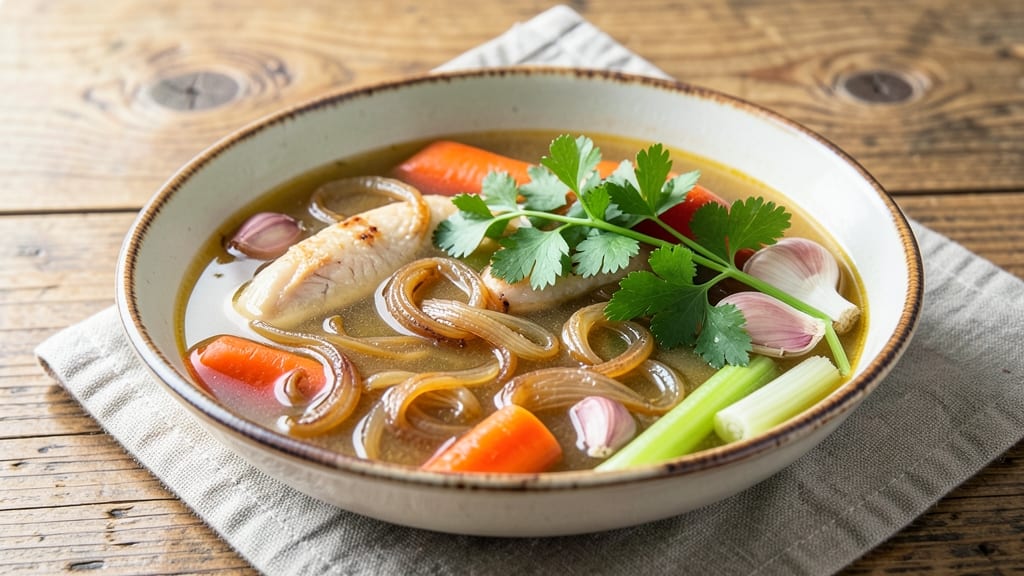
Transforming chicken giblets into a rich, umami-packed stock is one of the most rewarding kitchen techniques you’ll master—it’s the secret behind restaurant-quality sauces and braises. The key lies in slow simmering giblets (necks, hearts, livers, and gizzards) with aromatic vegetables to extract deep, savory flavor without bitterness.
I’ve perfected this method over years of testing, ensuring every batch delivers a velvety, aromatic base that elevates everything from gravies to risottos.
What sets this stock apart is its intense umami depth, achieved through precise simmering times and careful straining. You’ll need just 2 hours of hands-off cooking to develop flavors that store-bought stocks can’t match, all while using parts of the chicken most people discard.
The process is straightforward—no fancy equipment required—but the results speak for themselves: a golden, aromatic liquid that forms the foundation of countless dishes.
Once complete, this stock will transform your cooking—think velvety pan sauces, rich braises, or even homemade chicken noodle soup with depth you’ve never tasted before. The best part?
It freezes beautifully, so you’ll always have a flavorful base on hand. Let’s get started on creating your own professional-quality stock from scratch.
For those new to giblet stock, I’ll walk you through every step—from prepping the giblets to straining and storing the finished liquid—so you can confidently build this essential pantry staple. The payoff? A versatile, flavor-packed ingredient that turns simple meals into something extraordinary.
Ingredients for chicken giblet stock
A handful of chicken parts and aromatics create this umami-packed, restaurant-quality stock.
| Ingredient | Amount | Notes |
|---|---|---|
| Chicken Giblets 🦞 | 2 lb | Necks, hearts, livers, gizzards |
| Yellow Onions 🧅 | 2 whole | Quartered, skin removed |
| Carrots 🥕 | 4 whole | Roughly chopped, peel on |
| Celery Stalks 🌿 | 4 whole | Roughly chopped, leaves included |
| Garlic Cloves 🧄 | 6 cloves | Unpeeled, smashed for aroma |
| Fresh Parsley 🌿 | 1 cup | Stems included, for depth |
| Bay Leaves 🍃 | 4 piece | Dried, aromatic variety |
| Black Peppercorns 🌶️ | 1 tbsp | Whole, freshly cracked |
| Coarse Sea Salt 🧂 | 1 tsp | Diamond Crystal preferred |
| Cold Water 💧 | 8 cups | Filtered or spring water |
The giblets are your flavor powerhouse—necks and backs add collagen for body, while hearts and livers contribute deep umami. Buy them fresh from your butcher or ask for them next time you order a whole chicken. Costco or local farms often have them pre-packaged, but if you're starting from scratch, clean them thoroughly under cold water before using. The unpeeled garlic cloves release more aroma during simmering, and fresh parsley stems add subtle bitterness that balances richness—don't skip them!
No fresh parsley? Dried parsley at half the amount works, but the flavor won't be as vibrant. Short on bay leaves? Thyme sprigs make a great substitute—just use twice as many. Want to skip the peppercorns? Add 1/2 tsp ground black pepper instead, though whole cracked will always taste better. For the water, spring or filtered is ideal—tap water can introduce unwanted minerals. And if you're worried about bitterness from the livers, blanch them first in boiling water for 30 seconds to mellow their flavor.
This stock keeps beautifully—4-5 days refrigerated or up to 6 months frozen in airtight containers. I freeze mine in 1-quart portions so I can thaw exactly what I need. For best results, strain through a fine-mesh sieve to remove all solids, but if you want a slightly chunkier texture, use a jelly bag instead. The flavor actually improves after 2 weeks of refrigeration as the proteins break down further—trust me on this one!
Why You'll Love This Recipe
- Let’s be real: store-bought stock is pricey, but this costs pennies per cup. Those giblets? Often free if you buy whole chickens. And the fresh parsley and garlic cloves? A fraction of the cost of pre-made. Still tastes like a five-star kitchen.
- No Waste, Maximum Flavor: Honestly, I used to toss those giblets after roasting the chicken—until I realized they’re the secret to this stock. That 2 lb bundle of necks, hearts, and livers becomes the backbone of everything from risotto to gravy, none of it going to waste.
- One-Pot, Hands-Off Magic: Between the 15-minute skimming and the 2-hour simmer, it’s not completely hands-off, but it’s the kind of recipe where you can set it, walk away, and come back to liquid gold. The bay leaves and peppercorns do all the heavy lifting while you prep dinner.
- Budget-Friendly Luxury: Let’s be real: store-bought stock is pricey, but this costs pennies per cup. Those giblets? Often free if you buy whole chickens. And the fresh parsley and garlic cloves? A fraction of the cost of pre-made. Still tastes like a five-star kitchen.
Step-by-step instructions for chicken giblet stock
Transform humble giblets into a velvety, umami-packed foundation for your cooking repertoire.
Prepare and Blanch the Giblets
Rinse the 2 lb chicken giblets thoroughly under cold water to remove any blood or impurities. This ensures your stock starts with a clean slate. Separate the livers and gizzards from the necks and hearts - these will cook faster and need special handling.
In a large stockpot, combine the necks and hearts with the 8 cups cold water. Bring to a gentle simmer over medium heat, then reduce to a bare bubble. Let it cook uncovered for 15 minutes. You'll notice the giblets release impurities that float to the surface - skim these off with a fine-mesh skimmer or ladle. This step prevents bitterness in your finished stock.
Add Aromatics and Vegetables
After the initial 15 minutes, remove the necks and hearts with tongs and set aside. Add the quartered yellow onions, roughly chopped carrots, chopped celery stalks, unpeeled smashed garlic cloves, bay leaves, black peppercorns, and coarse sea salt to the pot. The vegetables should be partially submerged - if not, add 1 more cup of cold water.
Return the pot to medium heat and bring back to a simmer. Here's where the magic happens: the vegetables will release their natural sugars and flavors into the liquid. Let it cook uncovered for 45 minutes, stirring occasionally. You'll notice the liquid becomes cloudy at first, then gradually clears as impurities rise and are skimmed away. The aroma should become rich and complex, with earthy notes from the vegetables and meaty depth from the giblets.
Simmer and Develop Flavor
Return the necks and hearts to the pot and add the 1 cup fresh parsley, including stems. Bring back to a gentle simmer and maintain this temperature for 2 hours. The key here is patience - low and slow allows the collagen to break down completely, creating that luxurious body. Check the water level occasionally and add more cold water if needed to keep the vegetables submerged.
After 2 hours, strain the stock through a fine-mesh sieve or cheesecloth-lined colander into a clean container. The result should be a deep amber liquid with a rich, meaty aroma. If you're making this ahead, let it cool quickly in an ice bath to prevent bacterial growth. The stock will yield about 6-7 cups of concentrated flavor - perfect for braises, soups, or as a base for sauces.
Pro Tips For Making Chicken Giblet Stock
- Skim Like a Pro: That first 15 minutes with the necks and hearts is where the stock’s fate gets decided—don’t let laziness ruin your work. Use a fine-mesh skimmer to lift off the scum immediately as it rises, not when it’s already floating in clumps. I’ve seen people skip this, and the stock ends up cloudy or bitter. Trust me, your future risotto will taste it.
- Smash, Don’t Peel Garlic: Those 6 unpeeled garlic cloves aren’t just for show—their skins act as a natural filter for impurities while the smashed cloves infuse flavor without turning the stock into a muddy mess. Peel them later when you’re using the stock, but leave them whole and bruised in the pot. It’s the small details that make the difference.
- Don’t Rush the 2-Hour Simmer: I know, you’ve got things to do. But cutting that simmer time even by 30 minutes means the collagen in the necks and hearts won’t break down enough, and your stock will taste thin and underwhelming. Keep it at a gentle bubble, and resist the urge to crank the heat—this is where the magic happens, not the drama.
- Save the Parsley for Last: Adding the parsley with its stems after the necks and hearts return to the pot ensures you’re not drowning its bright, fresh notes in the long simmer. It’s the finishing touch that cuts through the richness—like a clean sheet of paper after a messy sketch. Don’t skip this step, even if it feels like an afterthought.
Wine and beer pairings for this chicken giblet stock
Wine Pairings
This rich, umami-packed stock pairs beautifully with dry white wines that complement its savory depth. I reach for a Chardonnay from Burgundy—specifically a Meursault—because its buttery notes mirror the stock’s natural richness.
The oak aging in these wines balances the giblet’s intensity without overpowering it. Another excellent choice is a Viognier, which offers floral and peachy undertones that cut through the stock’s earthiness. 🍷
Beer Pairings
For beer lovers, a Belgian-style dubbel or trappist ale works wonderfully with chicken giblet stock. The caramel and spice notes in these malty beers enhance the stock’s depth, especially when used in braises or sauces.
If you prefer something lighter, a German-style pilsner provides crisp clarity that cleanses the palate between savory bites. Avoid overly hoppy IPAs—they’ll clash with the stock’s complexity. 🍺
Flavor-Enhancing Boosters
To elevate your stock’s pairing potential, consider adding a splash of dry vermouth or a white wine reduction while cooking. I often stir in 1-2 tbsp of sherry vinegar at the end for a tangy brightness that pairs seamlessly with the stock’s umami.
For a modern twist, a dash of fish sauce (just ½ tsp) adds a subtle saltiness that enhances the depth without overpowering. 💫
Regional Twists
In Southern French cuisine, this stock is often paired with Sauternes—a sweet dessert wine with honeyed notes that contrast beautifully with the stock’s savory backbone. Meanwhile, in Italian cooking, a Lambrusco (a lightly sparkling red) brings fruity acidity that balances the giblet’s richness.
Both pairings highlight how versatile this stock truly is. 🗺️
Non-Alcoholic Options
If you’re avoiding alcohol, a ginger-infused sparkling water with a squeeze of lemon makes an excellent pairing. The ginger’s spice complements the stock’s earthy notes, while the bubbles cleanse the palate.
For something heartier, a ginger beer with a hint of cardamom adds warmth that echoes the stock’s aromatic depth. 💛
Nutrition facts
Frequently asked questions
Why do I need to skim the stock during cooking?
Skimming removes impurities that rise to the surface during the initial simmer. These include blood, fat, and foam that can create bitterness if left in the stock. Aim to skim every 5-10 minutes during the first 30 minutes of cooking for the cleanest flavor.
Can I use frozen giblets instead of fresh?
Yes, but thaw them completely first under cold running water or in the refrigerator. Frozen giblets work fine, but they may release more impurities during the initial simmer. Always rinse them thoroughly before cooking to remove any ice crystals or blood residue.
How do I know when the stock is ready?
Your stock is done when it has a deep amber color and smells richly aromatic. The giblets should be falling off the bone, and the vegetables should be tender but not mushy. A good rule of thumb is the 2-hour simmer time, but taste it at 1 hour if you're unsure. The flavor should be savory with no metallic or bitter notes.
What can I do with leftover giblet bones after straining?
Don't waste them! Save the bones for a second batch of stock or use them to make chicken bone broth. Simmer them with new vegetables for 3-4 hours to extract even more collagen and flavor. You can also crush them and use as a garnish for soups or stews.
Why does my stock taste bitter?
Bitterness usually comes from overcooking or not skimming impurities. Always simmer gently (never boil) and skim frequently during the first 30 minutes. If bitterness persists, try adding 1 tbsp lemon juice or 1 tsp apple cider vinegar to balance the flavor. For future batches, reduce simmering time to 1.5 hours if needed.