
Main Courses
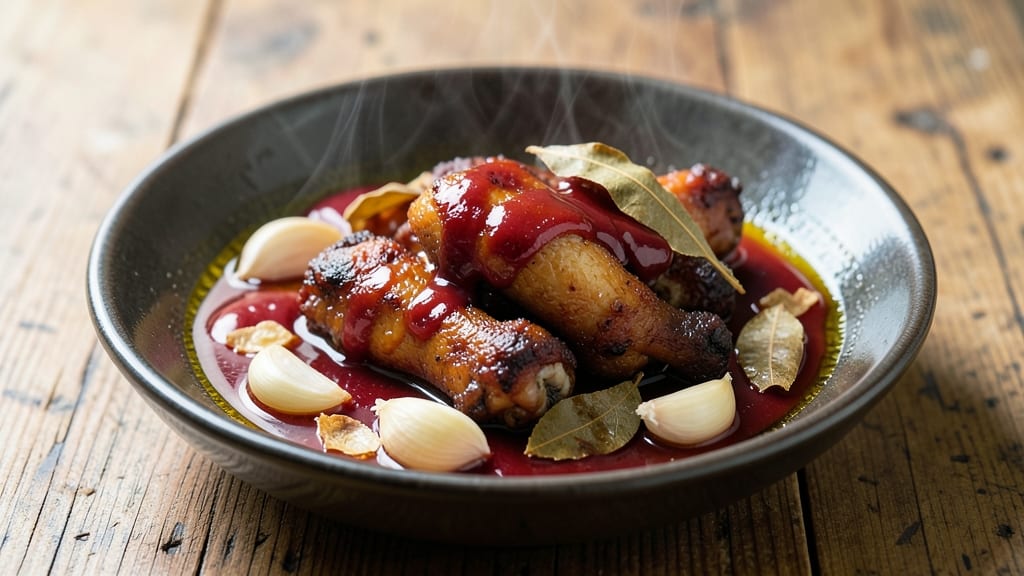
This chicken feet adobo recipe transforms humble ingredients into a deeply satisfying dish where crispy, collagen-rich bites melt into a rich, tangy-sweet sauce. The process begins with thorough cleaning and parboiling to remove impurities and prep the feet for maximum tenderness.
What sets this recipe apart is the balance of vinegar, soy sauce, and aromatic spices that create a glaze both complex and addictive.
The secret lies in slow simmering—low and steady heat allows the chicken feet to develop their signature crunch while the sauce reduces into a glossy, flavorful syrup. Garlic, bay leaves, and peppercorns infuse the liquid with layers of warmth, while a touch of sugar caramelizes for depth.
This isn’t just a recipe; it’s a method that rewards patience with restaurant-quality results at home.
By the end, you’ll have tender yet crispy chicken feet swimming in a glossy, savory-sweet sauce that clings to every bite. The texture contrast—crunchy exterior, gelatinous interior—makes this dish unforgettable. Serve it over steamed rice or with a simple vegetable side to let the adobo shine as the star.
Perfect for special occasions or when you want to impress with an authentic, flavor-packed meal. The process may require a few extra steps, but the reward is a dish that feels like a labor of love. Let’s get started on creating something truly special.
Ingredients for chicken feet adobo
Authentic flavors meet restaurant-level technique in this chicken feet adobo masterpiece.
| Ingredient | Amount | Notes |
|---|---|---|
| Chicken Feet (cleaned) 🦅 | 2 lb | Fresh or frozen, parboiled beforehand |
| White Vinegar 🍶 | 1 cup | High-quality, unrefined preferred |
| Soy Sauce 🍜 | 1 cup | Low-sodium for better control |
| Granulated Sugar 🍚 | ¼ cup | Light brown sugar enhances depth |
| Garlic Cloves 🧄 | 6 cloves | Freshly minced for aromatic punch |
| Bay Leaves 🌿 | 4 whole | Dried, aromatic for depth |
| Black Peppercorns 🌶️ | 1 tbsp | Whole, lightly crushed for texture |
| Water 💧 | 4 cups | Filtered for neutral flavor |
| Vegetable Oil 🫒 | ¼ cup | For initial searing |
| Salt 🧂 | 1 tsp | Diamond Crystal kosher preferred |
| Lard or Duck Fat 🥓 | 2 tbsp | For final crisping (optional) |
| Long-Grain White Rice 🍚 | 2 cups | For serving, uncooked |
The chicken feet require proper sourcing—opt for frozen cleaned feet from Asian markets or specialty butchers to ensure quality. If using fresh, parboil for 20 minutes to remove impurities before cooking. The soy sauce should be premium, like Lee Kum Kee or Pearl River Bridge, to avoid artificial aftertaste. Fresh garlic and whole bay leaves provide superior aroma compared to dried alternatives, though dried works in a pinch. The vinegar should be white and unrefined, like Malaysian vinegar, for a more complex tang.
Substitutions exist but compromise flavor. Coconut aminos can replace soy sauce at a 1:1 ratio, though the umami depth differs. Dried bay leaves require one-third the amount of fresh, but clove or star anise can enhance depth if desired. Vegetable broth works in place of water, but fish sauce adds complexity for those open to it. The lard or duck fat for crisping is optional but professionally recommended—substitute with extra oil if unavailable. For dietary restrictions, low-sodium soy sauce and sugar substitutes like erythritol can be used, though texture may vary.
This dish rewards patience—simmering for 2-3 hours develops the collagen and deepens flavors. Store cooked feet in adobo sauce in the fridge for 5 days or freeze for up to 3 months. The rice should be cooked separately and served steamed to avoid sogginess. For optimal texture, crisp the feet in lard or oil just before serving. Leftovers reheat beautifully, though add water or sauce as needed to restore moisture. The sauce thickens as it cools, so thin with a splash of water if serving immediately.
Why You'll Love This Recipe
- Here’s what sold me: this makes so much food. One batch feeds a crowd or gives you perfect leftovers for lunch the next day. Just reheat gently in the sauce, and it’s still restaurant-quality. Five days in the fridge? No problem.
- No-Fuss Feast: I’ll admit, the idea of chicken feet makes some people pause—but this recipe is that easy. Just parboil, sear, and let the Dutch oven do the work while you prep rice. No fancy prep, no stress.
- Umami Bomb: The combo of soy sauce, white vinegar, and garlic—plus that 1.5-hour braise—turns tough chicken feet into something so rich and savory, it’s like a flavor explosion. Trust me, the crispy edges with that sticky sauce? Chef’s kiss.
- Leftover Legend: Here’s what sold me: this makes so much food. One batch feeds a crowd or gives you perfect leftovers for lunch the next day. Just reheat gently in the sauce, and it’s still restaurant-quality. Five days in the fridge? No problem.
Step-by-step instructions for chicken feet adobo
Aromatic, sweet-savory braising transforms tough chicken feet into tender, crisp-edged bites with a glossy glaze.
Parboil and Sear the Chicken Feet
Begin by placing the 2 lb chicken feet (cleaned) in a large pot and covering them with 4 cups water. Bring to a boil over high heat, then reduce to a simmer for 15 minutes. This parboiling removes impurities and begins tenderizing the connective tissue. Drain and rinse thoroughly under cold water.
Heat ¼ cup vegetable oil in a large Dutch oven over medium-high heat. Working in batches if needed, sear the chicken feet until deep golden brown on all sides, about 3-4 minutes per batch. This step develops the Maillard reaction, creating depth of flavor in the final dish. Transfer the seared feet to a plate and set aside.
Build the Adobo Braising Liquid
In the same Dutch oven, add 6 minced garlic cloves and cook for 30 seconds until fragrant. Add 1 tbsp whole black peppercorns and toast for 1 minute until lightly blistered. Remove from heat and stir in 4 bay leaves, 1 cup soy sauce, 1 cup white vinegar, ¼ cup granulated sugar, and 1 tsp salt. Return to medium heat and bring to a gentle simmer for 5 minutes to meld the flavors.
Here's the thing—this braising liquid is the soul of the dish. The sugar caramelizes slightly, the vinegar cuts through the richness, and the soy sauce deepens the umami. Don't rush this step; let the aromatics develop fully before proceeding.
Braise Until Tender
Return the seared chicken feet to the Dutch oven and pour in enough of the braising liquid to cover them by 1 inch. Bring to a simmer over medium-low heat, then cover and cook for 1.5 hours. Check periodically and add ½ cup water if the liquid reduces too much.
After 1.5 hours, the chicken feet should be fork-tender when pierced. If they're not quite there, continue braising for another 30 minutes. The connective tissue should break down into a rich, gelatinous sauce that coats the meat. This is where patience pays off—rushing leads to tough, chewy results.
Achieve the Crispy Finish
Once the chicken feet are tender, carefully transfer them to a baking sheet lined with parchment paper. Increase your oven's temperature to 425°F. Heat 2 tbsp lard or duck fat in an oven-safe skillet over high heat until shimmering.
Working quickly, add the chicken feet to the skillet in a single layer and cook for 3-4 minutes until the edges develop a deep golden brown crust. This final step is critical—it transforms the tender meat into a textural masterpiece with a satisfying crunch. The lard or duck fat adds richness and enhances the crispiness.
Serve with Steamed Rice
While the chicken feet crisp, bring 2 cups long-grain white rice to a boil in a separate pot with 4 cups water and 1 tsp salt. Reduce heat to low, cover, and steam for 15 minutes or until the rice is tender and the liquid is absorbed. Fluff with a fork and serve immediately alongside the crispy chicken feet.
The rice acts as a neutral canvas that lets the complex flavors of the adobo shine. Each bite should deliver a perfect balance of sweet, salty, tangy, and umami notes, with the satisfying contrast of tender meat and crispy edges. Serve with extra braising liquid spooned over the top for dipping.
Pro Tips For Making Chicken Feet Adobo
- Sear in Batches: Chicken feet are bulky—don’t crowd the pan. Working in batches for 3-4 minutes per side ensures a deep golden crust, not a sad, uneven sear. I learned this the hard way when my first batch came out pale and flavorless.
- Toast the Peppercorns: Those whole black peppercorns aren’t just for looks—lightly blistering them for 1 minute adds a subtle heat and depth that skipping would leave behind. Sounds small, but it makes a real difference in the sauce’s complexity.
- Check Doneness Early: After 1.5 hours, poke a chicken foot with a fork. If it’s not fork-tender, don’t panic—just add another 30 minutes. I’ve rushed this step and ended up with chewy bites, and trust me, no one wants that.
- Use Duck Fat for Crisp: The lard is optional, but if you’ve got it, duck fat is worth the upgrade. It crisps the edges faster and adds a richer, almost buttery finish to the adobo. (Yes, even if you’re impatient like me.)
Creative variations of these flavors
Spicy Sichuan Style
Take your adobo to fiery new heights by adding 2 tbsp Sichuan peppercorns and 1 tbsp chili oil to the braising liquid during Step 2. The peppercorns bring a numbing, citrusy kick while the chili oil adds heat.
For extra depth, include 1-inch ginger slice and 1 star anise pod while simmering. Serve with a side of steamed bok choy to balance the spice. This fusion delivers a bold, aromatic twist that keeps your taste buds guessing. 🌶️
Coconut Milk Adobo
Swap the water in Step 3 for 2 cups coconut milk to create a creamy, rich variation. Reduce the soy sauce to ½ cup and add 1 tbsp fish sauce for umami. The coconut milk adds a velvety texture while maintaining the tangy-sweet balance.
I love serving this version with jasmine rice and a sprinkle of toasted coconut flakes. The coconut milk also helps tenderize the feet more gently. 🥥
Pork Belly Fusion
For a heartier dish, replace 1 lb of chicken feet with 1 lb pork belly in Step 1. The pork belly adds richness and fat content, creating a more decadent texture. Use ½ cup hoisin sauce instead of soy sauce and add 1 tbsp Shaoxing wine to the braising liquid.
This version feels like a cross between adobo and braised pork belly, with a sticky, caramelized finish. Serve with steamed eggplant slices for contrast. 🐷
Vegetarian Adobo
Create a plant-based version using 2 cups king oyster mushrooms (sliced thick) and 1 cup firm tofu pressed and cubed. Simmer the mushrooms and tofu in the adobo sauce for 45 minutes instead of chicken feet.
Add 1 tbsp nutritional yeast for cheesy depth and 1 tbsp liquid smoke to mimic the smoky flavor. Serve over rice with a side of steamed broccoli for a satisfying vegetarian meal. This adaptation keeps the soul of adobo while being entirely plant-forward. 🌱
Adobo Banh Mi
Transform your adobo into a Vietnamese-inspired sandwich by toasting 1 baguette and slathering it with mayo-mustard spread. Layer with crispy chicken feet, shredded cabbage, jalapeños, cilantro, and a drizzle of sriracha.
The tangy-sweet sauce pairs perfectly with the crunchy baguette and fresh veggies. This fusion dish is a fun way to repurpose your adobo into a handheld meal. 🥖
Nutrition facts
Frequently asked questions
Why do chicken feet need parboiling before cooking?
Parboiling removes impurities and begins breaking down tough connective tissue, ensuring tender results. The 15-minute simmer in water cleanses the feet while softening them slightly—critical for that perfect crispy-tender texture later. Skipping this step risks a chewy final product.
Can I use dried bay leaves instead of fresh?
Yes, but reduce the amount to 1-2 dried bay leaves per 4 fresh leaves. Dried leaves are more concentrated, so they’ll release their aroma more intensely. The flavor will still be authentic, though slightly more intense.
What if my chicken feet aren’t crispy enough after frying?
Increase the oven temperature to 450°F for the final crisping step, or fry them in smaller batches to avoid crowding. For extra crunch, use 1 tbsp extra lard in the skillet. The key is high heat and a single layer—patience here pays off!
How do I adjust the sauce if it’s too salty?
Balance the saltiness by adding 1 tbsp honey or sugar to the sauce, which enhances sweetness and cuts the saltiness. Alternatively, dilute with ½ cup water and simmer until reduced again. Taste as you go—adjustments are easy once the dish is off heat!
Can I make this dish ahead of time?
Cook the chicken feet and sauce up to 3 days ahead, storing them together in the fridge. For crispiness, reheat gently in the sauce, then crisp in the oven or skillet just before serving. Leftovers freeze beautifully for up to 3 months.