
Side Dishes
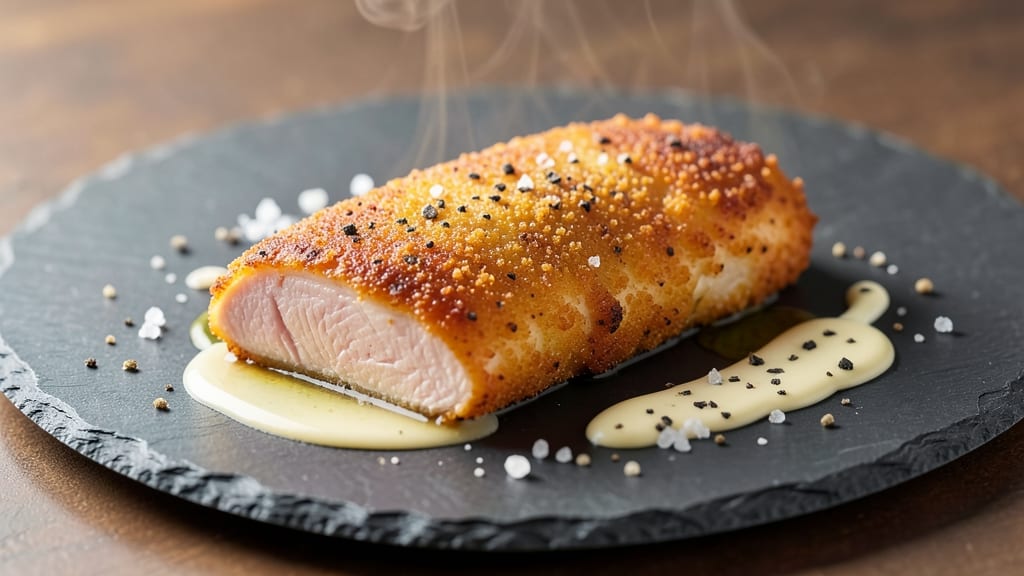
This chicken cornstarch recipe delivers the kind of ultra-crispy texture that transforms simple chicken into a restaurant-worthy centerpiece.
The secret lies in a precise cornstarch coating that creates a golden, shatteringly crisp exterior while keeping the meat tender inside—a technique I perfected after years of trial and error in the kitchen.
The process is straightforward but requires attention to detail: marinate the chicken, coat it thoroughly in cornstarch, and cook it at the right temperature (375°F) until the crust reaches that perfect golden-brown stage.
This method works equally well for pan-searing, baking, or even air frying, giving you flexibility for any meal.
What you’ll end up with is chicken that’s irresistibly crispy on the outside, juicy and tender within, and ready to be served with your favorite sides. The cornstarch coating ensures every bite delivers that satisfying crunch, making it ideal for weeknight dinners or special occasions.
Pair it with roasted vegetables, a fresh salad, or a tangy dipping sauce to complete the meal. The possibilities are endless, but the technique remains foolproof—once you try it, you’ll never go back to bland, soggy chicken again.
Ingredients for chicken cornstarch
Simple ingredients create restaurant-quality crispy chicken perfection in minutes.
| Ingredient | Amount | Notes |
|---|---|---|
| Boneless Skinless Chicken Breasts 🍗 | 1 ½ lb | Pounded to even thickness |
| All-Purpose Cornstarch 🌾 | 1 ½ cups | Fine grain preferred |
| Extra-Virgin Olive Oil 🫒 | ½ cup | For pan-searing |
| Unsalted Butter 🧈 | ¼ cup | Cubed for crispiness |
| Kosher Salt 🧂 | 1 ½ tsp | Diamond Crystal preferred |
| Freshly Ground Black Pepper 🌶️ | 1 tsp | For seasoning |
| Garlic Powder 🧄 | 1 tsp | For marinade |
| Dried Italian Seasoning 🌿 | 1 tsp | For depth |
| Lemon Juice 🍋 | 2 tbsp | Freshly squeezed |
| Fresh Parsley 🌱 | ¼ cup | Chopped for garnish |
| Butterfly Pepper 🔥 | 1 tsp | Optional for heat |
The chicken breasts need to be uniform for even cooking—pound them to about ½-inch thickness. Thighs work too if you prefer juicier meat, but breasts stay more tender. For the cornstarch, Arrowhead Mills brand is my go-to—it’s fine and absorbs moisture perfectly. The olive oil should be extra-virgin and fruity for best flavor, but any high-quality oil will do. I always keep a jar of Diamond Crystal kosher salt on hand for accurate seasoning—it’s less dense than table salt, so you’ll need slightly more.
No freshly ground pepper? Dried black pepper at half the amount works in a pinch. Want extra flavor without extra prep? Substitute 1 tsp garlic powder with 1 tsp onion powder. The lemon juice brightens the dish—if you’re short on time, use bottled but go for the no-sugar-added kind. For the butter, unsalted is best so you control the salt level, but don’t skip it—it adds richness. The parsley is purely for garnish, but fresh is always better than dried—just chop it fine so it doesn’t overpower.
The chicken stays best in the fridge for 2 days if prepped ahead. Store the cornstarch in a cool, dry place—it keeps forever if unopened. For extra crispiness, air-fry at 400°F for 10 minutes after pan-searing. I like to double the recipe and freeze half for later—just reheat in the oven at 375°F until crispy again. The butter pepper combo is optional but adds a fun kick—just sprinkle it on top right before serving.
Why You'll Love This Recipe
- No-Fuss Crunch: That cornstarch crust takes the guesswork out of crispy chicken. Pound the chicken, dip it, and boom—no breading mess, no waiting for breadcrumbs to stick. I’ve tried everything, and this method gives me that perfect crunch every single time with zero fuss.
- Lemon-Zinged Satisfaction: The bright squeeze of lemon at the end? Game changer. It cuts through the richness of the butter and cornstarch, leaving you with that perfect balance of savory and tangy. Trust me, the parsley on top is the cherry on top—no one will believe it’s just a pan-seared chicken.
- Freezer-Friendly Win: I double the recipe, freeze half, and pull it out when I’m craving something crispy but don’t want to cook. Pop it in the oven at 375°F, and it’s back to golden perfection in no time. Leftovers? They last two days in the fridge, so you’re never stuck with sad chicken.
- Budget’s Best Kept Secret: Cornstarch is cheap, butter is cheap, and chicken breasts are cheap—this recipe doesn’t break the bank. Yet somehow, it tastes like you slaved over it for hours. Here’s what sold me: I get restaurant-quality crunch without the restaurant price tag.
Step-by-step instructions for ultra-crispy pan-seared chicken
Here's how to achieve that legendary crunch while keeping the chicken juicy inside.
Prepare the Chicken for Maximum Crispiness
Start by pounding the 1½ lb boneless skinless chicken breasts to an even ½-inch thickness between two sheets of plastic wrap using a meat mallet. This ensures even cooking and prevents any part from staying undercooked. You'll feel the resistance give way as you work—stop when the thickness is uniform.
Season both sides aggressively with 1½ tsp kosher salt, 1 tsp freshly ground black pepper, 1 tsp garlic powder, and 1 tsp dried Italian seasoning. The salt should visibly cling to the surface, not just sprinkle on top. Let the seasoned chicken rest uncovered on a plate for 15 minutes at room temperature. This step is crucial—it allows the seasoning to penetrate slightly and prevents the chicken from steaming when it hits the hot pan.
Create the Cornstarch Crust for Unmatched Crunch
In a shallow dish, combine 1½ cups all-purpose cornstarch with 1 tsp butterfly pepper (finely chopped if not pre-ground). The cornstarch will be fine and powdery—this is what creates that signature shatteringly crisp crust. Dip each chicken breast into the cornstarch mixture, pressing gently to ensure an even coating on all sides. Tap off any excess to prevent a gummy texture.
Real talk: Don't skip this pressing step. I've learned the hard way that uneven coating leads to patchy crispiness. You want that crust to be uniform so every bite delivers that satisfying crunch. Set the coated chicken aside while you prepare your pan.
Sear to Golden Perfection Using Oil and Butter
Heat ½ cup extra-virgin olive oil and ¼ cup unsalted butter in a large skillet over medium-high heat until the butter foams and the oil shimmers—this should take about 3-4 minutes. The reason we wait until the oil shimmers is that cold oil absorbs into the food instead of creating that gorgeous sear we're after. You'll smell the butter's nutty aroma as it begins to brown slightly at the edges.
Add the cornstarch-coated chicken to the skillet, working in batches if needed to avoid crowding. Press down gently on each piece during the first 1-2 minutes of cooking—this prevents curling and ensures even contact with the pan. Cook until the underside is deep golden brown and crispy, about 3-4 minutes per side. The chicken should release easily from the pan when ready to flip.
Finish with Lemon and Parsley for Bright Flavor
Remove the chicken from the skillet and transfer it to a warm plate. Let it rest for 5 minutes while you deglaze the pan. Add 2 tbsp lemon juice to the hot skillet and scrape up any browned bits from the bottom with a wooden spoon. These bits are packed with flavor—don't waste them. Simmer the lemon juice for 1-2 minutes until slightly reduced.
Return the chicken to the skillet and spoon the lemon sauce evenly over the top. Sprinkle with ¼ cup chopped fresh parsley just before serving. The lemon brightens the rich, crispy chicken while the parsley adds a fresh finish. Serve immediately while the crust is at its crispiest—this dish doesn't wait. Each piece should have a shatteringly crisp exterior with juicy, tender meat inside that practically melts in your mouth.
Pro Tips For Making Chicken Cornstarch
- Press That Cornstarch: I used to just dip the chicken and call it good—big mistake. Pressing the cornstarch coating onto every inch of the breast (even the edges) guarantees that shatteringly crisp texture you’re after. Yes, it takes a few extra seconds, but those uneven spots will stay soft and gummy otherwise.
- Wait for the Oil: That oil has to shimmer before you add the chicken. I learned this after three batches where the crust came out greasy instead of golden. Let the butter foam and the oil dance for those 3-4 minutes—it’s the difference between "meh" and "wow."
- Don’t Skip the Rest: Fifteen minutes uncovered at room temp isn’t just a suggestion—it’s the secret to even cooking. Cold chicken steams instead of sears, and you’ll end up with uneven doneness. Trust me, even if you’re impatient like me, give it that time.
- Deglaze Aggressively: Those browned bits stuck to the pan? That’s flavor gold. Scrape them up with the lemon juice while the pan’s still hot, and you’ll get a sauce that clings to the chicken instead of pooling in the plate. It’s the easy upgrade no one talks about.
Serving suggestions for leftovers
Bright Citrus Sides
Serve your crispy chicken with a bright citrus salad to cut through the richness. Toss 4 cups mixed greens with 2 tbsp olive oil, 1 tbsp lemon juice, 1 tsp honey, and 1 minced shallot.
The acidity enhances the cornstarch crust while keeping the dish light. I always add ½ cup halved cherry tomatoes and ¼ cup crumbled feta for extra texture. 🍋
Warm Roasted Potatoes
For a hearty accompaniment, roast 2 lbs baby potatoes in 2 tbsp olive oil, 1 tsp garlic powder, ½ tsp salt, and ¼ tsp black pepper at 400°F for 25 minutes.
Toss halfway through for even browning. The potatoes' earthy flavor pairs perfectly with the crispy chicken. I like to finish them with 1 tbsp chopped rosemary before serving.
Spicy Sriracha Aioli
Make a quick dipping sauce by mixing ½ cup mayonnaise, 1 tbsp sriracha, 1 tsp lime juice, and ½ tsp garlic powder. For extra richness, stir in 1 tbsp melted butter.
This sauce adds a kick of heat that balances the cornstarch's crunch. Store any leftovers in an airtight container for up to 3 days. 🌶️
Asian-Inspired Sauce
Combine 3 tbsp soy sauce, 2 tbsp rice vinegar, 1 tbsp honey, and 1 minced garlic clove for a quick Asian-inspired drizzle. Add 1 tsp grated ginger and ½ tsp sesame oil for depth.
Pour over the chicken just before serving—it adds a tangy, slightly sweet contrast to the crispy exterior. I keep this sauce ready in the fridge for 1 week.
Simple Green Salad
A kale and apple salad with 2 cups chopped kale, 1 diced apple, ¼ cup walnuts, and 2 tbsp balsamic vinaigrette makes a refreshing side. The crunch from the nuts complements the chicken's texture beautifully.
Toss everything together right before serving to keep the greens crisp. This salad takes 5 minutes to assemble and elevates the meal instantly. ✨
Nutrition facts
Frequently asked questions
Why does my cornstarch-coated chicken turn out soggy instead of crispy?
The key to crispiness lies in the coating technique and cooking temperature. Skip pressing too hard when dipping into the cornstarch—just coat evenly and tap off excess. Also, ensure your pan is medium-high heat before adding the chicken. Overcrowding the pan lowers the temperature, causing sogginess. Cook in batches for that perfect golden-brown crust.
Can I substitute chicken thighs for breasts in this recipe?
Chicken thighs work beautifully—they stay juicier even at higher temperatures. Just pound them to ½-inch thickness like the breasts and follow the same seasoning and cooking steps. The cornstarch crust will still deliver that satisfying crunch, and the meat will be even more flavorful.
How do I reheat leftover cornstarch-coated chicken without losing crispiness?
Reheat in the oven at 375°F for 10-15 minutes on a wire rack over a baking sheet. This restores the crispiness lost from refrigeration. Avoid the microwave—it steams the cornstarch, making it soggy. For extra crunch, sprinkle a little cornstarch on the baking sheet before reheating.
What’s the best way to store cornstarch-coated chicken for meal prep?
Store in an airtight container in the fridge for up to 2 days. For longer storage, freeze the cooked chicken (uncoated) for up to 3 months. When reheating from frozen, bake at 375°F until crispy again. Never refreeze if it’s been thawed.