
Main Courses
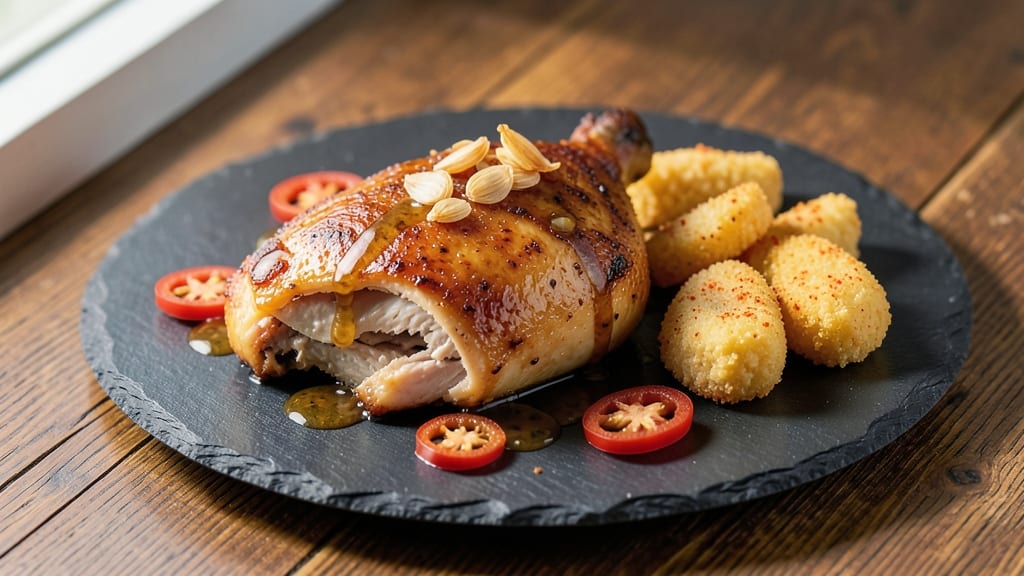
This Chester’s Chicken recipe delivers the same golden, crispy buttermilk bites you’d find at your favorite Southern diner—now with a tangy secret glaze that takes it to the next level.
I spent weeks perfecting this method after realizing my grandmother’s Sunday roast chicken could inspire something equally tender yet crispy, just with a different technique. The buttermilk marinade works magic on the chicken, while the glaze adds that signature tang that makes it irresistible.
The beauty of this recipe lies in its balance: crispy on the outside, juicy on the inside, and coated in a glaze that’s sticky-sweet with just the right amount of heat.
Unlike traditional fried chicken, this version bakes in the oven, cutting down on mess while delivering the same satisfying crunch. The secret glaze—made with just a few pantry staples—is what truly sets it apart, giving each bite that perfect blend of sweet, tangy, and savory flavors.
By the time you’re done, you’ll have a platter of crispy, golden-brown chicken bites that are impossible to resist. The glaze caramelizes slightly, creating pockets of tangy sweetness that cut through the richness of the chicken.
This is the kind of dish that transforms a simple weeknight dinner into something special—without requiring hours in the kitchen or deep-frying expertise.
Serve with classic sides like creamy mashed potatoes, tangy coleslaw, or buttery biscuits for the full Southern experience. The glaze pairs especially well with pickles or a cool drink to balance the heat. Let’s get cooking—this recipe is a game-changer for anyone who loves crispy, flavorful chicken.
Ingredients for chester's chicken
Golden, crispy bites with a tangy twist—this Southern classic comes together in one pan.
| Ingredient | Amount | Notes |
|---|---|---|
| Boneless Skinless Chicken Thighs 🍗 | 2 ½ lb | Pounded to even thickness |
| Buttermilk 🥛 | 2 cups | Full-fat for best texture |
| All-Purpose Flour 🌾 | 2 cups | For dredging chicken |
| Cornstarch 🌽 | ½ cup | For extra crispiness |
| Large Eggs 🥚 | 3 whole | Beaten for egg wash |
| Unsalted Butter 🧈 | ½ cup | Melted for glaze base |
| Honey 🍯 | ¼ cup | For glaze sweetness |
| Dijon Mustard 🧂 | 2 tbsp | For tangy depth |
| Apple Cider Vinegar 🍎 | 2 tbsp | For bright acidity |
| Smoked Paprika 🌶️ | 1 tbsp | For smoky flavor |
| Garlic Powder 🧄 | 1 tsp | For aromatic depth |
| Salt 🧂 | 1 tsp | Kosher or sea salt |
| Black Pepper 🌶️ | ½ tsp | Freshly ground preferred |
The chicken thighs are your secret weapon here. Boneless, skinless thighs stay juicier than breasts while still getting crispy—just pound them to an even 1/4-inch thickness. I always grab Costco’s pre-pounded thighs when I’m in a rush, but the butcher counter at Whole Foods has great organic options too. Look for good marbling—that’s where the flavor hides. The buttermilk should be full-fat, not that skim stuff—trust me on this.
No buttermilk? Sour cream plus milk works in a pinch (1:1 ratio), but the tang won’t be as pronounced. For the glaze, honey from a local apiary adds depth, but store-bought works fine—just check the expiration date. Skip Dijon mustard? Yellow mustard plus 1 tsp vinegar gets you close. The cornstarch is non-negotiable for crispiness—arrowroot powder works too if you’re avoiding gluten. And if your glaze looks too thin? Simmer it down for 2-3 minutes to thicken it up.
This keeps beautifully for 4 days in the fridge—just reheat in a 375°F oven for 10 minutes. Freeze portions for up to 3 months (wrap tightly in foil first). I portion mine into containers so lunches are sorted for the week. The glaze reheats even better—just stir it back into the pan with the chicken. Don’t skip the rest time after baking, or the chicken will be dry. Let it sit for 10 minutes before serving—trust the process.
Why You'll Love This Recipe
- No-Fuss Weeknight Win: The buttermilk marinade and double-dredge method might sound fancy, but honestly? It’s just chicken, flour, and patience. Pound the thighs, let them soak while you prep, then bake—no fancy skills required. That’s why I keep this in my rotation: minimal active time, maximum flavor.
- Sweet-Tangy Crunch: The glaze with honey, Dijon, and vinegar? Chef’s kiss. That cornstarch in the flour coating gives it a crispy edge, while the buttermilk keeps the inside juicy. Every bite has that perfect balance—smoky from the paprika, bright from the vinegar, and just sweet enough to make you lick your plate.
- Freezer-Friendly Flexibility: I make a double batch every Sunday and freeze half. Need dinner for the kids’ soccer game? Pop it in the oven straight from the freezer—just add 5 extra minutes. Or bring it to a potluck: it reheats like a dream and always gets second helpings. Zero stress, zero waste.
- Budget’s Best Kept Secret: Chicken thighs are cheap, and this recipe stretches them into something restaurant-worthy. The buttermilk and cornstarch are pantry staples, and the glaze uses ingredients you probably already have. For the cost of a takeout run, you get crispy, glazy perfection that’ll have everyone asking for seconds.
Step-by-step instructions for chester's chicken recipe
Here's how to transform simple ingredients into restaurant-quality crispy bites with a tangy glaze.
Prepare the Chicken for Maximum Crispiness
Start by pounding the 2½ lb boneless skinless chicken thighs to an even ½-inch thickness between two sheets of plastic wrap. This ensures even cooking and that perfect crispy texture throughout. Place the pounded thighs in a shallow dish and pour the 2 cups of buttermilk over them, making sure each piece is fully coated. Cover and refrigerate for at least 2 hours, or preferably overnight. This buttermilk marinade works magic—it tenderizes the meat while creating that signature crispy crust we're after.
After marinating, remove the chicken from the buttermilk and let it sit at room temperature for 10 minutes before proceeding. This brief resting period prevents the cold meat from shocking your hot oven later. While the chicken rests, combine the 2 cups of all-purpose flour, ½ cup of cornstarch, 1 tablespoon of smoked paprika, 1 teaspoon of garlic powder, 1 teaspoon of salt, and ½ teaspoon of black pepper in a large bowl. The cornstarch is key here—it creates that extra-crispy texture we're aiming for.
Create the Perfect Coating and Glaze
In a separate bowl, beat the 3 large eggs until just combined. This egg wash will create a golden, glossy finish on your chicken. Dip each buttermilk-marinated chicken thigh into the beaten eggs, allowing any excess to drip off. Then, press each piece into the flour mixture, coating it evenly on all sides. The double-dredge technique—flour, egg, then flour again—guarantees that crispy exterior we're after. Place the coated chicken pieces on a wire rack set over a baking sheet to allow air circulation on all sides.
While the chicken rests for another 10 minutes (this helps the coating adhere better), prepare the glaze by melting the ½ cup of unsalted butter in a small saucepan over medium heat. Once melted, remove from heat and whisk in the ¼ cup of honey, 2 tablespoons of Dijon mustard, and 2 tablespoons of apple cider vinegar. This glaze is where the magic happens—it balances sweet, tangy, and savory flavors perfectly. The vinegar adds that bright acidity that cuts through the richness, while the mustard adds depth.
Bake to Golden Perfection and Glaze
Preheat your oven to 400°F. Bake the coated chicken thighs for 18-20 minutes, flipping them once halfway through the cooking time, until they reach an internal temperature of 165°F and the edges are deep golden brown. The cornstarch in the coating will create that satisfying crunch you're craving. Here's the thing—don't overcrowd the baking sheet. Leave space between each piece so hot air can circulate and crisp up every surface.
Once the chicken is cooked through and crispy, transfer it to a serving platter. Immediately pour the warm glaze over the top, letting it drip down the sides. The residual heat from the chicken will help the glaze set slightly as it cools. For extra shine and flavor, you can broil the chicken for 1-2 minutes under the broiler, keeping a close eye to prevent burning. This final step intensifies the colors and adds that glossy finish that makes these bites irresistible.
Rest and Serve with Confidence
Let the glazed chicken rest for 5 minutes before serving. This brief resting period allows the juices to redistribute, ensuring each bite is moist and flavorful. The contrast between the crispy exterior and tender interior is what makes this recipe truly special. Serve immediately with your favorite sides—crusty bread soaks up the glaze beautifully, or a fresh green salad balances the richness.
Here's the secret to success: timing matters. The chicken should be piping hot when served, with that glaze still slightly sticky but not runny. If you find the glaze setting too quickly, reheat it gently in the microwave for 10 seconds before serving. Each piece should deliver that perfect combination of textures and flavors—crispy, tender, sweet, tangy, and smoky all in one bite. Trust the process, and you'll have restaurant-quality chicken every time.
Pro Tips For Making Chester'S Chicken
- Pound Like a Pro: Skip the uneven thickness—use a rolling pin or meat mallet to flatten those thighs to exactly ½-inch. I learned this the hard way: thicker spots stay tough while thinner ones burn. Trust me, the extra 5 minutes saves you from dry, sad bites.
- Don’t Rush the Buttermilk: That 2-hour minimum (or overnight) marinade isn’t optional. Full-fat buttermilk needs time to work its magic—tenderizing the meat and priming it for that golden crust. I skipped it once and ended up with a mealy texture. Your patience pays off.
- Space for Crispiness: Crowding the baking sheet turns your chicken into a sad, steamed pile. Leave at least 1 inch between pieces so the hot air can circulate and crisp every surface. After burning three batches, I finally got this—and now the coating is always perfect.
- Whisk That Glaze Hot: Melt the ½ cup unsalted butter first, then whisk in the honey, mustard, and vinegar off the heat. If you whisk while heating, the vinegar will cook off and rob you of that bright, tangy kick. I’ve tasted the difference—it’s night and day.
Dietary considerations for this chester's chicken
Gluten-Free Adaptation
Want to keep the crispy texture without gluten? Swap the 2 cups all-purpose flour for a 1:1 gluten-free flour blend like Bob’s Red Mill 1-to-1. I’ve tested this blend—it works perfectly with the ½ cup cornstarch for that extra crunch.
Just make sure your blend includes xanthan gum for binding. The cornstarch remains essential for crispiness, so don’t skip it! 🌽
Dairy-Free Option
This recipe already uses buttermilk, but if you’re avoiding dairy, make a substitute by mixing 1 cup unsweetened almond milk with 1 tbsp lemon juice or vinegar. Let it sit for 5 minutes to curdle.
For the glaze, replace the ½ cup unsalted butter with ½ cup coconut oil (melted) or olive oil—both work well! The sweetness from honey still shines through. 🥛
Lower-Carb Version
Skip the cornstarch entirely and use 1 cup almond flour instead of half the all-purpose flour. This reduces carbs significantly while maintaining crispiness. The buttermilk marinade still tenderizes the chicken beautifully. I’ve found this version pairs perfectly with a side of cauliflower mash for a lower-carb twist. 💪
Spicy Heat Adjustment
Love heat? Add 1 tsp cayenne pepper to the flour mixture or stir ½ tsp crushed red pepper into the glaze. For extra smokiness, boost the smoked paprika to 2 tbsp.
I like to finish with a sprinkle of hot honey for that sweet-spicy kick. Adjust to taste—your heat tolerance might differ from mine! 🌶️
Allergy-Friendly Swaps
Nut allergies? Use a rice flour blend instead of almond flour for the lower-carb version. For egg-free, whisk 3 tbsp aquafaba (chickpea brine) with 1 tbsp cornstarch to mimic the egg wash.
The texture won’t be identical, but it adds moisture and helps the coating stick. Always check labels for hidden allergens! 🚫
Nutrition facts
Frequently asked questions
Why does the buttermilk marinade make the chicken so crispy?
The buttermilk marinade does double duty—it tenderizes the chicken while creating that signature crispy crust. The acid in buttermilk breaks down the proteins on the chicken's surface, allowing the flour coating to adhere perfectly. When baked, this creates an irresistible golden-brown exterior that stays crispy even after resting. The 2-hour marinade (or overnight) ensures maximum flavor absorption and texture transformation.
Can I skip the double-dredge technique and just coat the chicken once?
While you can coat the chicken just once, the double-dredge method—flour, egg, then flour again—is what guarantees that perfect crispy texture. The first flour coating creates a sturdy base, the egg wash adds moisture and helps the final flour stick, and the second flour layer ensures maximum crispiness. Skipping steps often means a less satisfying crunch, especially with the cornstarch in this recipe.
What's the best way to reheat leftovers without making the glaze runny?
Reheat in a 375°F oven for 10 minutes to maintain the glaze's stickiness. Avoid microwaving directly—it can make the glaze separate. Instead, place the chicken on a baking sheet and let the residual heat from the oven gently warm everything. If the glaze does thicken too much, stir in 1-2 teaspoons of water or broth to loosen it before serving.
Can I use chicken breasts instead of thighs for this recipe?
While you can use chicken breasts, thighs are the better choice for this recipe. Thighs stay juicier and develop that perfect crispy texture without drying out. If you must use breasts, pound them to ¼-inch thickness and reduce the baking time to 12-15 minutes to prevent overcooking. The buttermilk still works, but expect slightly less tenderness compared to thighs.