
Main Courses
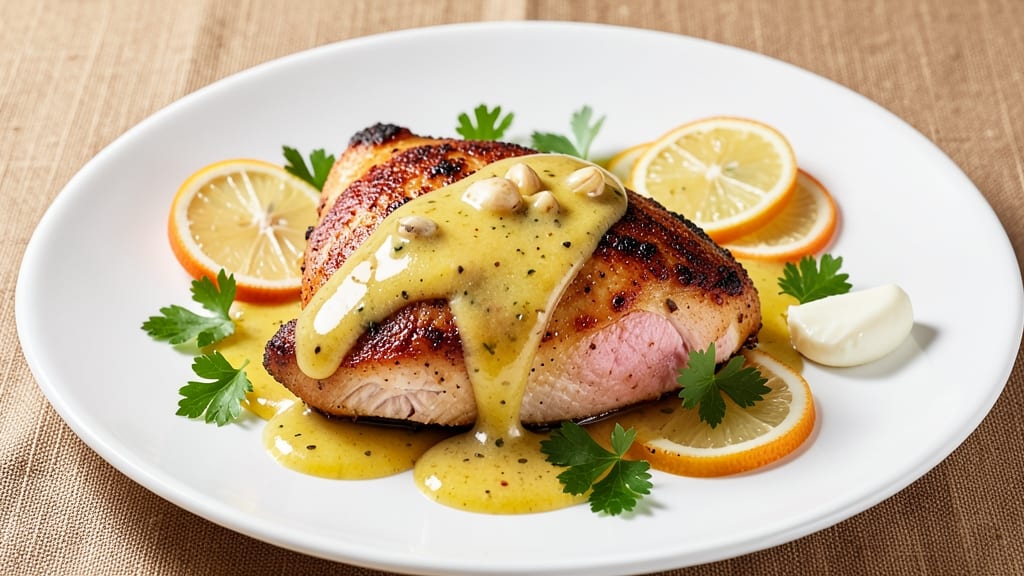
Transforming weeknight dinners into restaurant-quality meals doesn’t require hours in the kitchen—just Campbell’s Lemon Chicken and a one-pan approach. This recipe delivers tender, zesty chicken with a bright citrus glaze in just 25 minutes, making it perfect for busy evenings when you still crave flavor.
The secret lies in using Campbell’s condensed soup as the flavor base, which cuts prep time while delivering that signature tangy, savory depth.
What sets this method apart is how effortlessly it balances simplicity with professional results. You’ll start with boneless chicken thighs or breasts—tougher cuts stay juicier—seared in a skillet before simmering in a tangy lemon broth.
The Campbell’s soup adds instant umami, while fresh herbs and a touch of garlic elevate it from basic to extraordinary. No fancy techniques required, just precise timing and a few pantry staples.
The result is golden, tender chicken swimming in a glossy lemon sauce that’s bright yet rich, with just enough acidity to cut through the richness. Serve it over buttery rice or alongside roasted vegetables for a complete meal that feels indulgent without the fuss.
This is the kind of recipe that turns a simple weeknight into a memorable dinner—no takeout necessary.
For those who prefer extra crispiness, broil the chicken for the last 2 minutes. The sauce thickens beautifully when reduced, so don’t rush that final step.
Trust me, the difference between a good one-pan dinner and a great one often comes down to letting flavors meld—and Campbell’s soup makes that easy. Let’s get cooking.
Ingredients for campbell's lemon chicken
Just a handful of pantry staples and Campbell’s soup transform into restaurant-quality lemon chicken.
| Ingredient | Amount | Notes |
|---|---|---|
| Boneless Chicken Thighs 🍗 | 1 ½ lb | Pounded to even thickness |
| Campbell’s Lemon & Herb Condensed Soup 🍋 | 1 can | Full-fat for richness |
| Fresh Lemon Juice 🍋 | ½ cup | Freshly squeezed, not bottled |
| Garlic Cloves 🧄 | 4 cloves | Minced, aromatic |
| Fresh Parsley 🌿 | ¼ cup | Chopped, for garnish |
| Unsalted Butter 🧈 | ½ cup | Cubed, for searing |
| All-Purpose Flour 🌾 | ¼ cup | For dredging chicken |
| Diamond Crystal Kosher Salt 🧂 | 1 ½ tsp | For seasoning balance |
| Freshly Ground Black Pepper 🌶️ | 1 tsp | For aromatic depth |
| Extra-Virgin Olive Oil 🫒 | ¼ cup | For searing chicken |
| Long-Grain White Rice 🍚 | 1 ½ cups | Uncooked, for serving |
| Chicken Broth 🥄 | 1 cup | Low-sodium preferred |
| Honey 🍯 | 2 tbsp | For glaze sweetness |
The Campbell’s Lemon & Herb Condensed Soup is non-negotiable for this recipe—it’s the backbone of the tangy, savory depth that makes this dish stand out. Opt for the full-fat version for optimal richness, as it blends seamlessly with the lemon juice and garlic. Professional kitchens often use this as a shortcut to achieve complex flavor profiles without sacrificing quality. For best results, select a can that’s been stored in a cool, dry place, as prolonged exposure to heat can diminish its potency. The soup’s natural sweetness also balances the acidity of the lemon, creating a harmonious sauce that coats the chicken beautifully.
For those without Campbell’s, a 1:1 substitution of chicken broth with 1 tbsp lemon zest can mimic the tang, though it won’t replicate the umami depth. Fresh garlic is essential—roast whole cloves at 375°F for 10 minutes before mincing to intensify their flavor. If honey feels too sweet, substitute maple syrup at a 1:1 ratio, though it lacks the caramel notes. Parsley garnish is purely aesthetic, but fresh thyme or rosemary can be used instead if parsley isn’t available. The rice should be long-grain white for a neutral base that won’t compete with the lemon flavors.
This recipe’s sauce thickens beautifully when reduced, so simmer uncovered for the final 5 minutes to achieve the glossy finish. Store leftovers in an airtight container in the fridge for up to 5 days, or freeze portions for up to 3 months—the sauce tastes even better after a day or two as flavors meld. For extra crispiness, broil the chicken for the last 2 minutes at 425°F, but monitor closely to avoid burning. The rice should be cooked separately and reheated with the chicken to maintain texture, as it absorbs flavors differently.
Why You'll Love This Recipe
- One-Pan Magic: I love that this recipe turns one skillet into your entire meal—chicken, sauce, and rice all in the same pan. No scrubbing pots or juggling dishes; just golden chicken, a glossy lemon glaze, and fluffy rice all ready at the same time. My kids actually help with the parsley garnish, and honestly, it makes them feel like they’re part of the process (even if it’s just sprinkling green bits on their plates).
- Tangy, Sweet, Chef’s Kiss Sauce: The honey-sweetened Campbell’s Lemon & Herb Condensed Soup is where this dish becomes dangerously good. That first bite—crispy-edged chicken with a sauce that’s bright from the fresh lemon juice and just a touch caramelized from the honey—makes me forget I ever struggled with bland chicken before. The garlic and black pepper add depth, but the real star? The sauce clings to every bite like it’s been handcrafted.
- Meals That Multiply: This is my secret weapon for weeknight chaos. Cook it Sunday, and you’ve got four lunches for the week—just reheat with a splash of broth to revive the sauce. My husband even takes leftovers to work, and the sauce tastes better the next day because all those flavors have time to kiss. Plus, it’s the kind of dish that disappears fast at potlucks or game nights—no one complains about seconds, and that’s saying something.
- Budget-Friendly Luxury: I splurge on the full-fat Campbell’s soup and fresh lemon juice because it’s worth it, but the rest of the ingredients? Basic staples you already have. A pound of chicken thighs, butter, garlic, and rice—this isn’t a recipe that breaks the bank. Yet somehow, it feels like a restaurant-worthy dish. Between us, it’s the kind of meal that makes you feel fancy without emptying your wallet.
Step-by-step instructions for lemon chicken with Campbell's condensed soup
This one-pan method delivers restaurant-quality lemon chicken with tender thighs and bright, tangy sauce.
Prepare the Chicken for Maximum Flavor
Begin by pounding the 1½ lb boneless chicken thighs between two sheets of plastic wrap to an even ½-inch thickness. This ensures even cooking and prevents dryness in the center. Season both sides generously with 1½ tsp Diamond Crystal kosher salt and 1 tsp freshly ground black pepper, pressing the seasoning into the meat so it adheres.
Next, dredge each thigh lightly in ¼ cup all-purpose flour, shaking off any excess. This creates a delicate crust that will brown beautifully in the pan. Place the seasoned thighs on a plate and set aside while you prepare the rice. The flour coating will develop a golden finish while the chicken cooks, adding texture contrast to the tender meat.
Sear the Chicken and Build the Sauce Base
Heat ¼ cup extra-virgin olive oil and ½ cup unsalted butter in a large skillet over medium-high heat until the butter begins to foam. Add the floured chicken thighs and cook for 4-5 minutes per side until golden brown and cooked through to an internal temperature of 165°F. You'll know they're ready when the edges pull away from the pan easily and the chicken releases cleanly.
Remove the chicken from the skillet and set aside on a warm plate. Immediately add 4 minced garlic cloves to the same skillet and sauté for 30 seconds until fragrant. This quick cooking prevents the garlic from burning, preserving its delicate flavor. Then pour in 1 can Campbell's Lemon & Herb Condensed Soup and ½ cup fresh lemon juice, stirring to deglaze the pan and create a glossy base for your sauce.
Simmer the Sauce and Finish with Honey
Return the chicken to the skillet and pour in 1 cup chicken broth. Bring the mixture to a gentle simmer over medium heat, then reduce to low heat and cover partially. Let it cook for 10 minutes, allowing the flavors to meld together. The sauce should thicken slightly as it reduces, creating a rich, velvety consistency that coats the chicken beautifully.
Stir in 2 tbsp honey and let the sauce simmer uncovered for an additional 2-3 minutes until slightly reduced and glossy. The honey adds a subtle sweetness that balances the tangy lemon and enhances the overall flavor profile. Taste and adjust seasoning if needed, adding a pinch more salt or pepper as necessary. The sauce should be bright, flavorful, and just thick enough to cling to the chicken.
Prepare and Serve the Perfect Rice
While the chicken simmers, rinse 1½ cups long-grain white rice under cold water until the water runs clear. In a separate pot, combine the rice with 2 cups water and bring to a boil. Reduce heat to low, cover, and simmer for 15 minutes or until the water is fully absorbed and the rice is tender.
Fluff the rice gently with a fork and divide it among four plates. Spoon the lemon chicken and sauce over the rice, garnishing each serving with ¼ cup chopped fresh parsley. The parsley adds a fresh, vibrant finish that complements the rich flavors of the dish. Serve immediately while the chicken is still warm and the sauce is at its peak flavor.
Pro Tips For Making Campbell'S Lemon Chicken
- Don’t Rush the Butter Foam: Wait until the butter actually foams—not just melts—before adding the chicken. I used to toss the thighs in too soon, and the crust never got that golden, buttery magic. The foam signals the fat’s hot enough to sear without burning.
- Use Full-Fat Soup: That full-fat Campbell’s Lemon & Herb is non-negotiable here. The extra richness cuts through the acidity and makes the sauce velvety instead of thin. I tried low-fat once—disaster. Trust the recipe’s call for full-fat.
- Deglaze Immediately: As soon as you remove the chicken, add that garlic. Then pour in the soup and lemon juice while the pan is still screaming hot. This lifts all the browned bits (flavor gold) instead of letting them turn to sludge. Skimp here, and your sauce tastes flat.
- Simmer Covered, But Not Too Tight: Cover the skillet partially during the 10-minute simmer—just enough to trap steam but let it breathe. A tight lid turns the sauce into soup. I learned this after making a watery mess the first time.
Dietary considerations for this recipe
Gluten-Free Adaptation
This recipe can easily become gluten-free by swapping the all-purpose flour dredge for gluten-free all-purpose flour like Bob’s Red Mill or King Arthur. I prefer Bob’s for its neutral taste and ability to create that same golden crust.
Just ensure your Diamond Crystal kosher salt and black pepper are gluten-free certified, as some blends contain anti-caking agents with wheat. The Campbell’s soup itself is gluten-free, so no adjustments are needed there. 🌾
Low-Carb Option
For a low-carb version, skip the rice entirely and serve the chicken over a bed of cauliflower rice or zucchini noodles. The sauce will still coat the chicken beautifully, and the extra vegetables add fiber and volume.
I like to sauté the cauliflower rice in extra-virgin olive oil with a pinch of salt before adding it to the plate. The texture contrast works surprisingly well with the tender chicken. ✨
Dairy-Free Modification
If you’re avoiding dairy, simply omit the ½ cup unsalted butter during the searing step and use extra-virgin olive oil only. The chicken will still develop a golden crust, though it may be slightly less rich.
The Campbell’s soup contains no dairy, so the rest of the recipe remains unchanged. For extra richness, add a splash of coconut milk when simmering the sauce. This adds a subtle creaminess without dairy. 🥥
Lower-Sodium Adjustments
The Campbell’s soup already contains sodium, so if you’re watching your intake, reduce the kosher salt to 1 tsp total (instead of 1.5 tsp) and use low-sodium chicken broth as specified. Taste the sauce before adding extra salt—it should already be flavorful from the lemon and herbs.
If needed, add a pinch of black pepper or a squeeze of lemon juice to enhance brightness without sodium. 💡
Kid-Friendly Tweaks
Kids often prefer milder flavors, so reduce the honey to 1 tbsp and skip the fresh parsley garnish (some children dislike the texture). You can also add a pinch of garlic powder instead of fresh garlic if the aroma is too strong.
The Campbell’s soup provides enough tanginess, so the dish remains familiar and approachable. Serve with buttered noodles for a comforting twist. 👧👦
Vegetarian Substitute
While this dish is chicken-centric, you can create a vegetarian version using extra-firm tofu or chicken-style store-bought veggie strips. Press the tofu to remove excess water, then follow the same searing and sauce steps.
For extra flavor, marinate the tofu in lemon juice and garlic for 15 minutes before cooking. The Campbell’s soup will still shine as the star of the sauce. 🌱
Nutrition facts
Frequently asked questions
Why pound the chicken thighs before cooking?
Pounding the 1.5 lb boneless chicken thighs to ½-inch thickness ensures even cooking throughout. This prevents dryness in the center while allowing the outside to develop a perfect golden crust. Thinner pieces also cook faster and absorb flavors more consistently, keeping the chicken juicy and tender.
Can I use chicken breasts instead of thighs?
Yes, but adjust the cooking time slightly—chicken breasts cook faster and may dry out if overcooked. Keep an eye on the internal temperature, aiming for 165°F. Dredging them in flour first helps create a protective barrier against dryness. The sauce will still work beautifully with breasts!
What if my sauce turns out too thin?
Simmer the sauce uncovered for an extra 2-3 minutes to let it reduce naturally. If it’s still too thin, stir in a spoonful of cornstarch mixed with water to thicken it. Alternatively, let the sauce cool slightly and refrigerate overnight—it’ll thicken as it chills. The Campbell’s soup provides natural richness, so it rarely needs drastic adjustments.
How do I prevent the chicken from sticking to the pan?
Lightly dredge the chicken in flour first, then ensure your skillet is medium-high heat before adding the oil and butter. Don’t overcrowd the pan—cook the thighs in batches if needed. A well-seasoned cast-iron skillet works wonders, but any nonstick pan will do. Pat the chicken dry before seasoning to help the crust adhere.