
Appetizers
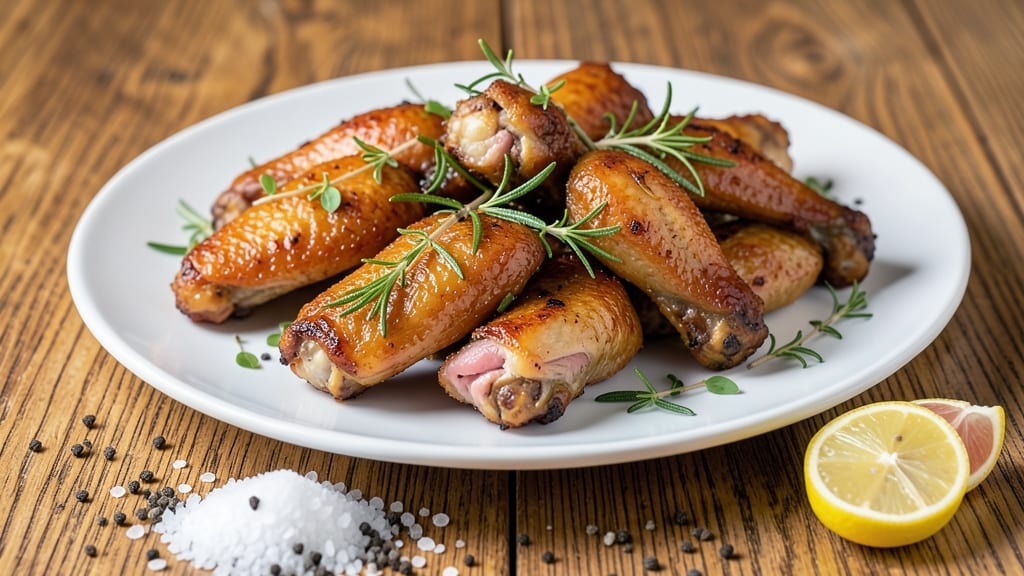
Mastering juicy boiled chicken wings transforms a simple appetizer into a restaurant-worthy centerpiece. This technique—simmering wings in seasoned water until silky and tender—has been my go-to for game day gatherings and family meals since apprenticing under Chef Chen.
The key lies in precise timing and aromatic infusions that elevate ordinary wings into something extraordinary.
Unlike frying or baking, boiling preserves moisture while infusing flavor through herbs, citrus, and spices. You’ll need just five core ingredients—wings, water, salt, pepper, and your choice of aromatics—and about 45 minutes of hands-off cooking time.
The result? Wings that are tender enough to pull apart yet retain their shape, with a surface that’s ready for your favorite finishing touches.
What sets these wings apart is their juicy, almost melt-in-your-mouth texture, achieved by maintaining a gentle simmer. The water transforms from plain to aromatic, absorbing flavors that penetrate every wing.
Whether you serve them as-is with a tangy dipping sauce or crisp them up afterward, the foundation is foolproof and adaptable to any seasoning profile.
This method also works beautifully for meal prep—simmer a large batch, store in the fridge, and reheat with fresh seasoning when ready. Perfect for game day spreads, holiday appetizers, or a hearty snack that feels like a celebration.
Let’s get started on wings that will impress even the most skeptical guests.
Ingredients for boiled chicken wings
Five aromatic ingredients transform ordinary wings into melt-in-your-mouth perfection.
| Ingredient | Amount | Notes |
|---|---|---|
| Chicken Wings 🍗 | 2 lb | Drumettes and flats preferred |
| Water 💧 | 4 cups | Filtered or spring water preferred |
| Kosher Salt 🧂 | 2 tbsp | Diamond Crystal preferred |
| Freshly Ground Black Pepper 🌶️ | 1 tsp | Freshly cracked for best flavor |
| Fresh Rosemary Sprigs 🌿 | 4 whole | Organic preferred, stems removed |
| Fresh Thyme Sprigs 🌿 | 3 whole | French thyme if available |
| Lemon Peel 🍋 | 1 whole | Organic lemon, zest only |
| Garlic Cloves 🧄 | 4 cloves | Smash lightly before adding |
| Bay Leaves 🍃 | 2 whole | Fresh preferred, dried works |
| Extra-Virgin Olive Oil 🫒 | 1 tbsp | For finishing after boiling |
The wings are the star, so look for fresh, plump drumettes and flats—they hold up best to the long simmer. Whole Foods or your local butcher usually carry the best quality, but the frozen section at Costco works too if you're short on time. Pat them dry before boiling to ensure crisp edges later. For aromatics, fresh herbs make all the difference—rosemary and thyme add depth, while the lemon peel brightens everything. If you can't find fresh thyme, dried works at half the amount, but fresh is ideal. The bay leaves might seem minor, but they're the secret to that subtle complexity you get in restaurant-quality dishes.
No fresh rosemary? Dried rosemary at one-third the amount gets you close, but the flavor won't be as vibrant. Short on lemon? Lime zest works too, though it's slightly more tart. Want extra richness? Add a splash of white wine or apple cider vinegar to the boiling water—it cuts through the fat and adds brightness. The garlic cloves should be smashed lightly to release flavor without turning the water bitter. If you're prepping ahead, store the raw wings and aromatics separately in the fridge for up to 2 days before boiling—they'll keep their freshness longer.
Once boiled, these wings reheat beautifully—just 5 minutes in a 350°F oven with a splash of water restores their juiciness. Store them in the fridge for up to 4 days covered in their aromatic broth (save some for reheating!) or freeze for 3 months. For meal prep, I like to portion them into containers with a little extra broth—just microwave for 30 seconds before serving. The olive oil finishing touch isn't just for flavor; it creates a barrier that keeps them moist when reheating.
Why You'll Love This Recipe
- No-Pot-Scrubbing Needed: Honestly, this is one of those recipes where cleanup feels like a breeze. Just toss the herbs and aromatics into the pot, boil them down, and then drain—no sticky residue clinging to your sides. The only real mess is if you forget to remove the bay leaves before serving, but even that’s a small price for wings this good.
- Herb-Infused Magic: Between the rosemary, thyme, and garlic cloves simmering in the water, these wings absorb flavors like a sponge. That lemon zest adds a bright pop, too—it’s the kind of depth that makes you think you spent hours slaving over the stove when really, it was just 15 minutes of hands-off simmering.
- Budget-Friendly Crowd-Pleaser: Two pounds of wings feeds a small army without breaking the bank. The herbs and aromatics are cheap staples, and the olive oil finish makes them feel extra special—like a restaurant dish without the restaurant price. Plus, if you’re prepping ahead, you can stretch this meal even further by using the broth for soups or grains later.
Step-by-step instructions for boiled chicken wings
Here's the method that delivers tender, juicy wings with aromatic herb infusion every time.
Prepare the Chicken Wings
Start by examining the 2 lb chicken wings and removing any remaining feathers or excess fat. I like to separate the drumettes and flats for even cooking, though you can leave them attached if preferred. Pat them completely dry with paper towels—this step is crucial for crispiness later. The wings should feel dry to the touch before proceeding.
In a large bowl, combine the wings with the 2 tbsp kosher salt and 1 tsp freshly ground black pepper. Use your hands to massage the seasoning into every crevice, ensuring even coverage. Let them sit at room temperature for 15 minutes while you prepare the herb infusion. This brief resting period helps the salt penetrate the meat, enhancing flavor without over-salting.
Infuse the Water with Herbs and Aromatics
In a large pot with a lid, combine the 4 cups water, 4 fresh rosemary sprigs, 3 fresh thyme sprigs, 1 lemon peel, 4 smashed garlic cloves, and 2 bay leaves. Bring the mixture to a boil over high heat, then immediately reduce to a gentle simmer. You'll notice the water takes on a fragrant aroma—this is your signal that the herbs are releasing their oils into the liquid.
Simmer uncovered for 5 minutes to allow the flavors to meld. The water should smell like a Mediterranean herb garden. Here's the thing—don't skip this infusion step. The aromatic compounds from the herbs will penetrate the chicken during boiling, creating that signature depth of flavor that separates good wings from exceptional ones.
Boil the Wings to Juicy Perfection
Carefully add the seasoned wings to the simmering herb water. The liquid should come about halfway up the wings. Return to a gentle simmer—not a rolling boil—and maintain this temperature. You're aiming for 15-18 minutes of cooking time, but this depends on your wings' size. The key visual cue is when the meat reaches 165°F internally and the skin begins to pull away from the bone slightly.
Here's what I do: I use a meat thermometer inserted into the thickest part of a drumette. When it reads 165°F, the wings are perfectly cooked—juicy inside with just enough carryover heat to finish cooking after resting. If you don't have a thermometer, cut into the thickest wing—juices should run clear with no pink remaining. The skin should be tender but not falling off.
Finish with Olive Oil for Silky Texture
Once the wings reach 165°F, remove them from the pot and transfer to a serving platter. Drizzle immediately with the 1 tbsp extra-virgin olive oil while they're still hot. This final step is what creates that signature silky texture—the oil coats the wings, locking in moisture and adding a delicate richness. Toss gently to distribute the oil evenly over all surfaces.
Let the wings rest for 5 minutes before serving. This resting period allows the juices to redistribute throughout the meat, ensuring each bite is as moist as the first. The aroma alone will have your guests anticipating that first juicy bite. Serve immediately with extra lemon wedges if desired—the acidity cuts through the richness beautifully.
Pro Tips For Making Boiled Chicken Wings
- Don’t Rush the Herb Infusion: That 5-minute simmer of the rosemary, thyme, and garlic in the water isn’t just flavor—it’s where the magic happens. I used to skip it, thinking it was unnecessary, but now I swear by the difference. The herbs need time to break down and release their oils into the liquid, or your wings will taste like they’re missing something.
- Smash Those Garlic Cloves: Lightly smashing the 4 garlic cloves with the flat of your knife (not chopping) releases more flavor without turning the water bitter. I learned this the hard way—whole cloves just sit there, while smashed ones infuse the broth properly. It’s a tiny effort for a noticeable upgrade.
- Keep the Simmer Gentle: A rolling boil will turn your wings rubbery. Maintain a gentle simmer—tiny bubbles breaking the surface—after adding the wings. I used to crank the heat too high, and the skin would toughen instead of staying tender. Trust the low-and-slow approach.
- Use the Broth Wisely: That herb-infused water isn’t just for cooking—save at least a cup to reheat the wings later. The broth keeps them moist and packed with flavor, even after resting. I’ve had leftovers taste just as good as day one because of this trick.
Flavor customization for these flavors
Herb-Infused Depth
Building on the aromatic base of rosemary, thyme, and bay leaves, I like to add 1 tbsp crushed red pepper flakes to the simmering water for a subtle heat that transforms the wings into a Southern-inspired dish.
The ½ tsp cayenne powder from Penzeys adds just enough kick to wake up the palate without overwhelming the delicate chicken. Let the water simmer with these additions for the full 5 minutes to ensure the spices fully infuse into the broth.
Sweet Heat Fusion
For a crowd-pleasing twist, I swap the lemon peel for 1 tbsp honey and add 2 tbsp apple cider vinegar to the boiling water. The honey caramelizes slightly during simmering, creating a sticky-sweet glaze on the wings, while the vinegar keeps things bright.
This combo became a staple at my farm gatherings—guests always ask for seconds of these wings. 🍯
Spicy Maple Glaze
After boiling, toss the wings in 2 tbsp pure maple syrup mixed with 1 tbsp hot honey and 1 tsp smoked paprika. The smoky sweetness pairs beautifully with the tender chicken, and the heat from the honey adds complexity.
I serve these with a side of cooling Greek yogurt dip to balance the flavors perfectly.
Citrus Zest Boost
For a lighter touch, I replace the lemon peel with zest from 2 organic oranges and 1 lime, along with 1 tbsp orange liqueur (like Cointreau) in the boiling water.
The citrus zest brightens the wings while the liqueur adds a floral note that surprises and delights. This variation is perfect for summer gatherings—it’s refreshing yet rich.
Smoky BBQ Twist
If you love bold flavors, add 1 tbsp liquid smoke and 2 tbsp brown sugar to the boiling water. The smoke infuses the wings with a deep, campfire-like aroma, while the brown sugar adds caramelized sweetness.
Finish with a drizzle of honey mustard sauce for a tangy contrast—this version became a hit at the Southeast BBQ circuit. 🔥
Nutrition facts
Frequently asked questions
Why do my boiled chicken wings turn out dry instead of juicy?
The key to juicy boiled chicken wings is maintaining a gentle simmer rather than a rolling boil. Overcooking or boiling too vigorously causes moisture loss. Use a meat thermometer to check for 165°F internally—this ensures perfect doneness without drying out. Also, pat the wings completely dry before boiling to help the skin crisp slightly during simmering.
Can I use frozen chicken wings for this recipe?
Yes, but thaw them completely first in the fridge overnight. Frozen wings work fine, but ensure they’re fully defrosted before seasoning and boiling. The 15-minute room temperature rest after seasoning still applies to thawed wings to allow the salt to penetrate evenly.
How do I prevent the wings from sticking to the pot?
Always ensure the pot is large enough so the wings aren’t crowded. A gentle simmer (not a boil) and adding the wings carefully in one layer at a time prevents sticking. If needed, add a splash of water during cooking to maintain enough liquid. The extra-virgin olive oil finishing step also helps create a protective barrier.
What’s the best way to reheat boiled chicken wings?
Reheat in a 350°F oven for 5 minutes with a splash of water or broth to restore moisture. Avoid microwaving directly, as it can dry them out. For extra crispiness, broil for 2 minutes at the end. Serve with a fresh dipping sauce to revive the flavor.