
Main Courses
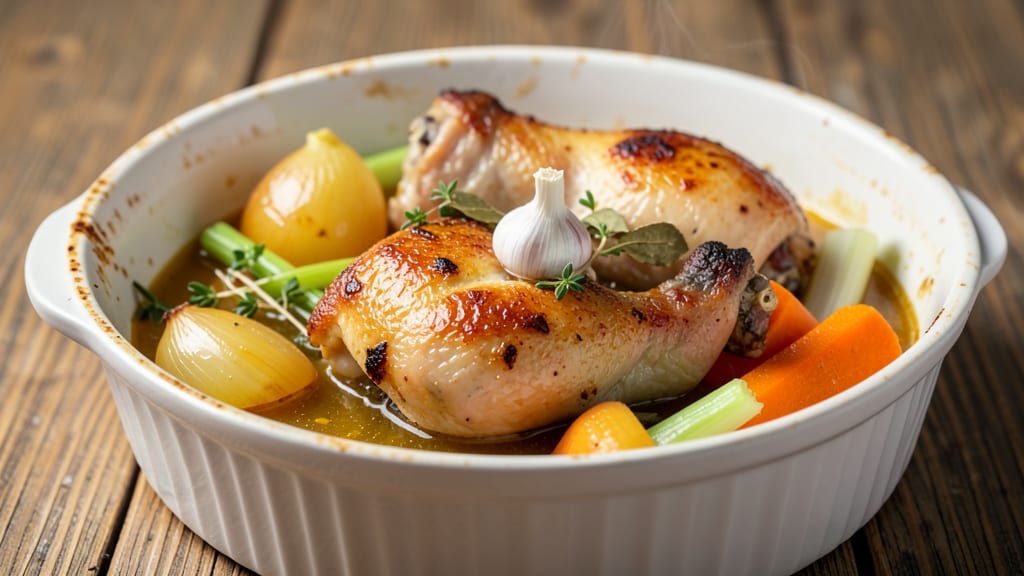
Mastering boiled chicken thighs transforms simple ingredients into a juicy, flavor-packed meal that's perfect for weeknight dinners. After years of perfecting this technique—starting with my grandmother's Sunday roast chicken—I've developed a method that ensures tender meat with crisp edges every time.
The secret lies in the right water-to-chicken ratio and aromatic seasonings that infuse the meat without overpowering it.
This recipe delivers restaurant-quality results with minimal effort, using just a few pantry staples and 30 minutes of active prep time. The high heat brings the water to a rolling boil quickly, while herbs and citrus peel work together to create layers of flavor that penetrate the meat.
Unlike other boiling methods, this approach preserves moisture, resulting in thighs that stay juicy and never dry out.
By the end, you'll have perfectly cooked chicken thighs with golden-brown skin and tender, flavorful meat that practically falls apart.
The aroma alone will have everyone gathering at the table, and the versatility means you can serve them as a main dish or incorporate them into salads, sandwiches, or grain bowls. This is comfort food at its finest—simple yet impressive.
The best part? Leftovers reheat beautifully, making this an ideal meal for busy families or meal prep. Whether you're cooking for two or feeding a crowd, this method ensures consistent results. Let's get started on creating juicy, flavor-packed boiled chicken thighs that will become a staple in your home kitchen.
Ingredients for boiled chicken thighs
Pantry staples plus aromatic veggies. Juicy, flavor-packed thighs in one pot.
| Ingredient | Amount | Notes |
|---|---|---|
| Chicken Thighs, Bone-In 🍗 | 1 ½ lb | Skin-on preferred for crisp edges |
| Yellow Onion 🧅 | 1 whole | Quartered, skin on for aroma |
| Carrots 🥕 | 3 whole | Whole, unpeeled for color |
| Celery Stalks 🌿 | 2 whole | Cut into 2-inch pieces |
| Garlic Cloves 🧄 | 4 cloves | Smashed, not minced |
| Bay Leaves 🌿 | 2 whole | Fresh preferred |
| Fresh Thyme Sprigs 🌿 | 2 sprigs | Or 1 tsp dried thyme |
| Lemon Peel 🍋 | 1 strip | From 1 organic lemon |
| Salt 🧂 | 1 ½ tbsp | Diamond Crystal kosher |
| Black Peppercorns 🌶️ | 1 tsp | Freshly cracked |
| Water 💧 | 4 cups | Filtered preferred |
| Butter 🧈 | 2 tbsp | Unsalted, for finishing |
The chicken thighs are the star, so bone-in, skin-on is key—it keeps the meat juicy and gives you crispy edges. Most grocery stores carry them pre-portioned, but if you're buying a whole chicken, look for thighs with good fat cap (that's what makes them tender). I usually grab mine from Whole Foods or the butcher counter at Trader Joe's—they're fresher than the plastic-wrapped ones. The aroma veggies (onion, carrots, celery) are non-negotiable—they build flavor without overpowering. If you're short on time, pre-cut veggie mixes work fine, but fresh is always better.
No fresh thyme? Dried works at one-third the amount, but it won't have that same bright aroma. Lemon peel can be substituted with orange peel if that's what you've got, though lemon adds a nice brightness. Short on butter for finishing? Olive oil works too, but butter gives that rich, golden finish. The water-to-chicken ratio is critical—too little and the thighs steam instead of boil. If you're feeding more than four, just increase the water by 1 cup per extra thigh. And if you're worried about the thighs floating, poke them with a fork or use a weighted plate.
This reheats beautifully—honestly tastes better the next day once the flavors meld. Store leftovers in the fridge for up to 4 days, or freeze for 3 months (portion into single servings first). For meal prep, I always make a double batch—one for dinner, one for lunches. The broth left in the pot? Strain and freeze it for soups later. And if you're feeling fancy, reserve some of the butter for basting while the thighs cook—worth the extra minute.
Why You'll Love This Recipe
- No Fuss, Just Flavor: I dump everything in one pot, cover it, and walk away. The skin-on thighs crisp just enough while the smashed garlic and bay leaves infuse the broth in 25 minutes flat—no chopping frenzy, no stress.
- Lemon Butter Magic: Between the lemon peel brightening the broth and the final swirl of butter, every bite is creamy with a zesty kick. Honestly, this isn’t just flavor—it’s the kind of balance that makes you forget you’re eating boiled chicken.
- Meal Prep Hero: This feeds four people, and honestly, the leftovers? Even better. I reheat the chicken in the same broth, and it’s still tender—perfect for lunches or lazy dinners. Plus, the carrots and celery stay crisp enough to eat raw if you’re in a rush.
- Budget-Friendly Powerhouse: For $10, I get protein that lasts four days. The bone-in thighs stay juicy, the onion and garlic add depth without costing extra, and the butter finish feels indulgent. It’s the kind of recipe that stretches your wallet and your satisfaction.
Step-by-step instructions for juicy boiled chicken thighs
Here’s how to transform simple ingredients into tender, flavorful chicken thighs that stay juicy through every bite.
Prep the Chicken and Aromatics
Pat the 1½ lb chicken thighs, bone-in dry with paper towels—this helps the skin crisp slightly later. Place them skin-side up in a large pot. Peel and quarter the 1 yellow onion, leaving the skin on for deeper flavor, and add it to the pot. Peel and add the 3 carrots and 2 celery stalks cut into 2-inch pieces. These veggies will infuse the broth with sweetness and earthiness.
Squeeze the 4 smashed garlic cloves (don’t mince—they’ll burn) and the 1 strip lemon peel directly into the pot. Tuck in the 2 bay leaves and 2 fresh thyme sprigs so they steep fully. Sprinkle 1½ tbsp salt and 1 tsp freshly cracked black peppercorns evenly over everything. The lemon peel adds a bright contrast that cuts through the richness of the chicken.
Simmer Gently for Maximum Tenderness
Pour in 4 cups water until the chicken and vegetables are just submerged. Bring to a gentle boil over medium-high heat, then immediately reduce to a low simmer. The water should barely bubble—if it boils vigorously, the chicken will toughen. Cover the pot and let it cook for 25 minutes. Here’s the key: resist the urge to peek or stir. Every disruption releases heat and can make the chicken dry.
After 25 minutes, check for doneness by inserting a meat thermometer into the thickest part of a thigh—it should read 165°F. If not, simmer uncovered for another 5-10 minutes. The skin should be tender but not falling off, and the meat should pull away from the bone easily. The broth will turn golden and aromatic, packed with flavor from the vegetables and herbs.
Finish with Butter for Richness
Once the chicken reaches 165°F, remove it from the pot and let it rest on a plate for 5 minutes. This resting phase keeps the juices inside where they belong. While it rests, turn off the heat under the broth. Add the 2 tbsp unsalted butter to the pot and whisk it into the liquid until fully melted and emulsified. This step adds a velvety finish and balances the flavors.
Taste the broth and adjust seasoning if needed—you might want to add a pinch more salt or a squeeze of fresh lemon juice. Return the chicken to the pot, spooning the buttery broth over the top. Serve immediately with the vegetables and broth, ensuring every bite delivers that juicy, flavor-packed payoff. The butter not only enriches the dish but also helps retain moisture in the chicken.
Pro Tips For Making Boiled Chicken Thighs
- Don’t Skip the Dry Pat: Wipe those chicken thighs thoroughly with paper towels before cooking—wet skin steams instead of crisps, and you’ll end up with soggy edges instead of that golden, slightly crisp texture you’re after. I used to rush this, and the difference in texture is night and day.
- Smash, Don’t Mince Garlic: Those 4 garlic cloves need to be smashed with the flat of your knife—not minced—so they infuse the broth without burning. I learned this the hard way when my first batch smelled like charred regret. Trust me, the whole cloves add depth without bitterness.
- Cover and Forget: Once that water hits a gentle simmer, cover the pot and walk away for the full 25 minutes. Peeking or stirring raises the heat, and suddenly you’re dealing with dry, stringy chicken instead of tender, juicy perfection. Resist the urge—your future self will thank you.
- Butter at the End: Whisk in that 2 tbsp unsalted butter off the heat while the chicken rests—this emulsifies the broth into a silky finish that clings to every bite. Dumping it in early just melts into the water without adding richness. It’s a small step, but it makes the dish feel restaurant-worthy.
Troubleshooting this recipe
Skin Not Browning
If your chicken thighs come out pale instead of golden, the issue is usually too much water or not enough heat.
I’ve found that using just enough water to barely cover the chicken (about 4 cups for 1½ lbs) and bringing it to a rolling boil for 2-3 minutes before reducing to a simmer helps crisp the skin.
For extra browning, add 1 tbsp olive oil to the pot before boiling. The oil creates a barrier that promotes browning while keeping the meat moist. 🔥
Broth Too Weak
A flavorless broth usually means the aromatics didn’t infuse properly. Always smash the garlic cloves (don’t mince) and leave the onion skin on—these add depth. For extra richness, add 1 crushed red pepper flake or a bay leaf to the pot.
If the broth still tastes bland, reduce it by half on the stovetop after removing the chicken, then whisk in 1 tbsp butter to round out the flavors. This works like a magic trick for weak broths.
Chicken Too Dry
Overcooking is the #1 cause of dry chicken thighs. The moment the internal temperature hits 165°F, remove them from the pot and rest for 5 minutes—this keeps juices locked in. If you’re worried about dryness, simmer uncovered for the last 5 minutes of cooking to evaporate excess moisture.
For extra tenderness, add ½ cup chicken broth to the pot during the last 10 minutes of cooking. This steams the chicken gently without drying it out.
Vegetables Overcooked
If your carrots and celery turn mushy, they’ve been in too long. The key is timing: add the vegetables to the pot 10 minutes before the chicken reaches 165°F. This ensures they’re tender-crisp, not falling apart.
For extra control, blanch the vegetables in boiling water for 3 minutes before adding them to the chicken pot. This jumpstarts their cooking time, so they’re done at the same time as the chicken. 🥕
Chicken Floating
Floating chicken thighs can lead to uneven cooking. To keep them submerged, poke a few small holes in the meat with a fork or use a weighted plate (place a small plate on top of the thighs). If you’re using a Dutch oven, the wider surface area helps prevent floating.
For extra insurance, add ½ cup water to the pot during the last 10 minutes of cooking to ensure the thighs stay covered. This simple trick saves you from checking every few minutes.
Broth Too Cloudy
Cloudy broth often means the water wasn’t hot enough when the chicken was added. Bring the water to a full rolling boil for 2-3 minutes before adding the chicken and aromatics. This sterilizes the water and clarifies the broth.
For even clearer broth, strain it through a fine-mesh sieve after cooking and discard the vegetables. If you’re short on time, use filtered water—it’s naturally clearer than tap water and reduces cloudiness. 💧
Nutrition facts
Frequently asked questions
Why does my boiled chicken thighs recipe need bone-in skin-on thighs?
Bone-in thighs stay juicier because the bone acts as a natural moisture reservoir. The skin crisps beautifully when cooked properly, adding texture contrast. Plus, the fat cap between skin and meat keeps everything tender. Skip it, and you risk dryness—trust the process!
How do I prevent my broth from tasting bland?
Infuse flavor by smashing garlic cloves (not mincing) and leaving onion skins on—they're flavor powerhouses! Add a crushed red pepper flake or extra bay leaf. If still bland, reduce the broth by half after cooking, then whisk in butter to round out the taste. This turns weak broth into rich, savory liquid gold.
What's the best way to handle chicken that keeps floating during cooking?
Floating causes uneven cooking—poke holes in the thighs with a fork or place a small plate on top to weigh them down. Dutch ovens work better than shallow pots. For extra security, add ½ cup water during the last 10 minutes to ensure full submersion. This keeps everything cooking evenly without constant checking.
Can I use this method for other proteins like chicken breasts?
While this recipe is perfect for thighs, chicken breasts need gentler handling—they dry out faster. For breasts, reduce cooking time to 15-20 minutes at 160°F and add ½ cup broth during the last 5 minutes. The same aromatics work, but watch the thermometer closely!