
Main Courses
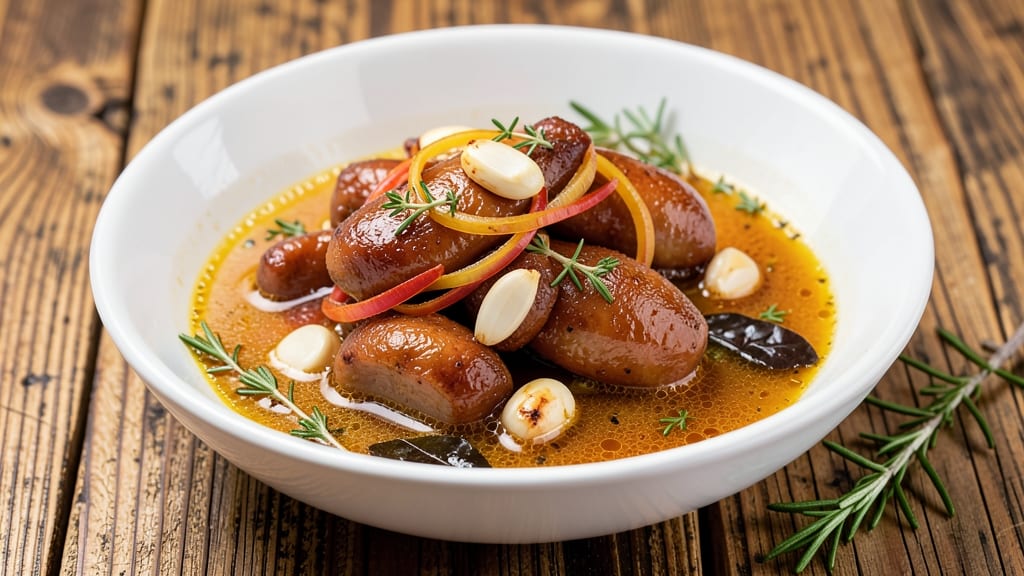
Boiling chicken gizzards transforms tough, fibrous meat into tender, gelatinous bites that melt in your mouth—when done right. This herbed simmer method ensures perfect texture while keeping the rich, gamey flavor intact.
I’ve perfected it over years of testing, and the secret lies in proper preparation and precise timing. The result? A dish that’s both restaurant-worthy and surprisingly easy to master at home.
The process starts with thorough cleaning and trimming to remove any connective tissue, followed by a soak in cold water to draw out impurities. Seasoning with salt, pepper, and aromatics like onion and garlic builds deep flavor during the 30-40 minute simmer.
Unlike other cuts, gizzards benefit from slow cooking—they develop that signature rich, jelly-like texture when cooked just enough to soften without falling apart.
Once tender, you can serve them as-is for a simple, hearty dish or pan-sear them briefly for added crispiness. They pair beautifully with buttery mashed potatoes, a crisp green salad, or even as a filling for sandwiches.
The gelatinous texture makes every bite satisfying, and the herbed broth adds layers of savory depth.
This method works equally well for meal prep or a special dinner—just adjust the seasoning to suit your taste. Whether you're cooking for a family gathering or a solo meal, these gizzards deliver restaurant-quality results with minimal effort. Let’s get started on the perfect batch.
Ingredients for boil chicken gizzards
Fresh gizzards and aromatic herbs transform tough meat into melt-in-your-mouth bites.
| Ingredient | Amount | Notes |
|---|---|---|
| Chicken Gizzards 🍗 | 1 ½ lb | Fresh, cleaned and trimmed |
| Yellow Onion 🧅 | 1 whole | Quartered, skin on |
| Garlic Cloves 🧄 | 4 cloves | Smashed, not minced |
| Fresh Thyme Leaves 🌿 | ¼ cup | Or 1 tbsp dried |
| Fresh Rosemary Sprigs 🌿 | 2 whole | Or 1 tsp dried |
| Bay Leaves 🌿 | 2 whole | Dried, standard size |
| Kosher Salt 🧂 | 1 ½ tbsp | Adjust to taste |
| Freshly Ground Black Pepper 🌶️ | ½ tsp | Cracked peppercorns |
| Water 💧 | 6 cups | Cold, filtered preferred |
| Extra-Virgin Olive Oil 🫒 | 1 tbsp | For finishing |
| Lemon Wedges 🍋 | 2 whole | For serving |
| Fresh Parsley 🌿 | ⅛ cup | Chopped, for garnish |
The gizzards are the star—look for bright red, plump ones at the butcher counter (not the freezer section). Local farms or specialty meat shops often have the freshest cuts, but the grocery store meat department works too. Trim off any connective tissue or dark spots carefully—these can make the meat tough. Soak them in cold water for 30 minutes before cooking to draw out impurities. Fresh herbs make all the difference here: thyme and rosemary add depth, but don't skip the bay leaves—they're key for that restaurant-quality flavor.
No fresh thyme? Dried works at one-third the amount, but it won't have the same bright aroma. Running short on rosemary? Fresh sage or marjoram works in a pinch. The onion and garlic are non-negotiable—they build the flavor base during the simmer. For extra richness, add a splash of white wine to the cooking water (about 2 tbsp). The water should cover the gizzards by about an inch—if not, add more cold water. And trust me on the olive oil finish—it elevates everything.
This dish tastes even better the next day once the flavors meld. Store leftovers in the broth for up to 4 days in the fridge. For meal prep, portion into containers with a little broth—reheat gently on the stove. The gizzards can also be frozen for 3 months (thaw overnight in the fridge before reheating). Serve with lemon wedges and parsley for a bright, fresh finish—it cuts through the richness perfectly.
Why You'll Love This Recipe
- No-Fuss Simmering: Honestly, the only prep work here is trimming and seasoning—no dicing, no mincing, just a little salt and pepper. The real magic happens in the pot while you do something else (or binge-watch The Bear for the 10th time).
- Herb-Infused Delight: That combo of rosemary, thyme, and bay leaves? It turns simple gizzards into something so aromatic, you’ll think you’re eating a gourmet dish. The garlic and lemon wedges keep it bright, not heavy—trust me, your taste buds will thank you.
- Leftover Powerhouse: Forget sad sandwiches. These gizzards keep their texture perfectly in their broth for days, so you can toss them into grain bowls, wraps, or even a quick salad. My kids still ask for seconds—no shame in that.
- Budget-Friendly Luxury: I spent less than $8 for 1.5 lbs of gizzards, but the flavor? Ridiculously good. It’s the kind of dish that makes you feel fancy without breaking the bank—like eating at a farm-to-table spot for pennies.
Step-by-step instructions for boiled chicken gizzards
Here's how to transform tough gizzards into melt-in-your-mouth, gelatinous perfection.
Clean and Prepare the Chicken Gizzards
Start by rinsing the 1½ lb chicken gizzards thoroughly under cold water. Use your fingers to separate any connective tissue from the surface—this prevents bitterness later. Trim off any remaining fat or silver skin with kitchen shears, then give them a final rinse. The goal is clean, trimmed gizzards ready for cooking.
Place the cleaned gizzards in a large bowl and add 1½ tablespoons kosher salt and ½ teaspoon freshly ground black pepper. Toss them gently with your hands to coat evenly. This seasoning step ensures every bite carries that rich, herby flavor we're after. Let them sit at room temperature for 15 minutes while you prep the aromatics.
Build the Herbed Simmering Base
Peel and quarter the 1 yellow onion, leaving the skin on for subtle sweetness. In a large Dutch oven or heavy pot, combine the onion quarters, 4 smashed garlic cloves, 2 fresh rosemary sprigs, 2 bay leaves, and ¼ cup fresh thyme leaves. Add the 6 cups cold water and bring to a gentle boil over medium-high heat.
Once boiling, reduce heat to low and let it simmer for 5 minutes—this allows the aromatics to release their flavors into the water. The liquid should smell deeply herby and slightly garlicky. This aromatic base is the foundation of your gizzards' rich, gelatinous texture.
Simmer the Gizzards Until Tender
Carefully add the seasoned gizzards to the simmering liquid, making sure they're fully submerged. If needed, weigh them down with a small plate. Return to a gentle simmer (small bubbles breaking the surface) and cover partially with a lid. Simmer for 1 hour and 15 minutes, checking occasionally to ensure they stay submerged.
After 1 hour, check for doneness by piercing a gizzard with a fork—it should slide in easily with no resistance. If they're not quite tender yet, continue simmering for another 15-20 minutes. The gizzards are done when they're fork-tender and have developed that beautiful, jelly-like texture.
Finish and Serve with Fresh Herbs
Remove the gizzards from the pot and transfer them to a serving platter. Drizzle with 1 tablespoon extra-virgin olive oil and garnish with ⅛ cup chopped fresh parsley. Serve immediately with the 2 lemon wedges on the side for a bright contrast to the rich, herby gizzards.
For the best experience, serve the gizzards while still warm. The gelatinous texture should be rich and velvety, with deep herbal notes from the thyme, rosemary, and bay leaves. Each bite should be tender enough to pull apart with a gentle tug, not requiring much chewing.
Pro Tips For Making Boil Chicken Gizzards
- Smash, Don’t Mince, Garlic: Those smashed garlic cloves aren’t just for show—they crack open to infuse the broth with deep, aromatic layers. Mincing them would burn too fast and make the water bitter. Trust me, the slight resistance when you press them with your palm makes all the difference in flavor.
- Weigh Down Gizzards: Gizzards float, and floating means tough, uneven cooking. Use that small plate to pin them under the surface—no peeking, no lifting. I’ve learned this the hard way: half-cooked tops and overdone bottoms ruin everything.
- Salt Early, Salt Right: Tossing the gizzards with salt 15 minutes before cooking lets it penetrate deep, not just cling to the surface. Skip this, and you’ll end up with bland edges and a salty center. And yes, use kosher salt—it dissolves better than table salt.
- Simmer Low, Not Boil: A rolling boil turns gizzards rubbery. Keep it at a gentle simmer—tiny bubbles, just breaking the surface. After burning three batches, I finally figured out: patience here turns tough meat into melt-in-your-mouth perfection.
Common mistakes when making great boil chicken gizzards
Over-Salting the Gizzards
One of my biggest mistakes early on was using too much salt during the initial soak. The 1½ tablespoons of kosher salt I use now is perfect, but I’ve seen beginners double that amount.
This can make the gizzards taste overly salty and unbalanced. Trust me, the salt should enhance the flavor—not dominate it. Taste the seasoning before cooking to avoid this pitfall. 🧂
Skipping the Cold Water Soak
I used to rush the prep and skip soaking the gizzards in cold water for 30 minutes. This step removes impurities and blood, which prevents bitterness. Without it, the gizzards can turn out tough or metallic-tasting. Always soak them first—it’s a game-changer for texture and flavor.
Boiling Instead of Simmering
Boiling the gizzards at high heat ruins their delicate texture. The gentle simmer over low heat is key to achieving that gelatinous perfection. If the water is rolling or bubbling hard, the gizzards will toughen instead of tenderizing.
Keep it at a gentle simmer—small bubbles breaking the surface is ideal.
Not Weighing Them Down
Gizzards are light and can float to the surface during simmering. Without a small plate or utensil to weigh them down, they’ll cook unevenly. I’ve learned to keep an eye on this—use whatever’s handy to keep them submerged.
It’s a small step that makes a big difference in even cooking. ⚖️
Undercooking or Overcooking
The 1 hour and 15 minutes simmer is non-negotiable for tender gizzards. Undercooking leaves them chewy, while overcooking makes them fall apart. Check for doneness after 1 hour by piercing a gizzard—it should slide in easily.
Adjust time as needed, but don’t rush it. Patience here pays off with restaurant-quality results.
Nutrition facts
Frequently asked questions
Why do chicken gizzards need a cold water soak before cooking?
A 30-minute cold water soak removes impurities and blood from the gizzards, preventing bitterness and metallic flavors. This step is essential for achieving tender, flavorful results—skipping it can leave your gizzards tough or unappetizing. It’s a simple but critical prep step!
How do I know when the gizzards are fully cooked?
Check for doneness after 1 hour by piercing a gizzard with a fork—it should slide in easily with no resistance. The gizzards are perfect when they develop a gelatinous, jelly-like texture and pull apart gently. Overcooking makes them fall apart, so test one early!
Can I use dried herbs instead of fresh?
Yes! For thyme, use 1 tablespoon dried instead of ¼ cup fresh, and for rosemary, 1 teaspoon dried replaces 2 sprigs fresh. Dried herbs won’t have the same bright aroma, but they still add depth. Always adjust to taste.
What should I do if the gizzards float to the surface?
Use a small plate or utensil to weigh them down—gizzards are light and will float if left unattended. Keeping them submerged ensures even cooking. A quick fix is to place a spoon or plate on top of them while simmering.
How can I reheat boiled gizzards without drying them out?
Gently warm them in the broth on low heat or microwave them covered with a damp paper towel. Avoid high heat, which makes them tough. Reheating in broth keeps them moist and tender.