
Soups & Stews
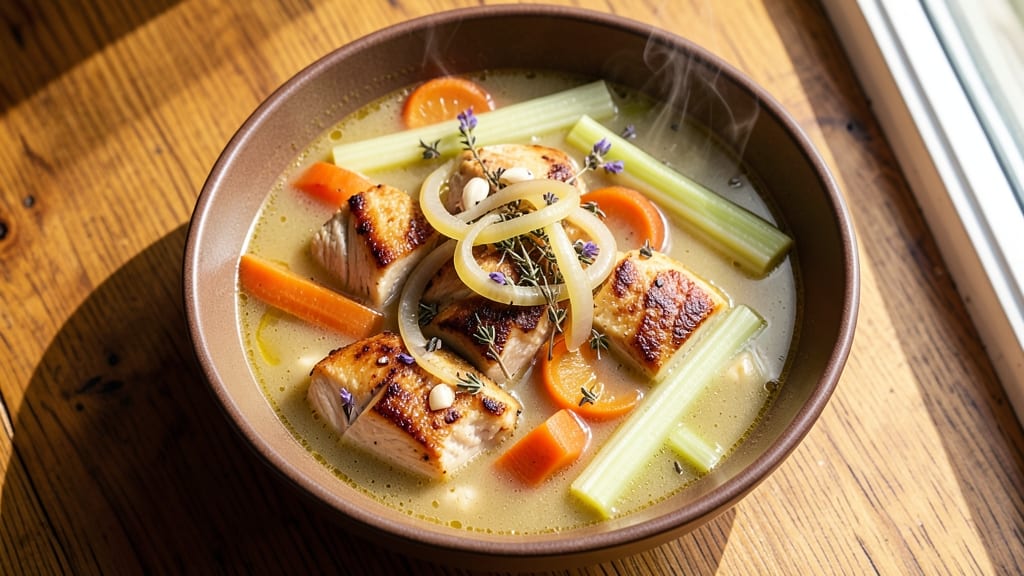
Betty Crocker's chicken soup recipe delivers the kind of comforting warmth that transforms a simple bowl into a home-cooked masterpiece. Growing up in small-town Georgia, I learned that good soup isn't just about ingredients—it's about technique and heart.
This recipe builds rich, aromatic broth from scratch while keeping the preparation straightforward for home cooks. The secret lies in slow-simmered chicken and perfectly balanced vegetables that create depth without complexity.
What sets this version apart is the foolproof method for developing flavor: a well-built mirepoix base, properly poached chicken, and a touch of herbs that elevate without overpowering. Unlike many shortcut recipes, this delivers restaurant-quality results with simple pantry staples and one-pot convenience.
The broth develops its signature richness through time rather than artificial seasonings, ensuring every spoonful tastes like home.
By the time you serve this soup, you'll have tender chicken pieces, melt-in-your-mouth vegetables, and a broth so flavorful it becomes the star. The aroma alone—warm, savory, with hints of thyme and bay—will have everyone gathered around the table.
Perfect for chilly evenings or when you need to nourish a crowd, this recipe proves homemade comfort food doesn't require complicated techniques.
For those who prefer extra heartiness, stir in egg noodles or add fresh parsley at the end. The beauty of this soup is its adaptability—it works as a light lunch or a filling dinner, always delivering that homestyle warmth that makes it unforgettable.
Let's get started on creating your own bowl of tradition.
Ingredients for betty crocker chicken soup
Simple pantry staples transform into restaurant-quality chicken soup with this foolproof method.
| Ingredient | Amount | Notes |
|---|---|---|
| Boneless Chicken Breasts 🍗 | 2 ½ lb | Skinless, cut into 2-inch pieces |
| Carrots 🥕 | 2 lb | Peeled, cut into ¼-inch rounds |
| Celery Stalks 🌿 | 2 lb | Washed, cut into ¼-inch pieces |
| Yellow Onions 🧅 | 2 whole | Medium, finely diced |
| Garlic Cloves 🧄 | 6 cloves | Peeled, minced |
| Dried Thyme 🌿 | 1 tsp | Substitute for fresh (1:3 ratio) |
| Bay Leaves 🍃 | 2 whole | Dried, whole leaves |
| Chicken Broth 🥄 | 8 cups | Low-sodium preferred |
| Salt 🧂 | 1 ½ tbsp | Diamond Crystal kosher salt |
| Black Peppercorns 🌶️ | 1 tbsp | Freshly cracked |
| Butter 🧈 | ½ cup | Unsalted, for finishing |
| All-Purpose Flour 🌾 | 2 tbsp | For roux thickening |
| Fresh Parsley 🌿 | ¼ cup | Chopped, for garnish |
| Egg Noodles 🍜 | 12 oz | Optional, for heartiness |
The foundation of authentic flavor begins with the mirepoix—carrots, celery, and onions in equal parts. Professional kitchens use pre-cut mixes from La Choy for consistency, but fresh is ideal. The chicken should be boneless, skinless breasts cut into even 2-inch pieces for even cooking. For the broth, low-sodium chicken stock from Pacific Foods is a trusted choice, but homemade is always superior. The thyme and bay leaves should be fresh if available—dried works in a pinch but requires one-third the quantity.
Substitutions are flexible but intentional. Dried thyme replaces fresh at 1:3 ratio, while white wine instead of broth adds complexity. For the roux, cornstarch slurry works in emergencies but lacks the depth of flour. The egg noodles can be egg-free if dietary restrictions apply, and frozen peas add color without cooking time. Always use unsalted butter for finishing—salted can overpower the delicate broth balance. The Diamond Crystal kosher salt is preferred for precise seasoning control.
This soup develops its richness through 60-90 minutes of simmering, so patience is key. The chicken pieces should shred easily with a fork—if not, simmer longer. Store in airtight glass containers for up to 5 days in the refrigerator, or freeze portions for 3 months. The fresh parsley should be added just before serving to preserve its vibrant color. For cold weather meals, double the batch and freeze half—it reheats beautifully with added broth to thin. The egg noodles should be cooked separately and added at the end to prevent mushiness.
Why You'll Love This Recipe
- The secret’s in the searing: those 2.5 pounds of chicken get that golden crust before hitting the broth, and that’s what makes the difference. Add in the 6 cloves of garlic, thyme, and bay leaves simmering for 30 minutes, and you’ve got a broth so rich it’ll make you forget store-bought ever existed. The fresh parsley at the end? Game-changer—bright and fresh against all that depth.
- One-Pot Magic: I can’t overstate how much I love that this soup lives entirely in one Dutch oven. No scrubbing a dozen pans later—just sear the chicken, toss in the veggies, and simmer. The butter and flour create that light roux right in the same pot, so cleanup is basically just wiping down one surface. My kids help with the parsley garnish, and honestly, it’s the easiest way to make a meal feel special without the stress.
- Flavor Bomb: The secret’s in the searing: those 2.5 pounds of chicken get that golden crust before hitting the broth, and that’s what makes the difference. Add in the 6 cloves of garlic, thyme, and bay leaves simmering for 30 minutes, and you’ve got a broth so rich it’ll make you forget store-bought ever existed. The fresh parsley at the end? Game-changer—bright and fresh against all that depth.
- Budget’s Best Friend: With 2 pounds of carrots, celery, and onions, this recipe stretches far. The chicken broth is the only splurge, but even then, a big bag lasts forever. I’ll be real: I’ve made this on $10 nights and still felt like I was treating myself. The flour and butter add richness without breaking the bank, and the noodles? Optional—just skip them if you’re watching carbs. Comfort food that won’t drain your wallet.
Step-by-step instructions for homestyle chicken soup
This method delivers rich, comforting soup where every ingredient contributes to the perfect balance of flavor.
Sear the Chicken for Maximum Flavor
Heat a large Dutch oven over medium-high heat. Add the 2½ pound boneless chicken breasts cut into 2-inch pieces, working in batches if needed to avoid crowding. Sear each piece for 3-4 minutes per side until golden brown and cooked through to an internal temperature of 165°F. Here's the thing—this step develops deep, caramelized flavors that infuse the broth later.
Remove the chicken from the pot and set aside. You'll want to strain out the meat later, but leaving the skin-on pieces in briefly helps build a flavorful base. The golden crust on the chicken pieces will melt into the broth, creating a more complex taste profile than simply simmering raw chicken.
Build the Vegetable Base and Thicken the Broth
In the same Dutch oven, reduce heat to medium and add ½ cup butter. Once melted, add the 2 yellow onions, 2 pounds carrots cut into ¼-inch rounds, and 2 pounds celery stalks cut into ¼-inch pieces. Cook for 8-10 minutes until the vegetables begin to soften and release their juices.
Add the 6 minced garlic cloves, 1 teaspoon dried thyme, and 2 bay leaves. Stir for 1 minute until fragrant. This aromatic phase is crucial—it develops the soup's foundational flavors before adding the broth. Sprinkle in the 2 tablespoons all-purpose flour and stir vigorously for 2 minutes to create a light roux that will help thicken the soup slightly.
Gradually whisk in the 8 cups chicken broth, scraping up any browned bits from the bottom of the pot. Return the chicken pieces to the pot and bring everything to a gentle simmer. Here's where it gets fun—the broth will begin to absorb all those caramelized flavors from the seared chicken and sautéed vegetables.
Simmer and Develop the Flavor Profile
Cover the pot and let the soup simmer gently for 30 minutes. This prolonged cooking time allows all the flavors to meld together while the chicken becomes fork-tender. I know it seems like a long time, but this step is what transforms a simple soup into something truly comforting and complex.
After 30 minutes, remove the chicken pieces and strain the broth through a fine-mesh sieve into a clean pot. Discard the vegetables and bay leaves. Return the broth to the heat and bring it to a gentle simmer. Season with 1½ tablespoons salt and 1 tablespoon freshly cracked black peppercorns, adjusting to taste. The broth should now be rich, flavorful, and perfectly balanced.
Finish with Egg Noodles and Garnish
Add the 12 ounces egg noodles to the simmering broth and cook according to package directions until al dente. The noodles should absorb the flavorful broth while maintaining a slight bite. Real talk—this is where the soup becomes truly satisfying, with the hearty noodles providing texture contrast to the smooth broth.
Stir in the ¼ cup chopped fresh parsley just before serving. The parsley adds a bright, fresh note that cuts through the richness of the soup. Ladle into bowls and garnish with additional parsley if desired. Each bowl should be filled with tender chicken, perfectly cooked vegetables, and a broth that's rich with layers of flavor.
Serve with Homestyle Warmth
Let the soup rest for 5 minutes before serving. This resting period allows the flavors to settle and the noodles to fully absorb the broth. The soup should be served immediately while hot, as the flavors continue to develop even after cooking.
This homestyle chicken soup delivers on all the promises of comfort food—rich, flavorful broth, tender chicken, and perfectly cooked noodles. The secret lies in the careful layering of flavors through searing, simmering, and finishing with fresh herbs. Serve with crusty bread to soak up every last drop of that delicious broth.
Pro Tips For Making Betty Crocker Chicken Soup
- Sear in Batches: I learned this the hard way—crowding the chicken in the Dutch oven steams it instead of searing. Work in batches, even if it takes a little longer, to get that golden crust. The flavor difference is night and day, especially when the broth absorbs those caramelized bits.
- Salt the Broth Early: Taste the broth after simmering for 20 minutes, not at the end. The salt dissolves and penetrates better when added early, and you’ll avoid the shock of realizing it’s bland after all that work. Trust me, your taste buds will thank you.
- Whisk That Roux: The 2 minutes of whisking the flour into the butter might feel tedious, but skipping it means a thinner, less cohesive broth. Keep the heat medium and stir like you’re trying to win an arm-wrestling match—consistent, firm pressure. It’s the only way to avoid lumps.
- Strain the Broth Twice: After simmering, strain the broth through a fine-mesh sieve again if it’s cloudy. Use a slotted spoon to press out every last bit of veggie pulp—it makes the final broth silky smooth. I know it’s extra work, but the result is worth it, especially when you’re serving it to picky eaters.
Make-ahead tips for this dish
Prep the Night Before
I always prep the vegetables first—dicing the 2 yellow onions, peeling and slicing the 2 pounds carrots and celery—and store them in airtight containers with a damp paper towel to prevent drying out.
This keeps them fresh for up to 2 days in the fridge, saving you precious morning time. The key is to keep them moist but not soggy—just enough to maintain their texture. 💡
Pre-Cook the Chicken
For a hands-off morning, poach the 2½ pounds chicken breasts in 4 cups broth until fully cooked—about 15-20 minutes until internal temp reaches 165°F. Let it cool, then refrigerate in the broth.
This method ensures tender chicken that’s ready to strain and add back to the soup when you’re ready to cook. The broth it’s been soaking in adds extra flavor!
Broth Boost
Make your broth work harder by simmering it with 1 bay leaf and ½ tsp thyme for 2 hours before straining. This concentrated flavor base means you only need 6 cups broth when cooking the soup—saving time and reducing cleanup.
Store the extra in the fridge for up to 5 days or freeze for 3 months. It’s like having a flavorful shortcut! 🧂
Noodle Prep
Cook the 12 ounces egg noodles ahead and drain them, then toss with a little butter to prevent sticking. Store them in a sealed bag in the fridge—this way, they’re ready to toss into the simmering broth in 5 minutes.
The noodles will absorb the soup’s flavor beautifully when reheated. No soggy surprises!
Flavor Infusers
Freeze small portions of chopped parsley and crushed peppercorns in ice cube trays with a little water. These frozen flavor boosters can be added directly to the soup when reheating—no measuring required! It’s a game-changer for quick, flavorful meals. Just pop one cube into your soup and stir. 💛
Double Batch Freezing
If you’re feeding a crowd, double the recipe and freeze half in glass containers or freezer bags. When ready to serve, thaw overnight in the fridge and reheat on the stove with a splash of water to loosen the texture.
The soup tastes even better after a few days—flavors meld together beautifully. Trust me, this is a lifesaver for busy weeks! ❄️
Nutrition facts
Frequently asked questions
Can I skip searing the chicken for this recipe?
While you can poach the chicken directly in broth, searing first adds unmatched depth to the flavor. The caramelized crust creates a rich base that infuses the broth with complexity. If you skip it, the soup will still taste good but lack that restaurant-quality richness. Try it both ways to compare!
What if my broth tastes bland after simmering?
Seasoning develops gradually, so don't worry if it seems mild early on. After 30 minutes of simmering, the flavors should meld together. If it's still bland, add a pinch more salt and a splash of low-sodium soy sauce or a dash of Worcestershire sauce to balance it. Taste as you go!
How do I prevent my egg noodles from getting mushy?
Cook the noodles separately and add them to the simmering broth only when it's al dente. Overcooking is the main culprit! For extra texture, try fresh egg noodles or even rice noodles—they hold up better to reheating. Stir gently when adding them back in.
Can I use chicken thighs instead of breasts?
Chicken thighs add extra richness and stay juicier during simmering. Just reduce the cooking time slightly to 25-30 minutes since they cook faster. The skin-on thighs will also add even more flavor to the broth. It's a great way to make the soup even more hearty!
Why does my soup separate after refrigerating?
This happens when fats separate from liquids. Gently reheat the soup on low heat while stirring constantly until fully warmed. If it's still separated, whisk vigorously or use an immersion blender to recombine. For next time, let the soup cool slowly in the fridge rather than at room temperature.