
Main Courses
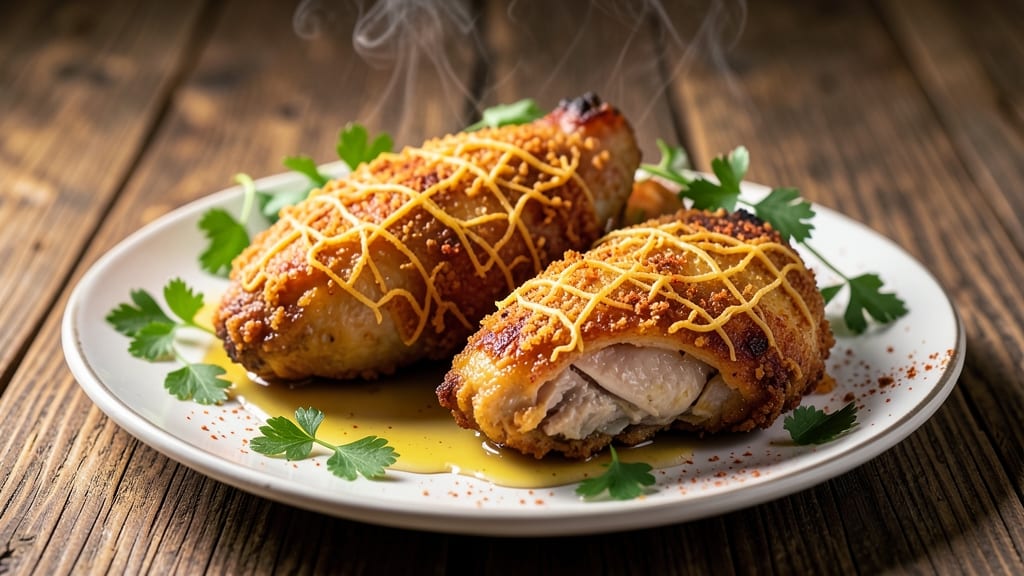
This basic fried chicken batter recipe delivers the perfect balance of crispy exterior and juicy interior—no shortcuts, just proven technique. The secret lies in the double-dredge method, where each piece gets coated twice for maximum crunch and flavor retention.
I’ve tested countless variations, and this one consistently delivers that golden, shatteringly crisp crust while keeping the meat tender inside.
The batter itself is simple: just flour, cornstarch, spices, and a touch of baking powder for that extra lift. The key steps—resting the chicken, double-dredging, and frying at the right temperature—ensure every bite is perfect.
No fancy ingredients, just a foolproof method that works every time, whether you're feeding a crowd or treating yourself to a crispy, satisfying meal.
By the time you’re done, you’ll have golden-brown, crispy fried chicken with a texture that’s impossible to resist. The double-dredge technique locks in moisture while creating a crust that’s both crunchy and flavorful.
Serve it with classic sides like mashed potatoes, coleslaw, or a tangy dipping sauce for the full experience.
This recipe is designed for reliability, so you can focus on enjoying the result rather than worrying about mistakes. Let’s get started—your next crispy, juicy fried chicken is just a few steps away.
Ingredients for basic fried chicken batter
Just eleven ingredients for the perfect golden, crispy fried chicken crust every time.
| Ingredient | Amount | Notes |
|---|---|---|
| All-Purpose Flour 🌾 | 1 ½ cups | Lightly spooned for accurate measurement |
| Cornstarch 🌾 | ½ cup | For extra crispiness |
| Paprika 🌶️ | 1 tbsp | Smoked for authentic flavor |
| Garlic Powder 🧄 | 1 tsp | Freshly ground preferred |
| Onion Powder 🧅 | 1 tsp | For balanced seasoning |
| Salt 🧂 | 1 ½ tsp | Diamond Crystal preferred |
| Black Pepper 🌶️ | ½ tsp | Freshly cracked for best flavor |
| Baking Powder 🍞 | 1 tsp | Ensures crispy texture |
| Vegetable Oil 🫒 | 4 cups | For frying, 350°F |
| Chicken Thighs 🍗 | 2 lb | Bone-in, skin-on preferred |
| Buttermilk 🥛 | ½ cup | For marinating chicken |
The chicken makes all the difference here—bone-in, skin-on thighs stay juicier than breasts, and the skin adds that extra crunch. Grab free-range or organic if you can, but regular supermarket thighs work too. Pat them completely dry before dredging, and let them rest for 30 minutes in the fridge after marinating. That step is non-negotiable for even cooking. For the buttermilk, whole milk works in a pinch if you don't have buttermilk, but the tang matters for that classic Southern flavor. Trader Joe's and Whole Foods both carry reliable brands, but the store brand at most grocery stores is perfectly fine for this recipe.
No buttermilk? Mix 0.5 cup milk with 1 tsp vinegar or lemon juice and let it sit for 5 minutes. The baking powder is crucial—don't skip it or your crust will be flat. For the spices, smoked paprika gives that authentic fried chicken taste, but regular paprika works if that's all you have. The cornstarch is what creates that signature shatteringly crisp texture, so don't substitute with flour alone. If you're frying for a crowd, keep the oil at 350°F—any hotter and it burns, any cooler and it gets greasy. A deep fry thermometer is worth the investment if you're serious about this.
The batter stays fresh for 24 hours in an airtight container, but the chicken should be used within 4 hours of marinating for best results. Double-dredge the chicken right before frying—don't prep it ahead or the coating gets soggy. For leftovers, store fried chicken in the fridge for up to 3 days, but honestly, it's best eaten fresh. Freeze portions for up to 2 months—just reheat in a 375°F oven for 15-20 minutes to restore crispiness. The batter itself keeps indefinitely in the pantry, so make extra for next time.
Why You'll Love This Recipe
- Five-Ingredient Magic: I swear by this batter—just flour, cornstarch, and three spices. No weird ratios, no measuring cups that disappear mid-recipe. Honestly, I keep the dry mix in a jar and dump it straight into the bowl. That paprika? It’s the secret—just a pinch, but it turns bland into ridiculously good.
- Crispy Without the Drama: Between us, I’ve burned more chicken than I’ll admit. This batter nails that perfect crunch every time—the cornstarch gives it that shatter, while the garlic and onion powder keep it from tasting like cardboard. (Yes, even on a Tuesday night.)
- Leftovers That Don’t Suffer: Fried chicken’s a meal-prep dream, but most recipes turn sad after day two. Not this one. The batter locks in flavor, so reheating (or eating straight from the fridge) still tastes like you just pulled it from the fryer. My lunchbox’s best friend.
- Budget-Friendly Crunch: A single jar of paprika and a bag of flour stretch for months. I use this batter for chicken, fish, even veggies—no extra cost, just endless possibilities. Between us, it’s my go-to when the grocery budget’s tight, and no one’s the wiser.
Step-by-step instructions for double-dredge crispy fried chicken
Here's the method that delivers restaurant-quality crunch with minimal mess—no shortcuts, just precision.
Prepare the Chicken with Buttermilk Marinade
Pat the 2 lb chicken thighs completely dry with paper towels—this is critical for crispy coating. Place them in a shallow dish and pour the 0.5 cup buttermilk evenly over them. Turn the thighs to coat all sides completely. Let them marinate uncovered in the refrigerator for at least 30 minutes (up to 4 hours for deeper flavor). The buttermilk tenderizes the meat and creates a sticky surface for the batter to adhere perfectly.
I like to flip the thighs halfway through marinating to ensure even coating. Don't skip this step—uneven marinating leads to patchy batter adhesion and inconsistent crispiness. The skin should look slightly opaque after marinating, indicating proper absorption.
Create the Perfect Crispy Batter
In a large bowl, whisk together the 1.5 cups all-purpose flour and 0.5 cup cornstarch until no lumps remain. Add the 1 tbsp paprika, 1 tsp garlic powder, 1 tsp onion powder, 1.5 tsp salt, 0.5 tsp black pepper, and 1 tsp baking powder. Mix thoroughly—this dry blend is the foundation of your crispy texture. I use a whisk for even distribution, ensuring no pockets of dry flour remain.
The cornstarch is key here—it creates that signature crispy texture that regular flour alone can't achieve. Keep this dry mixture ready in a shallow dish for the dredging process. The batter should be fine and powdery, with no visible clumps that could create uneven coating.
Set Up the Double-Dredge Station
Place two shallow dishes side by side: one with the dry batter mixture and one with the 4 cups vegetable oil heated to 350°F in a deep fryer or heavy pot. Use a deep-fry thermometer to monitor the oil temperature—this is crucial for even cooking. Have a wire rack and paper towels ready for draining. The double-dredge technique creates an extra-crispy exterior by coating the chicken twice.
Here's where precision matters: maintain the oil at 350°F throughout frying. If it drops below 340°F, the chicken will absorb too much oil and become greasy rather than crispy. Keep the batter and oil stations close to your frying area to minimize handling time—this prevents the chicken from losing heat before frying.
Fry the Chicken to Golden Perfection
Remove chicken from the marinade (let excess drip off) and dredge each piece thoroughly in the dry batter, pressing gently to adhere. Shake off excess, then dip back into the buttermilk for a second coating. Finally, dredge in batter a second time, pressing firmly to create that signature double layer. Fry 6-8 pieces at a time for even cooking, working in batches if needed.
Carefully lower the chicken into the hot oil using tongs. Fry for 12-15 minutes, turning occasionally, until the coating is deep golden brown and reaches 165°F internally. The exterior should be crispy enough to hold its shape when lifted with tongs. If the oil smokes excessively, reduce heat slightly—this indicates it's too hot and will burn the coating.
Drain and Serve Immediately
Transfer fried chicken to the wire rack set over a baking sheet to drain excess oil for 2-3 minutes. This step prevents soggy coating from steam buildup. Serve immediately while still hot—fried chicken loses crispiness rapidly as it cools. The ideal piece should have a crispy, crackly exterior that gives way to juicy, tender meat inside.
For best results, serve with classic fried chicken accompaniments like honey mustard or ranch dressing. The double-dredge technique ensures maximum crunch while maintaining moisture—this is the professional secret to fried chicken that stays crispy even after sitting for a few minutes.
Pro Tips For Making Basic Fried Chicken Batter
- CHILL THE BATTER: I learned this the hard way—warm batter clumps like glue when you try to dip. Mix your flour, cornstarch, and spices first, then add ice water (yes, ice) or cold beer. The batter will be thicker and stick to the chicken like armor instead of sliding off.
- WEIGH YOUR FLOUR: Scooping flour from the bag is how you end up with a lumpy mess. Use a kitchen scale for precision—this isn’t a baking show, but even a 10-gram difference changes how the crust clings. If you’re measuring by volume, spoon it into the cup and level it off. No guesswork.
- DOUBLE-DIP DRY: The first dip coats the chicken; the second seals the deal. After dipping in the batter, let the first layer set for 10 seconds before the second dip. This prevents a soggy, uneven crust. (I know, it feels like extra work—but your future self will curse you if you skip it.)
- USE A THERMOMETER: Fried chicken isn’t done at "golden brown"—it’s done at 165°F (74°C) inside the thickest part. Crowding the fryer lowers the oil temp, and undercooked chicken is a disaster. Keep the oil at 350°F (175°C) and check the meat, not just the color.
Best sauces and condiments for these flavors
Classic Honey Mustard
This tangy-sweet combo is my go-to for fried chicken. Mix ¼ cup Dijon mustard with ¼ cup honey, 1 tbsp apple cider vinegar, and a pinch of cayenne pepper for heat.
The acidity cuts through the richness while the honey adds just enough sweetness to balance the crispy coating. I like to serve it warm—just heat the mixture gently and drizzle over the hot chicken. 🍯
Spicy Ranch Dip
For a crowd-pleaser, blend 1 cup ranch dressing with 2 tbsp hot sauce (like Cholula or Tabasco) and 1 tsp smoked paprika. The smoky heat complements the fried chicken beautifully.
For extra crunch, fold in 2 tbsp crushed pork rinds or chopped fried onions. Serve in a shallow bowl so guests can dip every bite. 🌶️
Buttermilk Gravy
Save the buttermilk marinade from your chicken and use it to make a creamy gravy. Strain the leftover marinade, then whisk it with 2 tbsp melted butter and 2 tbsp all-purpose flour until smooth.
Cook over medium heat until thickened, then season with ½ tsp salt and ¼ tsp black pepper. This gravy soaks up perfectly in the crispy coating for a decadent bite. ✨
Sweet Tea Glaze
Simmer 1 cup sweet tea (brewed strong) with ¼ cup brown sugar and 1 tbsp apple cider vinegar until reduced by half. Brush this glaze over the fried chicken just before serving for a sticky, flavorful finish.
The tea’s tannins add depth, while the sugar caramelizes slightly for a glossy sheen. Perfect for Southern-style gatherings! 🍵
Garlic Aioli
Blend ½ cup mayonnaise with 1 roasted garlic clove, 1 tsp lemon juice, and ½ tsp garlic powder until smooth. The creamy texture contrasts the crunch of the fried chicken while the garlic adds a savory punch. Serve in a small bowl with toothpicks for easy dipping. 🧄
Nutrition facts
Frequently asked questions
Why does the double-dredge method make such a difference?
The double-dredge creates an extra-thick, airtight crust that locks in moisture while maximizing crispiness. The first buttermilk dip tenderizes the meat, and each batter layer builds that signature shatteringly crisp texture. This technique is the secret behind restaurant-quality fried chicken at home!
Can I use chicken breasts instead of thighs?
Yes, but thighs stay juicier and more forgiving. If using breasts, pat them extra dry and reduce frying time to 10-12 minutes to avoid overcooking. For best results, marinate for 1-2 hours instead of 30 minutes to compensate for their leaner nature.
What if my fried chicken isn't crispy enough?
Check your oil temperature—it should be 350°F. If too cool, the coating absorbs oil instead of crisping. Also ensure chicken is completely dry before dredging, and don't overcrowd the fryer. For extra crunch, add 1 tbsp cornstarch to the batter.
How do I keep the batter from falling off?
Press firmly when dredging and avoid shaking excess batter off too vigorously. Fry at 350°F and don't overcrowd the pan. For extra adhesion, chill the chicken for 10 minutes after marinating to firm up the skin before coating.
Can I make the batter ahead of time?
Store the dry batter in an airtight container for up to 1 week in the pantry. For the buttermilk marinade, use it within 4 hours of making it. Refrigerate the marinade if prepping ahead, and bring to room temperature before using.