
Main Courses
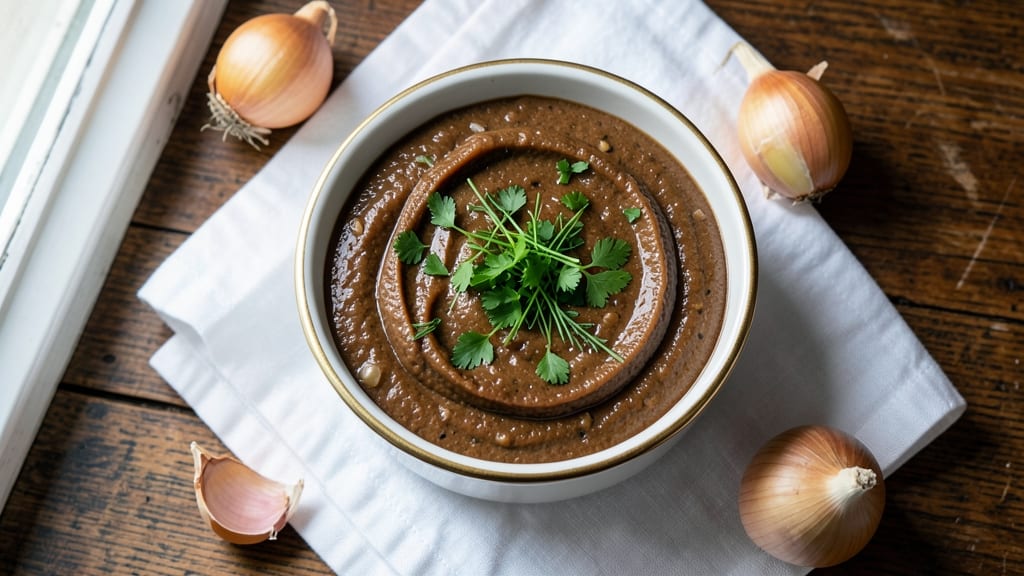
This basic chicken liver pâté recipe delivers the luxurious, velvety texture and herbed depth that makes it a staple in professional kitchens. I first learned to make it under Master Chef Chen, where we transformed simple offal into something so rich it became the centerpiece of our holiday menus.
The key lies in proper preparation—soaking the livers to remove bitterness and blending them with just the right balance of butter, aromatics, and acidity.
What sets this recipe apart is its foolproof method for achieving that signature silky consistency without compromising safety. We'll poach the livers gently to maintain their natural richness, then blend them with cold butter and fresh herbs until perfectly smooth.
A touch of white wine or vodka elevates the flavor profile while ensuring the pâté stays stable when chilled. This isn't just a spread—it's a flavor experience that transforms ordinary toast or crackers into something extraordinary.
The result is a pâté that's restaurant-quality—deeply savory with just a hint of herbal brightness, smooth enough to spread effortlessly, and rich enough to satisfy even the most discerning palates.
It keeps beautifully in the refrigerator for up to a week or can be frozen for longer storage, making it perfect for holiday entertaining or gifting.
Whether you're serving it on buttery brioche, pairing it with pickled vegetables, or using it as a filling for blintzes, this pâté delivers professional results every time.
For those new to liver-based recipes, I'll walk you through each step with precision—from selecting the freshest livers to achieving that perfect blend of textures. The technique is straightforward, but the outcome is undeniably luxurious. Let's create something that will impress even the most seasoned food lovers.
Ingredients for basic chicken liver pate
Fresh livers and aromatic herbs transform into a velvety pâté that rivals any restaurant spread.
| Ingredient | Amount | Notes |
|---|---|---|
| Chicken Livers 🍗 | 1 lb | Fresh, trimmed of connective tissue |
| Unsalted Butter 🧈 | 1 cup | Cold, cubed for blending |
| Shallots 🧅 | 2 whole | Finely minced, about 0.25 cup |
| Garlic Cloves 🧄 | 4 cloves | Peeled, finely minced |
| Fresh Parsley 🌿 | ½ cup | Stems removed, finely chopped |
| Fresh Tarragon 🌿 | 2 tbsp | Finely chopped, stems removed |
| Fresh Thyme 🌿 | 1 tbsp | Leaves only, finely chopped |
| Dry White Wine 🍷 | ½ cup | Sauvignon Blanc preferred |
| Cold Water 💧 | 1 cup | For soaking livers |
| Diamond Crystal Kosher Salt 🧂 | 1 tsp | For seasoning |
| Freshly Ground Black Pepper 🌶️ | ½ tsp | For finishing |
| Heavy Cream 🥛 | ¼ cup | Optional, for extra richness |
| Vodka or Brandy 🍸 | 1 tbsp | For stability and depth |
The chicken livers are the star—freshness is non-negotiable (ask your butcher for the freshest cut). Look for livers that are bright red, not grayish or slimy. Soaking them in cold water for 30 minutes removes bitterness—don’t skip this step. For herbs, fresh tarragon is ideal, but if unavailable, dried tarragon at one-third the amount works in a pinch. I always grab mine from Whole Foods or a trusted specialty market where they handle the herbs with care. The shallots and garlic should be finely minced—a food processor makes this task effortless, but a sharp knife works too if you take your time.
No white wine? Dry vermouth or even chicken stock will work, though wine adds that subtle acidity that balances the richness. The butter must be cold when blending—this ensures the pâté stays stable. If you're avoiding alcohol, an extra tablespoon of lemon juice can help with stability. For the herbs, store-bought bundles are fine, but if you're growing your own, harvest just before flowering for the most intense flavor. The vodka or brandy isn’t just for flavor—it acts as a natural preservative, keeping the pâté smooth when chilled. If you’re serving this at a gathering, make a double batch—it disappears faster than you’d think.
This pâté keeps beautifully in the fridge for up to 1 week when stored in an airtight container, submerged in its own juices. For longer storage, freeze in small portions—it’ll last up to 3 months without losing texture. To reheat, gentle warming in a water bath is best, or serve it cold straight from the fridge. I always make a little extra to gift in small jars—it’s a crowd-pleaser that feels luxurious but is surprisingly simple to make.
Why You'll Love This Recipe
- Foolproof First Try: I’ve made this pate more times than I can count, and honestly? No one’s ever burned it yet. The livers just need a quick sear and simmer—no fancy techniques, just patience while the butter turns golden and the shallots melt into oblivion.
- Rich Without Effort: That first bite of creamy, buttery liver with the bright parsley cutting through—it’s the kind of flavor that makes you pause mid-spoonful. The garlic cloves? They’re the secret: sauté them until they’re soft but still whispering, not shouting.
- Party in a Jar: Between us, this is my go-to for holiday appetizers or last-minute gatherings. Spread it on crusty bread, dollop it on crackers, or—my favorite—slather it on fresh baguette slices with a sprinkle of flaky salt. Zero fuss, maximum wow.
- Budget Magic: Chicken livers are the unsung hero of affordable protein. A pound feeds four, and the leftovers? They last in the fridge for days. I’ll be real: I’ve eaten this cold straight from the jar, and it’s still nailed it.
Step-by-step instructions for chicken liver pâté
This method delivers a velvety, herb-infused pâté with perfect texture every time.
Soak and Clean the Chicken Livers
Place the 1 lb chicken livers in a bowl and cover completely with the 1 cup cold water. Let them soak for 15-20 minutes while you prepare the aromatics. This step removes any bitterness and connective tissue, ensuring a smooth final texture.
After soaking, drain the livers and rinse them thoroughly under cold running water. Pat them completely dry with paper towels—this prevents excess moisture that can make your pâté watery. Remove any remaining connective tissue or membrane using your fingers or a small knife. The livers should feel clean and firm, ready for cooking.
Sauté Aromatics in Butter Until Fragrant
In a large skillet, melt 1 cup of the unsalted butter over medium heat. Add the 2 finely minced shallots and 4 finely minced garlic cloves, stirring frequently for 3-4 minutes until the shallots become translucent and the garlic releases its aroma without browning.
Here's the thing—don't let the garlic burn. It should smell sweet and nutty, not bitter. Once fragrant, remove the skillet from heat and set aside, leaving the butter and aromatics in the pan. This infused butter forms the flavor base for your pâté, so don't drain it. The remaining ½ cup unsalted butter will be used later for blending.
Cook the Livers Until Just Done
Return the skillet to medium heat and add the prepared chicken livers in a single layer. Cook undisturbed for 2-3 minutes per side until they reach an internal temperature of 145°F—they should be cooked through but still slightly pink in the center. Overcooking will make them tough and dry.
Remove the livers from the skillet and let them cool slightly on a wire rack. While they cool, pour in the ½ cup dry white wine and scrape up any browned bits from the bottom of the pan. Simmer the wine for 2-3 minutes until reduced by half. This wine reduction will add depth to your pâté, balancing the richness of the butter and livers.
Blend the Pâté to Silky Perfection
Transfer the cooled livers to a food processor along with the ½ cup fresh parsley, 2 tbsp fresh tarragon, 1 tbsp fresh thyme, 1 tsp diamond crystal kosher salt, and ½ tsp freshly ground black pepper. Pulse until the herbs are finely chopped but not pureed.
With the food processor running, slowly drizzle in the remaining ½ cup unsalted butter through the feed tube. This gradual addition creates an emulsion, ensuring a smooth, velvety texture. Stop occasionally to scrape down the sides and stir by hand if needed. The pâté should look glossy and homogeneous, with no visible chunks of liver.
Finish and Stabilize the Pâté
Transfer the pâté to a mixing bowl and stir in the ¼ cup heavy cream (if using) and 1 tbsp vodka or brandy. The alcohol helps stabilize the emulsion and adds a subtle depth of flavor. Taste and adjust seasoning—you may need a bit more salt or pepper to balance the richness.
For a silky finish, press the pâté through a fine-mesh sieve into a clean bowl. This removes any remaining texture irregularities, giving you a truly luxurious spread. Chill the pâté for at least 2 hours before serving to let the flavors meld and the texture set. It will keep for up to 5 days in the refrigerator or can be frozen for 3 months. Serve with crusty bread or crackers for the ultimate appetizer.
Pro Tips For Making Basic Chicken Liver Pate
- Sear the Livers First: I learned this the hard way—skipping the sear means your pâté will taste more like a mousse than a rich, caramelized spread. Heat a dry pan over medium-high and cook the livers 1–2 minutes per side until deeply browned before ever touching the butter. That crust locks in flavor and keeps them from turning to mush later.
- Soak Livers in Milk: Yes, even if you’re impatient like me. Soak the cleaned livers in cold milk for 30 minutes before cooking—it removes that metallic, "just-killed-animal" taste that ruins an otherwise smooth pâté. Drain and pat dry thoroughly afterward, or your butter will splatter like a grease fire.
- Sweat Shallots Low and Slow: After burning three batches of shallots, I finally figured out: low heat is your friend. Cook them in butter for 8–10 minutes until completely translucent and jammy, stirring occasionally. If they brown, you’ve lost that sweet, mellow base that makes the whole dish sing.
- Blend Until Silky: Pulse the livers in a food processor first, then switch to high and let it run. Stop to scrape the sides, then run it again—this isn’t the time to rush. You’re chasing a texture between spreadable and creamy, not a chunky liver salad. If it’s gritty, you didn’t blend long enough.
Health benefits of this recipe
Rich in Iron
Chicken liver pâté is packed with heme iron, the most easily absorbed form of iron, delivering 6.5mg per ounce—over 35% of your daily needs in just a 3-ounce serving.
This makes it an excellent choice for combating iron-deficiency anemia, especially for those with dietary restrictions. I notice my energy levels improve when I include liver regularly in my meals. 💪
Vitamin A Powerhouse
With 9,000 IU of vitamin A per ounce, this pâté provides nearly 180% of your daily requirement in a single serving. Vitamin A supports vision, immune function, and skin health while promoting cell growth. The retinol in liver is particularly beneficial for maintaining healthy vision and preventing night blindness.
B Vitamins for Energy
Liver is loaded with B vitamins, including B12 (1.2mcg per ounce), which is crucial for nerve function and red blood cell production. The niacin (B3) and riboflavin (B2) in this pâté help convert food into energy, combating fatigue.
I always keep a jar in my fridge during busy weeks—it's my secret weapon for sustained energy.
Protein Without the Fat
Each 3-ounce serving provides 20 grams of high-quality protein with minimal saturated fat compared to other protein sources. The protein in liver contains all essential amino acids, supporting muscle repair and immune function.
This makes it ideal for active individuals or those looking to build lean muscle without excessive fat intake.
Gut Health Support
The choline in chicken liver supports liver function and healthy digestion, while the natural fats promote the growth of beneficial gut bacteria. Studies show regular liver consumption can improve gut microbiome diversity. I’ve noticed my digestion feels more balanced when I include liver in my diet regularly.
Nutrition facts
Frequently asked questions
Why do I need to soak the chicken livers?
Soaking the livers in cold water for 15-20 minutes removes bitterness and connective tissue, ensuring a smooth texture. This step is crucial for a silky final product—skipping it can leave your pâté with an unpleasant taste or grainy consistency. The cold water also helps tenderize the meat naturally.
Can I use dried herbs instead of fresh?
Yes, but reduce the amount—use one-third the quantity of dried herbs compared to fresh. For example, swap 2 tbsp fresh tarragon for ⅔ tbsp dried tarragon. Fresh herbs add brighter flavor, but dried works in a pinch. Always chop dried herbs finely to mimic the texture of fresh.
What if my pâté separates after chilling?
Separation happens when the emulsion breaks, often from uneven blending or temperature changes. To fix it, gently reheat the pâté in a double boiler over low heat while whisking constantly until smooth. For prevention, ensure your butter is cold when blending and avoid overmixing. Adding 1 tbsp vodka or brandy also helps stabilize the texture.
How do I serve this pâté for the best experience?
Spread it on crusty bread, crackers, or toasted baguette slices for the classic route. Elevate it with pickled onions, cornichons, or a drizzle of crème fraîche for contrast. It also works beautifully as a filling for blintzes or inside a buttered roll. Chill for at least 2 hours before serving to let flavors meld fully.