
Main Courses
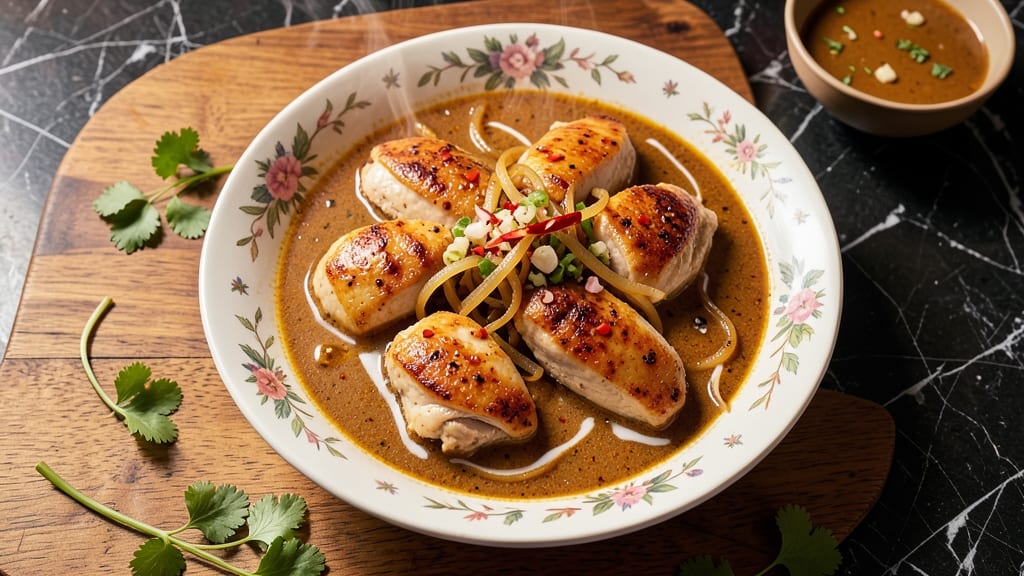
This Barefoot Contessa chicken curry recipe transforms simple ingredients into a velvety, aromatic masterpiece that feels like a restaurant-worthy dinner. The secret lies in balancing turmeric’s earthy warmth with coconut milk’s creamy richness, all while keeping the technique approachable.
I’ve perfected this one-pot wonder to deliver the same elegant flavors Ina Garten would serve at her Connecticut table—just without the fuss.
The magic begins with gently sautéed onions and garlic, which form the fragrant base before spices like turmeric, cumin, and coriander are toasted to wake their flavors. Chicken simmers until tender, absorbing the spiced coconut broth while fresh ginger and lemon juice brighten every bite.
What you’ll end up with is a curry that’s creamy yet light, with a silky texture and layers of warmth that linger long after the last spoonful.
This recipe delivers restaurant-quality results in one pot, making it ideal for weeknight dinners or meal prep. The dish serves 4–6 and comes together in under an hour, including prep, so you can enjoy a sophisticated meal without the stress.
Pair it with basmati rice or crusty naan for the full experience—simple, elegant, and impossible to resist.
What sets this curry apart is the delicate balance of spices and the creamy, velvety finish that makes it feel indulgent yet refined. The technique is straightforward, but the result is anything but basic—proof that even weeknight meals can taste like a special occasion. Let’s get cooking!
Ingredients for barefoot contessa chicken curry
Sixteen ingredients blend to create this velvety, aromatic curry that delivers restaurant-quality elegance in one pot.
| Ingredient | Amount | Notes |
|---|---|---|
| Boneless, Skinless Chicken Thighs 🍗 | 2 lb | Trimmed of excess fat for cleaner flavor |
| Yellow Onion 🧅 | 1 whole | Thinly sliced for even cooking |
| Garlic Cloves 🧄 | 6 cloves | Minced for aromatic depth |
| Fresh Ginger 🌿 | 2 tbsp | Finely grated, organic preferred |
| Coconut Milk 🥥 | 1 can (13.5 oz) | Full-fat for creamy texture |
| Turmeric Powder 🌶️ | 1 tbsp | Freshly ground for vibrant color |
| Ground Cumin 🌿 | 1 tsp | Toasted for enhanced aroma |
| Ground Coriander 🌿 | 1 tsp | Freshly ground for brightness |
| Garam Masala 🌶️ | 1 tsp | Store-bought or homemade blend |
| Fresh Lemon Juice 🍋 | 2 tbsp | Freshly squeezed for acidity |
| Extra-Virgin Olive Oil 🫒 | 3 tbsp | For sautéing and finishing |
| Vegetable Broth 💧 | 1 cup | Low-sodium preferred |
| Fresh Cilantro 🌿 | ¼ cup | Chopped for garnish |
| Basmati Rice 🍚 | 1 ½ cups | Uncooked, long-grain preferred |
| Salt 🧂 | 1 ½ tsp | Diamond Crystal kosher salt |
The foundation of this curry starts with organic fresh ginger and garlic from the produce section at Whole Foods or your local farmers' market. Look for ginger with smooth, taut skin and garlic cloves that feel firm. Penzeys Spices is my go-to for turmeric and garam masala—both are critical for that signature golden hue and complex warmth. The coconut milk should be full-fat (no watered-down versions) for that luxurious creaminess. For chicken, Costco's bone-in, skin-on thighs offer the best flavor, but boneless thighs work perfectly if you're short on time. Prep ahead by grating the ginger and mincing the garlic—this saves 10 minutes during cooking.
No fresh ginger? Substitute with 1 tbsp ground ginger, though fresh is preferred for brightness. Running out of garam masala? Mix ½ tsp each of cinnamon, cardamom, and cloves for a quick substitute. The coconut milk can be swapped for light coconut milk if you're watching calories, though the texture will be slightly lighter. For a dairy-free option, ensure your garam masala doesn’t contain dairy (some blends do). The cilantro is optional but adds a fresh finish—skip it if you dislike its flavor. For extra depth, toast the cumin and coriander in the olive oil for 30 seconds before adding water to bloom the spices.
This curry reheats beautifully—store leftovers in an airtight container for up to 5 days, or freeze portions for 3 months. The rice can be cooked separately and reheated with a splash of water. For meal prep, double the batch and freeze half. When reheating, add a splash of water or broth to restore creaminess. The flavors actually deepen overnight, making this an ideal make-ahead dish for busy weeknights. Serve with warm naan or crusty bread to soak up every last bit of that velvety sauce.
Why You'll Love This Recipe
- One-Pot Magic: I swear by this recipe because it’s literally one pan. Sear those chicken thighs, toss in the onions and ginger—no extra bowls, no stress. The coconut milk steams right in the pot, so cleanup is just a wipe-down. (Yes, even on a Tuesday night.)
- Ginger-Garlic Bomb: That fresh ginger and garlic combo? It’s the secret weapon. The ginger adds a bright, zesty kick while the garlic deepens into this rich, aromatic base. The coconut milk softens it all into a velvety, crave-worthy sauce that clings to every bite.
- Lunchbox Hero: This curry reheats like a dream—perfect for packing leftovers. Serve it over rice, wrap it in tortillas, or just eat it straight from the jar. My kids actually ask for it, and honestly? That’s the real win.
- Budget-Friendly Staple: Chicken thighs are cheap, and the rest of the ingredients won’t break the bank. A single batch feeds four, and leftovers taste just as good the next day. I’ve made this for date nights, lazy Sundays, and even a last-minute dinner for guests—no fuss, all flavor.
Step-by-step instructions for creamy coconut chicken curry
Here's how to craft a velvety, aromatic curry with layers of spice and depth using only one pot.
Sauté Aromatics Until Fragrant
Heat the 3 tablespoons extra-virgin olive oil in a large, heavy-bottomed pot over medium heat. Add the 1 whole yellow onion (thinly sliced) and cook for 5 minutes, stirring occasionally, until softened and translucent. This step builds the flavor foundation.
Add the 6 cloves garlic (minced) and 2 tablespoons fresh ginger (finely grated), then cook for another 2 minutes until the garlic turns golden and the ginger loses its raw bite. The aroma should fill your kitchen—this is your signal to proceed. Be careful not to let the garlic burn, as it can quickly turn bitter.
Toast Spices for Enhanced Flavor
Reduce heat to medium-low and add the 1 tablespoon turmeric powder, 1 teaspoon ground cumin, 1 teaspoon ground coriander, and 1 teaspoon garam masala. Stir constantly for 1 minute until the spices release their oils and become fragrant. This step deepens their flavor and prevents a raw, powdery taste in the final dish.
Watch closely—spices can scorch quickly. If they darken too much, remove the pot from heat for 30 seconds to cool before continuing. The spices should be evenly toasted but not charred. This is the moment that transforms ordinary spices into aromatic powerhouses.
Cook Chicken Until Golden and Tender
Push the spice mixture to one side of the pot and add the 2 lb boneless, skinless chicken thighs (trimmed of excess fat). Cook for 5 minutes without stirring, allowing a golden crust to form. This creates the Maillard reaction that adds depth of flavor.
After 5 minutes, stir the chicken and cook for another 5 minutes until the exterior is golden brown and the internal temperature reaches 160°F on an instant-read thermometer. If any pieces stick, add 1 tablespoon vegetable broth to deglaze and prevent burning. The chicken should be cooked through but still juicy.
Simmer Curry with Coconut Milk and Broth
Pour in the 1 can (13.5 oz) coconut milk and 1 cup vegetable broth, stirring to combine. Bring the mixture to a gentle simmer over medium-low heat, then reduce heat to low. Partially cover the pot and let it simmer for 20 minutes, stirring occasionally, until the sauce thickens slightly and the chicken is fully tender.
Here's the thing—don't rush this step. The curry needs time for the flavors to meld and the coconut milk to infuse with the spices. You'll know it's ready when the sauce coats the back of a spoon and the chicken pulls apart easily with a fork. If the sauce reduces too much, add 2 tablespoons water to reach your desired consistency.
Finish with Lemon and Garnish
Stir in the 2 tablespoons fresh lemon juice and 1.5 teaspoons salt, adjusting to taste. The acidity brightens the dish and balances the richness of the coconut milk. Taste and add more salt if needed—curry should be seasoned generously but not overwhelming.
Remove from heat and stir in the 0.25 cup fresh cilantro (chopped). Let the curry rest for 5 minutes before serving to allow the flavors to settle. The final dish should be creamy, aromatic, and bursting with layers of spice and citrus. Serve over 1.5 cups cooked basmati rice for a complete meal.
Pro Tips For Making Barefoot Contessa Chicken Curry
- CRISP THE CHICKEN FIRST: Pat those thighs very dry with paper towels—wet skin won’t brown, and you’ll end up with sad, greasy curry. Sear them skin-side down (even though they’re boneless) in a hot pan for 3-4 minutes until golden. I used to skip this, and the curry just tasted flat—like someone forgot to finish the job.
- GINGER IS YOUR FLAVOR ANCHOR: Don’t just chop the ginger—smash it with the flat side of your knife first. This releases more oils and aroma, which is non-negotiable in a curry where ginger is the backbone. If you’re using a big knob, peel and slice it thinly so it blends into the sauce instead of sitting as chunks. (Yes, even if you’re impatient like me.)
- LOW AND SLOW AFTER COCONUT: Once you add the coconut milk, drop the heat to low and let it simmer uncovered. Skipping this step turns your creamy sauce into a split milk disaster—lumpy, greasy, and sad. Stir occasionally, but not constantly; the curry needs time to marry its flavors, not get babied. (Your future self will notice the difference.)
- ONIONS NEED TIME TO SWEAT: Don’t rush the onions—let them cook in the oil for 8-10 minutes until they’re soft, golden, and almost caramelized. This builds depth that a quick sauté can’t match. If you’re in a hurry, lower the heat and keep them moving; burnt onions ruin everything. (I learned this the hard way when I walked away for “just a minute.”)
Dietary considerations for these flavors
Gluten-Free Adaptations
This curry is naturally gluten-free as long as you use a certified gluten-free vegetable broth and check your spice blends for hidden fillers. I always keep a stash of Annie's Organic Vegetable Broth on hand—it's low-sodium and gluten-free certified.
The garam masala and other spices should also be labeled gluten-free, as some brands process them in shared facilities. 🌱
Dairy-Free Considerations
The original recipe is dairy-free, but always double-check your garam masala for dairy additives. Some blends contain ghee or milk powder. For extra richness, I sometimes stir in ½ cup coconut yogurt at the end instead of the cilantro—it adds a tangy depth that complements the coconut beautifully.
Just make sure your yogurt is dairy-free.
Protein Swaps
Want to make this vegetarian? Swap the chicken for 1 lb extra-firm tofu (pressed and cubed) or 1 can chickpeas (drained and rinsed). For seafood lovers, firm white fish like cod or halibut works beautifully—just reduce cooking time to 8-10 minutes to avoid overcooking.
The sauce will absorb the flavors perfectly either way.
Spice Sensitivity
If you're sensitive to heat, reduce the cumin and coriander to ½ teaspoon each and skip the garam masala entirely. Instead, add ½ teaspoon ground ginger and ½ teaspoon mild paprika for warmth without the kick.
The turmeric provides plenty of color and earthy flavor without the spice. Trust me, the dish still shines!
Allergen-Friendly Tips
For nut allergies, ensure your coconut milk is processed in a nut-free facility (many brands are). I recommend So Delicious Organic Coconut Milk—it's widely available and clearly labeled.
If coconut is also an issue, substitute with ½ cup Greek yogurt (for dairy-free, use coconut yogurt) plus ½ cup broth** to maintain creaminess. The texture will be slightly different but still delicious.
Keto-Friendly Version
To adapt this for keto, skip the rice entirely and serve the curry over cauliflower rice (about 2 cups) or shredded cabbage. Reduce the coconut milk to ½ can and add ¼ cup heavy cream for extra richness.
The chicken provides plenty of protein, and the spices keep carbs minimal while delivering incredible flavor. 💪
Nutrition facts
Frequently asked questions
Can I use chicken breasts instead of thighs?
Chicken breasts will work, but thighs are ideal for this curry because they stay juicier during the long simmer. If using breasts, cut them into 1-inch pieces and cook them for only 3-4 minutes per side before adding liquid to prevent drying out. The thighs' higher fat content helps create a richer sauce.
How do I make this curry less spicy?
Reduce the cumin and coriander to ½ teaspoon each and omit the garam masala entirely. For warmth without heat, add ½ teaspoon ground ginger and ½ teaspoon mild paprika instead. The turmeric and coconut milk will still provide that signature golden color and creamy texture without the spice.
Can I make this curry ahead of time?
This curry tastes even better the next day as the flavors meld. Store leftovers in an airtight container in the fridge for up to 5 days or freeze for 3 months. Reheat gently on the stove with a splash of water or broth to restore creaminess. The sauce will thicken further overnight, so you may need to thin it with a little extra broth when reheating.
What's the best way to reheat this curry?
Reheat over low heat on the stove, stirring occasionally, until warmed through. If the sauce seems too thick after reheating, add 2 tablespoons water or broth at a time until you reach your desired consistency. Microwaving can make the sauce separate, so stove-top reheating is best for maintaining that velvety texture.
Can I substitute coconut milk with something else?
For a dairy-free option, use ½ cup coconut yogurt plus ½ cup broth to maintain creaminess. If avoiding coconut entirely, try ½ cup heavy cream (for non-dairy-free versions) or ½ cup Greek yogurt (for dairy-free). The texture will be slightly lighter, but the flavors will still shine. Just add these ingredients at the very end to prevent curdling.