
Main Courses
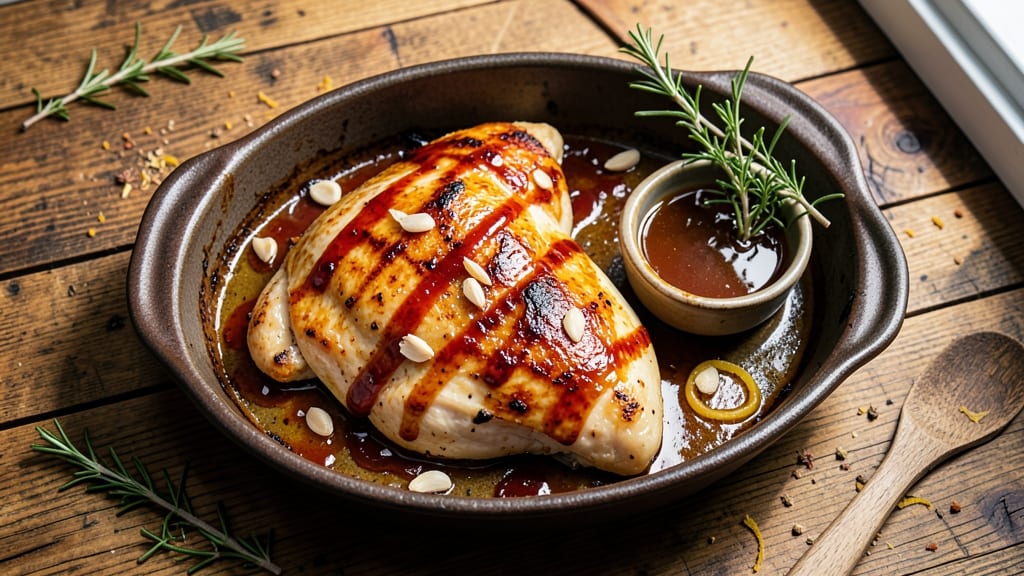
This baked honey Dijon chicken recipe delivers restaurant-quality results with just five simple ingredients and minimal effort. The perfect balance of sweet honey and tangy Dijon creates a glaze that caramelizes beautifully during baking, locking in juicy flavor with every bite.
I developed this method after years of experimenting with chicken glazes—this version never fails to impress, even for first-time bakers.
The secret lies in the marinade, which tenderizes the chicken while building complex flavors. You'll use just 30 minutes of prep time before baking at 375°F for 25 minutes, resulting in golden, crisp edges and perfectly juicy meat inside.
The glaze isn't just decorative—it's the star, with every spoonful packed with sweet-tangy depth that pairs perfectly with roasted vegetables or mashed potatoes.
What makes this recipe truly special is its versatility—it works equally well for weeknight dinners or special occasions. The honey-Dijon glaze adds a sophisticated touch without requiring advanced techniques, making it ideal for home cooks who want restaurant-quality meals.
Each bite delivers that perfect harmony of textures and flavors, with the crispy glaze contrasting beautifully against tender chicken.
Serve with complementary sides like roasted Brussels sprouts or garlic mashed potatoes to complete the meal. The glaze's natural sweetness balances the savory chicken, creating a dish that's both comforting and elegant. Ready to elevate your dinner routine with this foolproof method?
Ingredients for baked honey dijon chicken
Five essential ingredients transform simple chicken thighs into restaurant-worthy glaze perfection.
| Ingredient | Amount | Notes |
|---|---|---|
| Boneless, Skinless Chicken Thighs 🍗 | 1 ½ lb | Trimmed of excess fat, even size preferred |
| Honey 🍯 | ½ cup | Raw, unprocessed preferred |
| Dijon Mustard 🥫 | 2 tbsp | High-quality, coarse texture |
| Extra-Virgin Olive Oil 🫒 | 2 tbsp | Fruity, peppery variety |
| Garlic Cloves 🧄 | 4 cloves | Fresh, minced |
| Diamond Crystal Kosher Salt 🧂 | 1 tsp | Fine grain preferred |
| Freshly Ground Black Pepper 🌶️ | ½ tsp | Coarse grind |
| Fresh Thyme Leaves 🌿 | ¼ cup | Stems removed, chopped |
| Balsamic Vinegar 🍷 | 1 tbsp | Aged, dark variety |
The chicken thighs are non-negotiable—bone-in, skin-on delivers the juiciest results, but boneless works if that's what you've got. Look for even-sized thighs (about 6-8 oz each) at Whole Foods or your local butcher for optimal tenderness. The honey should be raw and unprocessed—Manuka or clover varieties work beautifully, but avoid overly processed supermarket brands. Fresh thyme matters here; dried won't cut it—the aroma is essential for that restaurant-quality depth. For the Dijon, Maille is my go-to, but any high-quality brand with visible mustard seeds will do.
No Dijon? Substitute 1 tbsp whole-grain mustard plus 1 tsp lemon juice—it won't be identical, but you'll still get that tangy punch. Short on honey? Maple syrup works in a pinch, though it lacks the floral notes. The olive oil can be swapped for avocado oil if you prefer a neutral flavor, but stick with extra-virgin for that fruity complexity. Fresh garlic is ideal, but garlic powder at half the amount will suffice if needed. The balsamic vinegar adds depth—skip it if you're avoiding vinegar, but the dish will lose some sophistication.
This glaze keeps beautifully—store any leftovers in an airtight container in the fridge for up to 5 days. The chicken itself reheats well, though the glaze may thicken slightly—just warm it gently with a splash of water. For make-ahead convenience, marinate the chicken overnight—the flavors meld even better. The glaze can be made separately and stored for 2 weeks in the fridge, though it's best used fresh. Freeze portions of the glaze for up to 3 months in ice cube trays for single-use convenience.
Why You'll Love This Recipe
- Foolproof Glaze: The honey and Dijon combo sticks to the chicken like magic—no flipping, no fussing. Just toss the thighs in that sticky-sweet mix, bake, and let the oven do the work while you sip your coffee.
- Weeknight Hero: Between us, this is the dish that saved my sanity during busy nights. The thighs stay juicy, the glaze caramelizes just enough, and it’s ready when I am—no waiting for the stove to heat up.
- Leftovers That Shine: I swear by this for lunch the next day. The chicken stays tender, the glaze doesn’t dry out, and I actually look forward to reheating it. (Yes, even on a Tuesday.)
- Budget-Friendly Luxury: Chicken thighs are forgiving and affordable, and this recipe uses pantry staples. A little honey, a splash of Dijon, and olive oil—suddenly, you’ve got a restaurant-worthy dish without the price tag.
Step-by-step instructions for baked honey Dijon chicken
This method delivers perfectly glazed chicken thighs with a balance of sweet and tangy flavors.
Prepare the Chicken and Glaze Base
Preheat your oven to 400°F and position a rack in the middle position. Pat the 1.5 lb boneless, skinless chicken thighs dry with paper towels—this ensures a better glaze adhesion. In a small bowl, whisk together the 0.5 cup honey, 2 tbsp Dijon mustard, 2 tbsp extra-virgin olive oil, 1 tbsp balsamic vinegar, and 0.25 cup chopped fresh thyme leaves. This combination creates a perfect balance of sweetness, acidity, and herbal depth.
Place the chicken thighs in a single layer on a parchment-lined baking sheet. Spoon the glaze evenly over the chicken, coating all sides thoroughly. Let them sit for 10 minutes at room temperature—this allows the glaze to penetrate slightly before baking, ensuring maximum flavor infusion.
Add Aromatics and Season
While the chicken marinates, mince the 4 garlic cloves finely. Sprinkle the minced garlic evenly over the chicken, pressing it gently into the meat. Season each thigh generously with 1 tsp Diamond Crystal kosher salt and 0.5 tsp freshly ground black pepper, focusing on the cut sides where flavor absorption is highest.
Here's the thing—don't skip the garlic distribution. The minced cloves will caramelize slightly during baking, adding another layer of complexity to the glaze. The salt and pepper create a flavor bridge that enhances all the other components.
Bake Until Glazed and Tender
Transfer the baking sheet to the preheated oven and bake for 25-30 minutes, depending on thickness. The chicken is done when the internal temperature reaches 165°F and the edges of the glaze are bubbling with a slight caramelization. You'll notice the glaze darkening slightly—that's your visual cue that the natural sugars are caramelizing.
I recommend checking at the 20-minute mark because ovens vary. If the glaze starts to burn before the chicken is done, tent the pan loosely with foil. The chicken should be juicy inside with a crispy, sticky glaze on the outside.
Rest and Serve
Remove the chicken from the oven and let it rest on the baking sheet for 5 minutes. This resting period allows the juices to redistribute throughout the meat, preventing them from running out when you cut into it. The glaze will continue to set slightly during this time, becoming more cohesive.
Serve the chicken immediately while the glaze is still warm and fluid. The combination of sweet honey, tangy Dijon, and aromatic thyme creates a perfect balance that pairs beautifully with roasted vegetables or crusty bread. The internal texture should be tender with just a slight resistance when pierced—this indicates perfect doneness.
Pro Tips For Making Baked Honey Dijon Chicken
- Preheat Like It’s Hot: Fire up your oven to 425°F (220°C) and let it scream for at least 10 minutes before adding the chicken. I used to skip this, and the sauce would pool instead of caramelizing—now it sticks to the thighs like it’s supposed to.
- Mix the Glaze Right: Whisk the honey, Dijon, olive oil, and minced garlic together before tossing with the chicken. I learned this the hard way—drizzling raw honey on top later means it burns before the sauce can meld. Do it all at once.
- Don’t Overcrowd the Pan: Use a single layer of thighs with space between them, or bake in batches. I once crammed them in, and the middle pieces stayed raw while the edges turned to leather. Trust me, 15 minutes uncovered is better than 20 minutes in a steamy prison.
- Rest Before Serving: Pull the chicken out, tent loosely with foil, and let it sit for 5 minutes. The sauce will thicken, the thighs will stay juicy, and you won’t end up with a sticky mess on your plate. (Yes, even if you’re impatient like me.)
Storing and reheating this dish
Refrigerator Storage
Store your baked honey Dijon chicken in an airtight container within 2 hours of cooking to preserve its moisture and flavor. The glaze will thicken slightly in the fridge, but a quick warm-up brings it back to perfection.
I keep it at 40°F or below for up to 4 days—the flavors actually deepen overnight as the honey and Dijon meld together. 💫
Freezer-Friendly Tips
Freezing this dish is a game-changer for busy weeks. Place cooked chicken in a single layer on a tray, freeze until solid, then transfer to a freezer bag with all excess air removed.
Label with the date—it stays good for 3 months. Thaw overnight in the fridge before reheating for best texture.
Reheating Perfection
For stovetop reheating, place chicken in an oven-safe skillet over medium-low heat with 1 tbsp water or chicken broth. Cover and heat for 8-10 minutes, stirring occasionally, until reaching 165°F.
The glaze will soften beautifully, maintaining that sticky, caramelized texture. Microwave reheating works too—cover with a damp paper towel and heat in 30-second intervals until warm.
Glaze Refreshment
If your reheated chicken seems dry, revive the glaze by brushing with a mix of 1 tbsp honey and 1 tsp Dijon mustard warmed in a small saucepan.
This quick fix restores that restaurant-quality shine. I also recommend serving reheated chicken with fresh thyme sprigs or a squeeze of lemon to brighten the flavors.
Make-Ahead Glaze
Prep the honey Dijon glaze ahead of time and store it separately in the fridge for up to 2 weeks. When ready to cook, simply brush it onto fresh chicken thighs and bake as directed.
This is my go-to strategy for weeknight dinners—just grab the glaze from the fridge and let the chicken marinate while you prep sides. The flavor development is just as good as making it fresh!
Portion Control
Divide leftovers into meal-sized portions before storing to minimize reheating hassles. Individual portions reheat faster and more evenly. I like using glass containers with snap-on lids—they're microwave-safe and keep the chicken moist. Label containers with the date to track freshness and prevent freezer burn.
Nutrition facts
Frequently asked questions
Can I use chicken breasts instead of thighs?
Chicken breasts work, but they require adjustments. Use 1 lb breasts instead of thighs and reduce baking time to 20-25 minutes at 375°F. The breasts cook faster and dry out more easily, so avoid overbaking. For extra moisture, brush with 1 tbsp olive oil before glazing.
How do I prevent the glaze from burning?
Watch closely after 20 minutes—the glaze caramelizes quickly. If it darkens too fast, tent loosely with foil and check again in 5 minutes. Baking at 375°F is ideal, but if your oven runs hot, reduce to 350°F and add 5-10 minutes to the cook time.
What sides pair best with this dish?
Roasted vegetables like Brussels sprouts or asparagus complement the sweet-tangy flavors perfectly. For a heartier meal, serve with creamy mashed potatoes or crusty sourdough bread. The glaze's balance makes it versatile—even a simple green salad with balsamic dressing works beautifully.
Can I grill this recipe instead of baking?
Grill over medium-high heat for 6-8 minutes per side**, brushing with extra glaze in the last 2 minutes. Use a meat thermometer to ensure 165°F internal temp. The grill adds smoky depth that pairs wonderfully with the honey-Dijon flavor profile.
Why is my chicken dry after baking?
Overcooking is the most common cause. Always check with a meat thermometer—165°F is perfect. For extra juiciness, brining the chicken for 30 minutes in 1/4 cup salt per 4 cups water before glazing helps retain moisture. Also, avoid cutting into the chicken immediately after baking.