
Main Courses
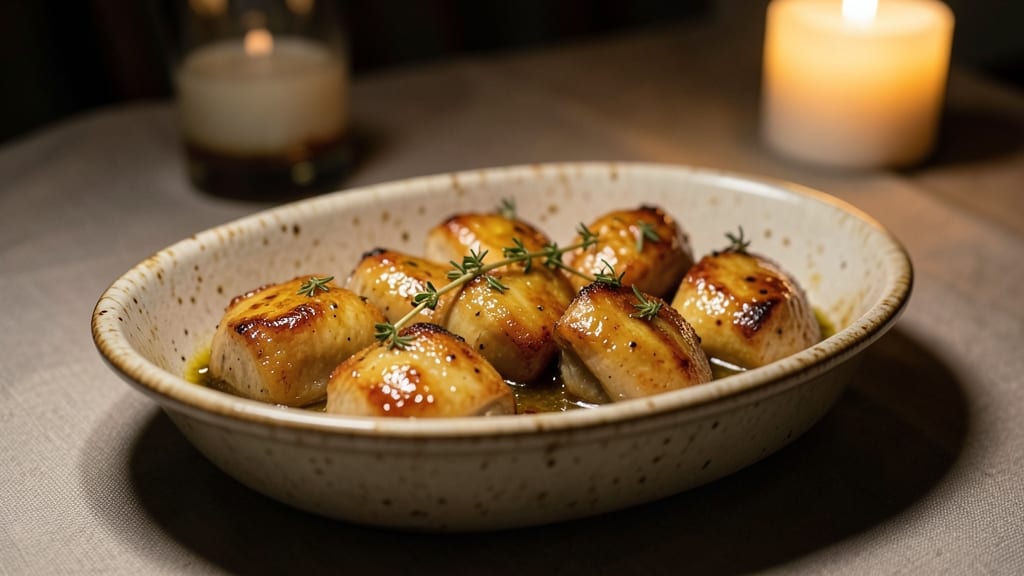
This baked chicken liver recipe delivers tender, melt-in-your-mouth results in just 25 minutes—no fuss, no bitterness, just rich, savory perfection. I perfected this method after years of experimenting with offal, learning that the key lies in proper preparation and precise baking.
The secret? A quick soak in buttermilk followed by a light sear before baking transforms tough liver into something luxurious.
What sets this recipe apart is the balance of simplicity and technique—no complicated marinades or rare ingredients, just high-quality liver, a few pantry staples, and a method that ensures tender texture every time.
The buttermilk tenderizes while adding subtle tang, and a touch of Dijon mustard in the pan creates a golden crust that seals in moisture. This isn’t your grandmother’s liver—it’s restaurant-quality comfort food with minimal effort.
By the time it emerges from the oven, your chicken liver will be tender and caramelized at the edges, with a rich, velvety interior that practically melts on the tongue. The aroma alone will have everyone asking what’s for dinner.
Serve with a bright herb sauce or crisp roasted potatoes to round out the meal—this is the kind of dish that elevates a simple weeknight dinner into something special.
Perfect for those who love game-day appetizers or want to try offal without the intimidation. The technique works equally well for beef or pork liver, making it versatile for any occasion. Let’s get cooking—this recipe is about to become your new favorite way to enjoy liver.
Ingredients for baked chicken liver
High-quality liver and pantry staples transform into luxurious, restaurant-style bites with minimal effort.
| Ingredient | Amount | Notes |
|---|---|---|
| Chicken Livers 🍗 | 1 lb | Fresh, trimmed of connective tissue |
| Buttermilk 🥛 | ½ cup | Full-fat for optimal tenderness |
| Unsalted Butter 🧈 | 3 tbsp | Cold, for searing |
| Dijon Mustard 🍯 | 1 tbsp | High-quality, smooth variety |
| Olive Oil 🫒 | 1 tbsp | Extra-virgin, for searing |
| Fresh Thyme Leaves 🌿 | ¼ cup | Finely chopped, stems removed |
| Garlic Cloves 🧄 | 3 cloves | Minced, for aromatic depth |
| Kosher Salt 🧂 | 1 ½ tsp | Fine grain, Diamond Crystal preferred |
| Freshly Ground Black Pepper 🌶️ | ½ tsp | Coarsely cracked |
| All-Purpose Flour 🌾 | 2 tbsp | For dredging, light coating |
| Fresh Lemon Juice 🍋 | 1 tsp | Brightens final flavor |
| Heavy Cream 🥛 | ¼ cup | Full-fat for richness |
| Fresh Parsley Leaves 🌿 | ⅛ cup | Chopped, for garnish |
The liver is the star, so source it from a trusted butcher or specialty grocer—avoid pre-packaged options that may have been frozen. Fresh livers should be deep red with no yellowing or off-odors. Whole Foods Market or D'Agostino's consistently carry excellent quality. Trim any connective tissue or membranes carefully using a sharp knife—this step is crucial for tender results. If you can't find fresh, high-quality frozen liver works, but thaw it overnight in the refrigerator before proceeding. The buttermilk should be full-fat for optimal tenderness, and Trader Joe's carries an excellent organic option if you prefer organic dairy.
No buttermilk? Substitute whole milk with 1 tsp lemon juice—it won't be identical but works in a pinch. For the Dijon mustard, whole-grain mustard adds texture but may alter the smoothness slightly. Short on thyme? Fresh rosemary at half the amount provides a similar earthy note. The olive oil should be extra-virgin for its fruity depth—California avocado oil is another excellent choice. If you prefer a different finish, substitute heavy cream with crème fraîche for a tangier profile. The flour is simply for dredging, so breadcrumbs work equally well if you prefer texture.
Fresh livers should be used immediately for best results, but they can be refrigerated for 1-2 days if properly wrapped. The prepared dish reheats beautifully—simply warm in a skillet with a splash of water or broth for 2-3 minutes to restore moisture. For make-ahead convenience, bake the livers ahead and store them in an airtight container in the refrigerator for up to 3 days. Garnish with fresh parsley just before serving to maintain vibrant color. If you have leftovers, they freeze well for up to 1 month, though texture may change slightly upon thawing.
Why You'll Love This Recipe
- Buttermilk Magic: Honestly, the buttermilk marinade is the secret weapon here—it softens those tough little livers in just 15 minutes. No soaking overnight, no weird textures; just tender, almost custard-like meat that melts in your mouth.
- Crispy-Creamy Contrast: That sear in the butter and olive oil gives you a golden crust, while the heavy cream sauce cools it down to velvety perfection. Trust me, the bite of crispy edge followed by the creamy center? Chef’s kiss.
- One-Pan Weeknight Win: I’m not lying when I say this takes less than 30 minutes start to finish. Sear, bake, sauce—it’s all in one pan, and you’re done before dinner guests even arrive. My go-to when I need something impressive but don’t have time for a five-course meal.
- Budget-Friendly Luxury: Chicken livers are one of the most affordable proteins out there, and this recipe turns them into something that feels fancy. The full-fat buttermilk and heavy cream make it rich, but it’s still cheaper than most steak dishes. Plus, leftovers keep for three days—perfect for lunches or reheated sides.
Step-by-step instructions for baked chicken liver preparation
Here’s the method to transform delicate chicken livers into a velvety, rich dish with perfect texture.
Prepare the Chicken Livers for Cooking
Begin by trimming any connective tissue or silverskin from the 1 lb chicken livers using a sharp knife. Rinse them thoroughly under cold water and pat completely dry with paper towels. This step ensures they cook evenly and absorb flavors properly.
Place the trimmed livers in a bowl and add 0.5 cup buttermilk, tossing gently to coat. Let them marinate for 15 minutes at room temperature. This buttermilk bath tenderizes the meat and adds a subtle tang that balances the richness.
While the livers marinate, finely chop 0.25 cup fresh thyme leaves and mince 3 cloves garlic cloves. These aromatics will infuse the dish with depth, so don’t skip this preparation. Keep them in a separate bowl until needed.
Create the Flour Dredge and Sear the Livers
In a shallow dish, combine 2 tbsp all-purpose flour, 1.5 tsp kosher salt, and 0.5 tsp freshly ground black pepper. Lightly coat each liver in this mixture, shaking off any excess. This thin crust will help them hold their shape while baking.
Heat 1 tbsp olive oil and 3 tbsp unsalted butter in a large oven-safe skillet over medium-high heat until the butter foams. Add the coated livers in a single layer and sear for 2-3 minutes per side until golden brown. The butter should bubble vigorously—this creates a flavorful crust.
Remove the skillet from the heat and let the livers rest for 1 minute. This brief pause prevents overcooking while they finish in the oven. The edges should be crisp, and the centers should still look slightly translucent.
Bake to Tender Perfection
Transfer the skillet to a preheated 375°F oven and bake for 10-12 minutes, or until the internal temperature reaches 145°F. The livers should be just cooked through but still moist. Overbaking will turn them rubbery, so use an instant-read thermometer for precision.
While baking, combine 0.25 cup heavy cream, 1 tbsp Dijon mustard, and 1 tsp fresh lemon juice in a small saucepan. Simmer over low heat for 3-4 minutes until slightly thickened. This sauce will elevate the dish with a silky, tangy finish.
Remove the livers from the oven and let them rest for 2 minutes before drizzling the cream sauce over the top. Garnish with the reserved chopped fresh parsley leaves for a pop of color and freshness.
Serve Immediately for Maximum Tenderness
Plate the livers while still warm, ensuring each portion is generously coated with the cream sauce. Serve immediately—they’re best enjoyed right out of the oven, when the texture is silky and the flavors are at their peak.
Pair with crusty bread or roasted potatoes to soak up the rich sauce. The combination of buttermilk, thyme, and garlic creates a harmonious balance of richness and brightness, making this a standout dish for any occasion.
Pro Tips For Making Baked Chicken Liver
- Trim Like a Pro: I learned this the hard way—skipping the connective tissue trimming turns your livers into chewy rubber. Use a sharp knife to slice off every last bit of silverskin and membrane before rinsing. The extra 10 minutes now saves you from dry, tough bites later.
- Butter Foam Matters: That bubbling, foamy butter isn’t just for show—it’s the crust that makes these livers irresistible. Heat your skillet until the butter actively foams before adding the livers. If it’s just melted, you’ll miss that golden, flavor-packed sear that holds everything together.
- Don’t Crowd the Pan: I used to jam all the livers in there at once, thinking it’d cook faster. Wrong. They steam instead of sear, and the butter pools into a greasy mess. Work in batches if needed—golden, crisp edges only happen when they have space to breathe.
- Sauce Early, Save Time: While your livers bake, the sauce simmers in just 3-4 minutes. Start it as soon as you put the skillet in the oven—no waiting. That way, it’s ready to drizzle the second those livers come out, and you’re not scrambling to finish while they cool.
Wine and beer pairings for this dish
Bright White Wines
For a crisp, clean pairing that balances the richness of chicken liver, I reach for a dry Riesling from Germany or Alsace. Look for one with 11-12% alcohol like Dr. Loosen Blue Slate—its bright acidity cuts through the fat while the stone fruit notes complement the buttermilk marinade.
The mineral finish leaves your palate refreshed between bites. 🍷
Earthy Red Pairings
A Pinot Noir with red fruit and earthy undertones works beautifully here. I prefer Oregon Pinot Noir like Domaine Serene—its lighter body won’t overpower the delicate liver texture, while the cherry and spice notes echo the thyme and garlic in this recipe.
Avoid heavy tannins that might clash with the dish’s richness.
Craft Beer Options
For beer lovers, a Belgian-style witbier like Leffe Blanc brings citrusy brightness and a touch of spice that pairs surprisingly well with the buttermilk and thyme flavors. Alternatively, a German Hefeweizen with its banana and clove notes provides a refreshing contrast to the dish’s richness.
Both styles are light enough to complement without competing. 🍺
Sparkling Wine Surprise
Don’t overlook dry sparkling wine like Crémant d'Alsace—its effervescence cleanses the palate between bites while the apple and pear notes harmonize with the liver’s natural sweetness. It’s an unexpected but perfect match for this rich dish, especially when served slightly chilled.
Local Market Tips
When selecting wine or beer, look for bottles from your local market’s natural wine section—these often have unique regional expressions that pair beautifully with offal dishes. I’ve found that even small producers create wines that perfectly complement the buttermilk’s tang and the thyme’s earthiness.
Your local wine shop can be your best resource for finding these hidden gems. 💛
Nutrition facts
Frequently asked questions
Why does the recipe use buttermilk for chicken liver?
The buttermilk tenderizes the liver while adding a subtle tang that balances the richness. It soaks into the meat during the 15-minute marinate, breaking down proteins for a silky texture. Without it, the liver can become tough or bitter—this step is non-negotiable for perfect results!
Can I skip the searing step and just bake the livers?
Not recommended! Searing creates a flavorful crust that locks in moisture and prevents drying. The 2-3 minutes per side in the hot pan also helps seal the liver's natural juices. Skip it, and you risk a dry, bland result.
What if my livers are still translucent after baking?
They're likely undercooked! Use an instant-read thermometer to check for 145°F internal temperature. If they're still translucent, return to the oven for another 2-3 minutes. Overcooking turns them rubbery, but undercooking risks bitterness.
How can I make the sauce thicker without adding more cream?
Simmer the sauce longer over low heat for another 1-2 minutes to reduce it naturally. Alternatively, mix 1 tsp cornstarch with 1 tbsp cold water, stir into the sauce, and cook until thickened. Both methods work beautifully!
Can I use store-bought liver instead of fresh?
Yes, but choose high-quality frozen liver. Thaw it overnight in the refrigerator first. Avoid pre-packaged liver that's been frozen for months—it can become dry. Fresh is always preferred, but this method works well with properly stored frozen liver too.