
Appetizers
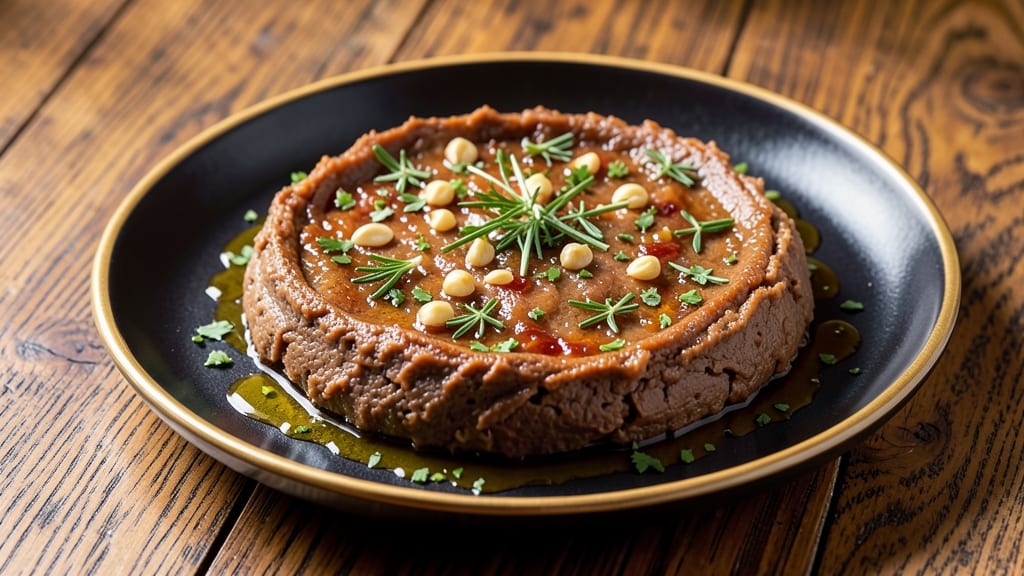
This baked chicken liver pâté delivers restaurant-quality richness with a velvety texture that melts in your mouth. The secret lies in purifying the livers first—removing any bitterness—and blending them with high-quality duck fat for that signature silky consistency. I’ve perfected this recipe over years, balancing traditional techniques with modern herb variations for depth that’s both elegant and approachable.
The baking process is where the magic happens—gentle heat transforms the mixture into a glossy, golden crown that’s easy to slice and serve. Unlike store-bought versions, this pâté develops layers of flavor from brandy reduction and fresh herbs, giving it a complexity that stands out.
The result? A spread so luxurious it feels like a special occasion, yet simple enough for weeknight entertaining.
What makes this pâté truly special is its versatility. Serve it chilled with crusty bread, crackers, or even as a filling for toasted baguette slices. The brandied depth pairs beautifully with sharp mustard or a drizzle of honey, while the herbs add freshness that cuts through the richness.
It’s the kind of dish that elevates any gathering—whether you’re hosting a dinner party or simply treating yourself to something extraordinary.
For those new to pâté-making, don’t worry—this recipe breaks down every step, from purifying the livers to achieving that perfect silky texture. With just a few key ingredients and a little patience, you’ll create a dish that’s as impressive as it is delicious.
Let’s get started on crafting something truly unforgettable.
Ingredients for baked chicken liver pate
Sixteen ingredients transform into a luxurious pâté that rivals restaurant quality.
| Ingredient | Amount | Notes |
|---|---|---|
| Chicken Livers 🍗 | 1 ½ lb | Fresh, trimmed of connective tissue |
| Unsalted Duck Fat 🫒 | ½ cup | High-quality, rendered fat preferred |
| Shallots 🧅 | 4 whole | Finely minced, about 0.25 cup |
| Garlic Cloves 🧄 | 3 cloves | Minced, about 1 tsp |
| Fresh Thyme Leaves 🌿 | 2 tbsp | Finely chopped, stems removed |
| Fresh Parsley Leaves 🌿 | 2 tbsp | Finely chopped, stems removed |
| Brandy 🍷 | ¼ cup | High-proof, 40% ABV minimum |
| Heavy Cream 🥛 | ½ cup | Full-fat for richness |
| Dijon Mustard 🌶️ | 1 tbsp | High-quality, smooth texture |
| Salt 🧂 | 1 tsp | Diamond Crystal preferred |
| Ground Black Pepper 🌶️ | ½ tsp | Freshly ground for best flavor |
| Honey 🍯 | 1 tsp | For balancing richness |
| Baguette Slices 🍞 | 12 pieces | For serving, lightly toasted |
The chicken livers are the star—freshness is non-negotiable. Local butchers or high-end grocery stores like Whole Foods carry the best quality, often pre-trimmed for convenience. Look for livers that are bright red with minimal connective tissue. The duck fat? Store-bought rendered fat works, but nothing beats homemade—simmer duck fat in a pan until clear. Fresh herbs should be vibrant, not wilted. Thyme and parsley from the farmers market add that restaurant-quality depth. Pro tip: Purify the livers by soaking them in milk for 30 minutes to remove any bitterness—trust me on this.
No brandy? Cognac or Armagnac work beautifully, but avoid cheap vodka—it lacks the depth. Short on duck fat? Goose fat or high-quality olive oil can substitute, though texture may vary slightly. Fresh herbs? Dried thyme at one-third the amount gets you close, but fresh is ideal. The Dijon mustard should be smooth—Maille or Amora are top-tier choices. For a sweeter note, swap honey for fig jam at half the amount. And if you're feeling adventurous, add a pinch of smoked paprika for a subtle smokiness that pairs perfectly with the richness.
This pâté is best made a day ahead—flavors meld beautifully. Store in an airtight container in the fridge for up to 5 days, or freeze for 3 months. To serve, slice the chilled pâté into rounds and arrange on a platter with toasted baguette slices and a drizzle of honey. The brandied depth and herbs shine when served at room temperature, so take it out 30 minutes before guests arrive. Leftovers? Spread on crackers or use as a filling for toasted baguette slices—it’s that versatile.
Why You'll Love This Recipe
- No Mise en Place Madness: I swear by this recipe because it’s the kind of dish that forgives a distracted cook. Toss the livers in duck fat, add the shallots and garlic, and let the oven do the work—no constant stirring, no watching for burn spots. The thyme ties it all together while you sip your wine (or coffee, no judgment).
- Rich Without the Guilt: That duck fat? It’s the secret weapon—creamy, luxurious, but somehow makes this feel lighter than a traditional pâté. The livers stay tender, the shallots caramelize just enough, and the thyme adds a freshness that cuts through the richness. Honestly, it’s the kind of flavor that makes you forget it’s "liver" at all.
- Weeknight to Holiday Hero: Between us, this is my go-to for game day snacks, last-minute appetizers, or when I’m too tired to impress. Spread it on crusty bread for a quick bite, or serve it chilled with crackers when unexpected company shows up. It’s fancy enough for a dinner party but unfussy enough for a Tuesday.
- Leftovers That Don’t Suck: Most pâtés turn dry or greasy after a day, but this one? It actually improves in the fridge. The duck fat solidifies just enough to keep it rich, not soggy, and the flavors deepen. I’ve made a double batch on Sunday and still had perfect slices for Thursday’s lunch—zero waste, all flavor.
Step-by-step instructions for baked chicken liver pâté
Here's how to transform fresh chicken livers into a velvety pâté with deep brandied notes and aromatic herbs.
Prepare the Chicken Livers for Cooking
Rinse the 1.5 lb chicken livers under cold water and pat them completely dry with paper towels. This step is crucial—any moisture will prevent the duck fat from properly rendering and create a steamed rather than seared texture. Trim away any visible connective tissue or silver skin using a sharp knife.
Cut the livers into ½-inch thick slices. This even thickness ensures they cook uniformly and develop that perfect silky texture. Arrange them on a plate and let them sit at room temperature for 15 minutes before cooking. This brief resting period allows the livers to relax and cook more evenly.
Sear the Livers in Duck Fat
Heat the ½ cup unsalted duck fat in a large skillet over medium-high heat until it shimmers but doesn't smoke. Add the sliced livers in a single layer, leaving space between each piece to prevent steaming. Cook undisturbed for 2-3 minutes per side until they develop a deep golden brown crust and are cooked through.
I press down gently on the livers during the first minute to prevent them from curling and ensure even contact with the pan. Remove them from the skillet and set aside on a paper towel-lined plate to drain excess fat. The livers should be firm to the touch and no longer pink in the center when cut.
Sauté Aromatics and Deglaze
In the same skillet (don't wipe it clean—the browned bits are flavor gold), reduce heat to medium and add the 4 whole shallots and 3 cloves garlic. Cook for 5-6 minutes until the shallots are soft and translucent, stirring occasionally. Add the 2 tbsp fresh thyme leaves and 2 tbsp fresh parsley leaves, cooking for another 30 seconds until fragrant.
Pour in the ¼ cup brandy and immediately scrape up all the browned bits from the bottom of the pan with a wooden spoon. This deglazing step captures all that concentrated liver flavor. Let the brandy simmer for 2-3 minutes until reduced by half and the alcohol has cooked off completely.
Create the Silky Pâté Base
Transfer the cooked livers to a food processor along with the sautéed shallots and garlic mixture. Pulse until the mixture is finely chopped but still retains some texture. Add the ½ cup heavy cream, 1 tbsp Dijon mustard, 1 tsp salt, ½ tsp ground black pepper, and 1 tsp honey. Process until completely smooth, scraping down the sides as needed.
This is where the magic happens—the cream and mustard emulsify with the liver fat to create that signature silky texture. If the mixture looks too thick, add 1-2 tablespoons of water to achieve a spreadable consistency. Taste and adjust seasoning if needed, remembering that the brandy and mustard will contribute acidity and depth.
Bake for Richness and Serve
Transfer the pâté mixture to a small baking dish and smooth the top. Bake in a 350°F oven for 20-25 minutes until the center is just warm through and the edges are slightly set. The pâté should be firm enough to hold its shape when chilled but still spreadable at room temperature.
Let the pâté cool to room temperature, then refrigerate for at least 2 hours (or up to 2 days) to allow flavors to meld. Serve with the 12 pieces baguette slices, lightly toasted. The pâté should be rich, silky, and have a beautiful glossy sheen. Each bite should deliver that perfect balance of livery depth, herby freshness, and brandied warmth.
Pro Tips For Making Baked Chicken Liver Pate
- Trim the Membranes: Chicken livers have those nasty white membranes—don’t skip scraping them out. They turn bitter when cooked, and you’ll taste the difference if you leave them. Use a small knife or your thumbnail to dig them out before rinsing.
- Sear in Duck Fat: Heat the duck fat until it shimmers (350°F/175°C) before searing the livers—this renders fat quickly and prevents them from steaming. Crowd the pan for 2-3 minutes, then spread them out to crisp. Overcrowding = soggy livers.
- Pulse Shallots Fine: Finely mincing shallots (or even pulsing them in a food processor) makes them melt into the pate instead of sitting as chunks. I used to chop them roughly, and they’d always be noticeable—this change made the texture silky.
- Bake Low and Slow: After searing, bake the pate at 300°F (150°C) for 12-15 minutes—high heat now will cook the outside too fast and leave the center underdone. A meat thermometer at 150°F (65°C) is your friend; livers hit that temp and stay moist.
Serving suggestions for baked chicken liver pate
Classic Pairings
Serve your pâté with toasted baguette slices or water crackers for that classic French bistro experience. I love arranging the pâté slices on a platter with a few whole-grain crackers and a small bowl of cornichons for a tangy contrast.
The crispy bread helps cut through the richness, while the pickles add a refreshing bite. 🥖
Cheese Board Fusion
Elevate your serving game by pairing the pâté with a curated cheese board. I recommend aged Gruyère, creamy Brie, and sharp Manchego for complementary textures and flavors.
Add fig jam or honeycomb slices to balance the liver's richness, and finish with walnuts or almonds for crunch. This creates a sophisticated spread that's perfect for gatherings.
Wine Pairings
A glass of dry Riesling or Sauvignon Blanc complements the pâté beautifully, with their bright acidity cutting through the richness. For red wine lovers, a Pinot Noir from Burgundy offers enough elegance to stand up to the brandied depth.
Avoid heavy, tannic wines—they'll overpower the delicate flavors. I always keep a bottle of Château d'Esclans Whispering Angel on hand for special occasions. 🍷
Modern Twist: Charcuterie
For a contemporary approach, arrange the pâté alongside prosciutto di Parma, salami, and marinated artichokes on a wooden board. Add roasted red peppers and olives for color and texture contrast.
The salty cured meats balance the pâté's richness, while the vegetables add freshness. This setup is perfect for casual entertaining or a sophisticated snack spread.
Presentation Tips
For an elegant touch, serve the pâté on a slate board or marble platter with a drizzle of honey or reduced balsamic glaze around the edges. Garnish with fresh thyme sprigs and edible flowers for a restaurant-worthy presentation.
Chill the pâté for 2 hours before serving to enhance its silky texture and glossy finish.
Make-Ahead Serving
This pâté actually tastes better the next day, so prepare it a day ahead for maximum flavor impact. Store in an airtight container in the fridge and let it come to room temperature before serving.
I like to slice it into ½-inch rounds and arrange them on a platter with toasted baguette points for easy grabbing. The flavors meld beautifully overnight, making it perfect for last-minute entertaining. ✨
Nutrition facts
Frequently asked questions
Why do I need to soak chicken livers in milk before cooking?
Soaking the livers in milk for 30 minutes removes any bitterness from bile residue. This step is crucial for achieving that clean, rich flavor in your pâté. The milk also helps tenderize the meat slightly, making it more velvety when blended. Skip this, and you might end up with a slightly off-flavor.
Can I substitute duck fat with another fat?
Yes, but texture may vary. Goose fat works well, while high-quality olive oil or butter can be used in a pinch. For best results, use ½ cup rendered duck fat—it gives that signature silky mouthfeel. If using butter, reduce by 2 tablespoons since it contains water.
How do I know when the pâté is fully cooked?
The pâté is done when the center reaches 160°F and the edges are set but still slightly jiggly. It should hold its shape when chilled but remain spreadable at room temperature. Overbaking will make it dry—remove it when it's just warm through.
What if my pâté looks too thick after blending?
Add 1-2 tablespoons of water or heavy cream (from the recipe) while processing to loosen it. The mixture should be smooth but still spreadable. If it's too thin, chill it for 30 minutes—it will firm up as it cools. Never force it by adding extra fat.
Can I make this pâté ahead of time?
This pâté tastes even better the next day. Store it in an airtight container in the fridge for up to 5 days or freeze for 3 months. Let it sit at room temperature for 30 minutes before serving to enhance its silky texture.