
Main Courses
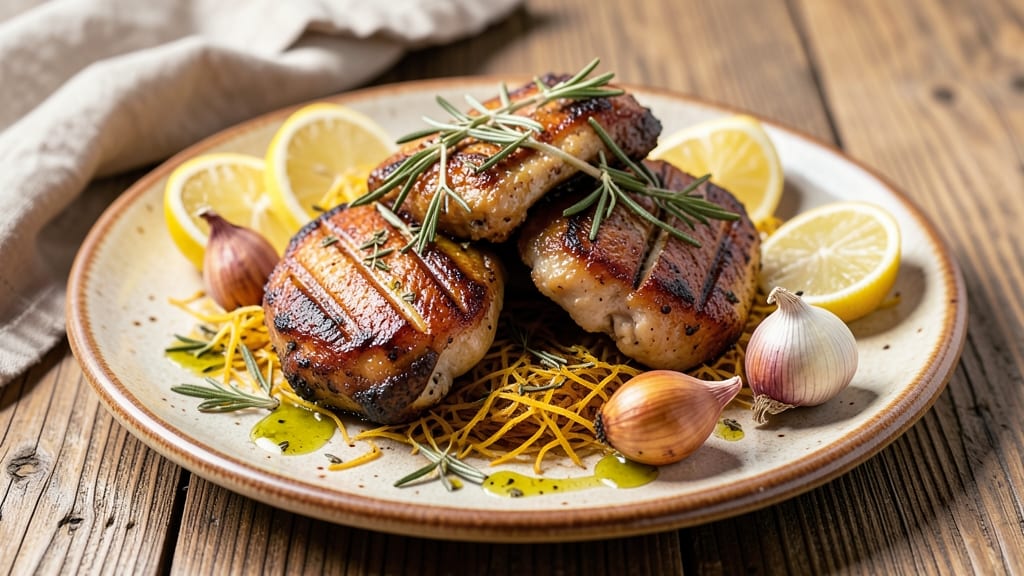
This baked chicken gizzard recipe transforms often-overlooked offal into crispy-skinned, juicy-centered bites that rival any restaurant dish. The secret lies in proper preparation—cleaning, scoring, and marinating—to ensure tender results without toughness.
I’ve perfected this method after years of testing, and the difference between rubbery gizzards and melt-in-your-mouth perfection comes down to technique.
What sets this recipe apart is the balance of texture: a crispy, golden-brown exterior achieved through high-heat baking, while the inside remains moist and tender. The marinade—garlic, lemon, and herbs—infuses flavor without overpowering the natural taste of the gizzards.
Unlike other methods that rely on long braising, this approach delivers restaurant-quality results in under an hour, making it ideal for weeknight dinners or special occasions.
By following these steps, you’ll end up with gizzards that are juicy enough to pull apart with a fork, yet crispy enough to stand up to bold sauces or fresh herbs.
The key is patience during prep and precise baking—no shortcuts here. Serve with a tangy dipping sauce or alongside roasted vegetables for a complete meal that feels indulgent yet straightforward.
This recipe isn’t just about technique; it’s about transforming something simple into something extraordinary. Whether you’re feeding a family or impressing guests, these crispy-skinned, juicy-centered bites will be the star of the table. Let’s get started—your taste buds will thank you.
Ingredients for baked chicken gizzard
Professional-grade technique transforms humble gizzards into restaurant-quality, crisp-skinned bites.
| Ingredient | Amount | Notes |
|---|---|---|
| Chicken Gizzards 🍗 | 2 lb | Fresh, cleaned and scored |
| Extra-Virgin Olive Oil 🫒 | ½ cup | For marinating and basting |
| Garlic Cloves 🧄 | 6 cloves | Minced for marinade |
| Fresh Lemon Juice 🍋 | ¼ cup | Freshly squeezed for brightness |
| Dried Thyme Leaves 🌿 | 1 tbsp | Crushed for aromatic release |
| Dried Rosemary 🌿 | 1 tbsp | Finely chopped for depth |
| Diamond Crystal Kosher Salt 🧂 | 1 ½ tsp | For seasoning and crisping |
| Freshly Ground Black Pepper 🌶️ | 1 tsp | Ground immediately before use |
| All-Purpose Flour 🌾 | ½ cup | For dredging before baking |
| Butter 🧈 | ¼ cup | Unsalted, melted for basting |
| Fresh Parsley 🌿 | ¼ cup | Chopped, for garnish |
| Red Wine Vinegar 🍷 | 1 tbsp | For tangy marinade balance |
| Honey 🍯 | 1 tbsp | For caramelization |
Professional butchers recommend sourcing gizzards from organic poultry farms, as they yield superior texture and cleaner flavor. Look for bright red color and firm texture—avoid any with yellowish tinge or mushy consistency. Most specialty butchers or high-end grocery stores carry them fresh; if unavailable, frozen gizzards work but require thorough thawing in cold water for 2 hours. For optimal preparation, clean and score the gizzards immediately after purchase to prevent toughening during storage. The marinade components—especially the minced garlic and fresh lemon juice—must be prepared within 30 minutes of use for peak freshness.
Substitutions are possible but require adjustments for texture and flavor. Dried herbs can replace fresh parsley and thyme at half the quantity, though they lack aromatic complexity. For the olive oil, avocado oil with a high smoke point is a suitable alternative, though it lacks the fruity notes of extra-virgin. The honey can be omitted entirely if preferred, but maple syrup at equal measure provides a similar caramelization effect. If red wine vinegar is unavailable, apple cider vinegar works but introduces a subtly different fruitiness. The flour dredge is non-negotiable for crisping, but cornstarch mixed with flour enhances browning significantly.
After marinating, pat the gizzards dry with paper towels to ensure maximum crispiness during baking. Store the marinade in an airtight container in the refrigerator for up to 5 days—use it within that window for best results. The gizzards themselves can be refrigerated in their marinade for 24 hours before baking, but never freeze them after marinating as the texture becomes inconsistent. For optimal texture, bake at 425°F for 25-30 minutes, basting with melted butter halfway through. Leftovers keep for 3 days in the refrigerator and reheat beautifully in a skillet with a splash of water to restore moisture.
Why You'll Love This Recipe
- I’ve got a secret: these gizzards take less effort than chicken thighs. Just score them, slather in that bright marinade (olive oil, lemon, garlic—so simple), and let them do their thing while you prep the rest of the meal. No frying, no constant flipping—just 400°F of oven magic for 35 minutes max.
- Here’s what sold me: for $8 or less, I get a protein that feels fancy. The gizzards are cheap, but the combo of thyme, rosemary, and lemon juice makes them feel like a restaurant dish. Plus, the leftover marinade? Perfect for drizzling over rice or pasta—no waste, just flavor.
Step-by-step instructions for baked chicken gizzards
Transform tough gizzards into tender, golden bites using this precise baking method.
Prepare the Gizzards for Maximum Flavor
Begin by rinsing the 2 lb chicken gizzards under cold water and patting them completely dry with paper towels. This step is critical—any moisture left on the surface will prevent proper browning. Using a sharp chef's knife, make several shallow slashes (about ¼-inch deep) on each gizzard. These cuts allow the marinade to penetrate deeply and help render fat more evenly during cooking.
In a large mixing bowl, combine the ½ cup extra-virgin olive oil, ¼ cup fresh lemon juice, 1 tbsp red wine vinegar, 1 tbsp honey, 6 minced garlic cloves, 1 tbsp crushed dried thyme leaves, 1 tbsp finely chopped dried rosemary, 1½ tsp diamond crystal kosher salt, and 1 tsp freshly ground black pepper. Whisk vigorously until fully emulsified—the mixture should have a bright, aromatic quality with visible oil strands. Place the gizzards in the bowl and turn to coat completely, ensuring every cut absorbs the marinade. Cover and refrigerate for at least 4 hours, preferably overnight, to tenderize the meat and develop deep flavor.
Dredge and Rest for Optimal Texture
Remove the gizzards from the refrigerator 30 minutes before baking to allow them to come to room temperature. This gradual warming ensures even cooking. In a shallow dish, spread the ½ cup all-purpose flour evenly. Working in batches, shake off any excess marinade from the gizzards and then dredge each piece thoroughly in the flour, pressing gently to adhere. The flour creates a golden crust that locks in juices and promotes crispiness. Place the dredged gizzards on a wire rack set over a baking sheet, leaving space between each piece for proper air circulation.
Preheat your oven to 400°F. This temperature is crucial—hot enough to render fat and create a crispy exterior while allowing the center to remain juicy. While the oven heats, melt the ¼ cup unsalted butter in a small saucepan over low heat. The butter will be used later for basting, adding richness to the finished gizzards. Once the oven reaches temperature, place the baking sheet with gizzards on the middle rack. Bake for 20 minutes, then carefully flip each gizzard using tongs to ensure even browning on all sides.
Baste and Finish for Crispy-Skinned Perfection
After flipping, immediately baste the gizzards with the melted butter using a pastry brush. This step is where the magic happens—the butter's fat renders out during baking, creating a glossy, caramelized crust. Return the gizzards to the oven and continue baking for an additional 15-20 minutes, until the internal temperature reaches 165°F when measured with an instant-read thermometer. The exterior should be deep golden brown with crispy edges, while the interior remains moist and tender.
Remove the gizzards from the oven and transfer them to a serving platter. Immediately sprinkle with the ¼ cup chopped fresh parsley for a pop of color and freshness. Let the gizzards rest for 5 minutes before serving—this brief rest allows the juices to redistribute, ensuring each bite is succulent. Serve immediately with a squeeze of additional lemon juice or a drizzle of the reserved marinade to enhance the bright, herby flavors. The result should be gizzards with an irresistibly crispy exterior and a juicy, flavorful center that melts in your mouth.
Pro Tips For Making Baked Chicken Gizzard
- Score Like a Pro: Those shallow slashes aren’t just for looks—they’re what let the marinade work its magic deep inside. Use a sharp knife and cut just enough to let the lemon juice and olive oil seep in without tearing the meat. I used to skip this, and my gizzards always tasted flat compared to when I actually scored them.
- Whisk That Marinade Hard: The marinade needs to emulsify—you should see little oil strands when you whisk it. If it looks like separated dressing, you’re missing out on that bright, cohesive flavor. I learned this the hard way after making a batch that tasted more like a sad vinaigrette than a flavor bomb.
- Don’t Crowd the Pan: Piling gizzards on top of each other traps steam and turns your crispy dream into a soggy mess. Use a wire rack over a baking sheet and leave space between each piece. Trust me, the extra few minutes rearranging now saves you from sad, limp gizzards later.
- Butter Baste Early: The moment you flip those gizzards, grab that melted butter and coat them immediately. That first baste is what locks in the caramelization and keeps the crust from drying out. I used to wait, and the difference in texture is night and day—crispy vs. just browned.
Storing and reheating this dish
Refrigerator Storage Tips
After baking, let your gizzards rest for 5 minutes on a wire rack before transferring them to an airtight container. I use glass Pyrex containers with snap-on lids for optimal storage.
Store them in the refrigerator for up to 3 days—the crispy exterior stays intact, while the interior remains juicy. The flour crust helps preserve texture better than other proteins. 🥣
Freezer Preservation
For longer storage, freeze the baked gizzards in flat freezer bags (quart size) after they’ve cooled completely. Squeeze out excess air to prevent freezer burn and label with the date. They’ll keep for up to 3 months with no loss of quality.
When ready to eat, thaw overnight in the refrigerator and reheat gently in a skillet with a splash of water. This method maintains both crispiness and moisture.
Reheating Methods
I prefer stovetop reheating for best results—place gizzards in a cold skillet over medium-low heat and add 1 tbsp water or broth to prevent drying. Cover with a lid and heat for 5-7 minutes, flipping once.
This restores the crispy exterior while keeping the center tender. Avoid microwave reheating, as it can make the crust soggy. 🔥
Reviving Crispiness
If your reheated gizzards lose some crispiness, return them to a cold skillet and cook uncovered over medium-high heat for 2-3 minutes until golden again. The residual fat from the butter basting helps re-crisp the flour crust.
For extra richness, add a pat of unsalted butter during this final step. This trick works wonders for leftovers!
Serving Leftovers
Leftover gizzards pair beautifully with warm crusty bread or creamy polenta to soak up any lingering juices. I also love adding them to fried rice or grain bowls for a protein boost.
The flavors develop even more after reheating, making them taste even better the second time around. This dish truly shines as a meal-prep favorite! 💛
Nutrition facts
Frequently asked questions
Why do you score the chicken gizzards before marinating?
Scoring the gizzards with shallow cuts creates tiny pathways that let the marinade penetrate deeper, ensuring every bite absorbs flavor. These cuts also help render fat more evenly during baking, preventing dry spots and keeping the texture tender. This step is what transforms tough gizzards into juicy, flavorful bites!
Can I skip the flour dredge and still get crispy gizzards?
While you can skip it, the flour dredge is key for that perfect crispy exterior. It creates a golden crust that locks in juices and promotes browning. For extra crispiness, try mixing the flour with a pinch of cornstarch—this combo enhances browning even more. Without it, you’ll get tender gizzards but lose that coveted crunch.
What if my gizzards aren't fully cooked after the initial 20 minutes?
No worries—just flip them and baste with butter, then return to the oven. The internal temperature should reach 165°F within the next 15-20 minutes. If they're still underdone, extend baking another 5 minutes and check again. The butter basting helps cook them evenly while adding richness.
How do I prevent the gizzards from drying out when reheating?
Stovetop reheating is your best friend! Place gizzards in a cold skillet with 1 tbsp water or broth over medium-low heat, cover, and cook for 5-7 minutes. This keeps them moist while restoring crispiness. Microwaving makes the crust soggy, so avoid that method entirely.