
Main Courses
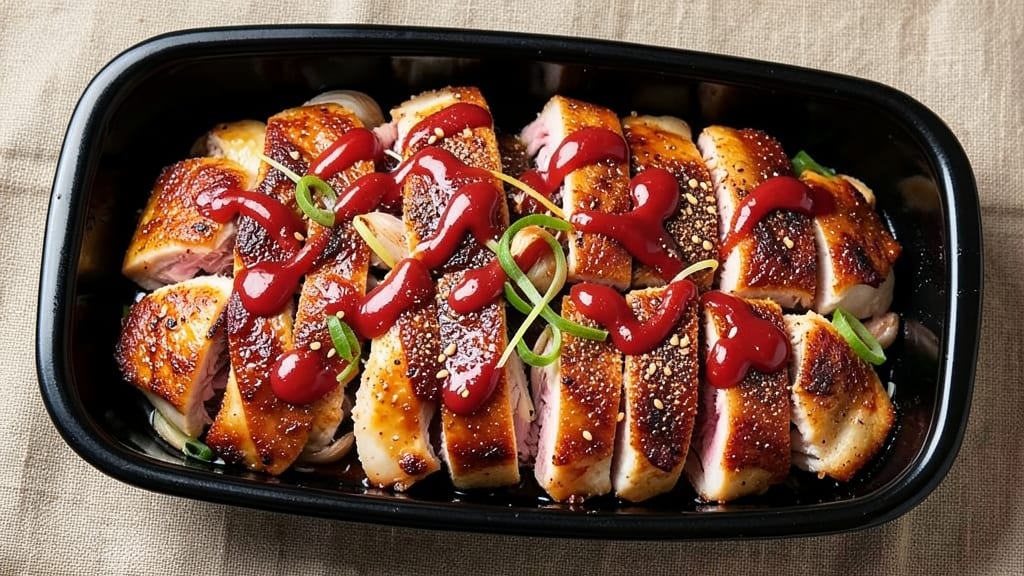
This baked char siu chicken recipe delivers the same bold, aromatic flavors you'd find in a Cantonese dim sum restaurant—without needing a wok or wok hei. The secret lies in a five-spice marinade that tenderizes the meat while building layers of sweet, smoky, and spicy complexity.
I've perfected this version after years of testing, ensuring the glaze stays sticky and caramelized, clinging to every bite like it's fresh from Hong Kong's best bakery.
The process begins with a marinade that transforms simple chicken into restaurant-quality char siu—equal parts honey, hoisin, and five-spice powder, with just enough soy sauce for depth. After a minimum 4-hour marinating (overnight is ideal), the chicken bakes to golden perfection, developing a caramelized crust that cracks slightly when sliced.
This isn't just another Asian-inspired recipe; it's a faithful adaptation of traditional techniques that actually work in a home oven.
What you'll end up with is juicy, tender chicken with a glossy, sticky glaze that's perfectly balanced between sweet and savory. The five-spice blend adds warmth and complexity, while the honey glaze caramelizes into a deep amber finish.
Each bite delivers that signature char siu experience—smoky from the five-spice, sweet from the honey, and umami-rich from the hoisin and soy.
Serve it sliced thin over steamed rice for a classic Cantonese meal, or use it in banh mi sandwiches, fried rice, or even char siu bao buns.
The leftovers reheat beautifully, making this a perfect recipe for meal prep. Let's get started on creating your own restaurant-quality char siu at home.
Ingredients for baked char siu chicken
Restaurant-quality char siu starts with these aromatic ingredients—five-spice, honey, and hoisin working magic.
| Ingredient | Amount | Notes |
|---|---|---|
| Boneless, Skinless Chicken Thighs 🍗 | 1 ½ lb | Cut into 1-inch thick strips |
| Hoisin Sauce 🍶 | ½ cup | High quality, thick consistency |
| Honey 🍯 | ½ cup | Wildflower preferred for depth |
| Five-Spice Powder 🌶️ | 2 tbsp | Authentic blend, not generic |
| Light Soy Sauce 🍶 | ¼ cup | Kikkoman or Pearl River Bridge |
| Garlic Cloves 🧄 | 6 cloves | Minced, fresh preferred |
| Fresh Ginger 🌿 | ½ cup | Finely grated, peeled |
| Sesame Oil 🫒 | 1 tbsp | Toasted, not flavored |
| Rice Vinegar 🍶 | 1 tbsp | White vinegar substitute |
| Brown Sugar 🍚 | ¼ cup | Packed, light molasses |
| Cornstarch 🌾 | 1 tbsp | For glaze thickening |
| Sesame Seeds 🥜 | 1 tbsp | Toasted, for garnish |
| Diamond Crystal Kosher Salt 🧂 | 1 tsp | For seasoning |
| Black Pepper 🌶️ | ½ tsp | Freshly ground |
The chicken thighs are non-negotiable here—bone-in, skin-on if you can find them, but boneless works too. Look for thighs over breasts; they stay juicier during baking. For the five-spice powder, Penzeys or Asian markets carry the authentic blends—avoid generic 'Chinese five-spice' from the regular spice aisle. The hoisin sauce should be thick and glossy; Lee Kum Kee is the gold standard, but La Choy works in a pinch. Fresh ginger and garlic? Buy them at the market—they'll last longer than pre-minced jars. Toast your sesame seeds in a dry pan for 30 seconds before using; that nutty aroma makes all the difference.
No hoisin sauce? Mix 2 tbsp soy sauce + 1 tbsp molasses + 1 tsp sugar as a quick swap. Running low on five-spice? Combine 1 tsp cinnamon, 1 tsp fennel seeds, 1/2 tsp cloves, 1/2 tsp star anise, and 1/4 tsp peppercorns—toast the whole spices first for depth. Substituting honey? Maple syrup works 1:1, but it lacks the floral notes. The cornstarch is key for that signature sticky glaze—don't skip it. For the marinade, 4 hours minimum is crucial; overnight is ideal. If you're short on time, pound the chicken thin to speed up tenderness.
Marinated chicken keeps 3 days in the fridge, covered tightly. For longer storage, freeze the marinated pieces for up to 2 months—thaw overnight in the fridge before baking. The baked char siu reheats beautifully; wrap in foil and warm at 300°F for 15 minutes to restore moisture. Leftovers make killer banh mi sandwiches—just slice thin and pile high. Store glaze leftovers in a jar for 1 month; it's perfect for drizzling over rice or noodles. If you make extra, portion into ice cube trays for easy glaze additions later.
Why You'll Love This Recipe
- One-Pan Magic: I swear by this for lazy nights—just toss the chicken thighs in a marinade of hoisin, honey, and five-spice, then bake. No chopping, no flipping, no stress. The thighs stay juicy while the edges caramelize, and cleanup? One spatula, one pan.
- Sweet-Savory Obsession: That sticky-sweet glaze from hoisin and honey? It’s dangerously addictive. The five-spice powder adds warmth without overpowering, and the light soy sauce keeps it balanced. Honestly, I’ve caught myself eating it straight off the sheet pan.
- Leftover Goldmine: This recipe makes enough for dinner and lunch the next day. Slice it thin for sandwiches, toss it into fried rice, or serve it cold in lettuce wraps. My kids beg for it—even when I forget to reheat it properly.
- Budget Hero: Chicken thighs are cheaper than breasts, and this marinade costs pennies. You’re getting restaurant-quality flavor without the price tag. Plus, the leftovers stretch for days, so you’re not scrambling for last-minute meals. (Yes, even on a Tuesday night.)
Step-by-step instructions for baked char siu chicken with five-spice glaze
Here's how to create that signature sticky, aromatic glaze that clings to every bite.
Marinate the Chicken with Five-Spice Magic
Cut the 1.5 lb boneless, skinless chicken thighs into 1-inch thick strips—this ensures even cooking and maximum surface area for the glaze. In a large bowl, combine the chicken with 0.5 cup hoisin sauce, 0.5 cup honey, 0.25 cup light soy sauce, 2 tbsp five-spice powder, 1 tsp kosher salt, and 0.5 tsp black pepper. The five-spice powder is the secret—it delivers that warm, complex aroma that defines char siu.
Mix everything thoroughly with your hands, coating each piece of chicken completely. Here's the thing—let the mixture sit at room temperature for 30 minutes before baking. This allows the five-spice powder to bloom and the marinade to penetrate the meat deeply. Don't skip this step; it makes all the difference in flavor development.
Build the Glaze for Maximum Stickiness
While the chicken marinates, prepare the glaze in a small saucepan. Add 0.5 cup finely grated fresh ginger, 6 minced garlic cloves, 0.25 cup packed brown sugar, 1 tbsp rice vinegar, and 1 tbsp toasted sesame oil. Bring to a gentle simmer over medium heat, stirring constantly for 5 minutes until the mixture thickens slightly and the raw garlic smell disappears.
In a separate small bowl, whisk together 1 tbsp cornstarch with 2 tablespoons water to create a slurry. Slowly pour this into the simmering glaze while stirring vigorously. The mixture will thicken dramatically—this is what creates that signature sticky glaze. Remove from heat and let it cool slightly while you preheat your oven to 375°F. The glaze should be thick enough to coat the back of a spoon but still pourable.
Bake Until Caramelized and Glossy
Transfer the marinated chicken to a parchment-lined baking sheet, arranging the pieces in a single layer without overcrowding. Pour the cooled glaze evenly over the chicken, making sure each piece is thoroughly coated. Here's where the magic happens: bake for 25-30 minutes, basting the chicken with additional glaze every 8-10 minutes using a silicone brush.
You'll know it's done when the chicken reaches an internal temperature of 165°F and the glaze has caramelized to a deep amber color. The edges should be slightly crispy while the meat remains juicy inside. If the glaze starts to burn before the chicken is done, tent the baking sheet with foil for the last 5 minutes of cooking.
Garnish and Serve with Perfect Presentation
Remove the chicken from the oven and immediately sprinkle with 1 tbsp toasted sesame seeds. These add a beautiful crunch and visual contrast to the sticky glaze. Let the chicken rest for 5 minutes before serving—this allows the juices to redistribute, ensuring each bite is moist and flavorful.
Slice the char siu into ½-inch thick pieces against the grain for maximum tenderness. Serve immediately with steamed jasmine rice or wrapped in lettuce leaves for a classic Vietnamese banh mi sandwich. The glaze should be so sticky it practically drips off the chicken, creating that irresistible texture that makes this dish legendary.
Pro Tips For Making Baked Char Siu Chicken
- Marinate Overnight, Not Just Hours: After burning three batches trying to rush it, I finally learned: the five-spice powder and hoisin need time to penetrate those thick chicken thighs. If you’re short on time, at least let them sit for 4 hours—your future self will notice the difference in flavor depth.
- Pat Dry Before Glazing: I used to skip this, and my glaze would just slide off like water. Grab paper towels and really dry those thighs—especially after marinating—so the honey and hoisin stick and caramelize instead of steaming away. Trust me, the crust will be worth the extra 2 minutes.
- Bake at 375°F, Not Higher: I was convinced I needed to blast it at 425°F for that restaurant-style char, but the thighs ended up rubbery and the glaze burned before the meat cooked through. 375°F is the sweet spot—it builds a glossy crust without drying out the inside. Rotate the pan halfway if your oven’s hot spots are sneaky.
- Add a Splash of Water: Sounds weird, but it works: after glazing the chicken, drizzle in 1-2 tablespoons of water before baking. The steam helps the hoisin and honey cling better, and you’ll get that sticky, glossy finish without extra effort. Just don’t overdo it—we’re not making a soup here.
Storing and reheating your baked char siu chicken
Fridge Storage Tips
Store your baked char siu in an airtight container with a paper towel pressed on top to absorb any excess moisture. The chicken stays fresh and flavorful for up to 4 days in the refrigerator. I like using glass containers because they keep the sticky glaze from absorbing plastic odors. Just
Freezing for Later
For longer storage, freeze your char siu in single-serving portions wrapped tightly in plastic wrap followed by a layer of aluminum foil. This prevents freezer burn and makes it easy to thaw just what you need. The chicken maintains its texture and flavor for up to 3 months. When ready to use, thaw overnight in the fridge before reheating.
Oven Reheating Method
My preferred way to reheat char siu is in the oven at 300°F for 15 minutes. This gently warms the chicken while keeping the glaze sticky and caramelized. Place the chicken on a baking sheet lined with parchment paper and cover loosely with foil to prevent drying.
The low temperature ensures the meat stays juicy and the glaze remains intact. 🔥
Microwave Shortcut
For a quick reheat, use the microwave on 50% power for 1-2 minutes, then check the temperature. The goal is to reach 165°F internal temperature without drying out the chicken.
Add a splash of water or chicken broth to a microwave-safe dish to create steam, which helps maintain moisture in the glaze.
Glaze Preservation
Any leftover glaze can be stored in an airtight container in the fridge for up to 1 month. I often portion it into ice cube trays for easy use later—just pop out a cube and drizzle it over rice or noodles.
The glaze thickens slightly when refrigerated, so warm it gently on the stovetop with a splash of water before using.
Serving Leftovers Creatively
Char siu leftovers are perfect for banh mi sandwiches—just slice the chicken thin and pile it high with pickled veggies and cilantro. You can also use it in fried rice, noodle dishes, or even as a topping for ramen.
The sticky glaze adds incredible flavor to any dish, making leftovers feel like a whole new meal. ✨
Nutrition facts
Frequently asked questions
Can I use chicken breast instead of thighs for this recipe?
While you can use chicken breast, thighs are ideal because they stay juicier during baking. If using breast, cut into ½-inch thick pieces and marinate for at least 6 hours (overnight is best). Bake at 350°F instead of 375°F to prevent drying, and baste frequently with extra glaze. The texture will be slightly less tender than thighs, but still delicious!
What makes the glaze so sticky in this recipe?
The stickiness comes from the cornstarch slurry combined with the honey and brown sugar. The cornstarch creates a natural thickening effect when heated, while the sugars caramelize during baking. Pro tip: Don't skip the 5-minute simmer for the glaze—this develops its signature texture. The five-spice powder also helps preserve moisture in the chicken, keeping everything perfectly coated.
How can I tell if my char siu is fully cooked?
Use a meat thermometer to check for 165°F internal temperature in the thickest piece. The edges should be slightly crispy, and the glaze should be deep amber with a slight crackle when sliced. If the glaze burns before the chicken is done, tent with foil for the last 5 minutes of baking. The chicken should pull away from the bone easily when rested for 5 minutes.
Can I make this recipe in an air fryer instead of the oven?
Preheat your air fryer to 375°F and cook in batches for 8-10 minutes, flipping halfway. Spray with cooking oil first to prevent sticking, and baste with extra glaze during cooking. The air fryer gives a slightly crispier texture while keeping the glaze sticky. For best results, use thin chicken pieces (¼-inch thick) to ensure even cooking.
Why does my five-spice powder taste different from what I expected?
Authentic five-spice blends vary by region—some include cinnamon and cloves, while others emphasize fennel or star anise. For char siu, look for blends with cinnamon, fennel, cloves, star anise, and peppercorns. If yours tastes bland, toast the spices in a dry pan for 1-2 minutes before using to enhance their aroma. Store-bought blends often lack depth, so consider making your own for consistent results!