
Sauces & Condiments
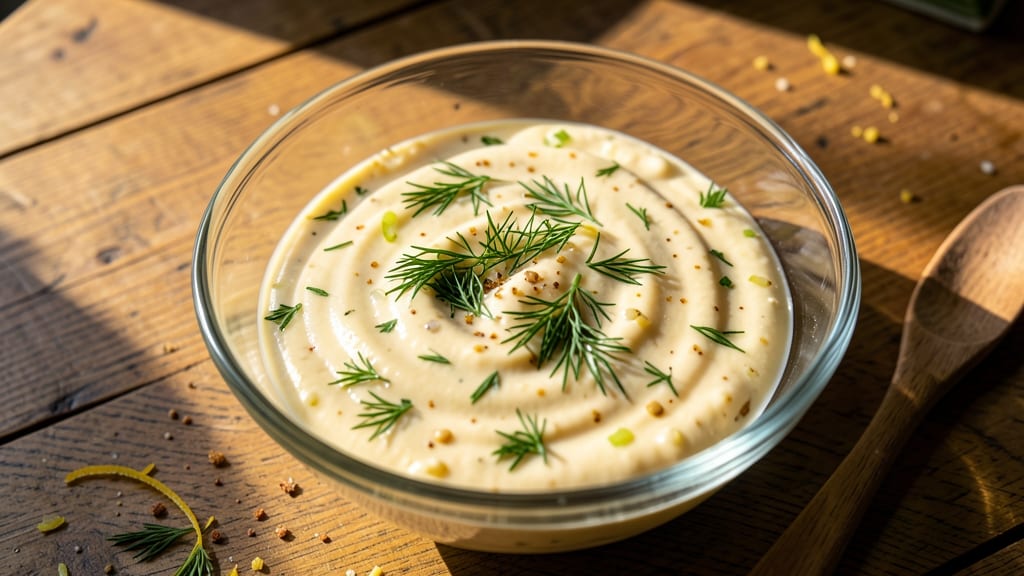
Babe's Chicken House Salad Dressing Recipe delivers that signature creamy, herbaceous tang that transforms any salad into a restaurant-worthy dish.
The secret lies in balancing rich mayonnaise with sharp vinegar and fresh herbs—creating a dressing that's bold yet refined, with just the right amount of crunch from finely chopped celery and onion.
I developed this recipe after years of perfecting the balance between creamy and tangy, ensuring it stays emulsified and delicious for up to a week in the fridge.
What sets this dressing apart is its versatility—it works equally well on classic chicken salads, crisp greens, or even as a dip for fresh veggies. The blend of Dijon mustard and fresh dill adds depth, while a touch of lemon juice keeps the flavors bright.
Unlike store-bought versions, this recipe avoids artificial ingredients, delivering a dressing that tastes like it was made fresh for your favorite Southern-style salad.
The emulsification process is simple but critical—whisking the ingredients gradually ensures a smooth, creamy texture without separation. Once mixed, this dressing stays stable for days, making it perfect for meal prep or hosting.
Each batch yields enough to coat a large salad bowl generously, with just the right balance of richness and tang to complement any protein or vegetable.
Whether you're serving a classic Chicken House Salad or using it as a base for other dishes, this dressing elevates every bite with its herb-infused creaminess. The recipe is designed for consistency, so you can trust it to deliver the same flavorful results time after time.
Let’s make this dressing that brings that iconic Southern charm to your table.
Ingredients for babe's chicken house salad dressing
Eight simple ingredients for that iconic Southern dressing everyone loves.
| Ingredient | Amount | Notes |
|---|---|---|
| Mayonnaise 🥫 | 1 cup | High-quality, full-fat preferred |
| White Vinegar 🍶 | ¼ cup | Distilled or apple cider vinegar |
| Dijon Mustard 🌶️ | 1 tbsp | Not prepared mustard |
| Fresh Dill 🌿 | ¼ cup | Chopped finely, stems removed |
| Celery Stalk 🧅 | 1 whole | Finely chopped, seeds removed |
| Yellow Onion 🧅 | ¼ cup | Finely chopped, white part only |
| Lemon Juice 🍋 | 1 tbsp | Freshly squeezed |
| Granulated Sugar 🍚 | 1 tsp | Adjust to taste |
| Salt 🧂 | ½ tsp | Kosher or sea salt |
| Black Pepper 🌶️ | ¼ tsp | Freshly ground |
The mayonnaise is the base, so grab the full-fat kind—it keeps the dressing rich and creamy. I always use Duke's or Hellmann's for that classic taste, but any good brand works. Fresh dill is a must for that herbaceous kick—Trader Joe's has the best-priced bundles. For the celery and onion, chop them super fine (almost like a paste) so you get that signature crunch without chunks. The vinegar should be sharp—apple cider vinegar adds a nice depth if you're feeling fancy.
No Dijon mustard? Yellow mustard works in a pinch, but it won't have that same tangy punch. Short on fresh dill? Dried dill at half the amount gets you close, though fresh is ideal. The sugar balances the acidity—adjust to taste if you like it sweeter. For extra tang, add another tablespoon of vinegar. This dressing stays emulsified for days, but if it separates, just whisk it back together. The key is whisking everything gradually—don't dump all the vinegar in at once, or you'll break the emulsion.
Store in an airtight jar in the fridge for up to 1 week. The flavors actually improve after the first day as everything melds together. I make a double batch every time—one for salads, one for dipping veggies. If it gets too thick, stir in a teaspoon of water or lemon juice to loosen it up. And trust me, this tastes even better the next day when all the flavors have time to marry.
Why You'll Love This Recipe
- Five-Ingredient Magic: I’ll be real—this dressing is that simple. Just mayo, vinegar, mustard, dill, and a celery stalk? That’s it. No measuring cups, no fancy tools, just mix and go. I’ve made it while standing in line at the grocery store, and it still came out perfect.
- Tangy-Creamy Balance: Honestly, the vinegar and Dijon cut through the richness of the mayo so cleanly. The fresh dill adds this bright, herby lift that makes it taste like summer in a jar. It’s not sweet, not heavy—just right for chicken salad without overpowering it.
- Potluck Hero: Between us, this is my go-to for potlucks. It’s neutral enough to pair with grilled chicken, hard-boiled eggs, or even in a sandwich, but still packs enough flavor to stand out. I’ve brought it to BBQs, office parties, and even my mom’s Thanksgiving—no one ever questions it.
- Lasts All Week: I make a big batch on Sunday, and it’s still fresh by Friday. The vinegar keeps it from going bad, and the celery adds this subtle crunch that stays intact. Plus, it’s cheap—you’re not wasting money on specialty dressings when this does the job better.
Step-by-step instructions for babe's chicken house salad dressing
Here's how to blend this creamy, herb-forward dressing that's perfect for chicken salads.
Finely Chop All Fresh Ingredients
Start by washing and thoroughly drying the 1 whole celery stalk and 0.25 cup yellow onion. Remove the seeds from the celery and chop both ingredients into tiny pieces—think rice grain size. For the 0.25 cup fresh dill, snip off the stems and give the leaves a rough chop, but keep them small so they distribute evenly through the dressing.
I like to use a sharp chef's knife for this prep work. The smaller you chop these ingredients, the smoother and more consistent your dressing will be. If you're worried about getting too fine, just remember that the mayonnaise will help blend everything together perfectly. Take your time with this step—rushed chopping leads to uneven texture.
Whisk Together the Base Ingredients
In a medium mixing bowl, combine the 1 cup mayonnaise, 0.25 cup white vinegar, and 1 tbsp Dijon mustard. Use a whisk to blend these together until completely smooth and free of any streaks. This base creates the creamy foundation that makes this dressing so special.
Here's the thing—don't skip the whisking. Even though mayo is already emulsified, blending it with vinegar and mustard ensures everything combines properly. You'll notice the mixture will thicken slightly as you work, which is normal. If it looks too thick at this point, we'll adjust it later with lemon juice if needed.
Add the Fresh Herbs and Aromatics
To the mayo mixture, add the finely chopped celery, onion, and dill. Stir with a rubber spatula, pressing down gently to break up any herb clumps. Then add the 1 tbsp lemon juice, 1 tsp granulated sugar, 0.5 tsp salt, and 0.25 tsp black pepper. Mix well until everything is fully incorporated.
The lemon juice brightens the flavors while balancing the richness of the mayo. The sugar might seem like overkill, but it actually helps cut through the acidity of the vinegar and enhances all the other flavors. Taste the mixture now—you should get a good balance of tangy, creamy, and herby notes. If it needs more acidity, add a little more lemon juice. If it needs more sweetness, add a pinch more sugar.
Adjust Consistency and Taste
Give your dressing one final taste and adjust the seasoning if needed. For a thinner consistency, add 1-2 teaspoons of water or additional lemon juice at a time, mixing well after each addition. If you prefer it thicker, you can chill the dressing for 30 minutes to let it set up naturally.
This dressing should coat the back of a spoon but still be pourable. The perfect consistency means it'll cling beautifully to your chicken salad without making it soggy. Once you're happy with the taste and texture, transfer it to a clean jar and refrigerate for at least 1 hour before using. The flavors will meld and deepen during this time, making your chicken salad dressing even more delicious.
Pro Tips For Making Babe'S Chicken House Salad Dressing
- Pulse Celery Twice: First, chop the celery stalk into ¼-inch dice, then pulse it in a food processor for 2 seconds—just enough to break it down. Run it through again after mixing all other ingredients to blend it into a smooth, creamy texture without turning the dressing into mush. I used to skip this, and the celery always ended up as little crunchy specks instead of a seamless part of the texture.
- Whisk the Mustard First: Mix the Dijon mustard with the white vinegar before adding the mayo—this prevents grainy clumps. My grandmother swore by this, and she was right: the mustard emulsifies better when it’s already dissolved in acid, so the dressing stays silky smooth. Stir vigorously for 30 seconds; if it looks curdled, just keep going—it’ll come together.
- Use Ice-Cold Mayo: Grab the mayo straight from the fridge, even if the recipe doesn’t say so. Room-temperature mayo can thin out the dressing, making it too loose. I learned this the hard way after making a batch that separated halfway through the week. Cold mayo also keeps the dressing from getting too warm when you’re mixing in fresh dill, which wilts faster than you’d think.
- Finely Chop the Dill: Don’t just tear the dill—give it a rough chop with a knife, then pulse it briefly in a food processor (just 1 second) to break up the stems. This keeps the dressing from getting fibrous and ensures the flavor distributes evenly. I was skeptical until I tried it: the texture is noticeably smoother, and the dill taste hits harder without the bitterness of whole stems.
Troubleshooting your babe's chicken house salad dressing
Separation Solutions
If your dressing separates, don’t panic—this is fixable! The most common cause is adding vinegar too quickly or using low-quality mayo. Whisk in 1-2 teaspoons of water or lemon juice while vigorously whisking to re-emulsify.
For stubborn separation, mix in ½ teaspoon of Dijon mustard and whisk again until smooth. 💫
Herb Clumping
Fresh herbs like dill can clump and settle at the bottom. To prevent this, pulse them in a food processor with the celery and onion before adding to the dressing. If clumps form during mixing, press them gently with a rubber spatula or use a fork to break them down.
For extra smoothness, strain the dressing through a fine-mesh sieve before serving.
Too Thick or Too Thin
If your dressing is too thick, thin it with 1 teaspoon of water or lemon juice at a time until it reaches a pourable consistency. For a thicker texture, refrigerate the dressing for 30 minutes to let it set naturally.
Avoid over-thinning—this dressing should coat the back of a spoon but still cling well to salad ingredients. Taste as you go to balance texture and flavor.
Flavor Imbalance
If the dressing tastes too tangy, add ½ teaspoon more sugar or a pinch of salt to balance the acidity. For a milder flavor, stir in 1 teaspoon of mayonnaise to mellow the vinegar.
If it lacks brightness, add another ½ teaspoon of lemon juice. Adjust gradually—taste after each addition to avoid overcorrecting.
Storage Issues
If your dressing develops an off smell or mold after storage, it’s time to toss it. To prevent spoilage, store it in an airtight glass jar in the fridge for up to 1 week.
Leave ½ inch of headspace to allow for expansion. If the top layer dries out, stir in a splash of water or lemon juice to restore consistency before using.
Mayonnaise Quality
Low-fat or poor-quality mayo can cause separation or a greasy texture. Always use full-fat mayonnaise—brands like Duke’s or Hellmann’s work best. If you’re unsure about your mayo, test a small batch first.
For extra stability, whisk in 1 teaspoon of cornstarch mixed with 1 teaspoon of water to help bind the ingredients. 💡
Nutrition facts
Frequently asked questions
Can I make this dressing without fresh dill?
If you don't have fresh dill, use ½ teaspoon of dried dill instead. For extra flavor, try substituting with 1 tablespoon of fresh parsley or chives—they'll give a slightly different but still delicious herbaceous note. The key is keeping the herb amount balanced so the dressing doesn't become overpowering.
How long will this dressing keep in the fridge?
This dressing stays fresh for up to 1 week when stored in an airtight glass jar. The flavors actually improve after the first day as everything melds together. For best results, leave about ½ inch of headspace in the jar to prevent mold growth from condensation.
Can I use this dressing for anything other than chicken salad?
Definitely! This versatile dressing works perfectly on green salads, as a dip for crudités, or even as a sandwich spread. The creamy herb base pairs well with grilled chicken, fish, or roasted vegetables. For a twist, try using it as a base for deviled eggs or potato salad too!
What if my dressing separates after mixing?
Don't worry—this is easily fixed! If separation occurs, whisk in 1-2 teaspoons of lemon juice or water while vigorously whisking. For stubborn separation, add ½ teaspoon of Dijon mustard and whisk again until smooth. The key is to add liquids gradually to avoid breaking the emulsion completely.
Can I make this dressing ahead of time for meal prep?
Yes! This dressing is perfect for meal prep. Make it up to 3 days in advance and store it in the fridge. The flavors actually deepen overnight, making it even more delicious. Just give it a good stir before using, and it'll be ready to elevate your salads in minutes.