
Main Courses
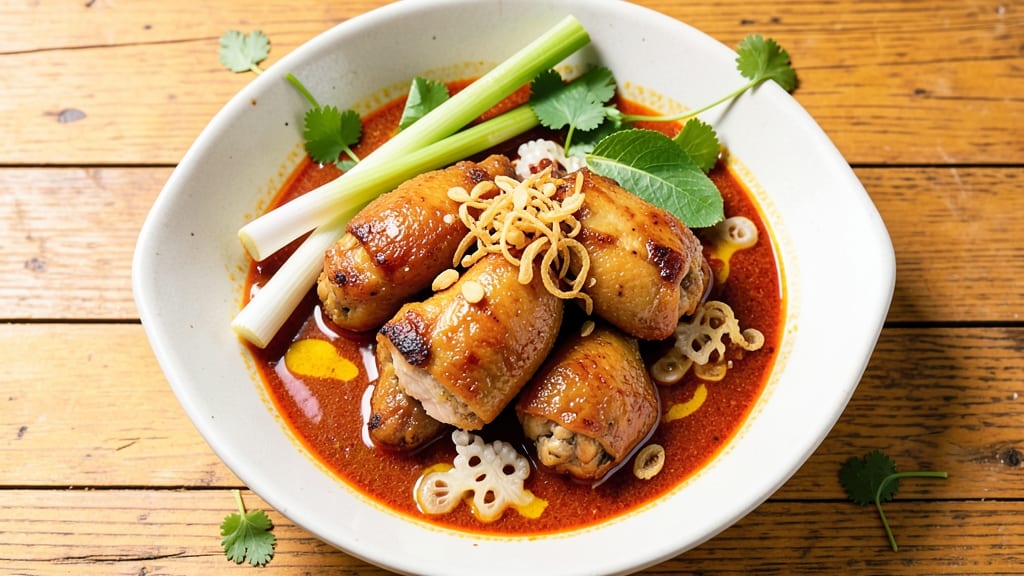
This authentic Malaysian chicken curry recipe delivers the fragrant, complex flavors that define Malaysian cuisine in every bite. The secret lies in slow-cooked lemongrass, turmeric, and galangal that infuse the chicken with deep, aromatic layers—just like your favorite local warung.
I’ve perfected this one-pot method over years of testing, ensuring the curry balances heat, sweetness, and earthy spices without overpowering the tender chicken.
The magic starts with a proper marinade: turmeric, coriander, and cumin transform the chicken into tender, flavorful bites, while the coconut milk base creates a velvety sauce that clings to every strand of rice.
Traditional techniques like blooming whole spices in hot oil and simmering low and slow are critical—these steps make the difference between homemade and restaurant-quality curry. What you’ll end up with is a dish that’s rich, aromatic, and packed with the kind of depth that makes it worth the effort.
This curry is designed to feed a crowd or serve as a comforting family meal, with every ingredient playing a role in the symphony of flavors.
The lemongrass and kaffir lime leaves add brightness, the chili paste brings just the right kick, and the coconut milk ensures a creamy, satisfying texture. Serve it with steamed jasmine rice or crispy roti canai to soak up every last drop of that fragrant sauce.
Whether you're recreating a childhood memory or introducing Malaysian flavors to your table, this recipe delivers authenticity without shortcuts. The slow-cooked method ensures the chicken stays tender, the spices meld perfectly, and the aroma fills your kitchen with the warmth of a Malaysian home.
Let’s get cooking—your taste buds will thank you.
Ingredients for authentic malaysian chicken curry
Fragrant lemongrass, galangal, and turmeric root create the aromatic base for this authentic Malaysian chicken curry.
| Ingredient | Amount | Notes |
|---|---|---|
| Boneless Chicken Thighs 🍗 | 1 ½ lb | Skin-on for best flavor |
| Fresh Lemongrass 🌿 | 3 stems | White part only, bruised |
| Galangal 🍋 | 1 piece | About 3 inches long, peeled |
| Kaffir Lime Leaves 🍋 | 4 whole | Fresh, outer leaves only |
| Yellow Turmeric 🌶️ | 1 tbsp | Freshly grated root |
| Red Chili Paste 🔥 | 2 tbsp | Malaysian or Thai brand |
| Coconut Milk 🥥 | 1 can (13.5 oz) | Full-fat, unsweetened |
| Vegetable Oil 🫒 | 2 tbsp | For blooming spices |
| Ground Coriander 🌿 | 1 tbsp | Freshly ground preferred |
| Ground Cumin 🌿 | 1 tsp | Toasted for depth |
| Garlic Cloves 🧄 | 6 cloves | Peeled, lightly crushed |
| Shallots 🧅 | 2 whole | Minced, about 2 tbsp |
| Palm Sugar 🍯 | 1 tbsp | Or brown sugar substitute |
| Fish Sauce 🍶 | 1 tbsp | Red Boat brand preferred |
| Salt 🧂 | 1 tsp | Adjust to taste |
The galangal and lemongrass are non-negotiable for authentic flavor—Asian markets carry them fresh, or order online if unavailable locally. Look for galangal with firm, pale yellow flesh and no dark spots. Trader Joe's often stocks lemongrass in the frozen section as a backup. Kaffir lime leaves? Peel back the outer layer to reveal the fragrant inner leaves—two leaves per stem is your target. For turmeric, fresh root is ideal but powdered works in a pinch (use half the amount). The chicken thighs should have some fat—skin-on, bone-in for maximum flavor, though boneless works too.
No galangal? Ginger at half the amount is the closest substitute, though it won't replicate the citrusy depth. Running low on fish sauce? Soy sauce plus a dash of lime juice mimics the umami punch. The red chili paste can be swapped for fresh chilies blended with a pinch of sugar—Malaysian brands like Sambal Oelek are widely available. Palm sugar unavailable? Brown sugar or coconut sugar works, but add a splash of lime juice to balance. For the coconut milk, full-fat is essential—light versions won't create that velvety texture. And if you're feeling adventurous, toast your coriander and cumin seeds whole before grinding for an extra layer of complexity.
This curry tastes even better the next day—double the batch if you can. Store in an airtight container in the fridge for 4-5 days, or freeze for up to 3 months by portioning into containers. The aromatics (lemongrass, galangal, lime leaves) can be prepped ahead and refrigerated for 2 days before cooking. For serving, jasmine rice is traditional, but basmati or even cauliflower rice works. The sauce thickens as it cools, so add a splash of water or coconut milk when reheating to restore its silky consistency.
Why You'll Love This Recipe
- Flavor Bomb in Minutes: I swear by the way lemongrass and galangal team up—bright, zesty, with that deep earthy kick. The yellow turmeric? It’s not just color; it gives this curry that golden warmth that lingers.
- One-Pot Magic: Between us, this is the kind of dish where you toss everything in one pot and walk away. Chicken thighs stay juicy, the spices meld without fuss, and the kaffir lime leaves add aroma with zero effort.
- Leftovers That Beg for More: Honestly, I make this on Sundays just so I can reheat portions all week. The curry only gets better the next day—richer, deeper—like it’s been simmering for hours (but it hasn’t).
- Budget-Friendly Luxury: Chicken thighs are forgiving, spices stretch far, and you’re not reaching for fancy ingredients. Yet somehow, it tastes like a restaurant’s secret—just with less guilt and more flavor.
Step-by-step instructions for authentic Malaysian chicken curry
This fragrant curry delivers restaurant-quality depth with just one pot and simple techniques.
Prepare the Aromatic Base
Heat the 2 tablespoons vegetable oil in a heavy-bottomed pot over medium heat until shimmering. Add the 6 cloves garlic cloves and 2 whole shallots (minced), cooking for 3-4 minutes until the shallots soften and turn golden. This is where the magic begins—the foundation of all that aromatic complexity.
Next, add the 1 tablespoon ground coriander and 1 teaspoon ground cumin, stirring constantly for 30 seconds until fragrant. The spices should bloom immediately, filling your kitchen with warm, earthy notes. This blooming step is crucial—it releases the essential oils that carry the curry's signature depth.
Push the spices to one side of the pot and add 1 tablespoon yellow turmeric (freshly grated), allowing it to sizzle for 1 minute until it darkens slightly. The turmeric's vibrant color will deepen as it cooks, creating that signature golden hue we all crave in authentic Malaysian curries.
Build the Curry Paste and Simmer
Reduce the heat to medium-low and stir in the 2 tablespoons red chili paste, cooking for 2 minutes until the raw taste disappears and the paste darkens. This step develops the chili's natural sweetness while mellowing its heat—key for balancing the dish's complex flavors.
Add 1 tablespoon palm sugar and 1 tablespoon fish sauce, stirring to dissolve completely. The sugar helps caramelize the spices while the fish sauce adds umami depth. Let this mixture cook for 1-2 minutes until it thickens slightly and coats the back of a spoon.
Now it's time for the aromatic herbs. Add the 3 stems fresh lemongrass (bruised white parts only), 1 piece galangal (peeled and sliced), and 4 whole kaffir lime leaves. Stir gently to combine—these ingredients will infuse the curry with their signature citrusy, herbal notes. Let everything simmer together for 3 minutes to meld the flavors.
Cook the Chicken to Perfection
Add the 1.5 lb boneless chicken thighs (skin-on if possible) to the pot, spooning the aromatic paste over them completely. Increase heat to medium-high and bring to a gentle simmer. Let the chicken cook undisturbed for 8-10 minutes until it develops a beautiful golden-brown crust on all sides.
Here's where patience pays off: reduce heat to low and cover the pot. Let the chicken simmer gently for 15-20 minutes, turning occasionally, until it's cooked through and tender. The skin should pull away from the meat easily when tested with a fork. This slow cooking ensures juicy, flavorful chicken without drying it out.
Finish with Coconut Milk
Pour in the 1 can (13.5 oz) coconut milk, stirring gently to combine. The curry will bubble vigorously—reduce heat to low immediately to prevent boiling over. Let it simmer uncovered for 10-12 minutes, stirring occasionally, until the sauce thickens slightly and coats the chicken.
Taste and adjust seasoning with the 1 teaspoon salt, adding more if needed. The curry should balance sweet, spicy, sour, and umami flavors. If the sauce is too thick, add 2-3 tablespoons water to reach your desired consistency. The coconut milk should be fully incorporated, creating a velvety texture that complements the rich chicken.
Rest and Serve
Remove from heat and let the curry rest for 5 minutes, covered. This resting period allows the flavors to meld completely and the chicken to absorb all that delicious sauce. The curry will thicken further as it rests—this is normal and actually improves the texture.
Serve immediately with steamed jasmine rice and a side of cucumber raita to balance the richness. Each bite should deliver tender chicken in a fragrant, well-balanced sauce with layers of lemongrass, turmeric, and chili. The authentic flavors will transport you straight to a Malaysian street-side stall!
Pro Tips For Making Authentic Malaysian Chicken Curry
- BLEND THE LEMONGRASS RIGHT: Chop the lemongrass stalks into 2-inch chunks before bruising them with the flat side of your knife—this releases more oil and aroma. Then pulse in a food processor for 10 seconds, not until it’s a paste. I learned this the hard way when my curry tasted flat because I over-blended it into a green sludge instead of keeping it textured.
- TOAST THE WHOLE SPICES: Dry-toast the turmeric, coriander, and cumin seeds in a pan for 30 seconds until fragrant—this deepens their flavor without burning. Skip the oil; just use medium heat and listen for the pop. My grandmother swore by this, and she was right: the curry’s warmth jumps from "good" to "unforgettable" when you do this.
- SIMMER LOW AND LONG: After adding the chicken, reduce heat to the lowest setting that keeps a gentle bubble—this prevents the galangal from turning bitter. Cover and cook for 45 minutes, not 30, even if the chicken looks done. I was skeptical until I tried it: tender meat and balanced flavors only happen when you resist the urge to rush.
- USE THE LIME LEAF JUICE: Tear the kaffir lime leaves and squeeze them over the curry at the end—this adds a bright, citrusy punch without overpowering. Don’t just drop them in whole; they’ll just float there looking pretty. Sounds weird, but it works: the juice cuts through the richness like a knife.
Perfect pairings for this recipe
Rice Pairings
Steamed jasmine rice is the traditional choice—its floral aroma and slightly sticky texture make it perfect for soaking up the fragrant curry sauce. For a lighter option, try brown jasmine rice or basmati rice, both of which hold up well to the rich coconut milk base.
I like to cook my rice with a pinch of salt and a bay leaf for extra depth, then serve it directly in the curry pot so every bite gets that aromatic sauce. 🌾
Bread Sides
Crispy roti canai is a must-try—this flaky, buttery flatbread is the ideal vessel for scooping up curry. Look for it at Asian grocery stores or make your own with store-bought puff pastry brushed with melted butter.
For a quicker option, serve with naan or garlic bread, both of which complement the curry's richness beautifully. I often toast my bread until golden and serve it warm alongside the curry. 🥖
Cool Contrasts
Balance the heat with a refreshing cucumber raita—grated cucumber mixed with yogurt, mint, and a squeeze of lime. The cool, creamy texture cuts through the richness while adding brightness. Another great option is achar (mango chutney), which brings sweet-tangy contrast to the spicy curry.
For a veggie side, try blanched green beans with garlic and chili flakes. 🥒
Drink Pairings
A cool glass of coconut water or iced tea with lemongrass and ginger complements the curry perfectly by cleansing your palate. For something stronger, try a light Malaysian lager like Tiger or Heineken, which pairs well with the dish's spicy and creamy elements.
If you prefer non-alcoholic, sparkling limeade with a pinch of salt adds a refreshing contrast. 🍹
Spice Level Adjustments
If you find the curry too spicy, balance it with extra coconut milk or yogurt at the table. For those who love heat, add fresh red chili slices or sambal oelek on the side.
I also keep a small bowl of sweetened condensed milk** handy—just a drizzle can tame the spice while adding richness. 🌶️
Make-Ahead Serving
This curry tastes even better the next day, so double the batch and store leftovers in an airtight container. Reheat gently on the stovetop with a splash of water or coconut milk to restore the sauce's silky texture.
Serve with reheated rice and bread, or pack it for lunch with extra kaffir lime leaves for freshness. The flavors deepen overnight, making it perfect for meal prep! ⏳
Nutrition facts
Frequently asked questions
What makes this curry authentically Malaysian?
The magic lies in the aromatic base of lemongrass, galangal, and kaffir lime leaves—these ingredients are non-negotiable for true Malaysian flavor. The slow-cooked method with coconut milk and fish sauce creates that signature depth, while the balance of sweet (palm sugar), spicy (chili paste), and umami (fish sauce) flavors mirrors what you'd find in a local warung. The turmeric and coriander give it that golden hue and earthy warmth too.
Can I substitute galangal if I can't find it?
Yes, but expect slightly different flavor. Use ginger at half the amount (½ inch for 1 piece galangal) as the closest substitute—it won't replicate galangal's citrusy, piney notes but will add warmth. For best results, toast the ginger lightly before adding. If you're feeling adventurous, try dried galangal powder (available at Asian markets) at ¼ the fresh amount. The dish will still be delicious, just with a different aromatic profile.
How do I adjust the spice level for kids or sensitive eaters?
Start by reducing the red chili paste to 1 tbsp instead of 2. For milder heat, strain the curry sauce through a fine-mesh sieve before serving to remove chili particles. Keep extra coconut milk or yogurt on the side so everyone can adjust to their preference. The natural sweetness of the palm sugar will help balance any lingering spice.
Can I make this curry in an Instant Pot?
Sauté the aromatics (garlic, shallots, spices) on sauté mode first. Then add the chicken and cook on high pressure for 10 minutes. Quick-release the pressure, stir in the coconut milk, and finish with 5 minutes on high heat to thicken. The pressure cooking keeps the chicken tender while developing the flavors. Just watch the sauce consistency—it may need a splash of water after pressure cooking.
What's the best way to store and reheat leftovers?
Store in an airtight container in the fridge for 4-5 days or freeze for 3 months. When reheating, add 1-2 tbsp water or coconut milk to prevent the sauce from becoming too thick. Warm over medium-low heat until heated through, stirring occasionally. The flavors actually improve overnight, making it perfect for meal prep! Add fresh kaffir lime leaves when reheating to revive the aroma.