
Main Courses
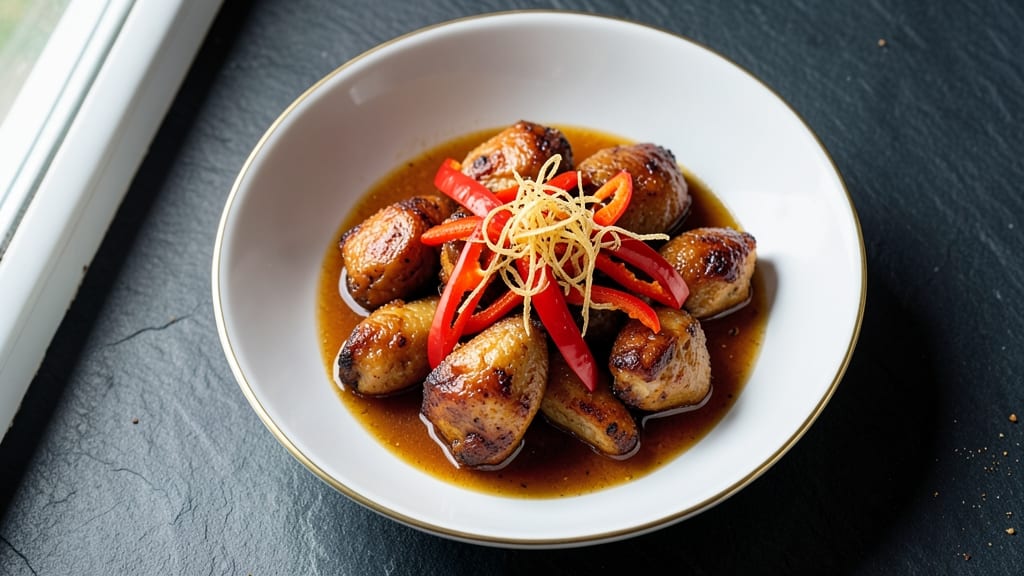
This authentic Chinese sweet and sour chicken delivers the crispy, tangy, and slightly sweet bites you crave from your favorite takeout spot. The secret lies in the marinating process—tender chicken pieces develop a golden crust from cornstarch, while the sauce balances pineapple’s sweetness with vinegar’s sharpness.
I’ve perfected this recipe over years of testing, ensuring every element—from the wok-frying technique to the glossy glaze—stays true to tradition.
The recipe begins with preparing the chicken in two stages: first, a light marinade of soy sauce and cornstarch for adhesion, then a quick sear in a hot wok until golden and crisp.
Meanwhile, the sauce simmers with vinegar, sugar, and ketchup (a classic Cantonese shortcut) until it thickens into a glossy, sticky glaze. The pineapple adds natural sweetness, while bell peppers contribute a subtle crunch and vibrant color.
What sets this dish apart is the textural contrast—crispy chicken bites coated in a tangy, slightly sticky sauce, served over steamed rice or alongside stir-fried vegetables. The aroma alone will have everyone gathering around the table, while the first bite delivers that perfect balance of sweet, sour, and umami.
This is comfort food at its finest, made even better when shared.
Whether you’re hosting a dinner party or craving takeout flavors at home, this recipe delivers restaurant-quality results with minimal fuss. The key is high heat for the chicken and patience for the sauce—both ensure a dish that’s as impressive as it is delicious. Let’s get cooking!
Ingredients for authentic chinese sweet and sour chicken
Here's what brings that perfect balance of sweet, crispy, and tangy to your wok-fried chicken.
| Ingredient | Amount | Notes |
|---|---|---|
| Boneless Chicken Thighs 🍗 | 1 ½ lb | Cut into 1-inch pieces |
| Cornstarch 🌾 | ½ cup | For crispy coating |
| Light Soy Sauce 🥄 | ¼ cup | For marinating |
| White Vinegar 💧 | ¼ cup | For sauce tang |
| Granulated Sugar 🍯 | ½ cup | For sauce sweetness |
| Red Bell Pepper 🍅 | 1 whole | Cut into chunks |
| Green Bell Pepper 🍅 | 1 whole | Cut into chunks |
| Fresh Pineapple 🍍 | 1 cup | Chopped, fresh or canned |
| Tomato Ketchup 🍅 | ¼ cup | Classic Cantonese shortcut |
| Vegetable Oil 🫒 | ½ cup | For wok frying |
| Garlic Cloves 🧄 | 4 cloves | Minced for sauce |
| Ginger Root 🌿 | 1 tbsp | Fresh, grated |
| Salt 🧂 | 1 tsp | To taste |
| Ground Black Pepper 🌶️ | ½ tsp | Freshly ground |
The chicken thighs are non-negotiable here—they stay juicier than breasts during the quick sear. Look for bone-in, skin-on thighs at Whole Foods or your local Asian market for that authentic texture. If you can't find them, boneless thighs work, but pat them very dry before coating. The cornstarch needs to be fine and dry—none of that instant kind. Bob's Red Mill makes a great brand if you're buying in bulk. For the peppers, grab the freshest you can find—they should snap when bent, not feel mushy. Pineapple? Fresh is ideal, but canned works in a pinch if you're using the chunky kind in juice, not syrup.
No fresh ginger? Powdered works at half the amount, but you'll lose that zing. Short on ketchup? Substitute with 2 tbsp tomato paste plus 1 tbsp vinegar. The soy sauce should be light, not dark—Kikkoman is the gold standard, but any good-quality light soy will do. Want to skip the ketchup entirely? Add 1 tbsp of rice vinegar and 1 tsp of sesame oil for depth. The garlic can be pre-minced from a jar if you're in a rush, but fresh is always better. For the pineapple, if you're using canned, drain it well—you don't want a watery sauce. And trust me on the 1-inch chicken pieces—smaller means more even cooking.
This sauce keeps for 5 days in the fridge, but the chicken is best eaten fresh off the wok. If you're prepping ahead, cook the chicken and store it separately—reheat it in a skillet with a splash of water to keep it crispy. The sauce can be made a day in advance and reheated gently. For leftovers, store everything in airtight containers. The flavors actually improve overnight as everything melds. Pro tip: Portion the sauce into small jars—it freezes beautifully for up to 3 months, perfect for quick weeknight dinners.
Why You'll Love This Recipe
- No-Fuss Coating: I swear by the cornstarch trick—just toss those thighs in a quick slurry before frying, and you get that perfect crunch without deep-frying drama. Five minutes max, and no one will guess it’s not from a takeout bag.
- Taste Like Childhood: That tangy-sweet sauce? White vinegar cuts through the sugar while soy sauce adds depth, but here’s the secret: a splash of pineapple juice (if you’re feeling fancy) or even just extra sugar until it sings. It’s the kind of dish that makes you crave it at 2 AM.
- Leftover Magic: Stir-fried chicken gets boring, but this? It reheats like a dream—just toss in a splash of water and microwave. My kids beg for it cold in lunches, and honestly, it’s just as good. (Yes, even on a Tuesday night.)
- Budget Win: Chicken thighs are cheap, and this recipe stretches for days. Double the sauce, freeze half, and you’ve got a weeknight savior. I’ll be real: I make it when I’m broke, and no one notices the difference from the expensive version.
Step-by-step instructions for authentic Chinese sweet and sour chicken
Here's the real deal—crispy wok-fried chicken with that signature tangy, sweet glaze.
Marinate and Prepare the Chicken
Cut the 1.5 lb boneless chicken thighs into 1-inch pieces and place them in a bowl. In a separate small bowl, mix together the 0.25 cup light soy sauce, 0.25 cup white vinegar, 1 tsp salt, and 0.5 tsp ground black pepper. Pour this marinade over the chicken and toss gently to coat evenly. Let it sit for at least 30 minutes—this ensures tender, flavorful bites. While the chicken marinates, cut the red bell pepper and green bell pepper into 1-inch chunks and chop the 1 cup fresh pineapple into ½-inch pieces. These will add that classic crunch and sweetness to the dish.
Real talk: Don't skip the marinade. The acid in the vinegar and soy sauce breaks down the chicken fibers, guaranteeing juicy results even after frying. If you're short on time, 20 minutes will work, but 30 gives you the best texture. Keep the peppers and pineapple at room temperature—they'll cook faster and more evenly when added later.
Create the Tangy Sweet Sauce
In a medium saucepan, combine the 0.5 cup granulated sugar, 0.25 cup tomato ketchup, 4 cloves minced garlic, 1 tbsp grated ginger root, and 0.5 cup water. Bring this mixture to a boil over medium-high heat, then reduce the heat to medium-low and let it simmer for 8-10 minutes, stirring occasionally. You're looking for a thick, glossy sauce that coats the back of a spoon—this is your sweet and sour glaze. The sugar should dissolve completely, and the sauce should reduce slightly but still maintain a syrupy consistency.
Here's where it gets fun: Taste the sauce as it simmers. If it needs more tang, add a splash of the white vinegar you used in the marinade. If it's too thick, thin it with a little water. The sauce should balance sweetness with acidity perfectly—this is the heart of the dish. Once it reaches the right consistency, remove it from heat and set it aside to cool slightly while you fry the chicken.
Fry the Chicken Until Golden and Crispy
Heat 0.25 cup vegetable oil in a wok or large skillet over high heat until it shimmers. Working in batches if needed, add the marinated chicken pieces and fry for 3-4 minutes per side until they turn golden brown and crispy. The chicken should release easily from the pan—this means it's cooked through and ready for the sauce. Drain the fried chicken on a wire rack or paper towels to remove excess oil. Don't crowd the pan, or the temperature will drop, and you'll end up with greasy instead of crispy chicken.
I press down gently on the chicken pieces during the first minute of frying—this prevents them from curling and ensures even contact with the pan. If the oil starts smoking, reduce the heat slightly. The goal is a deep golden color with a crisp exterior and juicy interior. Once all the chicken is fried, set it aside on a plate and keep it warm.
Combine Chicken with Sauce and Vegetables
In the same wok, add the remaining 0.25 cup vegetable oil and heat it over medium heat. Toss in the pepper chunks and pineapple pieces, stir-frying for 2-3 minutes until the peppers soften slightly but still retain their shape. Pour the cooled sauce over the vegetables and chicken, tossing everything together until the chicken is fully coated in the glaze. Cook for an additional 2-3 minutes until the sauce thickens slightly and clings to the chicken and vegetables. The mixture should look glossy and vibrant—this is your signal that everything is perfectly combined.
Here's the thing—don't overcook the vegetables. They should still have a bit of bite to balance the tender chicken. If the sauce seems too thin, let it simmer for another minute to thicken. The chicken should be heated through but still juicy, not dry. Taste and adjust the seasoning if needed—sometimes the sauce needs a pinch more salt or a splash of vinegar to hit that perfect balance.
Serve Immediately with Steamed Rice
Transfer the sweet and sour chicken to a serving platter and garnish with extra pineapple chunks if desired. Serve it immediately over steamed jasmine rice—this classic pairing soaks up the tangy sauce beautifully. The dish should have a perfect harmony of crispy chicken, sweet pineapple, and the bright, tangy glaze. Each bite should deliver a mix of textures and flavors: the crunch of the peppers, the juiciness of the chicken, and the sweet-sour punch of the sauce.
This is the moment that matters: serve it while the chicken is still crispy and the sauce is warm. If you wait too long, the chicken will soften, and the sauce might thicken too much. Pair it with a simple green salad or cucumber slices to cut through the richness. Trust me, this is the kind of dish that tastes even better the second time around—so make sure you have leftovers to enjoy!
Pro Tips For Making Authentic Chinese Sweet And Sour Chicken
- Cut Chicken Small: I learned this the hard way—uniform 1-inch cubes cook faster and soak up the sauce better. Big chunks stay tough, and small ones disappear into mush if overcrowded. Use kitchen shears for speed (yes, even if you’re impatient like me).
- Double-Coat the Cornstarch: Toss the chicken in cornstarch once, let it sit 5 minutes, then toss again before frying. The first layer absorbs moisture; the second guarantees that crispy crust. Skip this, and your chicken will steam instead of sear.
- Balance Vinegar and Sugar: The sauce needs both sharpness and sweetness to cut through the oil. Start with a 1:1 ratio of vinegar to sugar (e.g., 2 tbsp each), then taste—adjust by the teaspoon. Too much vinegar? The sugar won’t caramelize. Too little? It’ll taste flat.
- Fry in Batches: Overcrowding drops the oil temperature, making your chicken greasy instead of golden. Fry in single-layer batches, and don’t rush—wait 2 minutes between batches to let the oil recover. Your future self will thank you for the crunch.
Make-ahead tips for leftovers
Sauce Prep Ahead
The sauce is the soul of this dish, and you can absolutely make it a day in advance. Simmer the sauce as directed, then let it cool completely before transferring it to an airtight container.
Store it in the fridge for up to 5 days—the flavors deepen overnight, becoming even more balanced. When ready to use, simply reheat it gently over low heat, stirring occasionally until it reaches 160°F.
This method saves you time on busy weeknights and ensures that sauce is always ready to coat your chicken perfectly. 💫
Chicken Make-Ahead
For the chicken, the best approach is to fry it fresh and store it separately. Once golden and crispy, let it cool completely, then place it in an airtight container with a paper towel to absorb any excess moisture.
The chicken will stay crispy for up to 2 days in the fridge. When reheating, use a skillet over medium heat with a splash of water to maintain that crisp texture. Avoid microwaving—it’ll turn soggy. This strategy lets you prep the chicken ahead while keeping it restaurant-quality crispy. ✨
Complete Meal Prep
For a full meal prep session, cook the rice separately and store it in a sealed container for up to 3 days. Combine all components—chicken, sauce, and vegetables—just before serving. Reheat the sauce and vegetables together in a skillet, then toss in the chicken to warm through.
This keeps every element at its best texture and temperature. I like to portion everything into individual containers for grab-and-go lunches—just reheat and enjoy that takeout vibe at home. 🍚
Freezing Tips
Both the sauce and chicken freeze beautifully for up to 3 months. Freeze the sauce in small portions—ice cube trays work great for individual servings. For the chicken, freeze it in a single layer on a tray first to prevent clumping, then transfer to a freezer bag.
When ready to use, thaw overnight in the fridge. Reheat the chicken in a skillet with a splash of water to restore crispiness, then combine with thawed sauce and vegetables. This method ensures you always have a quick, authentic meal ready. ❄️
Vegetable Prep
Prep the peppers and pineapple ahead of time—they’ll keep well in the fridge for 3-4 days when stored in an airtight container. Chop them into the required sizes and store separately until ready to stir-fry.
This step saves you time during the final assembly and ensures your vegetables are perfectly prepped for that quick wok toss. Freshness matters here—don’t skip this prep if you’re making it ahead. 🍅
Nutrition facts
Frequently asked questions
Can I use chicken breast instead of thighs for this recipe?
Chicken thighs are ideal because they stay juicy during the quick fry, but you can use boneless breasts if needed. Pat them very dry and cut them into ½-inch thick slices instead of 1-inch pieces to ensure even cooking. For extra tenderness, marinate for 45 minutes instead of 30 minutes. The texture will be slightly less crispy but still delicious.
Why does my sauce turn out too sweet or too sour?
The balance is key! Taste the sauce as it simmers and adjust with 1 tsp sugar at a time for more sweetness or 1 tsp vinegar for more tang. Start with equal parts sugar and vinegar in the recipe, then tweak to your preference. The sauce should coat the back of a spoon but still be glossy, not sticky. If it’s too thick, add 1 tsp water to loosen it.
Can I make this dish vegetarian?
Swap the chicken for tofu or extra-firm eggplant cut into similar-sized pieces. Press tofu to remove excess water and coat it in cornstarch for crispiness. For eggplant, salt it first, let it drain, then pat dry before frying. The sauce and vegetables stay exactly the same—just as flavorful and satisfying.
How do I keep the chicken crispy when reheating?
Reheat chicken in a skillet over medium heat with ½ tsp oil and a splash of water to steam. Cover for 1-2 minutes to restore crispiness. Avoid microwaving—it makes the coating soggy. For leftovers, store chicken and sauce separately and reheat them together in the skillet. This method keeps the texture perfect every time.
What’s the best way to store leftovers?
Store components separately in airtight containers: chicken on the bottom, sauce on top (to prevent sogginess), and vegetables in a separate container. Keep them in the fridge for up to 3 days. Reheat everything together in a skillet—just add a splash of water to the sauce to restore its glossy texture. Freeze sauce in ice cube trays for easy portioning.