
Main Courses
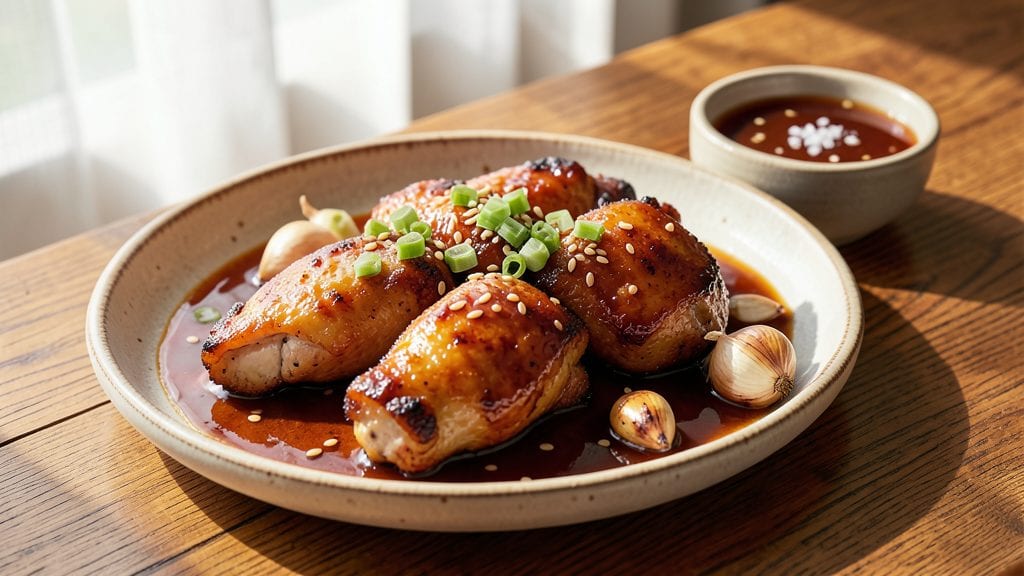
This authentic chicken teriyaki recipe delivers restaurant-quality flavor with a caramelized glaze that balances sweetness and umami perfectly. The secret lies in marinating the chicken overnight, allowing the soy-based sauce to penetrate deeply while developing complex flavors. I’ve refined this technique over years of testing—no shortcuts, just the real deal.
The sauce itself is where the magic happens: a precise blend of soy sauce, mirin, sake, and sugar that reduces to a glossy, sticky finish when caramelized on high heat.
Traditional methods call for grilling or pan-searing the chicken until the glaze forms a glossy crust, but I’ve included adaptable techniques for oven or stovetop cooking too. Every bite delivers tender, juicy chicken with that signature sweet-savory balance.
What sets this recipe apart is the attention to detail—proper marinating time, controlled heat for caramelization, and the right sauce-to-chicken ratio. You’ll end up with golden-brown chicken that’s sticky, flavorful, and impossible to resist. Serve it over steamed rice with quick-pickled vegetables for a complete, restaurant-worthy meal.
This method works equally well for weeknight dinners or special occasions, and the sauce keeps beautifully for up to a week in the fridge. Whether you’re grilling outdoors or cooking indoors, the results are consistently authentic and impressive. Let’s get started on making teriyaki the way it should be done.
Ingredients for authentic chicken teriyaki
Authentic teriyaki starts with precise marinade and caramelized glaze for restaurant-quality results.
| Ingredient | Amount | Notes |
|---|---|---|
| Boneless Chicken Thighs 🍗 | 1 ½ lb | Skin-on for crispiness |
| Soy Sauce 🧂 | ½ cup | High-quality, reduced-sodium |
| Mirin 🍶 | ¼ cup | Sweet rice wine |
| Sake 🍶 | ¼ cup | Dry, unflavored |
| Brown Sugar 🍚 | ¼ cup | Packed, light brown |
| Garlic Cloves 🧄 | 4 cloves | Freshly minced |
| Fresh Ginger Root 🌿 | 2 tbsp | Grated, finely |
| Sesame Oil 🫒 | 1 tbsp | Toasted, premium grade |
| Rice Vinegar 🍶 | 1 tbsp | Clear, unflavored |
| Cornstarch 🌾 | 2 tbsp | For thickening glaze |
| Neutral Oil 🫒 | ½ cup | Avocado or vegetable |
| Sesame Seeds 🌾 | 2 tbsp | For garnish, toasted |
| Green Onions 🌱 | ¼ cup | Thinly sliced |
The soy sauce serves as the foundation—opt for high-quality, reduced-sodium varieties like Kikkoman or Pearl River Bridge for authentic depth. Sake and mirin should be dry and sweet respectively; Japanese brands deliver the most balanced flavor. Fresh ginger is non-negotiable—grate it yourself for vibrant aroma, not pre-peeled powder. The chicken thighs, kept skin-on, develop crispy texture while staying juicy. Store these ingredients in airtight containers, with the ginger wrapped in paper towel to absorb moisture.
Substitutions require careful consideration: coconut aminos can replace soy sauce at a 1:1 ratio, though the umami profile differs. Dry sherry works for sake but lacks the subtle sweetness of traditional options. For mirin, equal parts sugar and water creates a reasonable approximation. The cornstarch slurry is critical—no substitutions here—as it achieves that signature glossy finish. When grilling, preheat the grill to 400°F for even caramelization; stovetop requires medium-high heat with constant basting.
The marinade keeps for 5 days refrigerated but develops best after 12-24 hours. Store the cooked chicken in airtight containers for 3-4 days or freeze for up to 3 months. The sauce reheats beautifully—simmer gently until reduced to a glossy consistency. Garnish with sesame seeds and green onions just before serving to preserve their freshness. For best results, prepare the sauce 1 day ahead to allow flavors to meld completely.
Why You'll Love This Recipe
- No-Fuss Marinade Magic: Honestly, the overnight marinade in sake, mirin, and soy sauce does all the heavy lifting. Just slash the chicken, dump it in, and forget about it—waking up to tender, flavor-packed thighs is pure satisfaction.
- Crispy-Sweet Perfection: That crispy skin? The brown sugar caramelized glaze? It’s the kind of balance—sweet, salty, umami—that makes you forget you’re eating weeknight dinner. Every bite’s got that restaurant-quality kick.
- Leftovers That Shine: Cooked chicken keeps beautifully for 3-4 days—just reheat with a splash of water and that sesame oil-rich glaze comes back to life. My kids even ask for seconds (yes, even on a Tuesday night).
- Budget-Friendly Feast: Skin-on thighs are cheaper than breast, and sake and mirin stretch further than you’d think. Feeds a crowd for less than most takeout, and the leftovers? A free lunch the next day. Win.
Step-by-step instructions for authentic chicken teriyaki
Here's the method that delivers restaurant-quality teriyaki with deep umami flavor and caramelized glaze.
Prepare the Chicken and Marinate Overnight
Pat the 1½ lb boneless chicken thighs dry with paper towels, removing any excess moisture from the surface. This step is crucial for achieving that signature crispy texture when grilled. Using a sharp chef's knife, make several shallow slashes across both sides of each thigh—about ¼-inch deep—without cutting all the way through. This creates surface area for better marinade penetration and prevents curling during cooking.
In a large mixing bowl, combine the ½ cup soy sauce, ¼ cup mirin, ¼ cup sake, ¼ cup packed brown sugar, 4 minced garlic cloves, and 2 tablespoons finely grated fresh ginger root. Whisk vigorously until the brown sugar dissolves completely and the mixture becomes homogeneous. Pour this marinade over the slashed chicken thighs, ensuring each piece is fully coated. Cover the bowl with plastic wrap and refrigerate for at least 8 hours, preferably overnight. The extended marinating time develops complex flavors and ensures tender, juicy meat.
Thicken the Glaze and Prep the Grill
Remove the chicken from the refrigerator and let it sit at room temperature for 30 minutes before cooking. While the chicken comes to temperature, transfer the marinade to a saucepan and place over medium-high heat. Bring to a gentle simmer, then reduce heat to medium-low and let it cook uncovered for 10 minutes to allow the alcohol to evaporate completely. This step is essential for safety and concentrates the flavors.
In a small bowl, whisk together the 2 tablespoons cornstarch with 2 tablespoons cold water to create a slurry. Slowly pour this into the simmering marinade while stirring constantly with a wooden spoon. The mixture will thicken noticeably within 2-3 minutes. Remove from heat and stir in the 1 tablespoon sesame oil and 1 tablespoon rice vinegar. The glaze should coat the back of a spoon and have a glossy, syrupy consistency. Preheat your grill to medium-high heat (around 375°F) and clean the grates thoroughly with a grill brush.
Grill the Chicken to Perfect Doneness
Place the marinated chicken thighs on the preheated grill, skin-side down first. Grill for 6-7 minutes without moving, until the skin becomes crispy and golden brown with grill marks. Here's the thing—don't press down on the chicken with a spatula. This prevents the juices from escaping and ensures maximum tenderness. Flip the chicken and cook for another 5-6 minutes, basting occasionally with any accumulated juices from the grill.
Transfer the grilled chicken to a cutting board and let it rest for 5 minutes. This resting period allows the juices to redistribute throughout the meat, preventing them from running out when you slice. During this time, reheat the teriyaki glaze in a small saucepan over medium heat until it reaches a thick, pourable consistency—about 2-3 minutes. The glaze should coat the chicken beautifully when brushed on.
Finish with Caramelized Glaze and Garnish
Brush the reheated teriyaki glaze generously over the grilled chicken thighs, coating them completely. Return the chicken to the grill for 1-2 minutes to allow the glaze to caramelize slightly and develop a glossy sheen. Watch closely as the glaze turns from glossy to slightly sticky—this indicates it's ready. Remove from heat immediately to prevent burning.
Transfer the chicken to a serving platter and sprinkle with the 2 tablespoons toasted sesame seeds and ¼ cup thinly sliced green onions. The sesame seeds add a nutty crunch, while the green onions provide a fresh contrast to the rich teriyaki flavors. Serve immediately with steamed jasmine rice or your preferred grain to soak up the delicious glaze. Each bite should deliver perfectly balanced sweet, salty, and umami flavors with that signature caramelized crust.
Pro Tips For Making Authentic Chicken Teriyaki
- CUT THIGHS IN HALF: Thick thighs stay tough—split them horizontally for even cooking. I learned this the hard way after serving dry, overcooked slabs that looked perfect but tasted like shoe leather.
- REDUCED SAUCE FIRST: Simmer soy, mirin, sake, and sugar until thickened to a glossy syrup—about 3 minutes. Skimping here means a watery glaze that clings like regret instead of a sticky, caramelized finish.
- DON’T DROWN THE CHICKEN: Start with just enough sauce to coat the pan, then add more as it cooks. I used to dump the whole batch in at once, turning the dish into a soggy mess instead of a restaurant-worthy glaze.
- USE COLD THIGHS: Pull the chicken straight from the fridge—cold meat sears better and stays juicier. Room-temperature thighs release moisture too fast, turning your teriyaki into a sad, steamed chicken situation.
Creative variations of this recipe
Japanese-Style Grill
For that authentic restaurant experience, I recommend using a charcoal grill preheated to 400°F with binchotan charcoal for a smoky depth. If you don’t have charcoal, a gas grill with cedar planks works beautifully—soak the planks in water for 30 minutes before grilling.
The cedar imparts a subtle, woodsy aroma that complements the teriyaki perfectly. For indoor cooking, a cast-iron skillet on the stovetop mimics grill marks while delivering crispy skin. 🔥
Hawaiian Twist
Swap the sake for ½ cup pineapple juice and add 1 tablespoon grated fresh ginger plus 1 teaspoon ground coriander to the marinade.
After grilling, serve the chicken over coconut rice (cook jasmine rice in coconut milk) and top with quick-pickled red onions (soak thinly sliced onions in rice vinegar, sugar, and a pinch of salt for 15 minutes). The tropical flavors balance the umami beautifully. 🌺
Korean-Inspired Buldak
Replace the mirin with ¼ cup gochujang (Korean chili paste) and add 1 tablespoon honey to the sauce. Use boneless chicken breast instead of thighs for a lighter texture, and grill until the internal temperature reaches 165°F.
Serve with kimchi and steamed white rice, then drizzle with a sesame-soy glaze (mix 1 tablespoon soy sauce, 1 tablespoon toasted sesame oil, and 1 teaspoon honey). The spicy-sweet contrast is addictive. 🌶️
Slow-Cooker Version
For a hands-off approach, marinate the chicken as directed, then place it in a slow cooker with the sauce. Cook on LOW for 4-5 hours or HIGH for 2-3 hours, stirring occasionally.
Before serving, transfer the chicken to a skillet and sear skin-side down over medium-high heat for 3-4 minutes to crisp the skin. The slow cooker keeps the meat incredibly tender while developing deep flavor. Perfect for busy weeknights! ⏰
Vegetarian Adaptation
Replace the chicken with extra-firm tofu pressed for 20 minutes to remove excess water, then sliced into ½-inch thick slabs. Marinate the tofu in the teriyaki mixture for at least 2 hours, then pan-fry in neutral oil until golden brown.
For extra texture, top with crispy fried onions (fry thinly sliced onions in oil until caramelized). Serve with miso soup and steamed bok choy for a complete meal. 🌱
Spicy Sriracha Glaze
Add 1-2 tablespoons sriracha to the finished teriyaki sauce and reduce it on the stovetop until slightly thickened. Brush this spicy glaze over the grilled chicken and broil for 1-2 minutes to caramelize.
Garnish with thinly sliced jalapeños and cilantro for a bold, heat-packed variation. Pair with cooling mango salsa to balance the spice. 💥
Nutrition facts
Frequently asked questions
Why does the recipe call for marinating chicken overnight?
Marinating the chicken thighs overnight allows the soy sauce, mirin, and ginger to deeply penetrate the meat, creating tender, flavorful results. The extended time develops complex umami flavors that simply can't be achieved in just a few hours. Even 8 hours is ideal, but overnight delivers the best balance of tenderness and depth.
Can I use chicken breast instead of thighs for this recipe?
While you can use chicken breast, the skin-on thighs are the traditional choice for authentic teriyaki. Thighs stay juicier and develop crispier skin due to their higher fat content. If using breast, slice it thinly after cooking to prevent dryness, and reduce the cooking time by 2-3 minutes per side.
What if my teriyaki glaze turns out too thin?
If your glaze isn't thick enough, simply return it to the stove over medium-low heat and stir in 1 teaspoon cornstarch mixed with 1 teaspoon water until it reaches the desired consistency. Cooking the sauce longer without the cornstarch slurry can also help reduce it naturally. Always remember to stir constantly to prevent burning!
How do I prevent the chicken skin from getting soggy?
Never press down on the chicken with a spatula while grilling—this releases juices that make the skin soggy. Cook skin-side down first for 6-7 minutes to crisp it, then flip gently. Pat the chicken dry before marinating and avoid overcrowding the grill. The ¼-inch slashes also help with even cooking without curling.
Can I make the teriyaki sauce ahead of time?
The sauce keeps beautifully for 5 days refrigerated and actually tastes better after 1-2 days as the flavors meld. Store it in an airtight container and reheat gently on the stove before using. For best results, make it 1 day before cooking the chicken to let everything develop fully.