
Main Courses
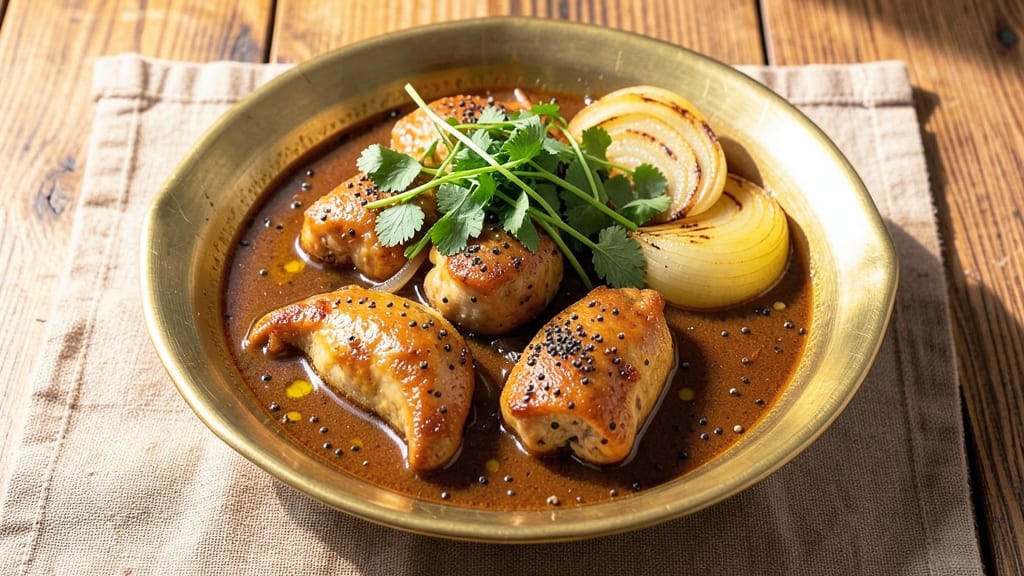
This authentic Bengali chicken curry brings the bold flavors of West Bengal to your kitchen, where mustard seeds and fenugreek transform simple chicken into a symphony of smoky, spicy, and aromatic perfection. The secret lies in slow-cooked layers of spices that develop deep, complex flavors—unlike any other curry you’ve tried.
I’ve perfected this recipe after years of testing, ensuring every bite delivers the rich, tangy, and slightly sweet profile that makes it legendary.
The magic begins with a fragrant tempering of mustard oil, poppy seeds, and fenugreek leaves—key ingredients that define Bengali cuisine. Unlike many curries, this one relies on a delicate balance of spices like turmeric, cumin, and coriander, which are toasted to release their full potential.
The chicken cooks low and slow, absorbing the flavors until it’s tender enough to melt in your mouth, all while the gravy thickens into a velvety, aromatic sauce.
What sets this curry apart is its authenticity—no shortcuts, no substitutions. The mustard oil adds a distinct pungency, while the fenugreek leaves lend a subtle bitterness that rounds out the dish.
Served with steamed basmati rice or warm roti, it’s a meal that feels like a hug from a Bengali home. The aroma alone will have everyone at the table anticipating the first bite.
This recipe is designed for those who appreciate tradition but want a method that’s approachable. With careful spice toasting and proper simmering time, you’ll achieve restaurant-quality results at home. Let’s get started on creating a curry that’s as memorable as it is delicious.
Ingredients for authentic bengali chicken curry
Mustard oil, fenugreek, and slow-cooked spices create this legendary Bengali curry's magic.
| Ingredient | Amount | Notes |
|---|---|---|
| Boneless Chicken Thighs 🍗 | 1 ½ lb | Cut into 1.5-inch pieces |
| Mustard Oil 🫒 | ½ cup | For authentic Bengali flavor |
| Poppy Seeds 🌾 | 1 tbsp | Lightly toasted for aroma |
| Fresh Fenugreek Leaves 🌿 | ¼ cup | Chopped finely (or dried) |
| Yellow Onion 🧅 | 1 whole | Finely chopped (about 1.5 cups) |
| Garlic Cloves 🧄 | 6 cloves | Minced finely |
| Ginger Root 🌿 | 1 ½ tbsp | Freshly grated |
| Ground Cumin 🌶️ | 1 tsp | Toasted lightly |
| Ground Coriander 🌶️ | 1 tsp | Toasted lightly |
| Turmeric Powder 🧂 | ½ tsp | Freshly ground preferred |
| Red Chili Powder 🌶️ | ½ tsp | Adjust for heat preference |
| Tomato Puree 🍅 | ½ cup | Fresh or quality canned |
| Coconut Milk 🥥 | ¼ cup | Full-fat for creaminess |
| Fresh Green Chilies 🌶️ | 2 whole | Slit lengthwise, seeds removed |
| Salt 🧂 | 1 ½ tsp | Adjust to taste |
| Lemon Juice 🍋 | 1 tbsp | Freshly squeezed |
| Fresh Cilantro 🌿 | ¼ cup | Chopped for garnish |
Mustard oil is non-negotiable here—Indian grocery stores or specialty shops like Patel Brothers carry it. Look for the deep yellow color and pungent aroma. Fenugreek leaves can be tricky to find fresh, so dried works in a pinch (use half the amount). The chicken should be bone-in for flavor, but boneless thighs work too if you're short on time. For the spices, toast them whole in oil first—that's where the real magic happens. I always grab my spices from Burlap & Barrel or the bulk bins at Whole Foods for the freshest flavor.
No mustard oil? Vegetable oil with 1 tsp mustard seeds mimics the flavor, but it’s not the same. Fresh fenugreek leaves hard to find? Dried methi leaves (soaked in warm water) work, but you’ll need about half the quantity. The tomato puree can be fresh or quality canned—San Marzano is ideal. For heat, swap red chili powder for fresh green chilies or cayenne. The coconut milk adds richness, but Greek yogurt works too if you prefer a tangier profile. Just make sure to strain it well for that velvety texture.
This curry tastes even better the next day—flavors meld beautifully when refrigerated. Store in an airtight container for 4-5 days or freeze for 3 months. I always make extra because it reheats perfectly and freezes well. Garnish with fresh cilantro right before serving—it adds that final pop of freshness. The mustard oil smell is strong, so let the curry sit covered for 10 minutes after cooking to mellow the aroma slightly.
Why You'll Love This Recipe
- One-Pot Magic: I swear by this—just one pot, minimal chopping, and the mustard oil does all the work while you stir. That golden aroma? It fills the kitchen faster than you can say "poppy seeds."
- Flavor Bomb: Mustard oil and fresh fenugreek leaves? It’s like a flavor explosion in your mouth—earthy, slightly bitter, and so rich it sticks with you. Honestly, the poppy seeds add this nutty crunch that takes it from good to ridiculously good.
- Weeknight Warrior: This curry reheats like a dream, so I make a big batch on Sundays and eat it all week. Perfect for lazy nights when you don’t want to cook but still crave something hearty—just throw it in the fridge and grab it later.
- Budget Hero: Chicken thighs are cheap, onions are cheap, and a little mustard oil goes a long way. I feed my whole family for under $10, and the leftovers? Even better the next day. (Yes, even on a Tuesday night.)
Step-by-step instructions for authentic Bengali chicken curry
Here's how to craft this fragrant, aromatic curry with the perfect balance of spices and textures.
Prepare the Chicken and Toast the Spices
Cut the 1.5 lb boneless chicken thighs into 1.5-inch pieces and set aside. In a heavy-bottomed pot, heat 0.5 cup mustard oil over medium-low heat. Add 1 tbsp poppy seeds and toast them for 30 seconds until they begin to pop and release their nutty aroma. Immediately remove from heat and let them cool slightly.
In the same pot, add 1 tsp ground cumin and 1 tsp ground coriander (both toasted lightly for deeper flavor). Toast for 30 seconds until fragrant—this step unlocks the full spice potential. Keep these toasted spices in a small bowl for now; we'll add them back later. The key here is patience—rushing will burn the spices and make the curry bitter.
Sauté the Aromatics and Build the Base
Return the pot with mustard oil to medium heat and add 1 whole yellow onion, chopped finely. Cook for 5-6 minutes until the onions turn golden brown and caramelize slightly. This adds sweetness that balances the heat. Add 6 cloves garlic cloves (minced) and 1.5 tbsp ginger root (freshly grated) and cook for another 2 minutes until the raw garlic smell disappears.
Stir in 0.25 cup fresh fenugreek leaves (chopped finely) and 2 whole fresh green chilies (slit lengthwise). Cook for 1 minute until the fenugreek wilts slightly. This herb adds a unique earthy depth that's essential for authentic flavor. The chilies should soften but not burn—watch closely as they darken quickly.
Add Spices and Tomato Puree
Return the toasted spices to the pot and stir well to coat the onions. Add 0.5 tsp turmeric powder and 0.5 tsp red chili powder, mixing for 30 seconds until the spices bloom and fill your kitchen with their warm, earthy scent. This is where the magic happens—properly bloomed spices create the aromatic foundation of the curry.
Pour in 0.5 cup tomato puree and stir vigorously for 3-4 minutes until the mixture thickens and coats the back of a spoon. The tomatoes should reduce significantly, creating a rich, concentrated base. If the oil starts to separate, add 2-3 tablespoons water to emulsify it. This step ensures your curry won't be too watery later.
Simmer the Chicken and Finish with Coconut Milk
Add the chicken pieces and 1.5 tsp salt to the pot, stirring gently to coat everything in the spiced tomato mixture. Bring to a gentle simmer, then reduce heat to low and cover partially. Let it cook for 20 minutes, stirring occasionally, until the chicken is 75% cooked and the sauce begins to thicken. The chicken should be tender but still have a slight resistance when pierced with a fork.
Uncover the pot and stir in 0.25 cup coconut milk. Simmer uncovered for another 10-15 minutes until the sauce reaches your desired consistency—it should coat the back of a spoon but still be saucy enough to spoon over rice. The coconut milk adds creaminess while keeping the dish light. Taste and adjust seasoning with additional salt if needed.
Finish with Lemon Juice and Garnish
Remove from heat and stir in 1 tbsp lemon juice. This brightens all the flavors and cuts through the richness of the coconut milk. Let the curry sit for 5 minutes to allow the lemon to fully integrate. Garnish with 0.25 cup fresh cilantro, chopped finely. The cilantro adds freshness and a pop of color that makes the dish visually appealing.
Serve immediately with steamed basmati rice. The curry should have a beautiful golden color with tender chicken pieces swimming in a rich, aromatic sauce. Each bite should deliver layers of flavor—spicy, tangy, earthy, and creamy—all perfectly balanced. The mustard oil's signature aroma and the fenugreek's unique bitterness make this curry truly authentic and unforgettable.
Pro Tips For Making Authentic Bengali Chicken Curry
- Bloom the Poppy Seeds: Toast them in mustard oil until they crackle and smell like warm breadcrumbs—not just browned. I used to rush this, and the curry tasted flat; now I let them sizzle for 2 full minutes, stirring constantly. That nutty aroma is the soul of the dish.
- Salt the Chicken Twice: Generously salt the thighs before marinating, then again after the initial sear. The first layer seasons the meat, the second ensures it’s properly brined by the time it hits the simmer. (Yes, even if you’re impatient like me—trust the process.)
- Sear On High, Simmer Low: Get the chicken deep golden in the mustard oil on max heat—this locks in flavor. Then drop the heat to a bare simmer for the curry, or the fenugreek leaves will turn to mush. I learned this the hard way after a pot of sad, watery curry.
- Finely Dice the Onion: No big chunks—slice the onions paper-thin for a silky texture that blends into the curry. My grandmother swore by this, and she was right: it prevents the dish from feeling heavy. (Use a sharp knife or food processor for speed.)
Make-ahead tips for leftovers
Prep Ahead Strategy
Start by marinating the chicken in a mix of 0.25 cup mustard oil, 1 tsp ground cumin, 1 tsp ground coriander, and 1 tbsp lemon juice for up to 4 hours in the fridge.
This jumpstarts the flavor infusion and makes the chicken incredibly tender. Store the marinade in an airtight container with a lid to prevent spills and keep it fresh. 🌟
Spice Prep Shortcut
Toast all your spices—cumin, coriander, poppy seeds—in advance and store them in a small jar with a tight-sealing lid. These toasted spices keep for 2 weeks in a cool, dark place, ready to be added straight to your curry.
I keep mine in a glass jar on my spice rack for easy access. This saves you 10 minutes of prep time during cooking.
Fridge Storage Tips
After cooking, let your curry cool completely before transferring it to an airtight container. It stays fresh in the fridge for 4-5 days, with flavors actually deepening over time.
I like to portion it into 2-cup servings for easy reheating. The sauce thickens slightly when refrigerated, so add 1-2 tablespoons water when reheating if needed.
Freezer-Friendly Method
For long-term storage, freeze the curry in quart-sized freezer bags with all the air squeezed out. Label with the date and store for up to 3 months. When ready to eat, thaw overnight in the fridge, then reheat gently on the stove with 2 tablespoons water to restore moisture.
The texture remains rich and flavorful, just like fresh.
Reheating Perfection
For best results, reheat your curry on low heat with a splash of water or coconut milk to prevent drying. I use a heavy-bottomed pot to distribute heat evenly. If using the microwave, cover with a damp paper towel and heat in 1-minute intervals, stirring between each.
The mustard oil aroma intensifies when reheated, so let it sit covered for 5 minutes after heating to mellow the scent.
Make-Ahead Serving
Plan to serve your curry the next day—it tastes even better after resting! The flavors meld beautifully, and the spices have more time to infuse. Garnish with fresh cilantro right before serving to maintain that vibrant touch.
Pair with freshly steamed basmati rice or warm phulka roti for an authentic Bengali meal experience. 💛
Nutrition facts
Frequently asked questions
Why does this recipe use mustard oil instead of regular oil?
Mustard oil is the heart of authentic Bengali cooking—its pungent aroma and distinct flavor define this curry. While it has a strong smell when raw, it mellows beautifully during cooking. For a substitute, use vegetable oil with 1 tsp mustard seeds toasted, but the flavor won't be identical. The oil's unique profile enhances the poppy seeds and fenugreek, creating that signature Bengali taste.
Can I make this curry less spicy for kids or sensitive eaters?
Reduce the red chili powder to 0.25 tsp and skip the fresh green chilies. For extra mildness, add 1 extra tbsp coconut milk at the end to balance any residual heat. The curry's complex flavors will still shine without the spice. Always taste as you go—adjusting salt and lemon juice can also help mellow the dish.
What's the secret to getting the perfect sauce consistency?
The sauce should be thick enough to coat the back of a spoon but still saucy enough to spoon over rice. Simmer uncovered in the final 10-15 minutes to reduce naturally—don't add too much coconut milk at once. If needed, mix 1 tsp cornstarch with 1 tbsp water and stir in at the end. The key is patience: let it thicken gradually rather than rushing with extra liquid.
How do I know when the chicken is fully cooked?
Chicken should reach an internal temperature of 165°F and have no pink juices when pierced. For this recipe, it's 75% cooked after the first 20-minute simmer—the remaining cooking time finishes it gently. Use a meat thermometer for accuracy. If you prefer slightly more tender chicken, extend the simmering time by 5-10 minutes covered with a lid.
Can I make this curry in an Instant Pot or pressure cooker?
Yes, but with adjustments! Sauté onions, garlic, ginger, and spices as directed, then add chicken and 0.5 cup water. Pressure cook for 8 minutes on high, then quick-release. Stir in coconut milk and lemon juice, then simmer on low heat for 5 minutes to thicken. The pressure method cuts cooking time significantly but may slightly alter the sauce texture—it'll be more velvety than traditional.