
Main Courses
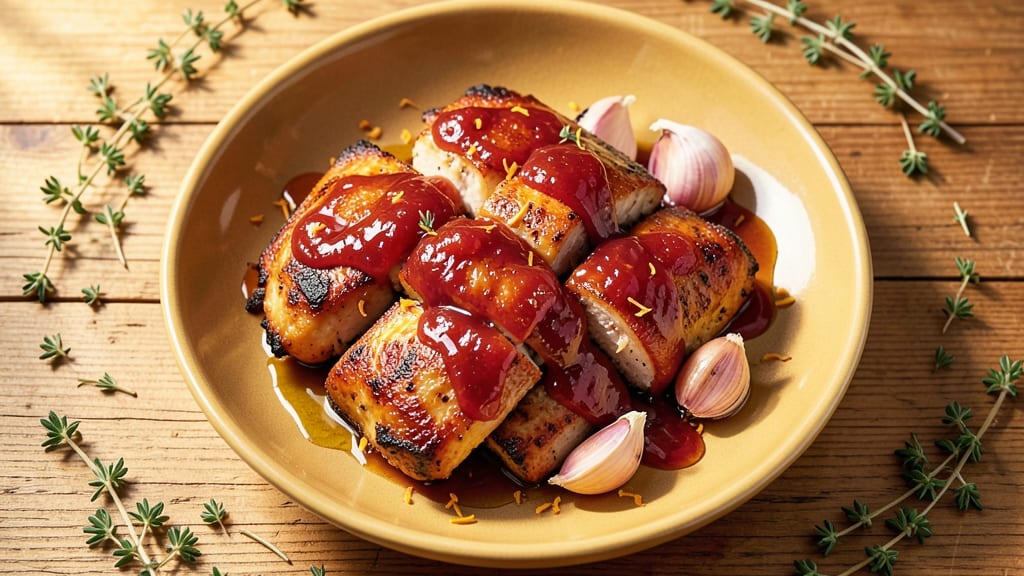
This apricot jam glazed chicken recipe transforms ordinary roasted chicken into a sweet-tangy masterpiece with caramelized edges and juicy centers. The key lies in balancing apricot jam’s natural sweetness with savory herbs and a touch of honey, creating a glaze that’s both sticky and sophisticated.
I developed this method after years of testing—it’s foolproof for weeknight dinners or special occasions, requiring just 40 minutes of active time.
The process starts with a simple marinade of garlic, thyme, and olive oil to infuse flavor into the chicken, then finishes with a quick sear and reduction of apricot jam into a glossy, caramelized glaze.
The result is tender, golden-brown chicken with a glossy sheen that hints at layers of fruit-forward sweetness and savory depth. This dish pairs beautifully with roasted vegetables or crusty bread to soak up every drop of that irresistible sauce.
What sets this apart is how the apricot jam’s acidity tenderizes the chicken while its natural sugars caramelize into a sticky, restaurant-worthy glaze. The balance of sweet and tangy flavors elevates simple roasted chicken into something extraordinary—perfect for impressing guests or treating yourself.
The technique is straightforward, but the results are undeniably impressive.
For those watching sugar intake, you can reduce the jam slightly or use a sugar-free version without sacrificing flavor. Serve with a side of roasted Brussels sprouts or mashed potatoes to complement the dish’s rich, fruity notes. Let’s get cooking—this recipe delivers on both taste and ease.
Ingredients for apricot jam chicken
The perfect blend of sweet and savory ingredients transforms ordinary chicken into an elegant, caramelized masterpiece.
| Ingredient | Amount | Notes |
|---|---|---|
| Boneless, Skinless Chicken Thighs 🍗 | 1 ½ lb | Cut into even-sized pieces |
| Apricot Jam 🍑 | ½ cup | High-quality, unsweetened preferred |
| Honey 🍯 | 2 tbsp | Raw or wildflower preferred |
| Garlic Cloves 🧄 | 4 cloves | Minced for marinade |
| Fresh Thyme Leaves 🌿 | ¼ cup | Chopped, stems removed |
| Extra-Virgin Olive Oil 🫒 | ¼ cup | For marinade and searing |
| Diamond Crystal Kosher Salt 🧂 | 1 ½ tsp | Adjust to taste |
| Freshly Ground Black Pepper 🌶️ | ½ tsp | For seasoning |
| Balsamic Vinegar 🍷 | 1 tbsp | For depth of flavor |
| Orange Zest 🍊 | 1 tsp | Brightens the glaze |
| Fresh Rosemary Sprigs 🌿 | 2 sprigs | For aromatic depth |
| Unsalted Butter 🧈 | 2 tbsp | For finishing drizzle |
The quality of apricot jam is non-negotiable here—Maille or Bonne Maman deliver the best balance of sweetness and acidity. If you can't find unsweetened, reduce the honey slightly to maintain harmony. Fresh thyme and rosemary from Whole Foods' bulk section offer superior aroma compared to dried alternatives. The chicken thighs should be even-sized for consistent cooking; trim any excess fat to prevent flare-ups during searing. For an extra touch of sophistication, use organic chicken from Trader Joe's or your local butcher.
Substitutions are possible but require finesse: peach jam works in a pinch but lacks apricot's tartness, so balance with an extra teaspoon of balsamic vinegar. No fresh thyme? Dried thyme at one-third the amount suffices, though the flavor will be subtler. For a sugar-conscious version, reduce the honey to 1 tablespoon and use a sugar-free apricot spread like Smucker's Natural. The orange zest can be omitted if unavailable, but the glaze will lack brightness. For extra richness, swap the butter with brown butter during the final drizzle.
Store any leftover glazed chicken in an airtight container for up to 3 days—it reheats beautifully with a splash of water or broth. The glaze thickens upon cooling, so reheat gently to restore its silky texture. For make-ahead convenience, marinate the chicken overnight; the flavors meld more deeply. If you have extra jam or honey, store them in the pantry for up to 12 months, though fresh jam always yields superior results. The rosemary sprigs can be frozen for up to 3 months if wrapped tightly in plastic.
Why You'll Love This Recipe
- One-Pan Magic: The only pan you’ll need is the one you sear the chicken in—then finish it in the same skillet. No extra dishes, no fuss. Just chop the chicken into even pieces, pat them dry, and let the apricot jam and honey do the work while you walk away for 30 minutes. Honestly, this is the kind of recipe that makes me wonder why I ever owned a slow cooker.
- Sweet-Tangy Surprise: That apricot jam isn’t just for decoration—it’s the star. The jam and honey caramelize into a glossy glaze that clings to the chicken like a sticky, flavor-packed hug, while the balsamic vinegar and orange zest keep it from tasting like dessert. Trust me, the garlic and thyme infuse the meat so deeply that you’ll forget this isn’t a restaurant dish.
- Leftover Love: I always make this for Sunday dinner, and by Wednesday, I’m begging for seconds. The chicken reheats like a dream with just a splash of water or broth, and the glaze gets even thicker and more intense. My kids even ask for it over plain grilled chicken—proof that a little jam can turn a weeknight meal into a crowd-pleaser.
- Budget-Friendly Luxury: Chicken thighs are cheaper than breast, and you’re using pantry staples like apricot jam and olive oil to make it taste fancy. The fresh herbs (thyme and rosemary) add that restaurant-quality depth without breaking the bank. It’s the kind of dish that makes me feel like a home cook who knows what she’s doing—without spending a fortune.
Step-by-step instructions for apricot jam glazed chicken
This method delivers caramelized edges and tender meat through precise timing and layering of flavors.
Prepare the Chicken and Marinade
Cut the 1½ lb boneless, skinless chicken thighs into even-sized pieces, about 1-inch thick. Pat them dry thoroughly with paper towels—this ensures maximum crispiness during searing. In a small bowl, combine the ½ cup apricot jam, 2 tbsp honey, 1 tbsp balsamic vinegar, and 1 tsp orange zest. Whisk until smooth and glossy, creating the base for your glaze.
In a separate mixing bowl, finely mince the 4 cloves garlic and chop the 2 sprigs fresh rosemary sprigs, removing any woody stems. Add the chopped thyme leaves, ¼ cup extra-virgin olive oil, 1½ tsp diamond crystal kosher salt, and ½ tsp freshly ground black pepper. Stir well to create a fragrant marinade that will infuse the chicken with aromatic depth.
Marinate and Sear the Chicken
Place the chicken pieces in a shallow dish and pour the marinade over them, ensuring each piece is evenly coated. Cover and refrigerate for at least 30 minutes, or up to 2 hours for deeper flavor penetration. This step allows the herbs and citrus to tenderize the meat while building complex flavors.
Heat a large oven-safe skillet over medium-high heat. Add the marinated chicken pieces and sear undisturbed for 4-5 minutes per side until golden brown and cooked to an internal temperature of 165°F. The chicken should release easily from the pan when ready—this indicates proper doneness. Remove the chicken and set it aside on a plate.
Build the Glaze and Finish Cooking
Return the skillet to the heat and reduce it to medium. Add the 2 tbsp unsalted butter and let it melt completely, then scrape up any browned bits from the bottom of the pan with a wooden spoon. These flavorful bits, known as fond, are essential for a rich glaze. Pour in the reserved marinade from the chicken and simmer for 2-3 minutes until slightly thickened.
Return the seared chicken to the skillet, spooning the glaze evenly over each piece. Transfer the skillet to a preheated 375°F oven and bake for 8-10 minutes, basting the chicken with the glaze halfway through. This final step ensures the chicken finishes cooking while developing a sticky, caramelized crust that locks in moisture and flavor.
Rest and Serve
Remove the chicken from the oven and let it rest for 5 minutes before serving. This brief rest allows the juices to redistribute, ensuring each bite is succulent. The glaze should be thick and glossy, with a balance of sweetness from the apricot jam and honey, tang from the balsamic vinegar, and bright citrus notes from the orange zest.
Serve the chicken immediately, drizzling any remaining glaze from the skillet over the top. The combination of caramelized edges, tender meat, and aromatic herbs creates a dish that's both elegant and approachable, perfect for weeknight dinners or special occasions. Pair with roasted vegetables or a fresh salad to complement the rich flavors.
Pro Tips For Making Apricot Jam Chicken
- Sear First, Jam Later: Don’t just toss the chicken in the jam—start with a hot, dry pan for 3-4 minutes until golden. This locks in flavor and prevents the apricot jam from turning into a sad, sticky mess instead of a glossy glaze. Trust me, the contrast of crispy edges to tender meat is worth the extra 30 seconds.
- Mash the Garlic: Skip the whole cloves unless you enjoy digging them out later. Mash 3-4 garlic cloves into a paste with a pinch of salt first—they’ll release their oils faster and coat the chicken more evenly. No fancy tools needed; a fork works just fine. (Yes, even if you’re impatient like me.)
- Balance the Sweetness: I learned this the hard way—don’t double the apricot jam just because you love sweetness. Start with ½ cup jam and finish with 2-3 tablespoons honey to adjust. The jam’s acidity and thickness are key; adding too much sweetener drowns the thyme’s brightness. Taste as you go, and you’ll hit that perfect sticky-savory balance.
- Braise Low and Cover: After searing, cover the pan tightly and cook on low heat for 15-20 minutes. This isn’t the time to check every 2 minutes—steam is your friend here. The chicken will stay juicy, and the jam will thicken into a glossy sauce without burning. (Your future self will thank you for resisting the urge to lift the lid.)
Perfect pairings for these flavors
Sweet-Tangy Side Dishes
The sweetness of the apricot glaze pairs beautifully with roasted baby potatoes tossed in rosemary and olive oil. Toss 1 lb baby potatoes with 1 tbsp olive oil, 1 tsp chopped rosemary, ½ tsp salt, and ¼ tsp black pepper.
Roast at 400°F for 25-30 minutes until crispy. The earthy contrast balances the fruit-forward chicken perfectly. 🥔
Creamy Complements
A garlic-parmesan mashed potato adds richness to cut through the glaze’s sweetness. Mash 2 lbs Yukon Gold potatoes with ¼ cup butter, ½ cup warm milk, 2 minced garlic cloves, and ½ cup grated parmesan. The creamy texture soothes the sticky glaze while adding depth. 🧀
Bright Greens Pairing
For a lighter option, serve the chicken over arugula salad with lemon vinaigrette. Toss 4 cups baby arugula with 2 tbsp olive oil, 1 tbsp lemon juice, 1 tsp honey, and ¼ tsp salt.
The peppery greens cleanse the palate between bites of sweet-savory chicken. 🌿
Crusty Bread Drizzle
Serve with crusty sourdough or baguette to soak up every last drop of glaze. Toast the bread lightly and cut into thick slices—it’s perfect for scooping up the sticky apricot sauce. I like BreadSense artisan sourdough for its chewy texture. 🍞
Wine Pairings
A medium-bodied red wine like Pinot Noir complements the dish’s sweetness with its bright acidity. I recommend Oregon Pinot Noir for its cherry notes that echo the apricot. For a white option, try Riesling—its slight sweetness matches the glaze while its acidity cuts through the richness. 🍷
Nutrition facts
Frequently asked questions
Why does the recipe call for chicken thighs instead of breasts?
Chicken thighs stay juicier and more flavorful than breasts, especially when glazed. Their higher fat content helps resist drying out during searing and baking, while their natural richness pairs perfectly with the sweet-tangy apricot glaze. The 1½ lb thighs also create satisfyingly large, tender pieces that hold the glaze beautifully.
Can I skip marinating the chicken and just coat it with glaze?
While you can skip marinating, the herbs and citrus in the marinade tenderize the meat and build complex flavors. The 30-minute minimum marinate ensures the chicken absorbs enough depth to prevent the glaze from tasting one-dimensional. If short on time, at least coat the chicken with the glaze before searing for some flavor infusion.
What if my glaze turns out too thin after baking?
Simmer the glaze on medium heat for another 1-2 minutes, stirring occasionally, until it thickens to a glossy consistency. If it's still too thin, sprinkle in ½ teaspoon cornstarch dissolved in 1 tablespoon water and stir until absorbed. The key is patience—thin glazes often just need a little extra reduction time.
Can I make this recipe ahead of time?
Yes! Marinate the chicken overnight for deeper flavor, then refrigerate it in the marinade. When ready to cook, proceed with searing and glazing as directed. The chicken will cook through in the same 8-10 minutes in the oven. Just let it rest before serving to redistribute juices.
What's the best way to reheat leftovers?
Gently warm the glazed chicken in a skillet over low-medium heat for 3-4 minutes, adding 1 tablespoon water or broth to prevent drying. Cover loosely with foil to maintain moisture. The glaze will thicken slightly but can be reheated briefly to restore its glossy texture.