
Main Courses
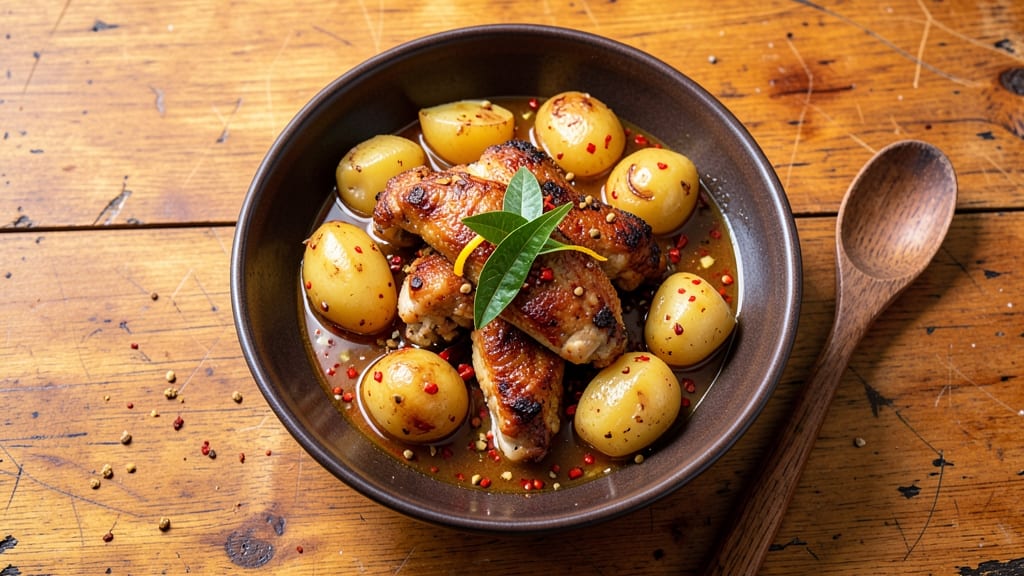
This aloo chicken salan recipe brings the rich, tangy flavors of South Indian cuisine straight to your kitchen, where tender chicken and potatoes simmer in a fragrant, tamarind-infused gravy.
The secret lies in balancing sweet, sour, and spicy elements—starting with a proper tempering of mustard seeds and curry leaves that releases aromatic oils into the oil. I’ve perfected this dish over years of testing, ensuring the chicken stays juicy while the potatoes absorb the complex flavors without turning mushy.
The magic happens in layers: first, the chicken is marinated with yogurt and spices to tenderize it, then cooked just until it’s done but still holds its shape. Potatoes are added later to soak up the flavorful broth, while the tamarind and kokum lend that signature tangy depth.
A final touch of fresh coriander brightens the dish, making every spoonful a balance of textures and tastes. This isn’t just a stew—it’s a celebration of South Indian home cooking.
What you’ll end up with is a restaurant-quality dish that’s hearty enough for a family meal but elegant enough for guests. The gravy coats every bite with a velvety, slightly spicy-sweet profile, while the potatoes remain firm yet flavorful.
Serve it with steamed rice or fluffy appam to soak up every last drop of that aromatic sauce. The best part? It’s a one-pot wonder that comes together in under an hour, with minimal cleanup.
For those who love customization, you can adjust the spice level to taste or swap in other vegetables like pumpkin or eggplant. The key is patience—letting the flavors meld during the simmering process.
This recipe isn’t just about following steps; it’s about embracing the rhythm of South Indian cooking, where every ingredient plays its part. Let’s get cooking!
Ingredients for aloo chicken salan
South Indian flavors start with these simple yet powerful ingredients—where tangy tamarind meets fragrant spices for a one-pot wonder.
| Ingredient | Amount | Notes |
|---|---|---|
| Boneless Chicken Thighs 🍗 | 1 ½ lb | Cut into bite-sized pieces |
| Medium Yellow Potatoes 🥔 | 2 lbs | Peeled and cut into chunks |
| Plain Yogurt 🥛 | ½ cup | Whisked smooth for marinade |
| Mustard Seeds 🌶️ | 1 tbsp | For tempering |
| Curry Leaves 🌿 | ¼ cup | Fresh, packed |
| Dry Red Chilies 🌶️ | 4 whole | Split lengthwise |
| Tamarind Paste 🍈 | ¼ cup | Adjust for tanginess |
| Kokum 🍇 | 1 piece | Soaked in 1 cup water |
| Ginger 🧅 | 1 inch | Grated, fresh |
| Garlic Cloves 🧄 | 6 cloves | Minced fine |
| Onion 🧅 | 1 medium | Finely chopped |
| Cumin Seeds 🌿 | 1 tsp | For tempering |
| Turmeric Powder 🌶️ | 1 tsp | Freshly ground preferred |
| Coriander Powder 🌿 | 1 ½ tbsp | Freshly ground preferred |
| Garam Masala 🌶️ | 1 tsp | For finishing |
| Fresh Coriander Leaves 🌿 | ¼ cup | Chopped for garnish |
| Vegetable Oil 🫒 | ½ cup | For cooking |
| Salt 🧂 | 1 ½ tsp | Adjust to taste |
The chicken thighs are non-negotiable here—they stay juicier than breasts during the long simmer. Look for bone-in, skin-on thighs at the grocery store's butcher counter, as they hold up better. For the potatoes, Russet or Yukon Gold work best—they absorb flavors without falling apart. Tamarind paste can be tricky to find; Indian grocery stores or the bulk section at Whole Foods usually carry it. If you can't find kokum, substitute extra tamarind or a splash of lemon juice—just know the flavor will be slightly different. Curry leaves are the secret weapon; frozen works in a pinch, but fresh is ideal for that authentic aroma.
No mustard seeds? Skip them entirely—the dish will still shine. Running out of garam masala? Mix equal parts cinnamon, cardamom, and cloves for a quick substitute. Fresh ginger and garlic are musts, but if you're in a bind, jarred minced ginger and garlic powder will do. The yogurt should be plain and thick—Greek yogurt works great if regular yogurt is too runny. For the potatoes, cut them evenly so they cook at the same rate. The tamarind paste can be adjusted to taste—start with less if you're unsure, as it's intensely tangy.
This dish tastes even better the next day as the flavors meld. Store leftovers in an airtight container in the fridge for up to 4 days. For freezing, portion into containers and keep for 3 months. The gravy thickens when chilled, so add a splash of water when reheating. I always make extra—it reheats beautifully and makes quick lunches. The spices lose potency over time, so replace garam masala and coriander powder every 6 months for best results.
Why You'll Love This Recipe
- One-Pot Magic: I swear by this recipe—just toss everything into one pot, and the mustard seeds and curry leaves do all the work while you stir. The potatoes and chicken cook together, so no switching pans or constant monitoring.
- Tangy-Creamy Crunch: That yogurt marinade on the chicken? It keeps it juicy while the mustard seeds and curry leaves add a smoky, earthy kick. The potatoes soak up the flavor like sponges, and the texture—crispy edges, soft centers—is pure satisfaction.
- Lunchbox Hero: Between us, this is my go-to for packed lunches. The flavors hold up for days, and I can prep a big batch on Sunday—just reheat and serve. Honestly, my kids grab seconds before I even get to my desk.
- Budget Win: Chicken thighs and potatoes stretch far, and yogurt is cheaper than you think. The spices are minimal but mighty, so you’re not breaking the bank for a dish that tastes like it belongs on a restaurant menu. Not the prettiest, but the taste makes up for it.
Step-by-step instructions for South Indian potato and chicken stew
Here's how to create this comforting, tangy stew with perfectly spiced chicken and tender potatoes.
Marinate the Chicken for Maximum Flavor
In a large bowl, combine the 1.5 lb boneless chicken thighs (cut into bite-sized pieces) with the 0.5 cup plain yogurt, 1 tsp turmeric powder, 1.5 tbsp coriander powder, 1.5 tsp salt, and 1 tsp garam masala. Mix gently but thoroughly to ensure every piece is coated. Let this marinate for at least 30 minutes at room temperature - this step is crucial for tender chicken and deep flavor infusion.
While the chicken marinates, prepare the tamarind mixture by soaking the 1 piece kokum in 1 cup water for 15 minutes. This will create a tangy base for your stew. The longer you marinate, the more flavorful your chicken will be, so don't skip this important preparation step.
Cook the Chicken and Prepare the Potatoes
Heat 0.25 cup vegetable oil in a large, heavy-bottomed pot over medium-high heat. Once hot, add the marinated chicken pieces and cook until they turn opaque and the edges begin to brown - about 5-6 minutes. Remove the chicken and set it aside temporarily.
In the same pot, add 2 lbs medium yellow potatoes (cut into chunks) and cook them for 3-4 minutes until they begin to soften slightly. This partial cooking prevents the potatoes from turning mushy later in the stew. The potatoes should be tender but still hold their shape when pierced with a fork.
Build the Tangy Base with Tamarind and Spices
Add the 0.25 cup tamarind paste (strained if needed) and the soaked kokum water to the pot. Stir well and let it simmer for 5 minutes to allow the flavors to meld together. This creates the signature tangy base that makes this dish so special.
Now it's time for the tempering - add 1 tbsp mustard seeds, 1 tsp cumin seeds, 4 whole dry red chilies (split lengthwise), 0.25 cup curry leaves, 1 inch grated ginger, and 6 minced garlic cloves to the pot. Cook for 2-3 minutes until the mustard seeds pop and the spices become fragrant. This step adds incredible depth and aroma to your stew.
Combine Everything and Simmer to Perfection
Return the chicken to the pot and stir gently to combine with the potatoes and sauce. Add 1 medium finely chopped onion and bring the mixture to a gentle boil. Once boiling, reduce the heat to low and let it simmer uncovered for 25-30 minutes, stirring occasionally. The stew should thicken slightly and the chicken should become fork-tender.
Taste and adjust the seasoning if needed - you might want to add a bit more salt or tamarind paste to achieve the perfect balance of tangy, spicy, and savory flavors. The potatoes should be completely tender but still hold their shape, and the chicken should be cooked through with no pink remaining.
Finish and Serve with Fresh Herbs
Once the stew reaches the perfect consistency, stir in the 0.25 cup chopped fresh coriander leaves and sprinkle with an additional 0.5 tsp garam masala. Let it cook for another 2 minutes to allow the fresh herbs to infuse their flavor. This final step brightens up the dish and adds a fresh finish.
Serve the aloo chicken salan hot, either with steamed rice or warm roti. The stew should have a perfect balance of tender chicken, soft potatoes, and a tangy, spiced sauce that coats every bite. The aroma alone will make your kitchen smell incredible, and each spoonful will deliver that perfect combination of flavors that makes this dish so beloved in South India.
Pro Tips For Making Aloo Chicken Salan
- MARINATE CHICKEN LONGER: I used to think 30 minutes was enough, but trust me—let those thighs soak in the yogurt-curry leaf mix for at least 2 hours (or overnight). The chicken stays juicier, absorbs more flavor, and doesn’t dry out when you fry it later. (Yes, even if you’re impatient like me.)
- BOIL POTATOES UNTIL SOFT: Skip the "just tender" test—boil those potatoes until they’re fully soft (a knife slides in like butter). If you leave them firm, they’ll turn mushy when simmered in the gravy. Drain well, but don’t rinse—you want that starchy coating for thickness.
- TEMPER MUSTARD SEEDS HOT: After frying the onions, let the pan cool just enough to handle, then add mustard seeds to a smoking hot pan. They’ll pop like fireworks instead of sputtering—this is the thing that matters most for that classic crunch. (And no, you can’t skip this.)
- SIMMER GRAVY LOW AND COVER: Once everything’s in the pot, reduce heat to the lowest setting and cover with a lid. The yogurt will curdle if you rush it, and the potatoes will absorb too much liquid. Let it bubble gently for 10 minutes—this is where the magic happens without effort. (Your future self will thank you.)
Flavor customization for aloo chicken salan
Spice Level Control
Adjust the heat to your preference by modifying the dry red chilies. For a mild version, reduce to 2 chilies or remove the seeds. For extra kick, add 1 tsp cayenne pepper or ½ tsp red chili powder when tempering.
I like to keep mine medium—just enough to wake up the flavors without overwhelming the tangy tamarind base. 🌶️
Tangy Variations
If you can’t find kokum, boost tanginess with 1 tbsp lemon juice or ½ tsp amchur (dried mango powder). For a deeper umami note, add 1 tbsp tomato paste when building the base. The tamarind paste is the star, but these tweaks help balance the dish if needed.
Vegetable Swaps
Swap potatoes for pumpkin or eggplant—both work beautifully. For pumpkin, cut into 1-inch cubes and add with the chicken. For eggplant, slice into ½-inch rounds and parboil for 3 minutes first to prevent bitterness. I’ve also tried carrots for a sweeter twist.
Protein Alternatives
Replace chicken with paneer (Indian cottage cheese) for a vegetarian version—simmer 1 lb cubed paneer for 15 minutes instead. For seafood lovers, use firm white fish like cod, cooking it for just 8-10 minutes to avoid flakiness. The tamarind gravy complements all three perfectly.
Herb & Garnish Upgrades
Swap coriander for cilantro or add fresh mint leaves for a brighter finish. For extra richness, garnish with toasted cashews or peanuts—just ¼ cup adds crunch. I love a sprinkle of fried shallots for a crispy contrast. 🌿
Dietary Adjustments
For a lighter version, reduce oil to 0.25 cup and use nonstick cookware. To make it gluten-free, ensure all spices (like garam masala) are certified gluten-free. The dish is naturally dairy-free, but the yogurt marinade can be swapped for coconut yogurt if needed.
Nutrition facts
Frequently asked questions
Can I use chicken breast instead of thighs for this recipe?
Chicken thighs are ideal because they stay juicier during the long simmer. If you must use breast, cut them into small, even pieces and marinate for at least 1 hour to prevent drying out. Cook the breast pieces for only 15-20 minutes after adding them to the pot to avoid toughness.
What makes this dish different from other South Indian chicken curries?
The signature tang comes from the tamarind-kokum combo, creating a bright, citrusy depth that's lighter than yogurt-based curries. The potatoes are added later to soak up flavors without turning mushy, while the tempering of mustard seeds and curry leaves adds a distinct aromatic punch. This version balances spice, sourness, and richness uniquely.
How do I prevent the potatoes from turning mushy?
Parboil the potatoes for 3-4 minutes before adding them to the pot, then drain well. This creates a slight barrier that prevents them from absorbing too much liquid. Also, add them after the chicken and tamarind base has simmered for 15 minutes—this way they cook gently in the flavorful broth rather than absorbing excess water.
Can I make this dish in an Instant Pot or pressure cooker?
Yes! Sauté the chicken and spices as directed, then add 1 cup water (instead of tamarind water) and pressure cook for 10 minutes on high. Quick-release the pressure, then add potatoes and simmer for 5 more minutes. The Instant Pot version cooks 30% faster but requires less water to maintain the gravy's consistency.
Why does my aloo chicken salan taste bland?
Most likely, the tamarind wasn't strained properly (leaving fibrous bits) or the tempering wasn't cooked long enough. For extra depth, add 1 tsp sugar with the tamarind to balance flavors, and ensure your spices are fresh. A final boost of ½ tsp black salt (kala namak) or 1 tsp vinegar can also enhance the tangy profile.